37781614004077


Status: Stock


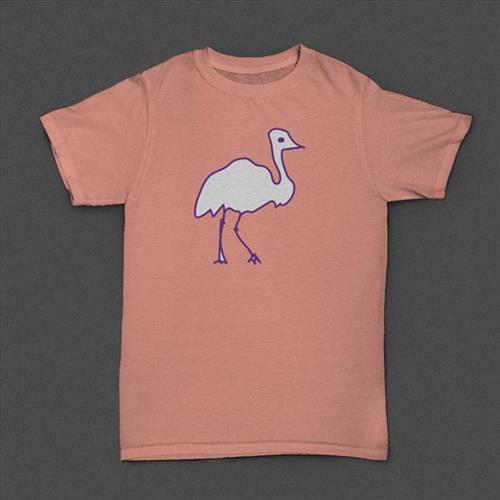
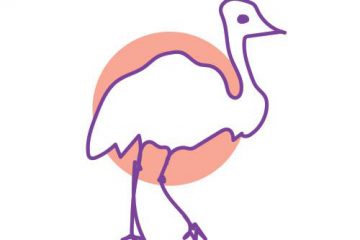
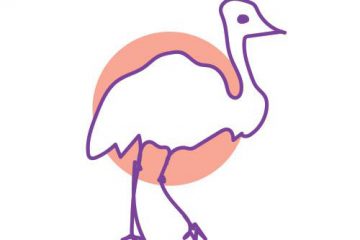
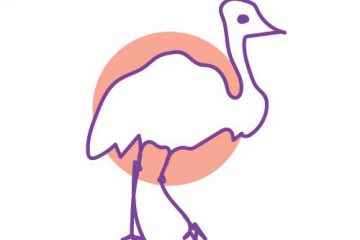
Peach Design

Purple Emu Design description goes here

Regular fit
Crew neck
Mid weight, 180gsm
100% combed organic cotton
Quality cotton grown without the use of herbicides or pesticides – GOTS (Global Organic Textile Standard) certified

37781614004054


Status: Stock


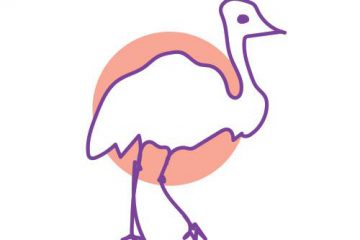
Emu Design Peach

Emu Design wefwerwet r

Regular fit
Crew neck
Mid weight, 180gsm
100% combed organic cotton
Quality cotton grown without the use of herbicides or pesticides – GOTS (Global Organic Textile Standard) certified

377816182263455


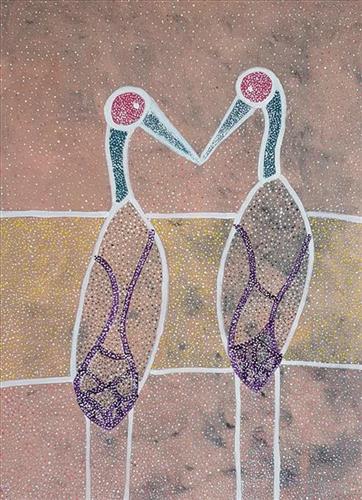
Love Birds

Anne Nunn is Nyungul woman. Her paintings depict cultural, historic and contemporary stories from her Country, the Helensvale and Shipton’s Flat area in Far North Queensland. “My painting depicts the plants and animals that live and grow around my bubu (country).

I love going out bush and am especially inspired by the wetland dikal (birds) like the kubal (brolga) that live in the walngka (swamp grasses) and kababina (water lilies)”.

During mating season the kubal dance to win a wife. My painting shows a pair of kubal in love.

377816182263454


Kunjuri, shield

I am painting kunjuri (shield). Our ancestors used kunjuri and wakay (sword) for fighting to protect themselves from getting hurt.

I started watching my grandfather paint when I was 12 years old. He taught me a lot about my culture, and this is why I am interested in kunjuri. My kunjuri are abstracted. When the Missionaries came here to Wujal Wujal; they tried to stop my people from speaking language and practicing our traditions and because of this we lost some of the knowledge. However, the old people were very strong and even though it was very hard they carried our culture despite the Missionaries and kept it strong.

377816182261618


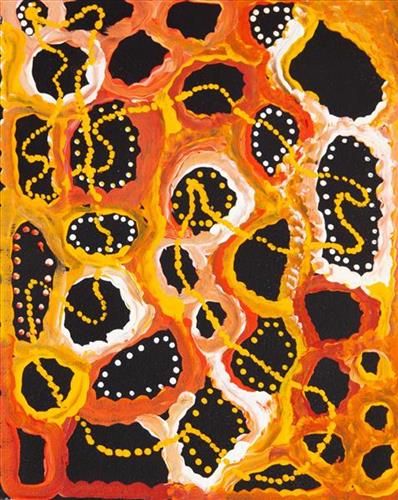
My Grandfather’s Country – Kulyakartu

Kulyakartu is a large area in the far north of the Martu homelands, near the Percival Lakes region of Western Australia’s Great Sandy Desert. Kulyakartu is mostly flat grass Country, and is known as a good hunting area. In particular, parnajarrpa (goanna), wild cats, and lunki (witchetty grub) are found in abundance here. In the wantajarra (wet season) the dry lakes in the region fill with water.

377816182261617


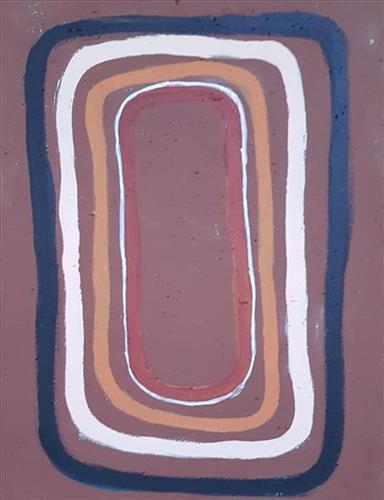
Untitled

“When Martu paint, it’s like a map. Martu draw story on the ground and on the canvas, and all the circle and line there are the hunting areas and different waters and tracks where people used to walk, and [some you] can’t cross, like boundaries. So nowadays you see a colourful painting and wonder what it is, but that’s how Martu tell story long ago. It’s not just a lovely painting, it’s a story and a songline and a history and everything that goes with it.”  – Ngalangka Nola Taylor and Joshua Booth This work portrays an area of Country that can be interpreted in multiple ways. Firstly, the image may be read as an aerial representation of a particular location known to the artist- either land that they or their family travelled, from the pujiman (traditional, desert dwelling) era to now. During the pujiman period, Martu would traverse very large distances annually in small family groups, moving seasonally from water source to water source, and hunting and gathering bush tucker as they went. At this time, one’s survival depended on their intimate knowledge of the location of resources; thus physical elements of Country, such as sources of kapi (water), tali (sandhills), different varieties of warta (trees, vegetation), ngarrini (camps), and jina (tracks) are typically recorded with the use of a use of a system of iconographic forms universally shared across the desert.  An additional layer of meaning in the work relates to more intangible concepts; life cycles based around kalyu (rain, water) and waru (fire) are also often evident. A thousands of year old practice, fire burning continues to be carried out as both an aid for hunting and a means of land management today. As the Martu travelled and hunted they would burn tracts of land, ensuring plant and animal biodiversity and reducing the risk of unmanageable, spontaneous bush fires. The patchwork nature of regrowth is evident in many landscape works, with each of the five distinctive phases of fire burning visually described with respect to the cycle of burning and regrowth.   Finally, metaphysical information relating to a location may also be recorded; Jukurrpa (Dreaming) narratives chronicle the creation of physical landmarks, and can be referenced through depictions of ceremonial sites, songlines, and markers left in the land. Very often, however, information relating to Jukurrpa is censored by omission, or alternatively painted over with dotted patterns.

377816182261616


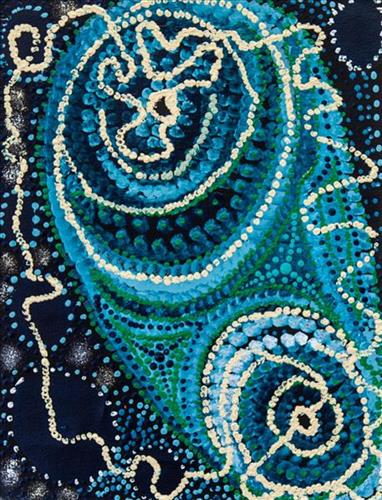
Minyipuru (Seven Sisters), Parnngurr area

Parnngurr, now the locale of a remote Aboriginal community, has always been a significant site for the Martu. A permanent water source and a site within the epic jukurrpa (dreamtime) story of the Jakulyukulyu, or Minyipuru (Seven Sisters), historically many families would gather here to meet for important occasions.  Minyipuru tracks the movement of a group of sisters travelling through the desert as they flee from Yurla, a lustful old man. The man chases the wanti (women) all the way from Roebourne on the west coast, right through Martu Country before flying east across Australia. Along the way they stop at many significant sites to camp, wash, dance and gather food, leaving markers in the landscape along the way. The many events and interactions with Yurla chronicled through the story create a culturally rich narrative that is associated with the Pleiades star constellation.