111582157427


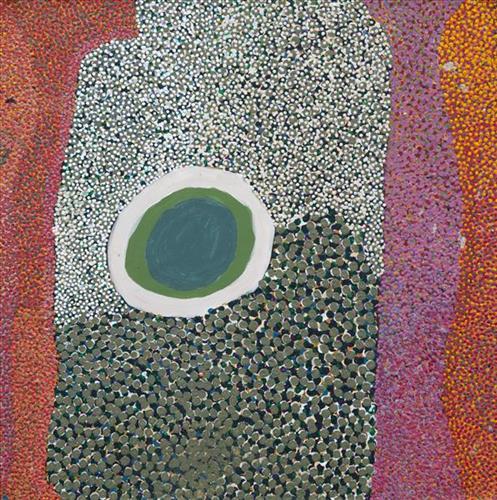
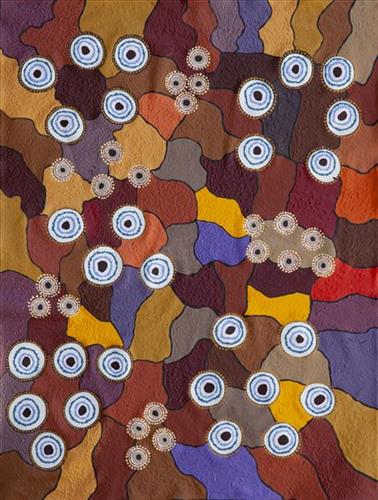
Kurturarra

“Kurturarra is my Grandmother’s Country. Warla (lake) with a spring. Tali (sandhills) all around.”

 – Beverley Rogers

This site lies within Beverley’s ngurra (home Country, camp) through her grandmother. Kurturarra is a yinta (permanent spring) located within the largest of the salt lakes in the Percival Lakes region, and surrounded by acacia trees. The Percival Lakes form a string of ephemeral salt lakes in the north of Western Australia, extending across a distance of 350km. They lie at the southern region of the Great Sandy Desert and east of the Karlamilyi (Rudall River) region.

The region surrounding Kurturarra was formed by Wirnpa, one of the most powerful of the ancestral jila (snake) men and the last to travel the desert during the Jukurrpa (Dreaming). Wirnpa is a rainmaking jila who lived and hunted in the Percival Lakes area. His travels are described in the songs and stories of many language groups across the Western Desert, even those far removed from his home site. In his epic travels, Wirnpa met and feasted with many other ancestral beings, exchanged ceremonial objects, and created a series of different laws and ceremonies. When he finally returned home, he searched for his many children only to discover that they had already died. They had laid down and become the salt springs of the Percival Lakes. Wirnpa wept for his children before himself transforming into a snake and entering the soak where he still resides.
111582157425


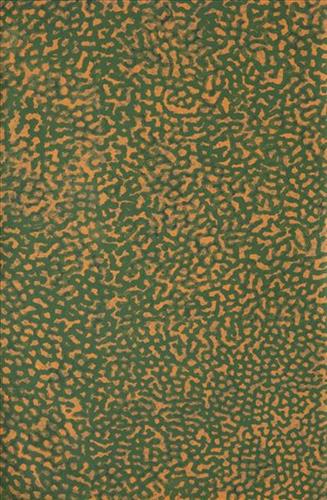
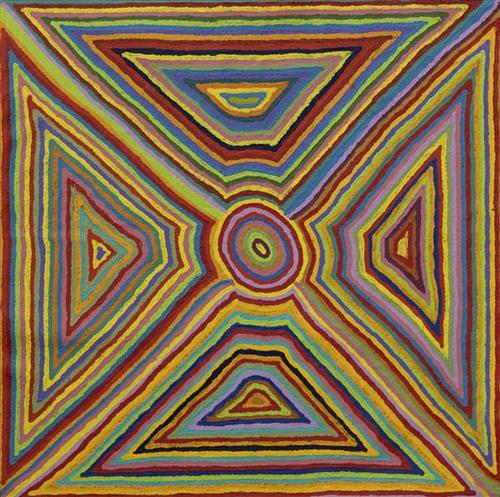
Kartarru (Blue Hills Station, Canning Stock Route Well 24)

“This Country is Bugai’s mother’s Country where they would stay for periods of time because they could hunt there and there was good, permanent kapi (water). Kartarru is Well 24 on the Canning Stock Route.“

– Bugai Whyoulter, as translated by Bugai’s grandson, Cyril Whyoulter

At Kartarru (Blue Hills Station, Canning Stock Route Well 24), located northeast of Kumpupirntily (Kumpupintily, Lake Disappointment), good drinking water is reliably available, and minyarra (bush onion) grows in seasonal abundance. For these reasons the site was a popular camping area during the pujiman (traditional, desert dwelling) era. Kartarru is also significant as a site in two important Jukurrpa (Dreaming) narratives, Wati Kujarra (Two Goanna Men) and Minyipuru (Jakulyukulyu, or Seven Sisters). 

Kartarru was a regular camp site for Bugai in her youth. At this time Bugai travelled nomadically with her own and other family groups, most notably the Bidu family. The Country they traversed encompassed an enormous tract of land, with an aerial distance of more than 600 kilometres, from present day Balfour Downs Station to Kunawarritji. Typically, families would travel together for a time before arranging to meet further along at another camp site. When they arrived at the meeting place, they would light a large waru (fire) so that the others would know where they were.

111582157424


Ngurra (home Country, camp)

“Ngurra is a very special country where we grew-up. We go mostly out on country and camp out. We go swimming and looking for honey on the trees. We would hunt turkey, emu, kangaroo, look for bardi (witchetty grub), honey ants, yellow berries. It’s an outstation. We call it home. We grew up there. Good memories of that place.” 

– Roxanne Newberry 

The Western Desert term ‘ngurra’ is hugely versatile in application. Broadly denoting birthplace and belonging, ngurra can refer to a body of water, a camp site, a large area of Country, or even a modern house. People identify with their ngurra in terms of specific rights and responsibilities, and the possession of intimate knowledge of the physical and cultural properties of one’s Country. This knowledge is traditionally passed intergenerationally through family connections. Country for Martu is full of memory; not just the memory of their own movement through it, but also of their family. As summarised by Ngalangka Nola Taylor, “painting the ngurra, they do it to remember their connections.” 

Painting ngurra, and in so doing sharing the Jukurrpa (Dreaming) stories and physical characteristics of that place, has today become an important means of cultural maintenance. Physical maintenance of one’s ngurra, like cultural maintenance, ensures a site’s wellbeing, and is a responsibility of the people belonging to that area.  

111582155262


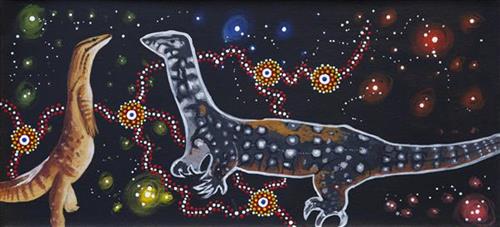
Nyirti Jukurrpa

“When we was little kids, used to tell us this story. It was told by many generations – repeated. We still tell it today. One place to another, they keep on going. This one only we know – kids form the 80’s or 90’s. We grew up on the story, I’m bringing it back. White people have three little pigs, we have this one:

So in the beginning there was this black goanna called yalpara. He was plain black, no colour and he was looking at himself in the reflection of the water… “I’m not pretty enough!” He wanted to look good.

He came across this goanna and asked him for a favour – “if you could paint my back I can paint you black.” So, goanna did all the dots very unique, concentrating closely to the design. When yalpara looked into the reflection he said “oh he did a good job!”

Goanna gave yalpara the stick and said “paint me,” but yalpara was in a hurry so he just scribbled on his back. Yalpara didn’t do a good job, he just scribbled on his back. And that’s how the Yalpara got his spots.

– Owen John Biljabu

The term Jukurrpa is often translated in English as the ‘dreaming’, or ‘dreamtime’. In this case, Nyirti Jukurrpa can be understood in English as children’s stories, nyirti meaning ‘the littlest one’ in Martu language. Jukurrpa refers generally to the period in which the world was created by ancestral beings, who assumed both human and nonhuman forms. These beings shaped what had been a formless landscape; creating waters, plants, animals, and people. At the same time they provided cultural protocols for the people they created, as well as rules for interacting with the natural environment. At their journey’s end, the ancestral beings transformed themselves into important waters, hills, rocks, and even constellations.

111582155260


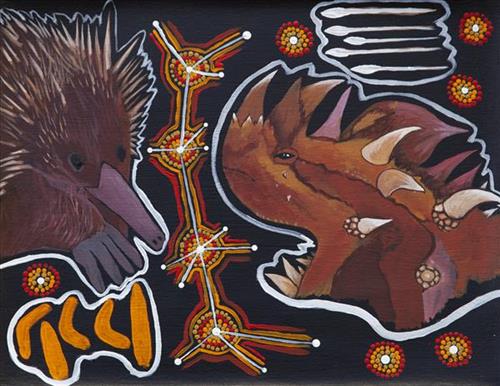
Nyirti Jukurrpa

“When we was little kids, used to tell us this story. It was told by many generations – repeated. We still tell it today. One place to another, they keep on going. This one only we know – kids form the 80’s or 90’s. We grew up on the story, I’m bringing it back. White people have three little pigs, we have this one. They had a big fight. The echidna (minguwa) had no spikes. The lizard (kata puta) had no crown. The lizard had thousands of spears (kurlata). Echidna had a baton (jurna). He hit him really hard and that is why he got a big lump on him. So he threw all the spears really quickly and he got all the spikes on him”

– Owen John Biljabu

The term Jukurrpa is often translated in English as the ‘dreaming’, or ‘dreamtime’. In this case, Nyirti Jukurrpa can be understood in English as children’s stories, nyirti meaning ‘the littlest one’ in Martu language. Jukurrpa refers generally to the period in which the world was created by ancestral beings, who assumed both human and nonhuman forms. These beings shaped what had been a formless landscape; creating waters, plants, animals, and people. At the same time they provided cultural protocols for the people they created, as well as rules for interacting with the natural environment. At their journey’s end, the ancestral beings transformed themselves into important waters, hills, rocks, and even constellations.

111582155256


Nyirti Jukurrpa

“When we was little kids, used to tell us this story. It was told by many generations – repeated. We still tell it today. One place to another, they keep on going. This one only we know – kids form the 80’s or 90’s. We grew up on the story, I’m bringing it back. White people have three little pigs, we have this one:

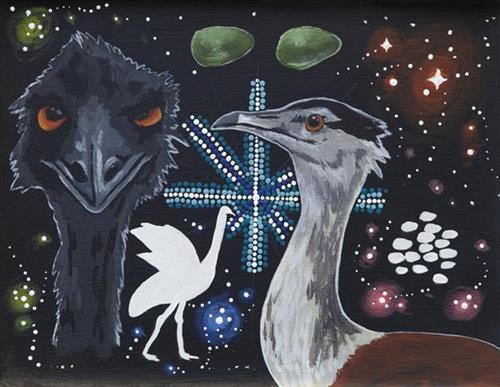
In the beginning like in the dreamtime the emu (karlaya) was the biggest flying bird. One day turkey (kipara) came across and saw him and he got jealous – he wanted to be the biggest bird flying. So he was thinking how I gonna make him cut off his wings. He make a little trick on him, Turkey folded his arms to make him look like wings. ‘look I can run really fast, cut off your wings they make you slow!’ Showing off saying ‘I can run, see,’ running around. Emu believed him.. ‘Okay, I’ll copy you,’ so he cut himself. He cut his wings off.

One day, Emu saw Turkey and he saw that he still had his wings so he figured out that he tricked him… Turkey didn’t see emu, so he was thinking ‘I’ve got to trick him back’ because he already cut off his wings. He told Emu, if you only have 2 eggs it’s make your life more easy. Back then Turkey had more eggs than emu. So emu showed him that if you have two eggs you don’t have to work, only have to look after two. So he made the Turkey bust all his eggs – one or two left… and that’s why he make only one or two eggs. The oldest kids story.”

– Owen John Biljabu

The term Jukurrpa is often translated in English as the ‘dreaming’, or ‘dreamtime’. In this case, Nyirti Jukurrpa can be understood in English as children’s stories, nyirti meaning ‘the littlest one’ in Martu language. Jukurrpa refers generally to the period in which the world was created by ancestral beings, who assumed both human and nonhuman forms. These beings shaped what had been a formless landscape; creating waters, plants, animals, and people. At the same time they provided cultural protocols for the people they created, as well as rules for interacting with the natural environment. At their journey’s end, the ancestral beings transformed themselves into important waters, hills, rocks, and even constellations.

111582155229


Savoury Creek

“Savoury Creek, near Jigalong. Pigs and kangaroos and bullock. Water other side, rain water other side – its flat old Mundawindi this side. We been there a lot of times, take the kids out for holiday. Careful of the pigs! Mummy, daddy look after you – big pigs – cheeky ones. Still there is some [pigs] but might be shooting. Same creek on the other side, no crocodiles just rain water. People from Newman go there with boats, they fish. Might be dry now, palya. It’s good now.” – Helen Dale Samson Kupayura (Kupayiyura, Savory Creek) is a creek located between the Little Sandy and Gibson Deserts of Western Australia that drains into the south western end of Kumpupirntily (Kumpupintily, Lake Disappointment). Kupayura features in the Martu Ngayurnangalku (ancestral cannibal beings) Jukurrpa (Dreaming). The Ngayurnangalku are said to resemble people in their appearance, except for their fangs and the long, curved, knife like fingernails they use to catch and hold their human victims. These beings continue to live beneath the crust of Kumpupirntily in an underground world lit by their own sun, and surface only to feed on human flesh. The Ngayurnangalku stopped at Kupayura as they journeyed to Kumpupirntily for an important meeting during the Jukurrpa. At Kupayura and in their journey through to Kumpupirntily they created many soaks as they urinated along the way. Despite their origins, these soaks are sources of good drinking water.

111582155217


Yimiri

“Yimiri is [at] a salt lake. There’s two water in the middle, drinking water. That’s a drinking water for us. You can walk right up to lake in the middle of the salt. It’s fresh and beautiful. You gotta sing out for Yimiri, that’s a snake Country. That’s a special water place. We sing out for water; “Yimiri, I’m coming to visit you, I’m coming for fresh water.”

I grew up around these salt lakes [Percival Lakes] with all the families; Yuwali mob, all together. Too salty to drink, so get fresh water from Yimiri, a yinta (permanent spring) in the lake. When they got sick or sores, mothers would wash them in the salt on hot days to make the kids better.”

 -Ngarga Thelma Judson

Yimiri comprises two soaks situated in the middle of a salt lake in the Percival Lakes area, within Western Australia’s Great Sandy Desert. Around the waterhole the Country is dominated by tuwa (sand hills), depicted here with lines and sections of colour. This painting depicts Yimiri, a very important site for yinta. Yimiri is the larger of two soaks in the middle of a big salt warla (lake). When visiting this site to drink water, the plants and warta (trees, vegetation) growing in the kapi (water) are cleaned out as a way of maintaining the site.

During the pujiman (traditional, desert dwelling) days, Ngarga and her family travelled extensively through this county, their ngurra (home Country, camp). Her family moved up and down through this Country between water sources. When it was raining, they would build a wuungku (shelter) where they could sleep and stay warm beside a waru (fire). When they camped in a particular location for a period the elders would go hunting, leaving the children behind. Ngarga fondly recalls playing around in the tuwa (sandhills) in this region, catching parla-parla (type of lizard).

Yimiri is home to an ancestral jila (snake). The Western Desert term jila is used interchangeably to describe springs considered to be ‘living’ waters and snakes, both of which play a central role in Martu culture and Jukurrpa (Dreaming). During the pujiman (traditional, desert dwelling) period, knowledge of water sources was critical for survival, and today Martu Country is still defined in terms of the location of water sources. Of the many permanent springs in Martu Country, very few are ‘living waters’; waters inhabited by jila. Before they became snakes, these beings were men who made rain, formed the land and introduced cultural practices like ceremonies and ritual songs. Some of the men travelled the desert together, visiting one another, but they all ended their journeys at their chosen spring alone, transformed into a snake. These important springs are named after their jila inhabitant, guarding their waters.

The region surrounding Yimiri was formed by Wirnpa, one of the most powerful of the ancestral jila (snake) men and the last to travel the desert during the Jukurrpa. Wirnpa is a rainmaking jila who lived and hunted in the Percival Lakes area. His travels are described in the songs and stories of many language groups across the Western Desert, even those far removed from his home site. In his epic travels, Wirnpa met and feasted with many other ancestral beings, exchanged ceremonial objects, and created a series of different laws and ceremonies. When he finally returned home, he searched for his many children only to discover that they had already died. They had laid down and become the salt springs of the Percival Lakes. Wirnpa wept for his children before himself transforming into a snake and entering the soak where he still resides.
111582155215


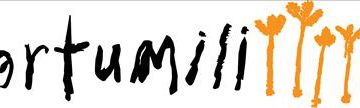
Kulyakartu

“My Country, Kulyakartu. I grew up there, from little boy to big boy grew up there.”

 – Muuki Taylor

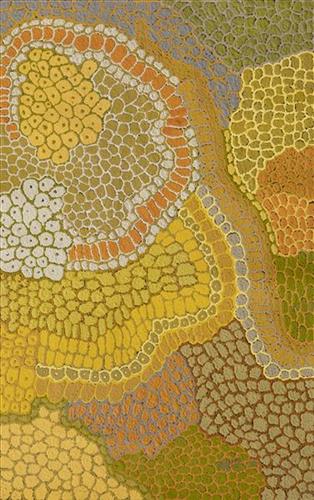
This painting depicts Kulyakartu, Muuki’s ngurra (home Country, camp). Kulyakartu is located in the far north of the Martu homelands, near the Percival Lakes region of Western Australia’s Great Sandy Desert. Muuki has extensive knowledge of the Country in this region, where he grew up living traditionally during the pujiman (traditional, desert dwelling) days with his family. Kulyakartu is mostly grass Country where there is very good hunting. In particular parnajarrpa (goanna), wild cats, and lunki (witchetty grub) are found in abundance here. There is no permanent water source in Kulyakartu, so Muuki’s family would walk here annually following the wantajarra (wet season). During the yalijarra (hot, dry season) they would head south again to more permanent water.

Muuki paints Kulyakartu in all its different seasonal stages. Often visible in his work is the patchwork nature of regrowth subsequent to the practice of waru (fire) burning that assists with hunting, regenerates growth, and encourages greater diversity in plant and animal life. This mosaic patterning is aligned with the five distinct Martu cyclical phases of burning and regrowth. First is nyurnma (freshly burnt Country) when Muuki is “making waru”. Following nyurnma are the rains and subsequent waru-waru, when young, bright green plants start to grow. Nyukura occurs between one and three years after burning, when plants have matured and are fruiting and seeding. Manguu is “when him finished”, four to six years post burning, and when spinifex has matured to the point that it can be burned once again. Finally, kunarka signifies the time when spinifex and other plant species have become old growth, and pose a risk of destructive bushfires.

111582155214


Mungilli Rock Holes

“I was swimming there. Yeah, we go visit them a long time [ago]. We drink it, rain water from the rain. Big waterhole. It’s a fresh water, when the rain comes, fills it up. One for swimming and another rock hole for drinking.”

– Marlene Anderson

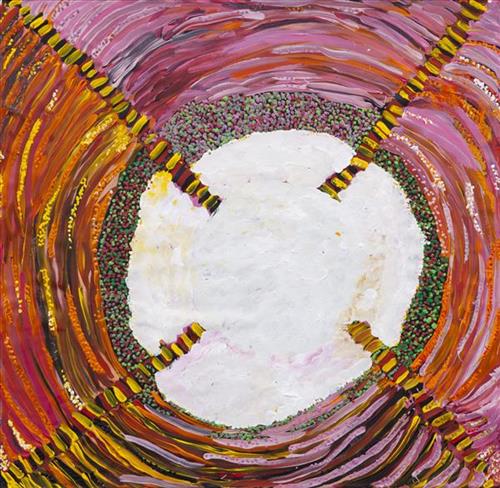
Mungilli is a small outstation community located just off the Eagle Highway in Western Australia, approximately 430 kilometres north east of Wiluna and 250 kilometres north of Warburton. Marlene grew up in Mungilli, and as such it forms a significant part of her ‘ngurra’ (home Country, camp).This work depicts a rock hole within Marlene’s’ ngurra (home Country, camp), typically Marlene depicts this site with a central large circular form, surrounded by satellite circles for water bodies.

During the pujiman (traditional, desert dwelling) period, knowledge of water sources was critical for survival, and today Martu Country is still defined in terms of the location and type of water. Each of the hundreds of claypans, rockholes, waterholes, soaks and springs found in the Martu desert homelands is known through real life experience and the recounting of Jukurrpa (Dreaming) narratives by name, location, quality and seasonal availability. This encyclopedic knowledge extends even to the nature and movement of arterial waterways, and sustained Martu as they travelled across their Country, hunting and gathering, visiting family, and fulfilling ceremonial obligations. They would traverse very large distances annually, visiting specific areas in the dry and wet season depending on the availability of water and the corresponding cycles of plant and animal life on which hunting and gathering bush tucker was reliant.