My Grandmothers Hill. ‘Bingyimarrida’ at Sunset
This is my grandmothers hill ‘Bingyimarrida’ at sunset.
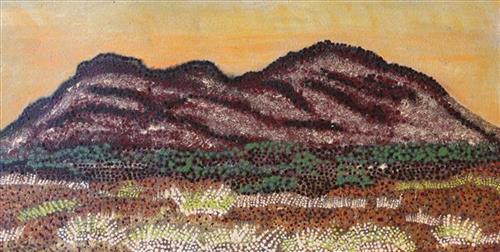
This is my grandmothers hill ‘Bingyimarrida’ at sunset.
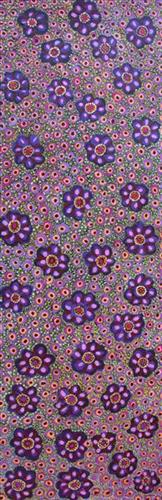
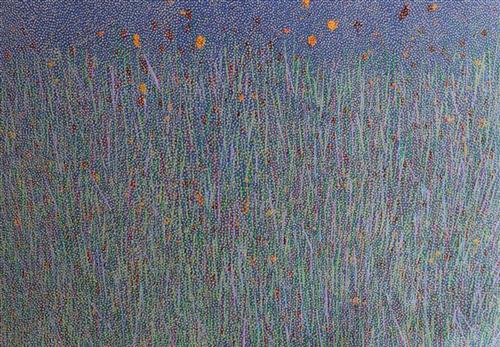
These are the lovely purple mulla mulla of my country. They grow wild and cover the dry, rocky ground.
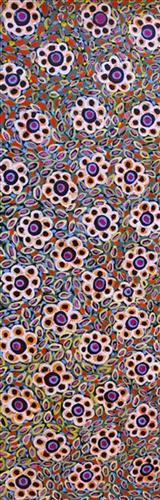
These are the lovely white Mulla Mulla of my country. You don’t see the white mulla mulla as often as the purple mulla mulla.
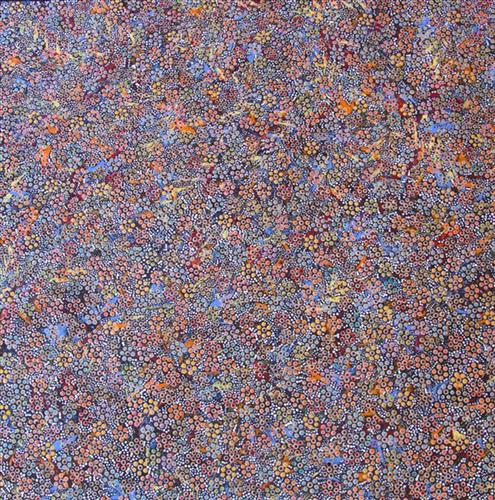
These are the Pilbara wildflowers that grow on the ground. There are so many different colours the carpet the country during flower season.
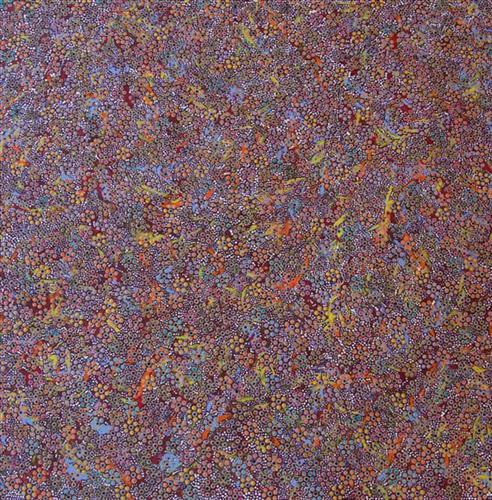
These are the Pilbara wildflowers that grow on the ground. There are so many different colours the carpet the country during flower season.
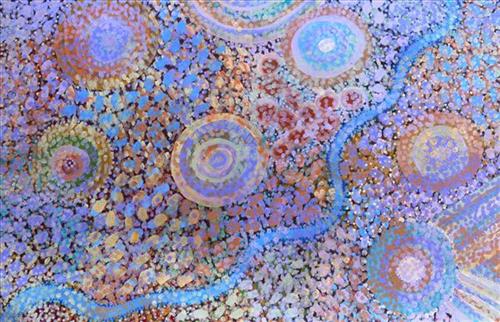
Pilbara is the country where we the Indjibarndi people live and share many of our Cultural stories and history that have been passed onto us by our ancestors, of how they used to walk through the flat country we call the (Table Lands) visiting family members at nearby stations.
Our country has so much to offer. Bush foods and medicine as well as animals such as Kangaroo,Emu,Goanna and Turkey.When the rains come our rivers are full and we all love to go out and spend the day fishing.We are also close to the ocean so we often go fishing there as well.During the holidays many of our families go bush to enjoy what the country offers the beauty of our country we see through our eyes wild flowers blooming as nature takes its course.Our country is still full of riches it always gives me joy to be a part of it we are connected to our land it is a part of who we are.
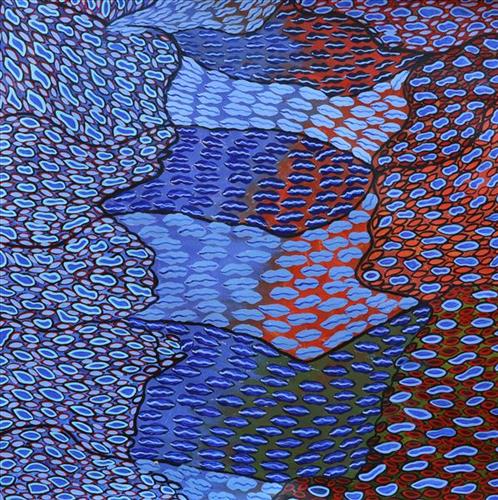
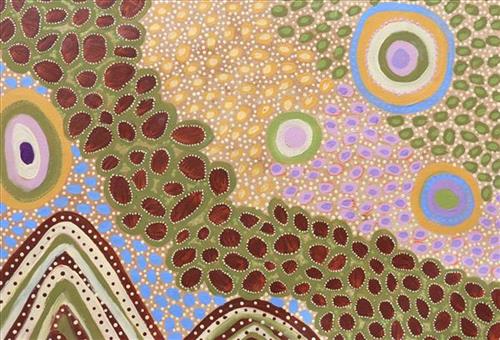
‘These are the colours of my country, the Pilbara. The reds and green of the earth and plants and the blues of the ocean’. In this painting, the two come together in the beautiful dance of colour and pattern.
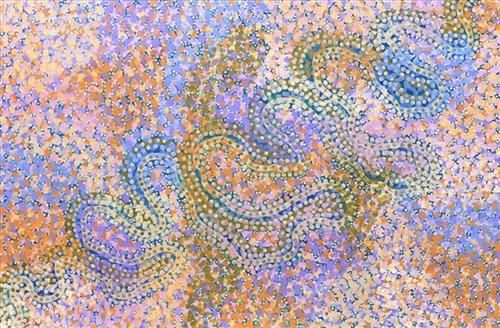
In spring I can never get over the beauty of these purple, Mulla Mulla’s when they are in bloom along with the other yellow, pink and white flowers, and the yellow Blue Gum flower. It’s like a beautiful garden that you never have to water.
In this painting I have depicted the pods of a shrub which is common in the Pilbara area. It is a smallish bush which comes into seed in September, when the Emu is visible in the Milky Way. This is the time the emu chicks hatch and it is one of their main sources of food. When the pod opens the parent emus feed the little black seeds to their chicks. The seed pod, which is about the size and the shape of a cockroach, turns from orange to yellow, so when all the bushes are in pod at different stages, there is a brilliant display of orange and yellow colours throughout the country. The official name of this annual shrub is Senna notabilis, but, due to the oblong, flat shape and the glossy golden brown colour of its pods, it is known commonly as Cockroach Bush. It has a little round fruit, a berry, that starts of green and turns red when it is ripe, but it’s poisonous. The shrub starts off as a light green colour and then, as it matures, it gets darker. The flowers are a yellowy orange and they, too, get darker with a bit of black as they are fading away.
When I was young I lived on a Station with my mum and dad. From there we could see the beautiful Hamersley Ranges and her changing colours.