11153973776


Status: Stock


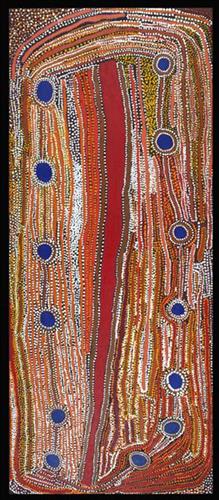
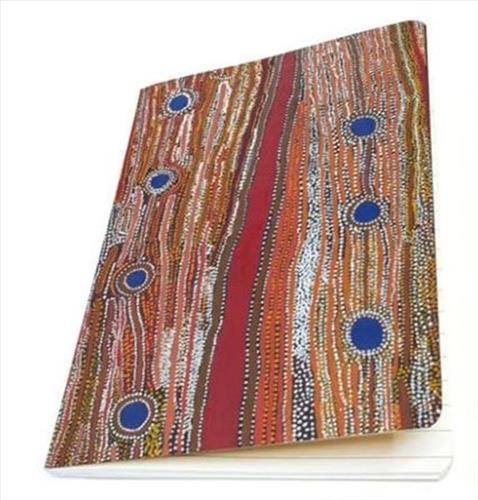
Sunday Well

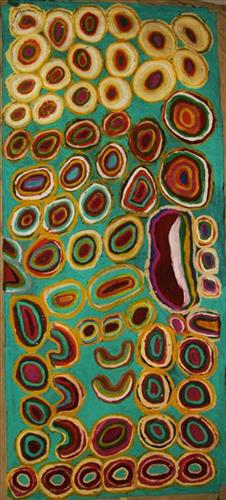
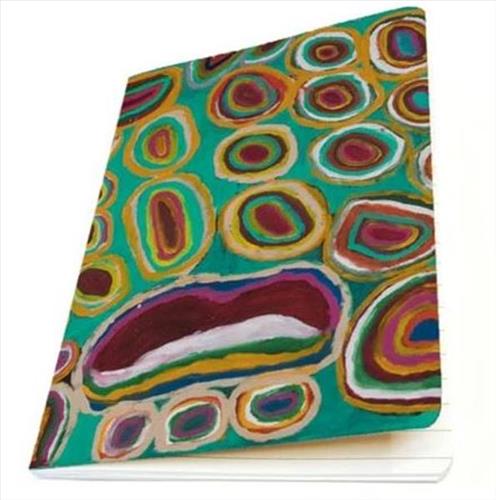
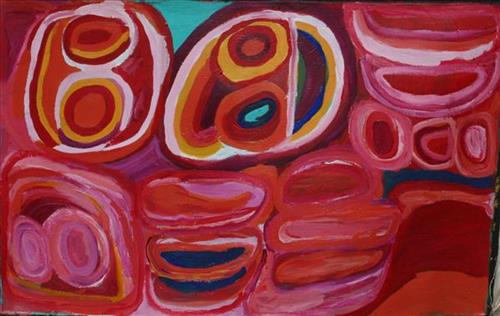
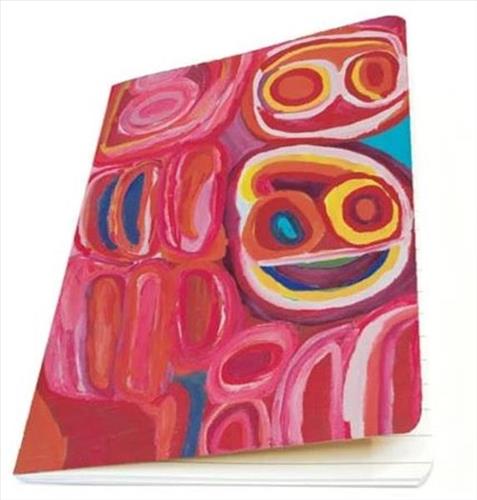
A lined, 24 page, A5 notebook with a cover featuring a detailed section from Dadda Samson’s painting ‘Sunday Well’. Sunday Well is an important historical location close to Jigalong Aboriginal Community. 

“People used to stay here. When people see the whitefella they used to run away, up to the hills and rocks. They were afraid of the whitefellas. My mother and my brothers ran away, right up to the Puntawarri because the whitefellas were shooting at the Martu people. They were sneaking in and the gun went off, and they all ran and just kept running and running until they got to Puntawarri.”

– Dadda Samson

11153973775


Status: Stock


Kun Kun

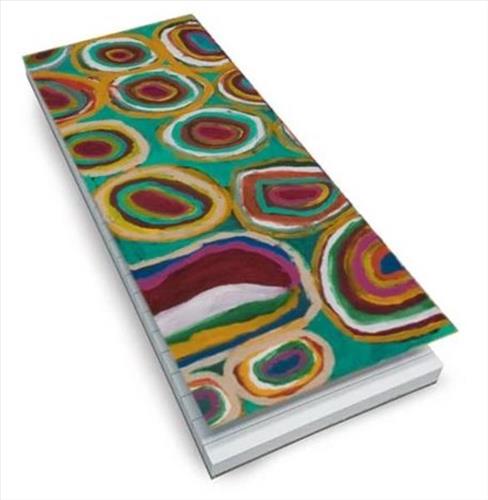
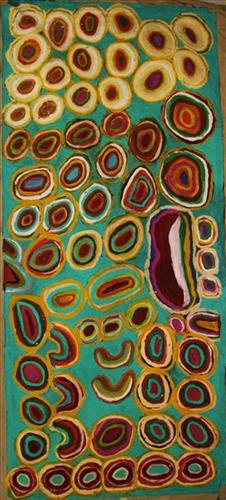
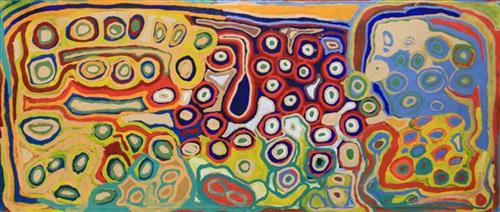
A lined, 24 page, A5 notebook with a cover featuring a detailed section from the collaborative work ‘Kun Kun’ by Martumili Artists Nora Nungabar, Nora Wompi, Bugai Whyoulter and Kumpaya Girgaba.

The central water in this painting is Kuny Kuny (Kun Kun), an important women’s site belonging to the Marlu Jukurrpa (Kangaroo Dreaming). This Jukurrpa is also significant within men’s law and contains elements restricted to initiated men and women.

Despite the title, there are 57 named sites in this painting, 11 of which are Canning Stock Route wells. These are places where the artists lived, where family members were born and died, and where ancestral beings left their power.

11153973774


Status: Stock


Minyipuru

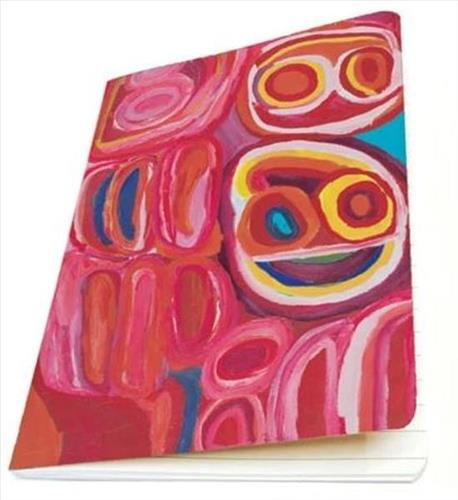
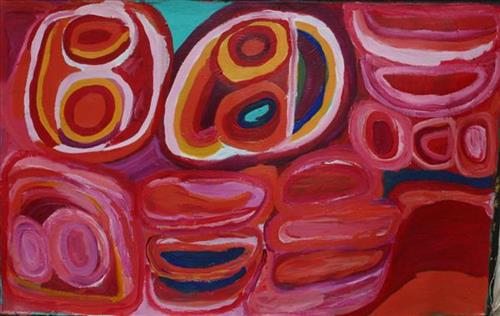
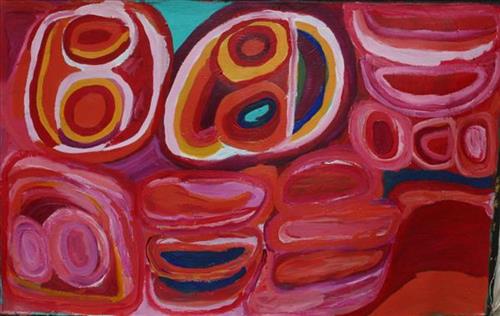
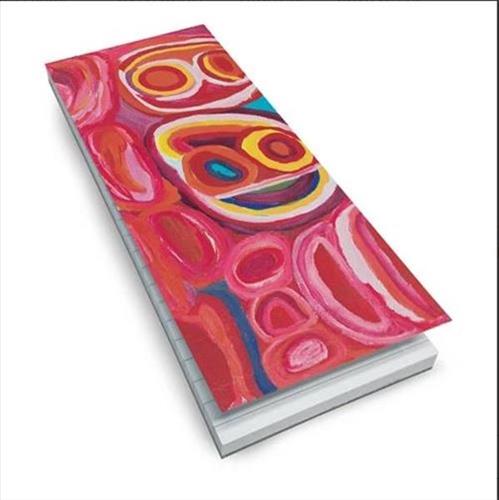
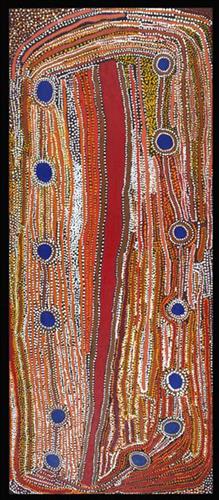
A lined, 24 page, A5 notebook with a cover featuring the collaborative artwork ‘Minyipuru’ by Martumili Artists Muni Rita Simpson, Rosie Williams and Dulcie Gibbs.

Sisters Muni, Rosie and Dulcie grew up in the Country depicted in this painting. But it is the epic story of the Seven Sisters or Minyipuru, which they have described here. In this story, the old man Yurla, who had been pursuing the sisters, captured one of the women at Parnkarpini, between wells 35 and 36. The Minyipuru tricked him and rescued her.

Poor old fella, he had a rough time. He was trying and trying and trying.

The Minyipuru promised to stay with the old man Yurla but, when he returned from collecting wood, they were floating above his head, teasing him. Yurla made a ladder but the sisters pushed it over and laughed at him. When he collapsed, exhausted, they rescued their sister and flew away.

11153973773


Status: Stock


Minyipuru

A lined, 24 page, A6 notebook with a cover featuring the collaborative artwork ‘Minyipuru’ by Martumili Artists Muni Rita Simpson, Rosie Williams and Dulcie Gibbs.

Sisters Muni, Rosie and Dulcie grew up in the Country depicted in this painting. But it is the epic story of the Seven Sisters or Minyipuru, which they have described here. In this story, the old man Yurla, who had been pursuing the sisters, captured one of the women at Parnkarpini, between wells 35 and 36. The Minyipuru tricked him and rescued her.

Poor old fella, he had a rough time. He was trying and trying and trying.

The Minyipuru promised to stay with the old man Yurla but, when he returned from collecting wood, they were floating above his head, teasing him. Yurla made a ladder but the sisters pushed it over and laughed at him. When he collapsed, exhausted, they rescued their sister and flew away.

11153973772


Status: Stock


Puntawarri, Jilakurru and Kumpupirntily

A lined, 24 page, A6 notebook with a cover featuring the collaborative artwork ‘Puntawarri, Jilakurru and Kumpupirntily” by Martumili Artists, and grandmother and granddaughter, Dadda Samson and Judith Samson.

Puntawarri, Jilakurru and Kumpupirntily are sites in Dadda’s ngurra (home country), which she has painted here with her granddaughter, Judith. Puntawarri is an important cultural area, on the middle stretches of the Canning Stock Route and east of the Jigalong Aboriginal Community, where the artists now live with their family. It is also the site of a now abandoned community, and a creek and lake. Jilakurra (Well 17 on the Canning Stock Route) is a permanent spring, and was a major meeting and ceremonial site in the pujiman (bush dwelling) era. Located here are many significant engravings and rock art, much of which are sacred to Martu people. Kumpupirntily (Lake Disappointment) is a large warla (salt lake) and one of the most sacred and dangerous sites in the far Western Desert. This is where the Ngayurnangalku (cannibal beings) live beneath the lake, surfacing only to feed on human flesh.

11153973771


Status: Stock


Sunday Well

A lined, 24 page, A6 notebook with a cover featuring a detailed section from Dadda Samson’s painting ‘Sunday Well’. Sunday Well is an important historical location close to Jigalong Aboriginal Community. 

“People used to stay here. When people see the whitefella they used to run away, up to the hills and rocks. They were afraid of the whitefellas. My mother and my brothers ran away, right up to the Puntawarri because the whitefellas were shooting at the Martu people. They were sneaking in and the gun went off, and they all ran and just kept running and running until they got to Puntawarri.”

– Dadda Samson
11153973770


Status: Stock


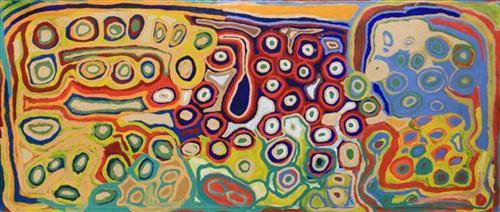
Puntawarri, Jilakurru and Kumpupirntily

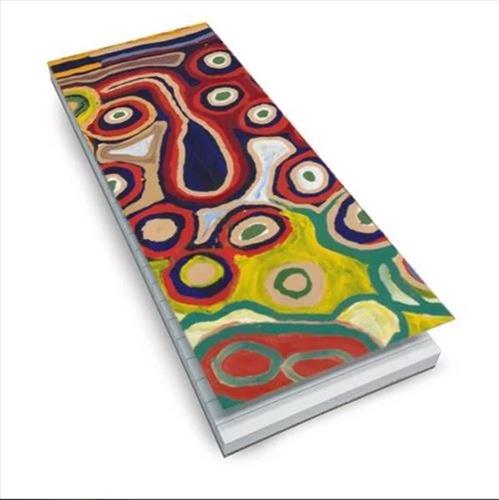
A useful 60 sheet pad for making lists with a front cover featuring a detailed section from the collaborative artwork ‘Puntawarri, Jilakurru and Kumpupirntily” by Martumili Artists, and grandmother and granddaughter, Dadda Samson and Judith Samson.

Puntawarri, Jilakurru and Kumpupirntily are sites in Dadda’s ngurra (home country), which she has painted here with her granddaughter, Judith. Puntawarri is an important cultural area, on the middle stretches of the Canning Stock Route and east of the Jigalong Aboriginal Community, where the artists now live with their family. It is also the site of a now abandoned community, and a creek and lake. Jilakurra (Well 17 on the Canning Stock Route) is a permanent spring, and was a major meeting and ceremonial site in the pujiman (bush dwelling) era. Located here are many significant engravings and rock art, much of which are sacred to Martu people. Kumpupirntily (Lake Disappointment) is a large warla (salt lake) and one of the most sacred and dangerous sites in the far Western Desert. This is where the Ngayurnangalku (cannibal beings) live beneath the lake, surfacing only to feed on human flesh.

11153973769


Status: Stock


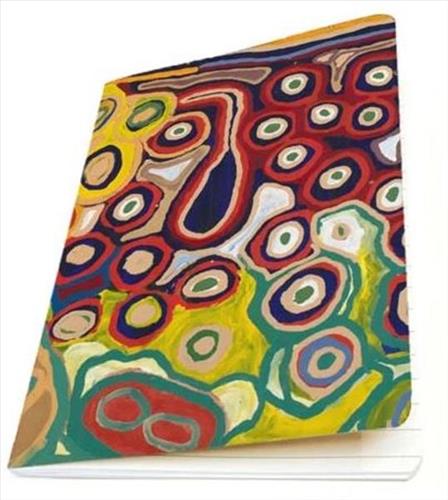
Sunday Well – Dadda Samson

A useful 60 sheet pad for making lists with a front cover featuring a detailed section from Dadda Samson’s painting, ‘Sunday Well’. Sunday Well is an important historical location close to Jigalong Aboriginal Community. 

“People used to stay here. When people see the whitefella they used to run away, up to the hills and rocks. They were afraid of the whitefellas. My mother and my brothers ran away, right up to the Puntawarri because the whitefellas were shooting at the Martu people. They were sneaking in and the gun went off, and they all ran and just kept running and running until they got to Puntawarri.”

– Dadda Samson


11153973768


Status: Stock


Kun Kun

A useful 60 sheet pad for making lists with a front cover featuring a detailed section from the collaborative work ‘Kun Kun’ by Martumili Artists Nora Nungabar, Nora Wompi, Bugai Whyoulter and Kumpaya Girgaba.

The central water in this painting is Kuny Kuny (Kun Kun), an important women’s site belonging to the Marlu Jukurrpa (Kangaroo Dreaming). This Jukurrpa is also significant within men’s law and contains elements restricted to initiated men and women.

Despite the title, there are 57 named sites in this painting, 11 of which are Canning Stock Route wells. These are places where the artists lived, where family members were born and died, and where ancestral beings left their power.

11153973767


Status: Stock


Minyipuru

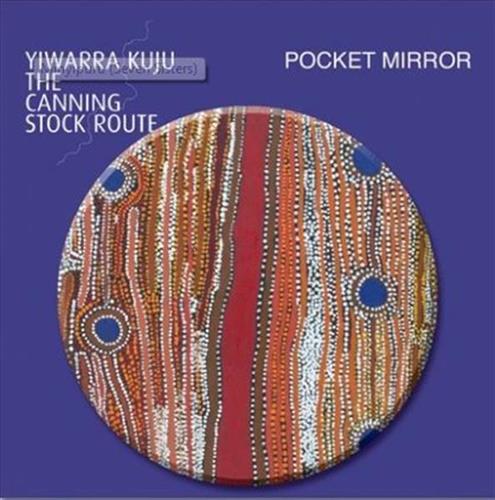
77mm diameter mirror packaged with display card in clear bag, featuring the collaborative artwork ‘Minyipuru ‘ by Martumili Artists Muni Rita Simpson, Rosie Williams and Dulcie Gibbs.

Sisters Muni, Rosie and Dulcie grew up in the Country depicted in this painting. But it is the epic story of the Seven Sisters or Minyipuru, which they have described here. In this story, the old man Yurla, who had been pursuing the sisters, captured one of the women at Parnkarpini, between wells 35 and 36. The Minyipuru tricked him and rescued her.

Poor old fella, he had a rough time. He was trying and trying and trying.

The Minyipuru promised to stay with the old man Yurla but, when he returned from collecting wood, they were floating above his head, teasing him. Yurla made a ladder but the sisters pushed it over and laughed at him. When he collapsed, exhausted, they rescued their sister and flew away.