111982136070


Ngarrbek Echidna

It is well known that Aboriginal art often depicts images of sacred totems or dreamings of Aboriginal culture. However, the world of the non-sacred also provides a rich source of subject matter for Aboriginal art. Much of the rock art of western Arnhem Land for example features secular topics such as common food animals and plants, depicted because of their economic importance but also merely because of their existence in the environment.

Eastern Kunwinjku art is well known for its relationship to rock art in the Mann River region. A number of rock art sites in this region depict images of echidnas. One local Mann River mythology tells of the rock spirits called Mimih who keep a pet echidna which can take on the form of a dog called Djamuwanki Thus the painting of animals such as this echidna (Tachyglossus aculeatus), ngarrbek in Kunwinjku language, represents the animal as a food source, a personal totem and a reference to popular mythology
111982136068


Ngarrbek Echidna

It is well known that Aboriginal art often depicts images of sacred totems or dreamings of Aboriginal culture. However, the world of the non-sacred also provides a rich source of subject matter for Aboriginal art. Much of the rock art of western Arnhem Land for example features secular topics such as common food animals and plants, depicted because of their economic importance but also merely because of their existence in the environment.

Eastern Kunwinjku art is well known for its relationship to rock art in the Mann River region. A number of rock art sites in this region depict images of echidnas. One local Mann River mythology tells of the rock spirits called Mimih who keep a pet echidna which can take on the form of a dog called Djamuwanki Thus the painting of animals such as this echidna (Tachyglossus aculeatus), ngarrbek in Kunwinjku language, represents the animal as a food source, a personal totem and a reference to popular mythology
111982136067


Ngarrbek Echidna

It is well known that Aboriginal art often depicts images of sacred totems or dreamings of Aboriginal culture. However, the world of the non-sacred also provides a rich source of subject matter for Aboriginal art. Much of the rock art of western Arnhem Land for example features secular topics such as common food animals and plants, depicted because of their economic importance but also merely because of their existence in the environment.

Eastern Kunwinjku art is well known for its relationship to rock art in the Mann River region. A number of rock art sites in this region depict images of echidnas. One local Mann River mythology tells of the rock spirits called Mimih who keep a pet echidna which can take on the form of a dog called Djamuwanki Thus the painting of animals such as this echidna (Tachyglossus aculeatus), ngarrbek in Kunwinjku language, represents the animal as a food source, a personal totem and a reference to popular mythology
377810582135933


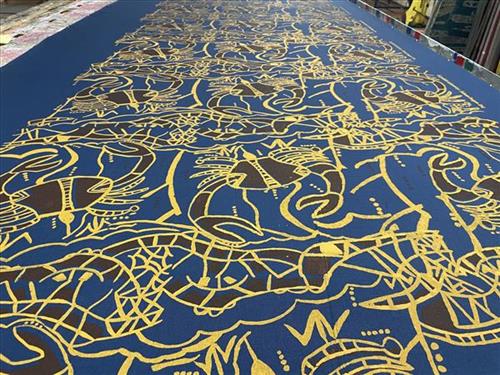
Rrugurrgurda (Mud Crab)

This design tells the story of Elizabeth’s homeland – a dreaming place, a good dreaming place with plentiful mud crabs. Elizabeth’s homeland lies east of Maningrida, at the mouth of Blyth river. This country is known for a large spiritual mud crab, which lives in the area.

Many families go and collect crabs to eat there with long sticks, or collect directly from the shores. Mud crabs hide in the muddy bottoms of estuaries and mangrove forests in areas surrounding Maningrida. After a king tide, a large cyclical tide that bring the crabs out from the mangroves, it is a good time to find crabs.

Rrugurrgurda (mud crabs) is pronounced Ahh-rewg-gurd-gurda in the Burarra language. Rrugurrgurda are good baladji (bush food in Burarra) and can be caught all year round. They are put on the fire to cook and they are ready when they turn a bright orange colour.

377810582135880


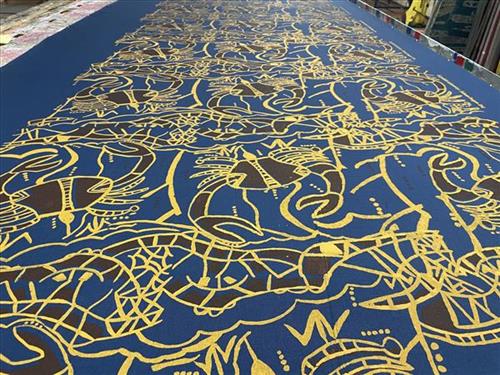
Rrugurrgurda (Mud Crab)

This design tells the story of Elizabeth’s homeland – a dreaming place, a good dreaming place with plentiful mud crabs. Elizabeth’s homeland lies east of Maningrida, at the mouth of Blyth river. This country is known for a large spiritual mud crab, which lives in the area.

Many families go and collect crabs to eat there with long sticks, or collect directly from the shores. Mud crabs hide in the muddy bottoms of estuaries and mangrove forests in areas surrounding Maningrida. After a king tide, a large cyclical tide that bring the crabs out from the mangroves, it is a good time to find crabs.

Rrugurrgurda (mud crabs) is pronounced Ahh-rewg-gurd-gurda in the Burarra language. Rrugurrgurda are good baladji (bush food in Burarra) and can be caught all year round. They are put on the fire to cook and they are ready when they turn a bright orange colour.

377810582135878


Rrugurrgurda (Mud Crab)

This design tells the story of Elizabeth’s homeland – a dreaming place, a good dreaming place with plentiful mud crabs. Elizabeth’s homeland lies east of Maningrida, at the mouth of Blyth river. This country is known for a large spiritual mud crab, which lives in the area.

Many families go and collect crabs to eat there with long sticks, or collect directly from the shores. Mud crabs hide in the muddy bottoms of estuaries and mangrove forests in areas surrounding Maningrida. After a king tide, a large cyclical tide that bring the crabs out from the mangroves, it is a good time to find crabs.

Rrugurrgurda (mud crabs) is pronounced Ahh-rewg-gurd-gurda in the Burarra language. Rrugurrgurda are good baladji (bush food in Burarra) and can be caught all year round. They are put on the fire to cook and they are ready when they turn a bright orange colour.

222281980998


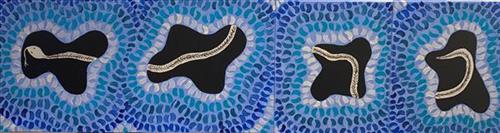
Dreamtime Serpent

In Aboriginal society this represents one of the great and powerful forces of nature and spirit. Connected to water, the serpent is the great life giver in its spiritual home the water.