377810582189119


Ngalyod

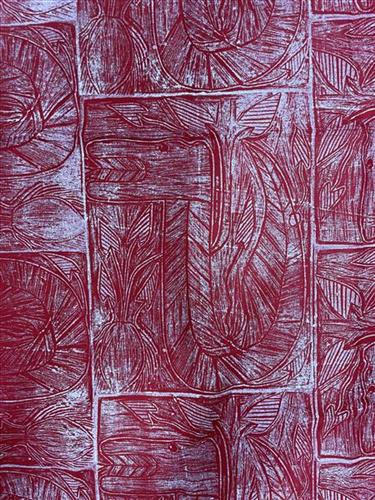
Ngalyod (Rainbow serpent)

Rainbow spirit coming from billabong.

Rainbow serpent dreaming.  Coming from billabong, that place we call billabong where that ngalyod (rainbow serpent) lives.

All that wayuk (waterlily), all them kundalk (grass) and pandanus, making skirt.

That’s the story now. – Jennifer Wurrkidj


.Rainbow serpent, daughter of the Mother One Rainbow Yingarna. The rainbow serpent is a central figure in traditional Bininj religion. She is the creator of places and is active during the wet season and is asssociated with rain and bodies of water. Rainbow serpents live in deep waterholes and rivers. Marrkidjbu are able to discern their presence and control them.’

Source – https://www.njamed.com/
115682189529


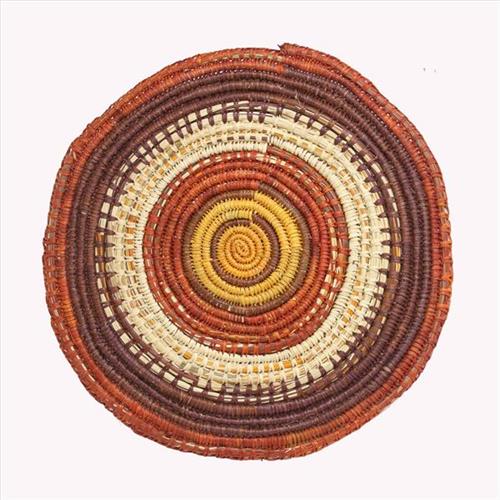
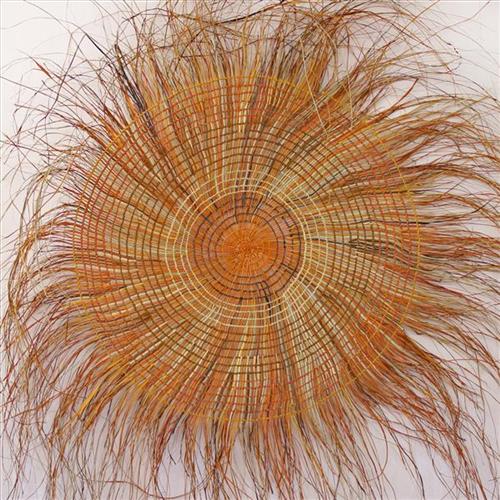
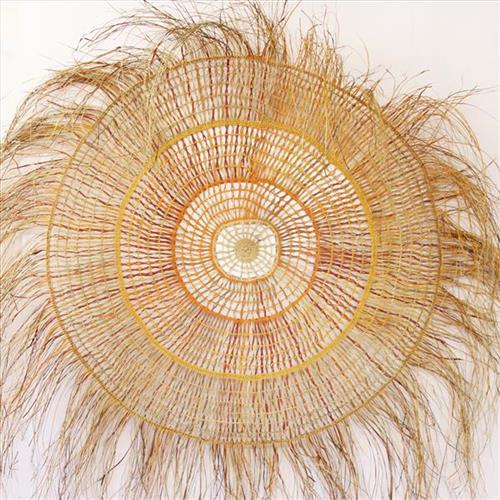
Woven Mat

Traditionally, Nganiyal (conical mats) were used as an insect screen when erected, and as a sitting mat when folded. They are used in Ceremony as well as a functional item. 

Nowadays, artists weave many different shapes including flat, round and oblong. 

115682189231


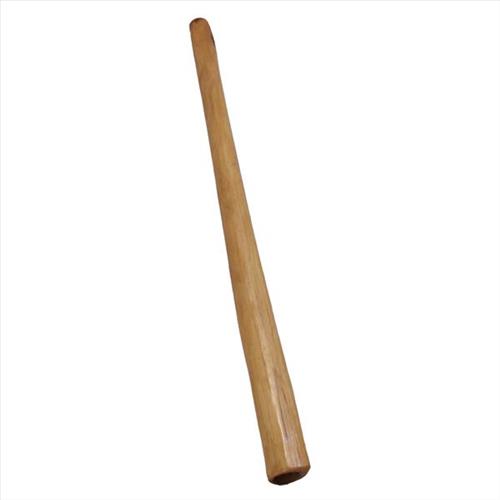
Yidaki

Yidaki have been used instrumentally throughout ceremonial practices for millennia. Made from the Gadayka (Stringy Bark) or Gunurru trees that have been hollowed out by white ants and then cut to size and cleaned out to give the desired sound. 

These are used for Bungguls (ceremonies), at Dhapi (initiation) and Maradjirri (exchange rituals).

115682189213


Woven Mat

Traditionally, Nganiyal (conical mats) were used as an insect screen when erected, and as a sitting mat when folded. They are used in Ceremony as well as a functional item. 

Nowadays, artists weave many different shapes including flat, round and oblong. 

115682189203


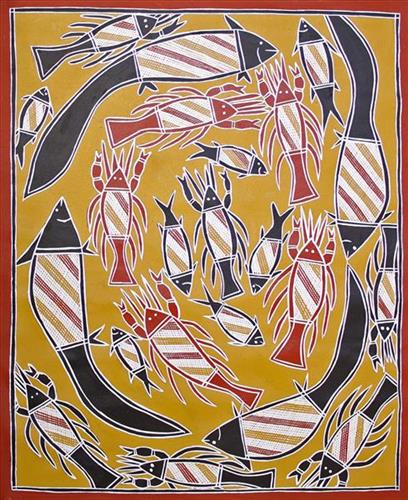
Giny’kiny (Catfish)

Giny’kiny (cat fish) are a totemic species significant to the Gupapuyngu clan. They are represented through storylines and songlines through art and bunggul (dance). The lines in the painting depict the ripples in which the Giny’kiny created when swimming through the shallow waters. During bunggul (dance) the ripples are depicted through the use of string and the barbs of the Giny’kiny are represented by holding out spears. Peter says “when we dance we imagine we are catfish, our mind leaves our human body and goes to our spirit”. The songline is performed at different bungguls such as dhapi (boys initiation ceremony) and bapurru (funeral) in which is performed to assist the deceased persons spirit to go home.

115682189201


Malka (Ceremonial Head Wear)

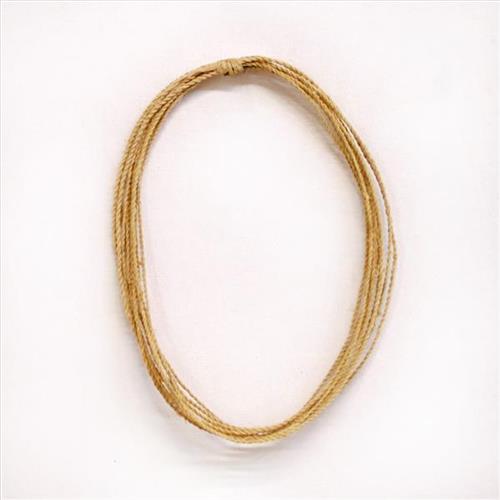
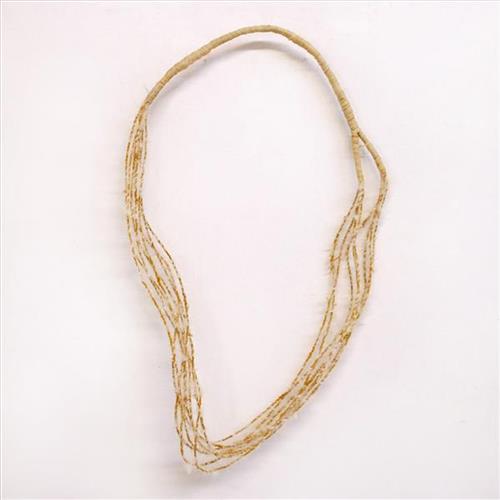
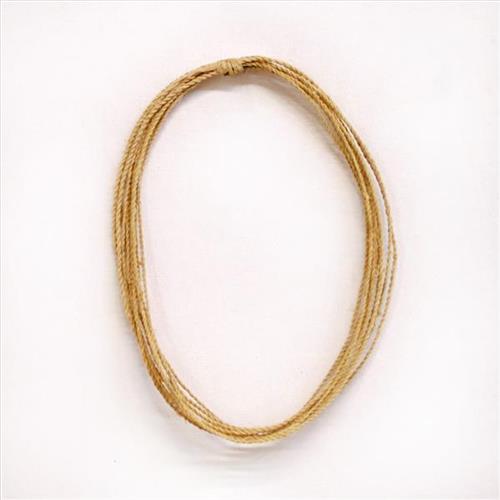
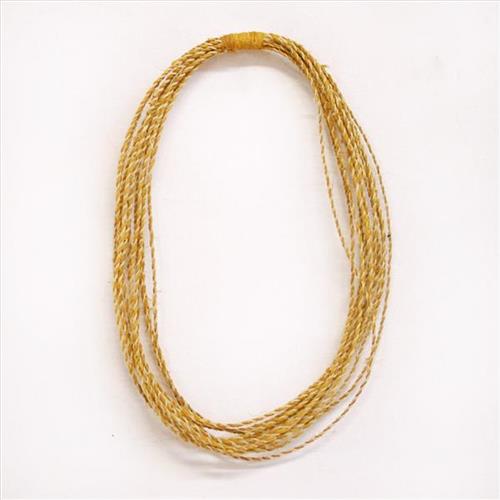
Malka are ceremonial head adornments made from balgurr (Kurrajong). The bark is stripped from the tree, smashed with a rock to soften then boiled, sometimes with natural bush dyes. The balgurr is then rolled in the a rope then used to create ceremonial wear. 

115682189200


Matjka (Ceremonial Body Wear)

Matjka are ceremonial body adornments made from balgurr (Kurrajong). The bark is stripped from the tree, smashed with a rock to soften then boiled, sometimes with natural bush dyes. The balgurr is then rolled in the a rope then used to create ceremonial wear. 

115682189199


Malka (Ceremonial Head Wear)

Malka are ceremonial head adornments made from balgurr (Kurrajong). The bark is stripped from the tree, smashed with a rock to soften then boiled, sometimes with natural bush dyes. The balgurr is then rolled in the a rope then used to create ceremonial wear. 

115682189198


Malka (Ceremonial Head Wear)

Malka are ceremonial head adornments made from balgurr (Kurrajong). The bark is stripped from the tree, smashed with a rock to soften then boiled, sometimes with natural bush dyes. The balgurr is then rolled in the a rope then used to create ceremonial wear. 

115682189196


Woven Mat

Traditionally, Nganiyal (conical mats) were used as an insect screen when erected, and as a sitting mat when folded. They are used in Ceremony as well as a functional item. 

Nowadays, artists weave many different shapes including flat, round and oblong.