359709482233857


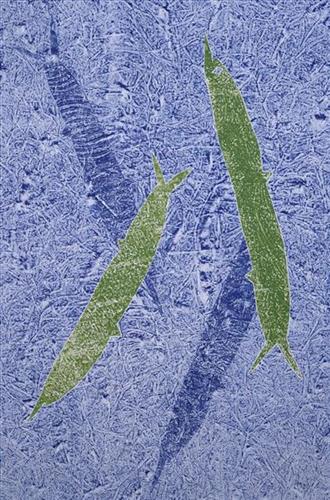
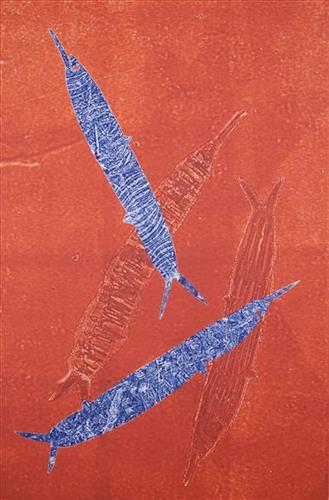
Pencil Zaber

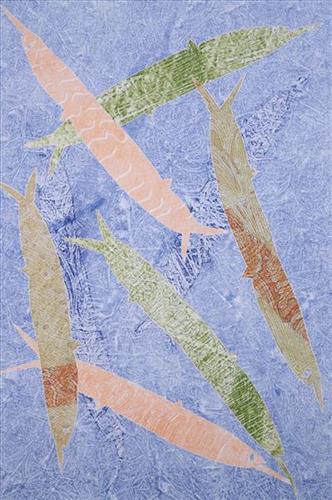
Pencil zaber is where some of the some of the zaber is longer and skinny and would sometimes swim in smaller schools or sometimes by them selves sometimes when its high tide here on Kubin and I would go swimming on the beach they would sometimes swim very closely sometimes

359709482233854


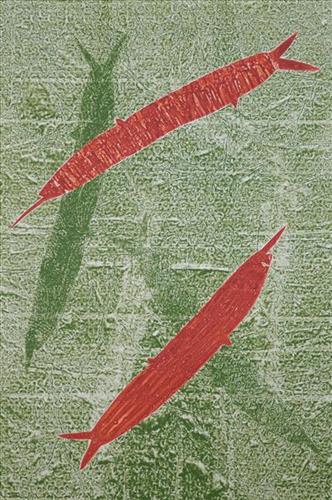
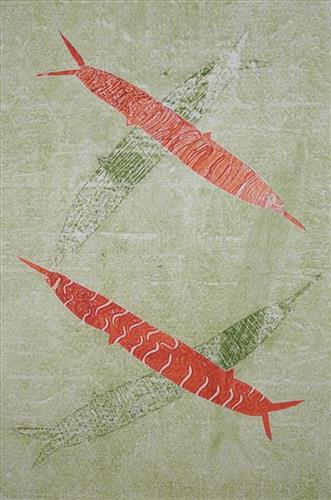
Pencil Zaber

Pencil zaber is where some of the some of the zaber is longer and skinny and would sometimes swim in smaller schools or sometimes by them selves sometimes when its high tide here on Kubin and I would go swimming on the beach they would sometimes swim very closely sometimes.

359709482233849


Pencil Zaber

Pencil zaber is where some of the some of the zaber is longer and skinny and would sometimes swim in smaller schools or sometimes by them selves sometimes when its high tide here on Kubin and I would go swimming on the beach they would sometimes swim very closely sometimes.

359709482233846


Pencil Zaber

Pencil zaber is where some of the some of the zaber is longer and skinny and would sometimes swim in smaller schools or sometimes by them selves sometimes when its high tide here on Kubin and I would go swimming on the beach they would sometimes swim very closely sometimes.

359709482233843


Pencil Zaber

Pencil zaber is where some of the some of the zaber is longer and skinny and would sometimes swim in smaller schools or sometimes by them selves sometimes when its high tide here on Kubin and I would go swimming on the beach they would sometimes swim very closely sometimes.

359709482233837


Pencil Zaber

Pencil zaber is where some of the some of the zaber is longer and skinny and would sometimes swim in smaller schools or sometimes by them selves sometimes when its high tide here on Kubin and I would go swimming on the beach they would sometimes swim very closely sometimes.

111580606378


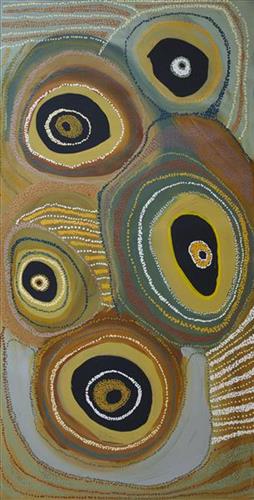
Wangkakalu

“The jila (snake) is in the kapi (water) at Wangkakalu. There is kujarra (two), jila and his nyupa (spouse). He’s a quiet one.”

 – Bugai Whyoulter

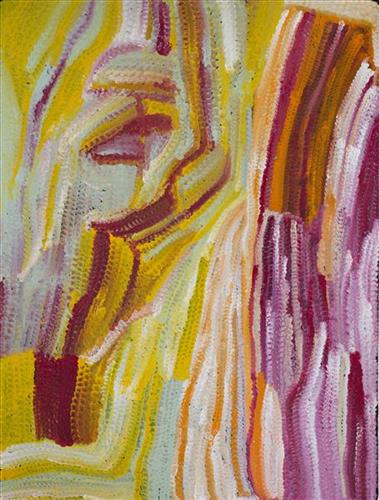
Wangkakalu is a claypan and special meeting place to the southeast of Parnngurr Aboriginal Community, and within the Mckay Ranges. The landscape at Wangkakalu is characterised by especially large tuwa (sandhills). Large numbers of Martu people would gather regularly for ceremonies at this yinta (permanent spring). When the other claypans and yinta in the area overflow with water, the excess runoff collects here. Wangkakalu forms part of Bugai’s ngurra (home Country, camp) through her father. She first travelled to Wangkakalu with her family as a little girl. The family again visited Wangkakalu when Bugai was ‘big girl’ with the Biljabu and Yubena family. 

During the pujiman (traditional, desert dwelling) period, Martu would traverse very large distances annually in small family groups, moving seasonally from water source to water source, and hunting and gathering bush tucker as they went. At this time knowledge of water sources was critical for survival, and today Martu Country is still defined in terms of the location and type of water. Each of the hundreds of claypans, rockholes, waterholes, soaks and springs found in the Martu desert homelands is known by name, location, quality and seasonal availability through real life experience and the recounting of Jukurrpa (Dreaming) narratives. 

As described by Bugai, Wangkakalu is also home to an ancestral jila (snake). The Western Desert term jila is used interchangeably to describe springs considered to be ‘living’ waters and snakes, both of which play a central role in Martu culture and Jukurrpa. Of the many permanent springs in Martu Country, very few are ‘living waters’; waters inhabited by jila. Before they became snakes, these beings were men who made rain, formed the land and introduced cultural practices like ceremonies and ritual songs. Some of the men travelled the desert together, visiting one another, but they all ended their journeys at their chosen spring alone, transformed into a snake. These important springs are named after their jila inhabitant, guarding their waters. Speaking of the ‘quick one’ jila at Wangkakalu, Bugai says that when visiting the site a fire must be lit to keep the snake that lives in the depths of the yinta from surfacing.

111582231924


Kaalpa (Kalypa, Canning Stock Route Well 23)

“Kaalpa (Kalypa, Canning Stock Route Well 23) is my grandfather’s Country. There’s a waterhole there, Kaalpa waterhole. It’s my two pops’ Country. They been walking around, hunting around Kaalpa. You can see a yapu (rock), warla (lake), claypans, karru (creek) and tuwa (sandhills) there. It’s on the [Canning] Stock Route, it’s Well 23.  

In pujiman (traditional, desert dwelling) days, pujimanpa (desert born people) walking around all this Country. My pops told me about that place, a big flat area, parlkarra (flat country) good for hunting parnajarrpa (goanna), lunki (witchetty grub), lungkurta (blue tongue lizard), wamurla (bush tomato), jinyjiwirrilyi (wild gooseberry). Kaalpa is a busy place for emus getting a drink. 

I went [to Kaalpa] for the first time [in 2018] on a Martumili KJ [Kanyirninpa Jukurrpa] trip. I went hunting there, got a parnajarrpa. When I went there, I was pukurlpa (happy). It made you open up your spirit, it feels like home.”

 – Corban Clause Williams

Kaalpa is a permanent water source located northeast of Kumpupirntily (Kumpupintily, Lake Disappointment). This site is a place of great cultural significance, and is also known for good hunting. Adjacent to the waterhole is a hill of the same name. The landscape around Kaalpa is parlkarra (flat country), bordered by tali (sandhills) stretching as far as Windy Corner, northeast and towards the border of Western Australia and the Northern Territory. The large and dangerous Jukurrpa (Dreamtime) mosquito and fly beings partially created the landforms in this area and continue to live underground here.

Kaalpa also features in the Minyipuru (Jakulyukulyu, Seven Sisters) Jukurrpa, a central creation narrative for Martu, Ngaanyatjarra, Pitjantjatjara and Yankunytjatjara people that is associated with the seasonal Pleiades star constellation. At Kaalpa the Minyipuru met a group of men; it was the first time either group had seen members of the opposite sex. The men tried to grab the women, but the Minyipuru chased them, hitting them with their digging sticks and leaving them lying there as they continued travelling east.

Relayed in song, dance, stories and paintings, Minyipuru serves as a creation narrative, a source of information relating to the physical properties of the land, and an embodiment of Aboriginal cultural laws. Beginning in Roebourne on the west coast of Western Australia, the story morphs in its movement eastward across the land, following the women as they walk, dance, and even fly from waterhole to waterhole. As they travel the women camp, sing, wash, dance and gather food, leaving markers in the landscape and creating landforms that remain to this day, such as groupings of rocks and trees, grinding stones and seeds. During the entirety of their journey the women are pursued by a lustful old man, Yurla, although interactions with other animals, groups of men, and spirit beings are also chronicled in the narrative.

The intersection of the Canning Stock Route with Kaalpa also made this a site of early contact with Europeans for many Martu then living a pujiman life in the desert. Following the route’s construction, Martu encountered Europeans and other Martu working as cattle drovers as they would travel up and down the Stock Route from water source to water source. Increasingly, pujimanpa followed the route to newly established ration depots, mission and pastoral stations. They were drawn to the route in search of food, by a sense of curiosity, or by loneliness. By the late 1950s and early 1960s, most of the desert family groups had left the desert. Eventually, these factors combined with an extreme and prolonged drought in the 1960s to prompt the few remaining pujimanpa to move in from the desert.
222082232261


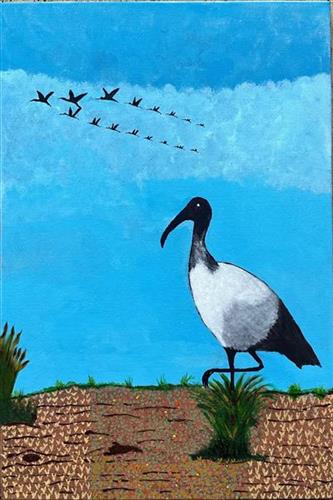
Ibis

In many ways this art of the ibis reminds me of our people belonging to a huge flock or family but goes out on its own gathering food. Like the birds and animals that we paint and draw we mimic many of them in our culture. It may just look like a bird/ibis but there is so much more to it

222082232051


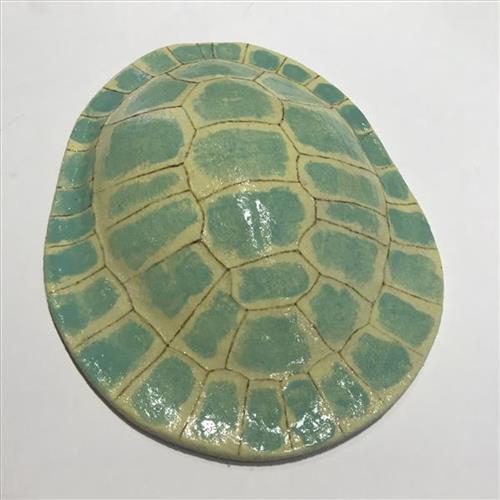
Bayadherra Shell (medium green, yellow & brown)

Bayadherra shell created from a mould taken from a found turtle shell, raku with coloured glaze applied.