115682227562


Woven Mat

Traditionally, Nganiyal (conical mats) were used as an insect screen when erected, and as a sitting mat when folded. They are used in Ceremony as well as a functional item. 

Nowadays, artists weave many different shapes including flat, round and oblong. 

115682227560


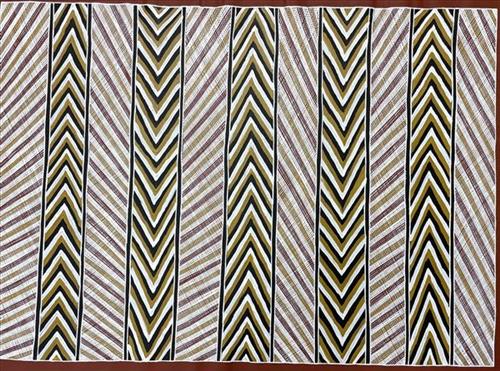
Lungurrma (North-east Wind)

Lungurrma (North-east Wind) heralds the new season when seas are calm and new growth starts. The months for this type of wind are October to December. There are big clouds without thunder or rain. The triangular patterning represents monsoon clouds ‘standing up’ on the northern horizon. The Lunggurrma design belongs to the Yirritja moiety clans linked to this design are known as the ‘line of clouds’ clans

115682227514


Bathi (Pandanus Basket)

Bathi are woven from the split leaves of the Screw Palm (Pandanus Spiralis). Coil weaving was introduced to Arnhem Land in the 1930s. It was adapted from techniques used by Indigenous women throughout South East Australia.

115682227513


Bathi (Pandanus Basket)

Bathi are woven from the split leaves of the Screw Palm (Pandanus Spiralis). Coil weaving was introduced to Arnhem Land in the 1930s. It was adapted from techniques used by Indigenous women throughout South East Australia.

115682227512


Bathi (Pandanus Basket)

Bathi are woven from the split leaves of the Screw Palm (Pandanus Spiralis). Coil weaving was introduced to Arnhem Land in the 1930s. It was adapted from techniques used by Indigenous women throughout South East Australia.

115682227493


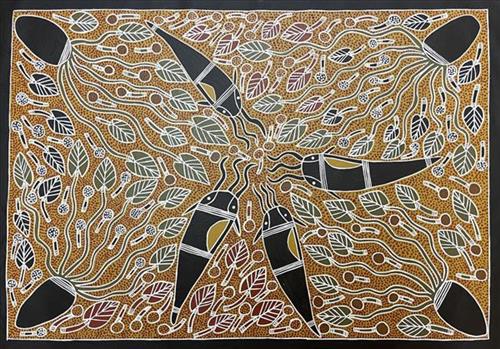
Evonne’s Buliya (catfish) dhawu (story)

In this painting, Evonne has painted her mother’s dreaming of Buliya (catfish). This is a freshwater story from Ganalbingu country in the Arafura Wetlands.

115682227492


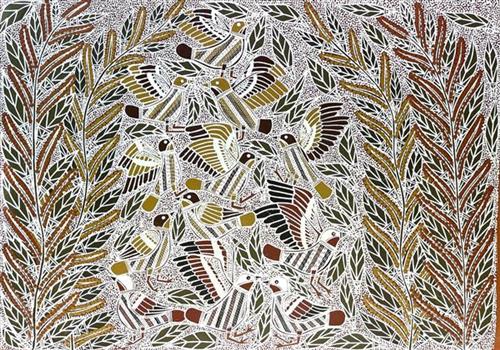
Lidjilidji (Crimson finches)

This artwork represents totemic finches. These birds herald the beginning of the dry season and are associated with the Ganalbingu clan. Lidji Lidji are also represented in ceremonial song and dance.

359709481947714


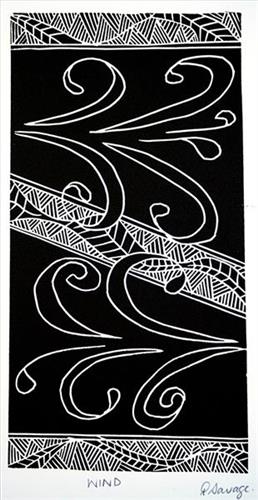
Wind

This print is based on certain days that are good to travel into Thursday Island before this big wind picks up.


Art Centre notes:

The artwork is a lino print, printed on BFK Rives paper (100% cotton rag with strong archival properties). 


359709482052918


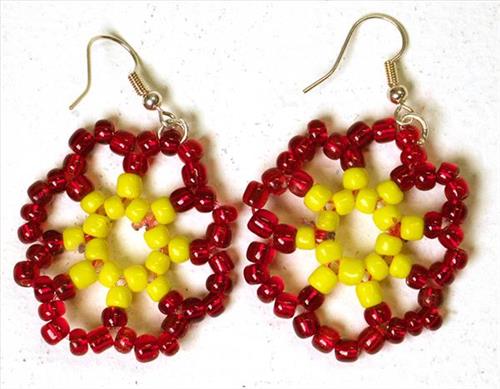
Moa Island Style – Earrings (Bead Work)

Moa Arts (Ngalmun Lagau Minaral) is an Indigenous-owned and operated art centre on Mua Island in the Torres Strait western cluster of islands. One of the primary aims of the art centre is to keep Muglal traditions of Zenadth Kes arts and culture strong for everyone through the production and sale of art.

The reputation of Moa Arts is built on the calibre of its limited edition lino-prints, etchings, weavings and island-style jewellery. Creative inspiration for these works comes from Mualgal ancestral stories, totemic representation and connections to sea, land, sky and family. Mua’s artists don’t have to look far to be inspired. The island and its surrounding waters and reefs hold a diverse set of land and marine ecosystems with niches for many rare and unique species such as dugong and sea turtle.

Art Centre notes: 

These earrings are made from glass beads and fishing line following traditional colour palettes. The findings are sterling silver.
359709482080913


Baidamau Gapu

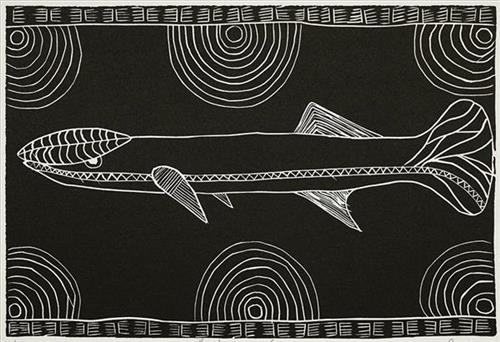
This artwork is inspired by my late Grandfather. Mr Naizel Tomsana known to the village as Athe Apol. My mother’s father is from Bad Isalnd, she would tell me stories of how they were always together. My Athe is a storyteller, he inivtes the whole village into his yard and they would sit around the fireplace while he yarns, it is also through his way of passing down his linage and culture especially his stories of his TOTEM’s.

This is my totem, ngai (I)  Baidamau Gapu (suckerfish).