225182262394


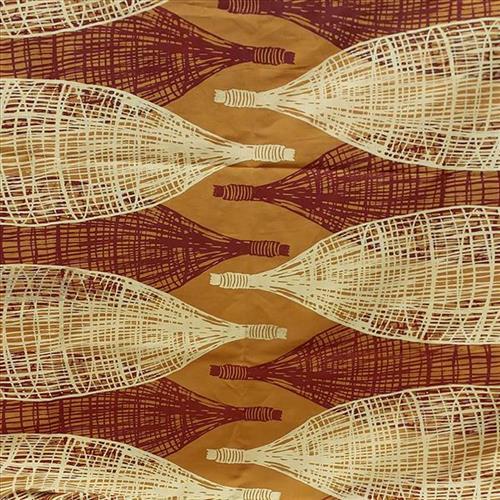
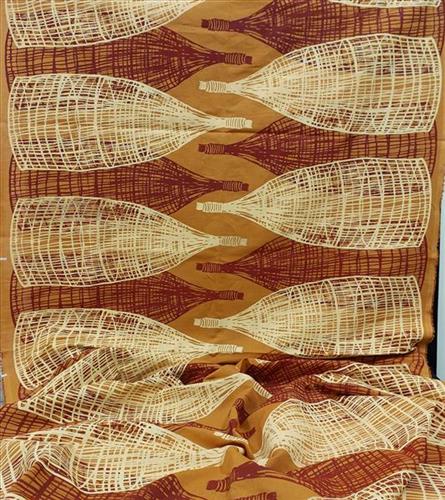
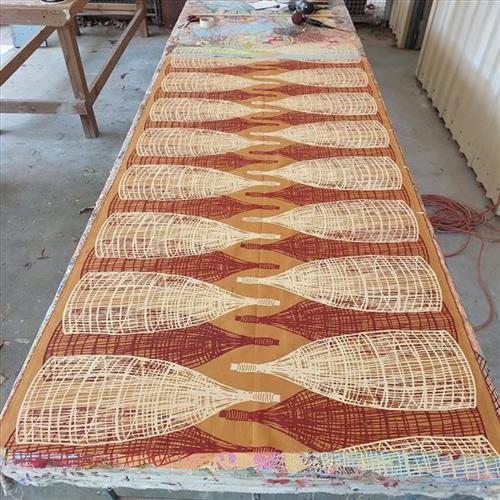
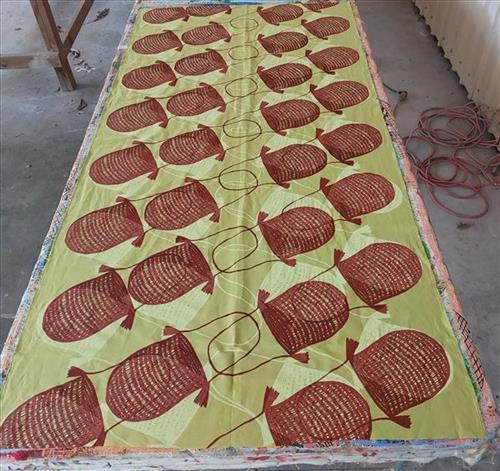
Makarr (Fish Trap)

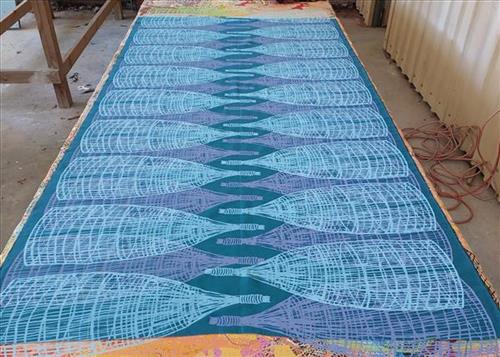
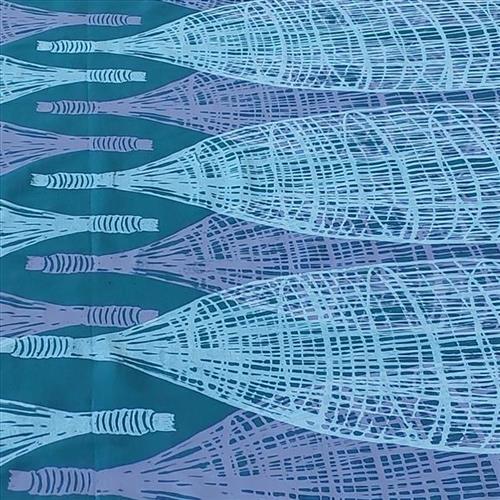
Fish traps are called Makarr in our language. They were made by men only. Our fathers and uncles used to make them with the lawyer vine. They stripped the stems and then soaked them in the river to keep them soft and bendy. They also had a special way of weaving the fish traps. They used them in the river to catch eels, jungle perch, fresh water catfish and turtle. To attract fish our old people used to sprinkle rain forest berries as bait over the trap.
 

225182262384


Kakan (Black Palm) Basket Weaving

This design shows how the bottom part of a black palm basket is woven. My grandmothers and aunties used to make them. They cut off the young palm leaves in the centre, stripped and scrapped them. Then they would put the strips in freshwater to make them soft and keep them straight for weaving.


225182262248


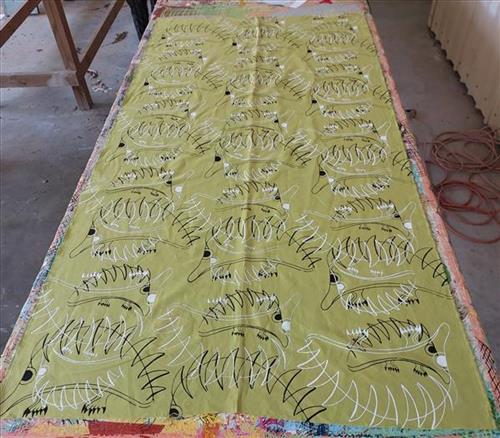
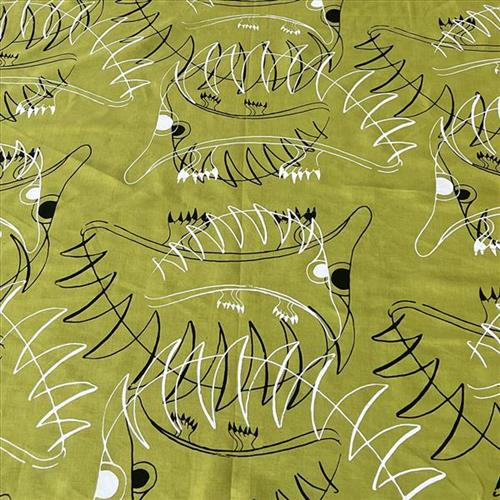
Ngangkin (Echidna)

The Echidna is a very significant Totem for Kuku Yalanji Bama. It is sung and danced in ceremonies and has many secret meanings for us. Echidnas are very smart.  They only come out in the cold season. Our old people used to make medicine out of certain parts of the animal to heal asthma and other lung illnesses. They made medicinal soups, and they made oil out of the fat which they rubbed all over the body.

In the past, Echidna were also an important and delicious food source for Kuku Yalanji Bama. They relied on them for survival. Our fathers and grandfathers used the spikes of the Echidna to make a variety of weapons and body adornments.


225182262406


Bulkiji (Pipi Shellfish)

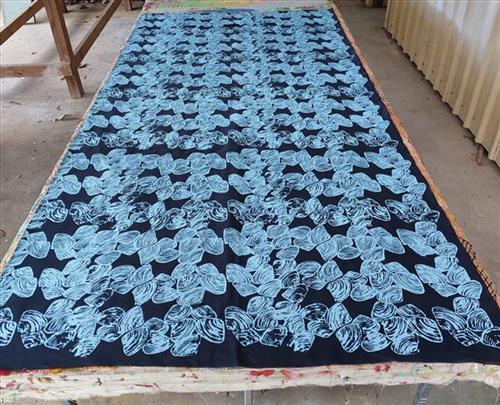
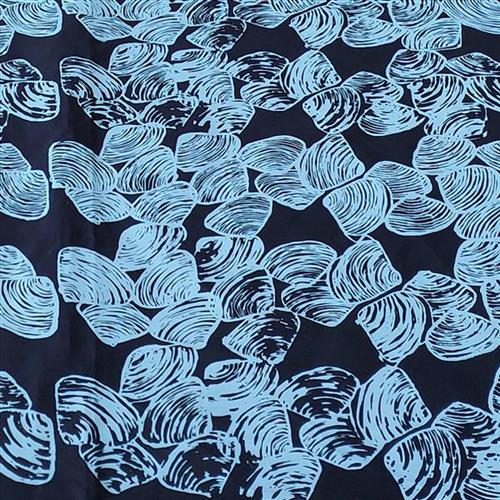
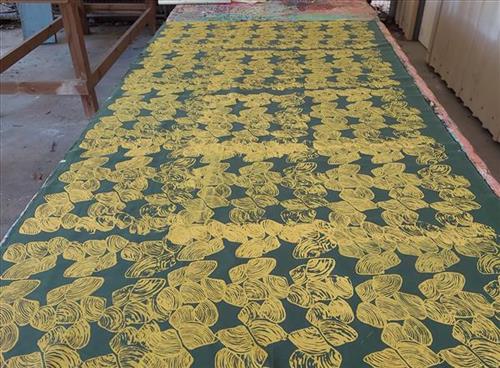
We call pipi shellfish ‘Bulkiji’ to collect them all year around. But they taste best during the winter months from June to August. Some weekends, me and my family would go down to Newell Beach and stand in a line, then start digging with our feet for pipi shells. We also use the pipi shells for bait.


225182262398


Bulkiji (Pipi Shellfish)

We call pipi shellfish ‘Bulkiji’ to collect them all year around. But they taste best during the winter months from June to August. Some weekends, me and my family would go down to Newell Beach and stand in a line, then start digging with our feet for pipi shells. We also use the pipi shells for bait.


225182269672


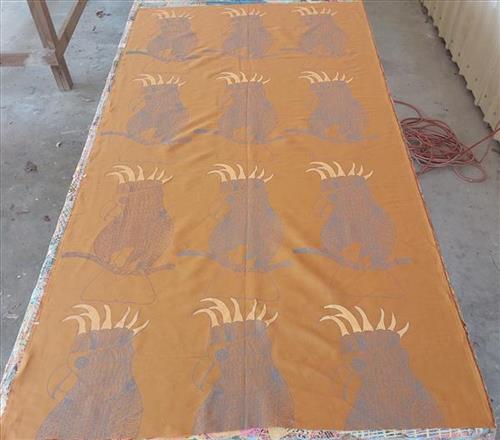
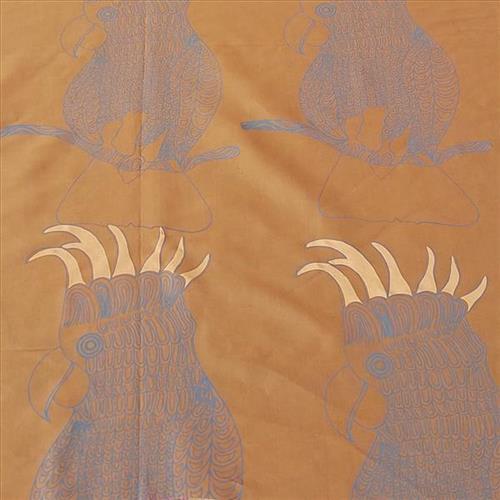
Birmba (White Cockatoo)

Birmba (White Cockatoo) is my family totem. It has been passed down from generation to generation. 

White Cockatoos always remind me of my grandfather, my sisters and other family who have passed on. They are like protective spirits for me, my family and my loved ones that have passed. They will give you signs; good signs and signs of danger. They let you know when to move on.

When I’m out with my grandchildren, I say “Look, do you see that white cockatoo there? That’s your grandmother there, overlooking us”. I let them know that it is family watching over them, keeping them connected to each other and our country. When I’m alone, I know they’re around. I speak to their spirit and they give me strength.


225182269670


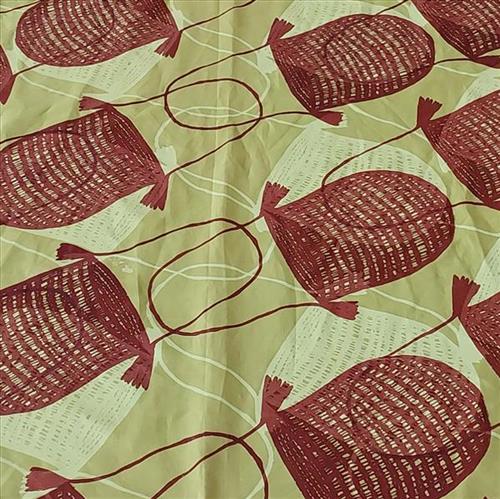
Makarr (Fish Trap)

Fish Trap

Fish traps are called Makarr in our language. They were made by men only. Our fathers and uncles used to make them with the lawyer vine. They striped the stems and then soaked them in the river to keep them soft and bendy. They also had a special way of weaving the fish traps. They used them in the river to catch eels, jungle perch fresh water catfish and turtle. To attract fish our old people used to sprinkle rain forest berries as bait over the trap.
225182281212


Karrangkal (Corals of the Great Barrier Reef)

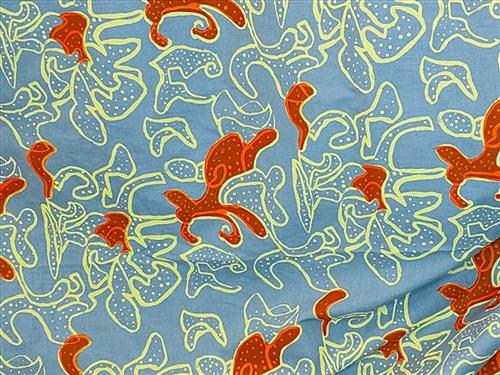
Our beautiful Yalanji coastline has many places where the rainforest and the reef come very close together. The colourful corals on this fabric is a reminder of the rich ocean environments of the Great Barrier Reef that have nourished generations of our Kuku Yalanji families and culture.

This fabric helps to convey the traditional knowledge and complex histories of how Kuku Yalanji used to live with the ocean, including the social rules and practical knowledge of how to hunt and cook various sea animals, distribute food and how to make important material cultural objects such as fish hooks, various traps etc.


225182281287


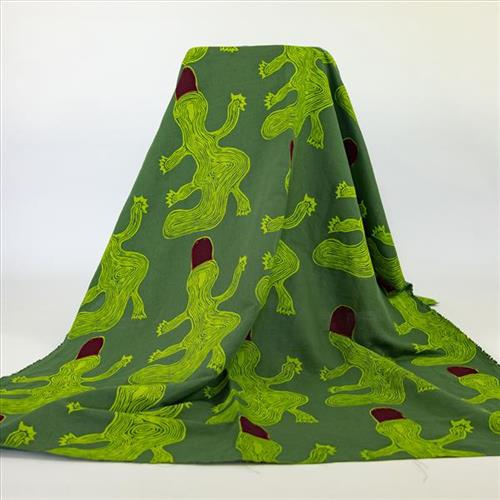
Wambiji (Platypus)

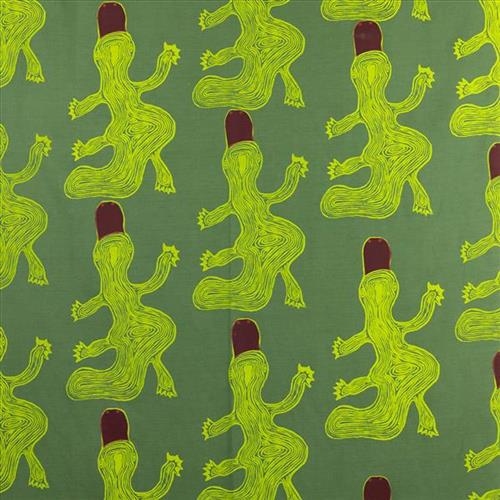
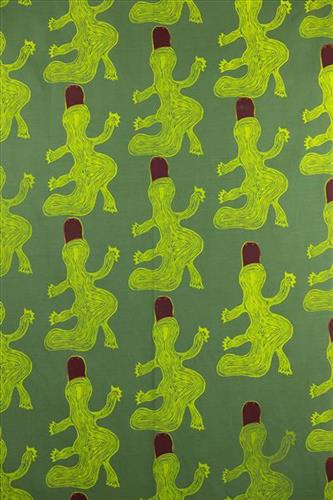
Platypus are very shy. They like to hide under rocks and can rarely be seen when people are around.  When I was 17 years old, I used to go for a swim with my partner, Laurence, in the Mossman River, at a site called Jabuljabul (Girls/Women). Some mornings, a  platypus was coming out of his hiding place, searching for food. He swam around. When he heard us, he swam back to his hiding place until we were gone.


225182288166


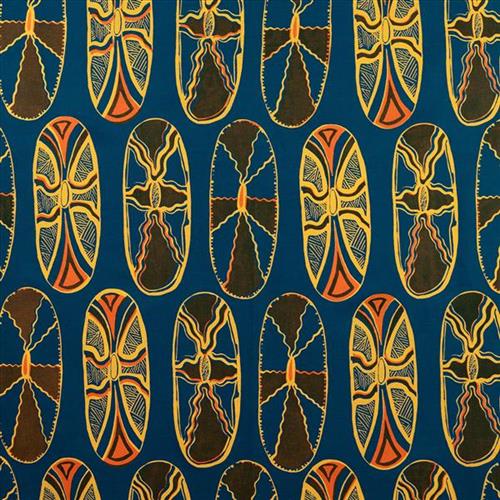
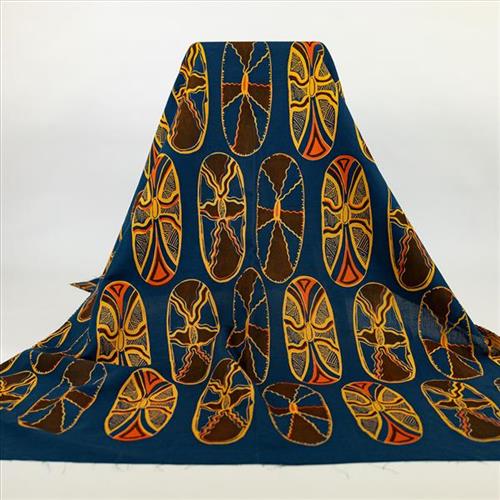
Kunjuri (Rainforest Shield)

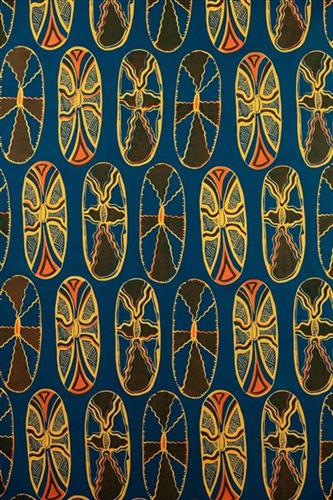
Traditional shields were carved from a single piece of timber cut from side of the buttress root of a rainforest fig-tree. The kidney shaped shields are unique to the rainforest Bama of Far North Queensland. They were decorated with clan, totem or moiety designs using natural ochres and a water, fat or blood binder.

Shields were primarily used for deflecting spears in tribal fighting in conjunction with large rainforest swords. Shields were usually made and painted by senior men and were a significant personal possession of adult males.