111982297515


Bush Jewellery – Earrings

The women of Maningrida and surrounding homelands use a combination of locally found seeds, bone and shells to make a variety of jewellery including necklaces. earrings and bracelets.  Many of the artists use complex patterns and designs to make their beautiful creations.

111982297514


Bush Jewellery – Earrings

The women of Maningrida and surrounding homelands use a combination of locally found seeds, bone and shells to make a variety of jewellery including necklaces. earrings and bracelets.  Many of the artists use complex patterns and designs to make their beautiful creations.

111582297495


Wuukurta (Honey Ants)

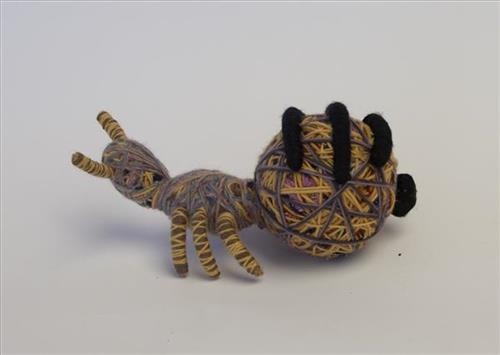
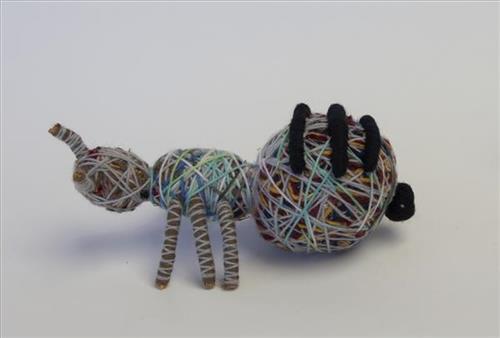
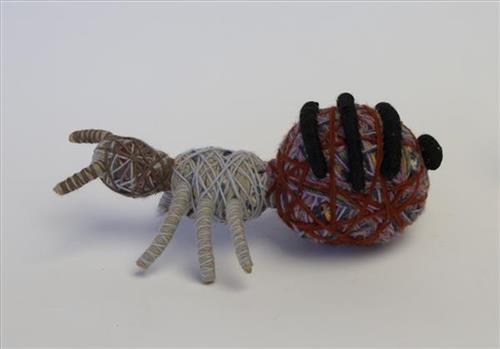
Wuukurta (honey ants) are found in a variety of arid or semiarid environments, with nests of up to two metres deep and more than two metres across. Wuukurta are a highly sought after bush tucker, known otherwise as ‘bush lollies’ due to their sweet, honey like taste. They are eaten whilst still alive by holding the head and legs between two fingers and biting off the thorax. Martu dig for wuukurta nests through the seasons, but they are known to be especially abundant following the rains.

During the pujiman (traditional, desert dwelling) period, Martu would traverse very large distances annually in small family groups, moving seasonally from water source to water source, and hunting and gathering bush tucker as they went. Whilst desert life has moved away from mobile hunter-gatherer subsistence throughout the course of the twentieth century, bush tucker continues to be a significant component of the modern Martu diet. Hunting and gathering bush tucker remains equally valuable as an important cultural practice that is passed on intergenerationally. Though hunting and gathering implements have been modernised, methods of harvesting, tracking and the use of fire burning to drive animals from their retreats are still commonly practiced today.
111582297494


Wuukurta (Honey Ants)

Wuukurta (honey ants) are found in a variety of arid or semiarid environments, with nests of up to two metres deep and more than two metres across. Wuukurta are a highly sought after bush tucker, known otherwise as ‘bush lollies’ due to their sweet, honey like taste. They are eaten whilst still alive by holding the head and legs between two fingers and biting off the thorax. Martu dig for wuukurta nests through the seasons, but they are known to be especially abundant following the rains.

During the pujiman (traditional, desert dwelling) period, Martu would traverse very large distances annually in small family groups, moving seasonally from water source to water source, and hunting and gathering bush tucker as they went. Whilst desert life has moved away from mobile hunter-gatherer subsistence throughout the course of the twentieth century, bush tucker continues to be a significant component of the modern Martu diet. Hunting and gathering bush tucker remains equally valuable as an important cultural practice that is passed on intergenerationally. Though hunting and gathering implements have been modernised, methods of harvesting, tracking and the use of fire burning to drive animals from their retreats are still commonly practiced today.

111582297493


Wuukurta (Honey Ants)

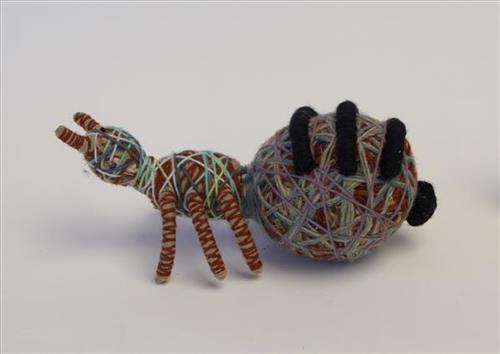
Wuukurta (honey ants) are found in a variety of arid or semiarid environments, with nests of up to two metres deep and more than two metres across. Wuukurta are a highly sought after bush tucker, known otherwise as ‘bush lollies’ due to their sweet, honey like taste. They are eaten whilst still alive by holding the head and legs between two fingers and biting off the thorax. Martu dig for wuukurta nests through the seasons, but they are known to be especially abundant following the rains.

During the pujiman (traditional, desert dwelling) period, Martu would traverse very large distances annually in small family groups, moving seasonally from water source to water source, and hunting and gathering bush tucker as they went. Whilst desert life has moved away from mobile hunter-gatherer subsistence throughout the course of the twentieth century, bush tucker continues to be a significant component of the modern Martu diet. Hunting and gathering bush tucker remains equally valuable as an important cultural practice that is passed on intergenerationally. Though hunting and gathering implements have been modernised, methods of harvesting, tracking and the use of fire burning to drive animals from their retreats are still commonly practiced today.
111582297492


Wuukurta (Honey Ants)

Wuukurta (honey ants) are found in a variety of arid or semiarid environments, with nests of up to two metres deep and more than two metres across. Wuukurta are a highly sought after bush tucker, known otherwise as ‘bush lollies’ due to their sweet, honey like taste. They are eaten whilst still alive by holding the head and legs between two fingers and biting off the thorax. Martu dig for wuukurta nests through the seasons, but they are known to be especially abundant following the rains.

During the pujiman (traditional, desert dwelling) period, Martu would traverse very large distances annually in small family groups, moving seasonally from water source to water source, and hunting and gathering bush tucker as they went. Whilst desert life has moved away from mobile hunter-gatherer subsistence throughout the course of the twentieth century, bush tucker continues to be a significant component of the modern Martu diet. Hunting and gathering bush tucker remains equally valuable as an important cultural practice that is passed on intergenerationally. Though hunting and gathering implements have been modernised, methods of harvesting, tracking and the use of fire burning to drive animals from their retreats are still commonly practiced today.

111582297491


Wuukurta (Honey Ants)

Wuukurta (honey ants) are found in a variety of arid or semiarid environments, with nests of up to two metres deep and more than two metres across. Wuukurta are a highly sought after bush tucker, known otherwise as ‘bush lollies’ due to their sweet, honey like taste. They are eaten whilst still alive by holding the head and legs between two fingers and biting off the thorax. Martu dig for wuukurta nests through the seasons, but they are known to be especially abundant following the rains.

During the pujiman (traditional, desert dwelling) period, Martu would traverse very large distances annually in small family groups, moving seasonally from water source to water source, and hunting and gathering bush tucker as they went. Whilst desert life has moved away from mobile hunter-gatherer subsistence throughout the course of the twentieth century, bush tucker continues to be a significant component of the modern Martu diet. Hunting and gathering bush tucker remains equally valuable as an important cultural practice that is passed on intergenerationally. Though hunting and gathering implements have been modernised, methods of harvesting, tracking and the use of fire burning to drive animals from their retreats are still commonly practiced today.

111582297490


Wuukurta (Honey Ants)

Wuukurta (honey ants) are found in a variety of arid or semiarid environments, with nests of up to two metres deep and more than two metres across. Wuukurta are a highly sought after bush tucker, known otherwise as ‘bush lollies’ due to their sweet, honey like taste. They are eaten whilst still alive by holding the head and legs between two fingers and biting off the thorax. Martu dig for wuukurta nests through the seasons, but they are known to be especially abundant following the rains.

During the pujiman (traditional, desert dwelling) period, Martu would traverse very large distances annually in small family groups, moving seasonally from water source to water source, and hunting and gathering bush tucker as they went. Whilst desert life has moved away from mobile hunter-gatherer subsistence throughout the course of the twentieth century, bush tucker continues to be a significant component of the modern Martu diet. Hunting and gathering bush tucker remains equally valuable as an important cultural practice that is passed on intergenerationally. Though hunting and gathering implements have been modernised, methods of harvesting, tracking and the use of fire burning to drive animals from their retreats are still commonly practiced today.

111582297488


Wuukurta (Honey Ants)

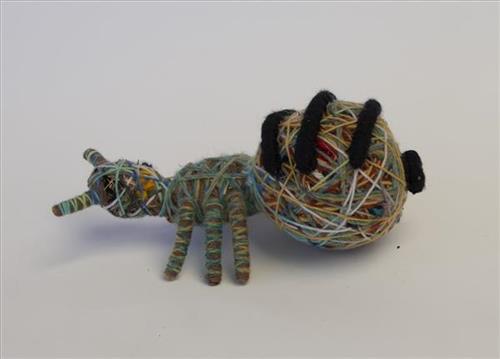
Wuukurta (honey ants) are found in a variety of arid or semiarid environments, with nests of up to two metres deep and more than two metres across. Wuukurta are a highly sought after bush tucker, known otherwise as ‘bush lollies’ due to their sweet, honey like taste. They are eaten whilst still alive by holding the head and legs between two fingers and biting off the thorax. Martu dig for wuukurta nests through the seasons, but they are known to be especially abundant following the rains.

During the pujiman (traditional, desert dwelling) period, Martu would traverse very large distances annually in small family groups, moving seasonally from water source to water source, and hunting and gathering bush tucker as they went. Whilst desert life has moved away from mobile hunter-gatherer subsistence throughout the course of the twentieth century, bush tucker continues to be a significant component of the modern Martu diet. Hunting and gathering bush tucker remains equally valuable as an important cultural practice that is passed on intergenerationally. Though hunting and gathering implements have been modernised, methods of harvesting, tracking and the use of fire burning to drive animals from their retreats are still commonly practiced today.
111582297487


Wuukurta (Honey Ants)

Wuukurta (honey ants) are found in a variety of arid or semiarid environments, with nests of up to two metres deep and more than two metres across. Wuukurta are a highly sought after bush tucker, known otherwise as ‘bush lollies’ due to their sweet, honey like taste. They are eaten whilst still alive by holding the head and legs between two fingers and biting off the thorax. Martu dig for wuukurta nests through the seasons, but they are known to be especially abundant following the rains.

During the pujiman (traditional, desert dwelling) period, Martu would traverse very large distances annually in small family groups, moving seasonally from water source to water source, and hunting and gathering bush tucker as they went. Whilst desert life has moved away from mobile hunter-gatherer subsistence throughout the course of the twentieth century, bush tucker continues to be a significant component of the modern Martu diet. Hunting and gathering bush tucker remains equally valuable as an important cultural practice that is passed on intergenerationally. Though hunting and gathering implements have been modernised, methods of harvesting, tracking and the use of fire burning to drive animals from their retreats are still commonly practiced today.