Kithal
Kithal known as pandanus.
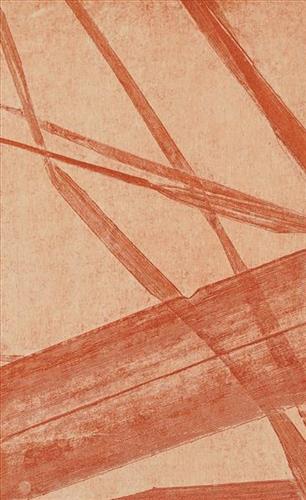
Kithal known as pandanus.
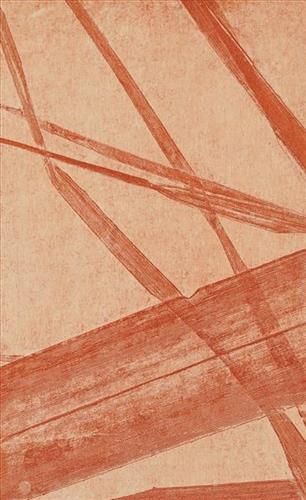
Kithal known as pandanus.
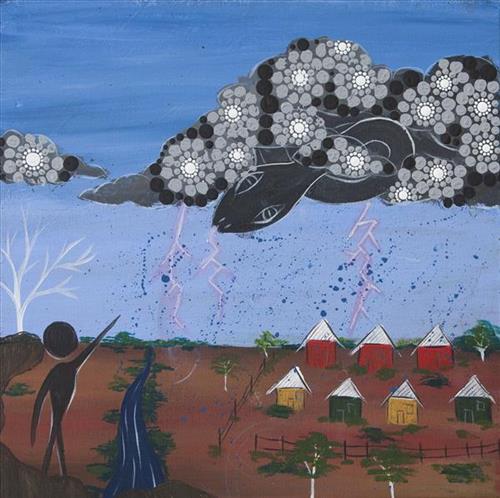
This work portrays an area known to the artist, painted here from memory. During the pujiman (traditional, desert dwelling) era one’s survival depended on their intimate knowledge of the location of resources; thus physical elements of Country, such as sources of kapi (water), tali (sandhills), and different varieties of warta (trees, vegetation) were carefully observed and remembered. Today, this relationship with Country remains equally strong, despite the movement of Martu out of the desert and into remote Aboriginal communities, towns and cities.
Also visible may be traces of life cycles based around kalyu (rain, water) and waru (fire). A thousands of year old practice, fire burning continues to be carried out as both an aid for hunting and a means of land management today. As the Martu travelled and hunted they would burn tracts of land, ensuring plant and animal biodiversity and reducing the risk of unmanageable, spontaneous bush fires. The patchwork nature of regrowth is visible in many landscape works, with each of the five distinctive phases of fire burning visually described with respect to the cycle of burning and regrowth.
Finally, metaphysical information relating to a location may also be recorded; Jukurrpa (Dreaming) narratives chronicle the creation of physical landmarks, and can be referenced through depictions of ceremonial sites, songlines, and markers left in the land.
Bathi are woven from the split leaves of the Screw Palm (Pandanus Spiralis). Coil weaving was introduced to Arnhem Land in the 1930s. It was adapted from techniques used by Indigenous women throughout South East Australia.
Bathi are woven from the split leaves of the Screw Palm (Pandanus Spiralis). Coil weaving was introduced to Arnhem Land in the 1930s. It was adapted from techniques used by Indigenous women throughout South East Australia.
Bathi are woven from the split leaves of the Screw Palm (Pandanus Spiralis). Coil weaving was introduced to Arnhem Land in the 1930s. It was adapted from techniques used by Indigenous women throughout South East Australia.
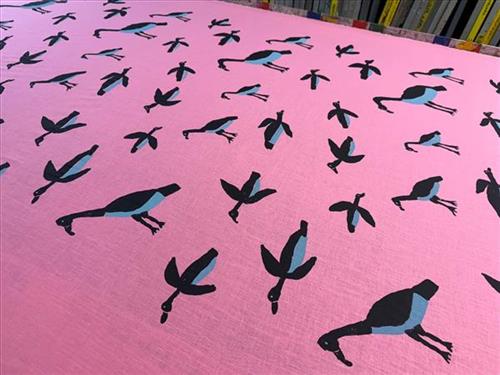
Murnubbarr (magpie geese) are a waterbird found in abundance in the wetland areas of Kakadu and western Arnhem Land. Murnubbarr are a sustainably hunted and enjoyed manme (bush food). They are known to fly long distances, particularly in the wet season.
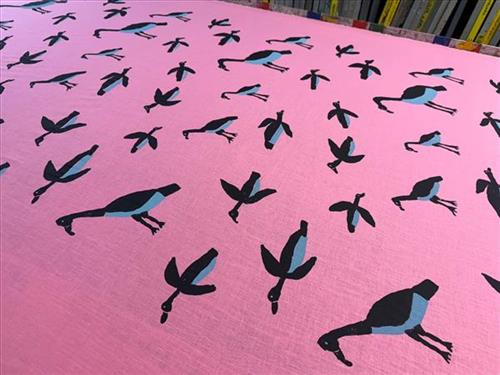
Murnubbarr (magpie geese) are a waterbird found in abundance in the wetland areas of Kakadu and western Arnhem Land. Murnubbarr are a sustainably hunted and enjoyed manme (bush food). They are known to fly long distances, particularly in the wet season.
Status: Stock
This beautiful silk scarf depicts Mrs Inkamala’s Kurrkurrka (owl), of which she said, ‘This beautiful old kurrkurrka is still here. Like me every day coming to do my art, on the bus from my outstation Kwale Kwale. We are still here. My fingers got sore from sewing so I started making owls and Old Laddie, my grandmother, on paper. And now they are on silk scarves! My eyes got sore too, but I still do little bit of sewing because I really love my sewing. You can’t stop me! I come everyday on the school bus, it picks up all the kids that go to Yipirinya school. My family and some other strong families started that school for all the little Aboriginal kids to have a place to learn safely in. My sister Dulcie and other strong families started this art room to have a safe place to learn and help each other. It’s good this place is here. We like working and we like company, seeing family. This art room is now full up with my owls, not just soft sculptures. They all watch us all day, the owls and soft sculptures. I feel really happy when I come here. And this kurrkurrka is really happy that I made it. I love being in the art room with everybody, I can’ t sit at home and do nothing, too boring!
100% silk, printed and sewn in Australia, approx 85 x 85 cm. If you look after your scarf it will last for years!
Hand wash in cold water. Mix a very small amount of a delicate laundry liquid in cold water. Swirl scarf in the water. Do not soak. Rinse in cold water, remove all laundry liquid. To dry – do not wring, remove excess water by pressing between a towel. Dry flat in shade. If you would like to iron, use the silk setting / coolest setting.
Town Camp Designs is a collection of products created by Ewyenper Atwatye, Tangentyere Artists and Yarrenyty Arltere Artists. Yarrenyty Arltere Artists is a 100% Aboriginal owned and run art centre. All sales directly support the artists, with all profit going towards artists fees and future projects.
Status: Stock
This beautiful silk scarf depicts Mrs Inkamala’s Kurrkurrka (owl), of which she said, ‘This beautiful old kurrkurrka is still here. Like me every day coming to do my art, on the bus from my outstation Kwale Kwale. We are still here. My fingers got sore from sewing so I started making owls and Old Laddie, my grandmother, on paper. And now they are on silk scarves! My eyes got sore too, but I still do little bit of sewing because I really love my sewing. You can’t stop me! I come everyday on the school bus, it picks up all the kids that go to Yipirinya school. My family and some other strong families started that school for all the little Aboriginal kids to have a place to learn safely in. My sister Dulcie and other strong families started this art room to have a safe place to learn and help each other. It’s good this place is here. We like working and we like company, seeing family. This art room is now full up with my owls, not just soft sculptures. They all watch us all day, the owls and soft sculptures. I feel really happy when I come here. And this kurrkurrka is really happy that I made it. I love being in the art room with everybody, I can’ t sit at home and do nothing, too boring!’
Town Camp Designs is a collection of products created by Ewyenper Atwatye, Tangentyere Artists and Yarrenyty Arltere Artists. Yarrenyty Arltere Artists is a 100% Aboriginal owned and run art centre. All sales directly support the artists, with all profit going towards artists fees and future projects.
100% silk, printed in Australia, approx 85 x 85 cm. If you look after your scarf it will last for years!
Hand wash in cold water. Mix a very small amount of a delicate laundry liquid in cold water. Swirl scarf in the water. Do not soak. Rinse in cold water, remove all laundry liquid. To dry – do not wring, remove excess water by pressing between a towel. Dry flat in shade. If you would like to iron, use the silk setting / coolest setting.