225182193430


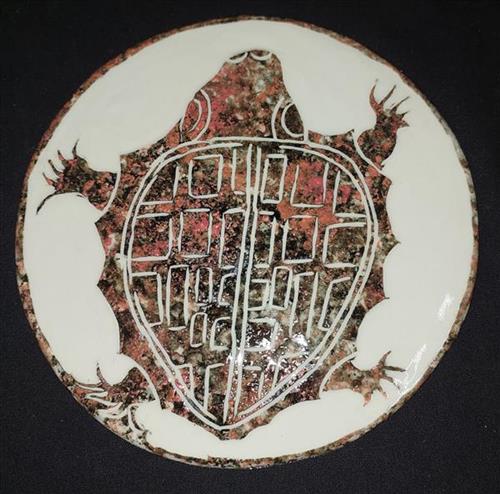
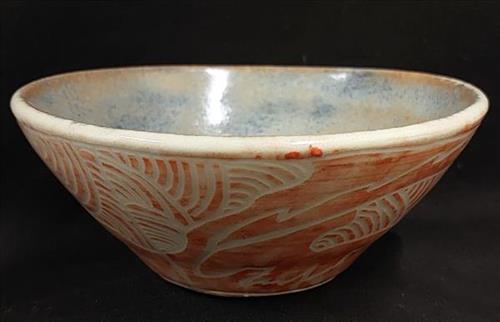
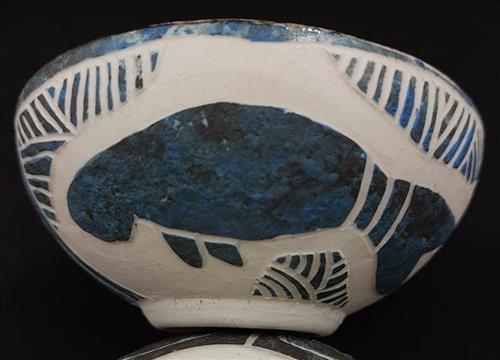
Kirbaji (Dugong)

In the past, Kirbaji (dugong) was an important food source. It was men’s business to hunt dugongs and it was their responsibility to cook and provide the meat to all the families. The meat of the dugong was cooked in an earth oven.

Our ancestors also made oil form the dugong fat. They used the oil for medicinal purposes. They used it for skin and hair treatments. When people had an upset stomach they used the oil as an ointment.
225182193429


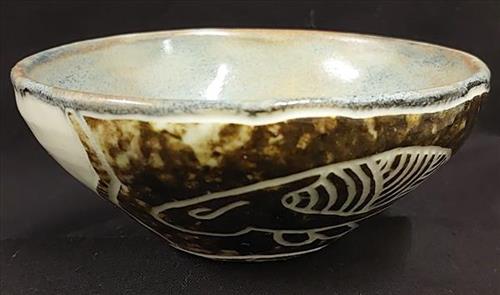
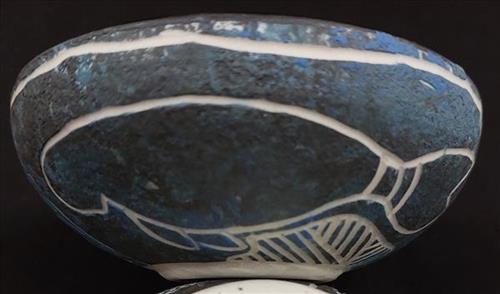
Kirbaji (Dugong)

In the past, Kirbaji (dugong) was an important food source. It was men’s business to hunt dugongs and it was their responsibility to cook and provide the meat to all the families. The meat of the dugong was cooked in an earth oven.

Our ancestors also made oil form the dugong fat. They used the oil for medicinal purposes. They used it for skin and hair treatments. When people had an upset stomach they used the oil as an ointment.
225182194929


Rainforest Shield

Traditional shields were carved from a single piece of timber cut from side of the buttress root of a rainforest fig-tree. The kidney shaped shields are unique to the rainforest Bama of Far North Queensland. They were decorated with clan, totem or moiety designs using natural ochres and a water, fat or blood binder.

Shields were primarily used for deflecting spears in tribal fighting in conjunction with large rainforest swords.

Shields were usually made and painted by senior men and were a significant personal possession of adult males.

225182194926


Rainforest Shield

Traditional shields were carved from a single piece of timber cut from side of the buttress root of a rainforest fig-tree. The kidney shaped shields are unique to the rainforest Bama of Far North Queensland. They were decorated with clan, totem or moiety designs using natural ochres and a water, fat or blood binder.

Shields were primarily used for deflecting spears in tribal fighting in conjunction with large rainforest swords.

Shields were usually made and painted by senior men and were a significant personal possession of adult males.

225182194925


Rainforest Shield

Traditional shields were carved from a single piece of timber cut from side of the buttress root of a rainforest fig-tree. The kidney shaped shields are unique to the rainforest Bama of Far North Queensland. They were decorated with clan, totem or moiety designs using natural ochres and a water, fat or blood binder.

Shields were primarily used for deflecting spears in tribal fighting in conjunction with large rainforest swords.

Shields were usually made and painted by senior men and were a significant personal possession of adult males.

225182194924


Kurranji (Cassowary)

The cassowary is my totem. My mother’s sister handed it down to me when I was a young boy. I perform the cassowary dance in public ceremonies. As a young men, I was part of the Yalanji Dance group and was invited to Hong Kong to perform our traditional dance cycles including the cassowary dance.


225182194922


Ngangkin (Echidna)

Long time ago our ancestors used to hunt echidnas for their meat and fat.

The fat was used as bush medicine. They rubbed it onto sore muscles to relieve pain. 

The echidna also appears as part of a rock formation at Manjal Dimbi (Mount Demi). Manjal Dimbi means “mountain holding back“. The rock formation represents a number of significant Ancestral Beings in their animal form and Kubirri, a man who came to help Kuku Yalanji when they were persecuted by the evil spirit, Wurrumbu.

225182194916


Kirbaji (Dugong)

In the past, Kirbaji (dugong) was an important food source. It was men’s business to hunt dugongs and it was their responsibility to cook and provide the meat to all the families. The meat of the dugong was cooked in an earth oven.

Our ancestors also made oil form the dugong fat. They used the oil for medicinal purposes. They used it for skin and hair treatments. When people had an upset stomach they used the oil as an ointment.