225182194915


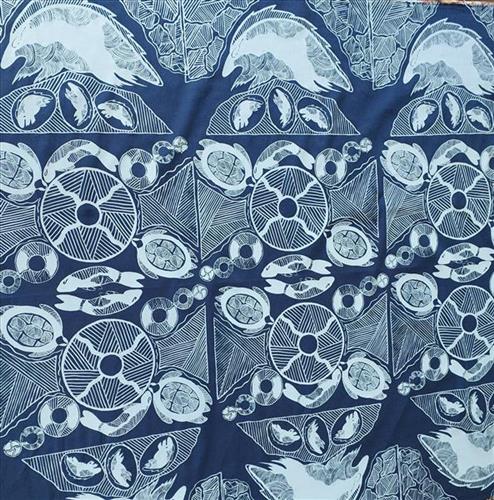
(LG): Kirbaji (Dugong)

In the past, Kirbaji (dugong) was an important food source. It was men’s business to hunt dugongs and it was their responsibility to cook and provide the meat to all the families. The meat of the dugong was cooked in an earth oven.

Our ancestors also made oil form the dugong fat. They used the oil for medicinal purposes. They used it for skin and hair treatments. When people had an upset stomach they used the oil as an ointment.

225182195878


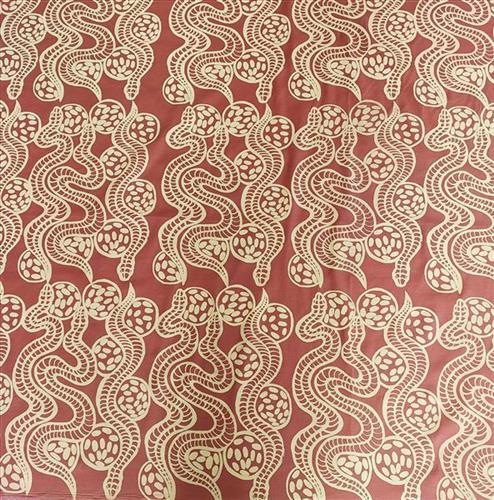
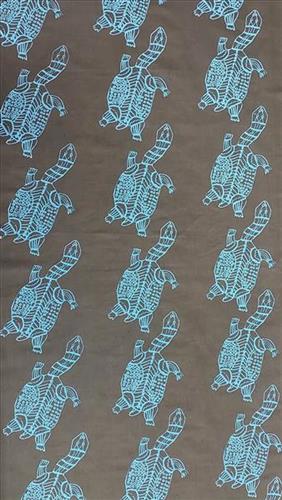
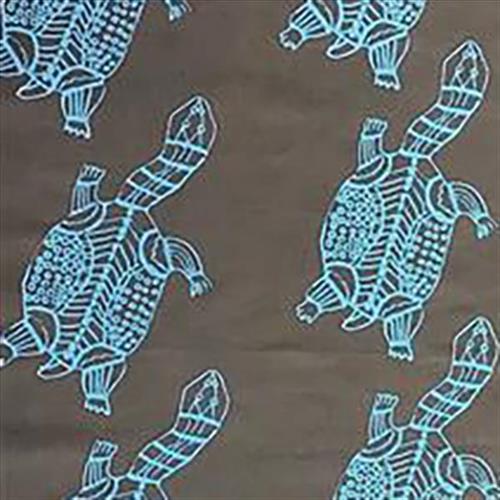
Kurriyala (Carpet Snake)

The carpet snake used to be an important food animal for our ancestors. They wrapped the meat in native ginger leaves and cooked it on the hot coals of the ground oven. They also used the skin to make head bands or skillfully sewed blankets to keep the families warm and dry at night.

The carpet snake also has spiritual significance for me.  I inherited the carpet snake Totem and related cultural knowledge from my father’s side. According to our Kuku Yalanji creation stories, the carpet snake was an Ancestral Being that travelled in its human form across the country creating waterways wherever it went, including on my father’s clan lands.

In my upbringing I was taught to respect our elders who prepared me for my future role as carrier of cultural knowledge and spiritual traditions. I was also taught the values of taking responsibility for caring for our traditional clan country and help maintain it for the younger generations so they can become strong leaders.

Art is my way of keeping the cultural knowledge of my ancestors alive and passing it down to my children and grandchildren. Sharing this body of knowledge creates strong family ties and gives me my strength.
225182195875


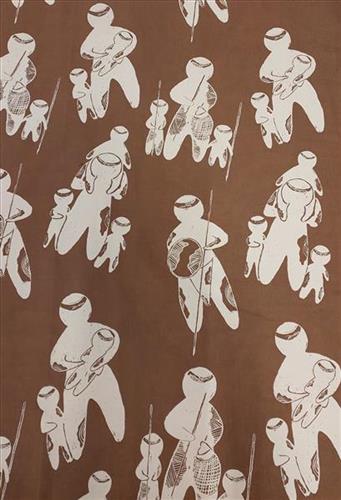
Murrugu (Family)

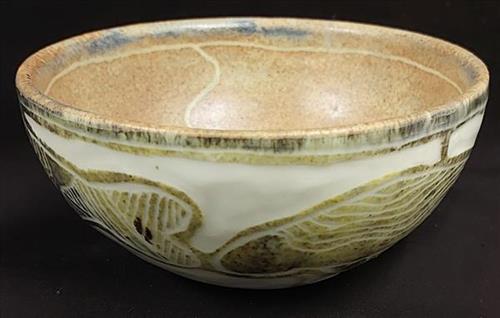
Family is very important to me. Whenever I draw my family design in clay, on fabric or on paper, it makes me think about the many good experiences I had when growing up. I enjoyed being out on country, going hunting and fishing, collecting plant foods and camping. I also have fond memories of listening to traditional music and learning our cultural dances.  My family design keeps all these personal memories alive like a flame, and like my ancestors before me, I try to create similar happy times with my children and grandchildren.

225182196144


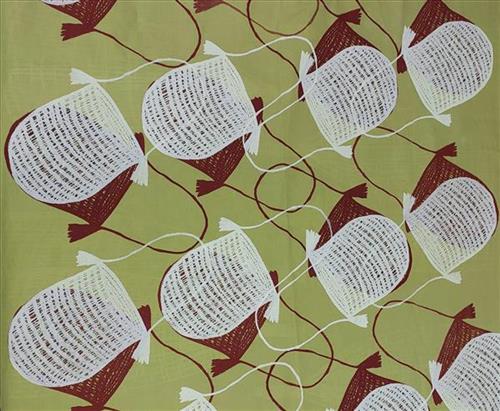
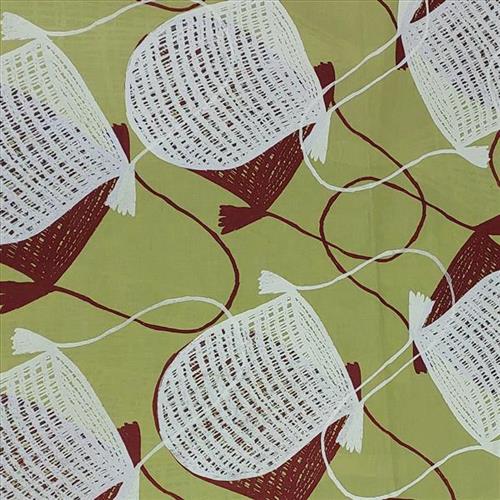
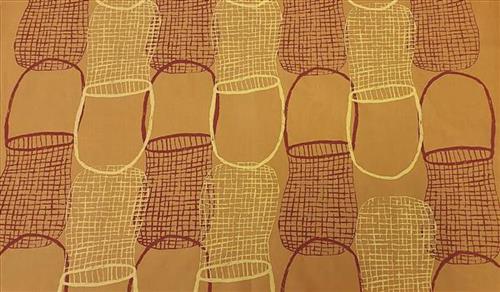
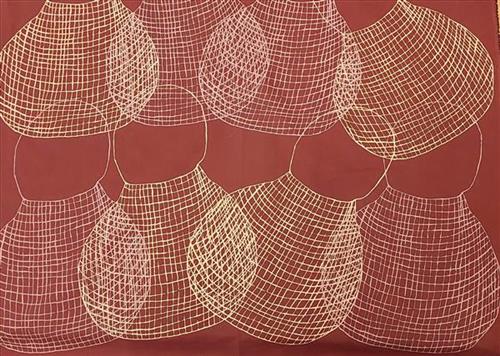
Ngunyin (Dillybag)

Dillybags played a vital part in Kuku Yalanji culture. Women used them to carry food when out hunting and gathering or soak bitter yams in creeks before cooking them. Dillybags were also used to hold personal and sacred items.

225182196147


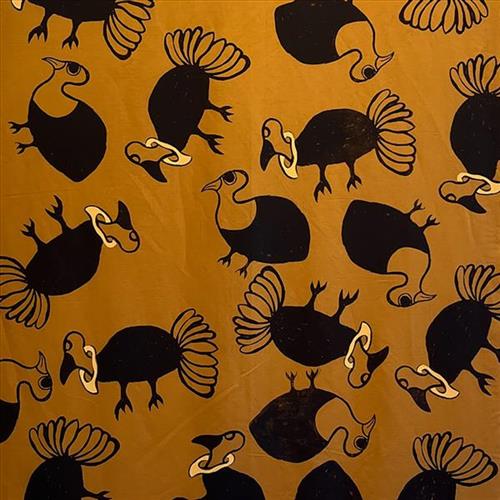
Diwan (Scrub Turkey)

Many years ago, our ancestors lived in harmony with the rainforest and other parts of the land, they learnt different ways of hunting and gathering for food. The women would collect Diwan (Scrub Turkey) eggs. Each Diwan can lay up to 15-20 eggs. The women gather the eggs by using their hands to dig deep into the nest, the eggs are found in the warmest area of the nest.

225182196143


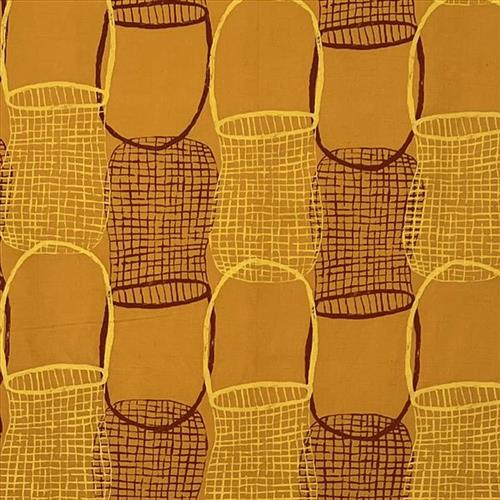
Ngunyin (Dillybag)

Dillybags played a vital part in Kuku Yalanji culture. Women used them to carry food when out hunting and gathering or soak bitter yams in creeks before cooking them. Dillybags were also used to hold personal and sacred items.

225182197779


Bindi Bambayal (Yam Leaf)

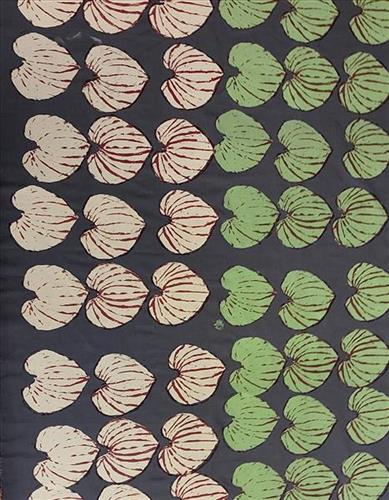
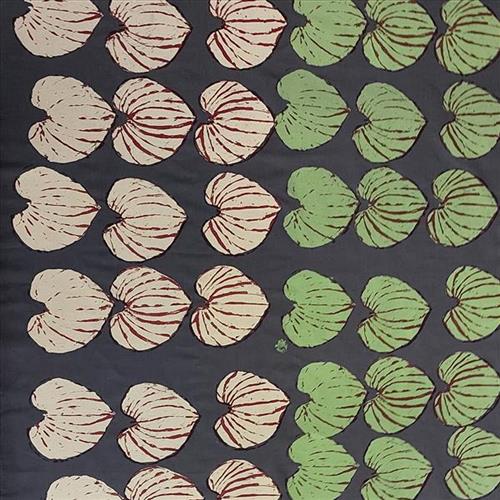
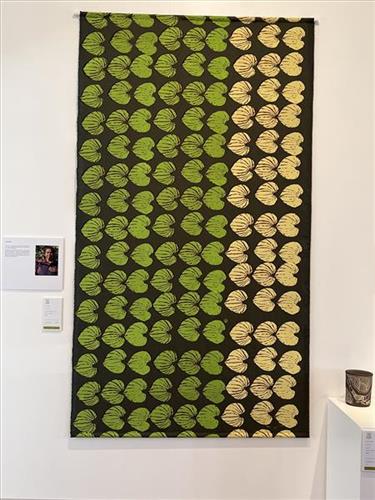
This fabric shows my yam leaf design. Yams are bush tucker to all our families. We go out and dig for it when they are in season. When the leaves turn dark brown, we know that the tubers are ready for harvest. I personally like cooking yams on the coals of a camp fire.

I like drawing plants or parts of them because I work as a gardener and forester for Jabalbina, a cultural heritage body for our Kuku Yalanji Traditional Owners. We grow native plants from seeds or cuttings to help restore cleared land into a healthy rainforest.