22514003673


Status: Stock


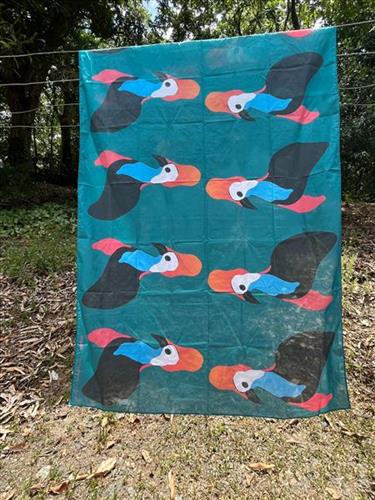
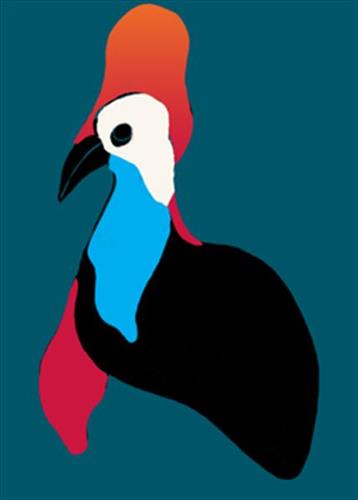
Sarong – Kurranji (Cassowary)

Kurranji (Cassowary) is an important totem of the Kuku-Yalanji people. We still dance it in public ceremonies.

The cassowary is a protected species within the tribal lands of the Kuku-Yalanji people. They live in the rainforest environment of this area, and camouflage themselves in the rainforest trees and leaves.

Designed on Yalanji Country, custom printed and made in Sydney, Australia.

97% Cotton 3% Linen

180 cm x 110 cm

Care instructions: Gentle wash only in cool water. Do not soak, bleach, rub, wring or tumble dry. Line dry in shade. Warm iron on reverse. Do not dry clean.
22514003674


Status: Stock


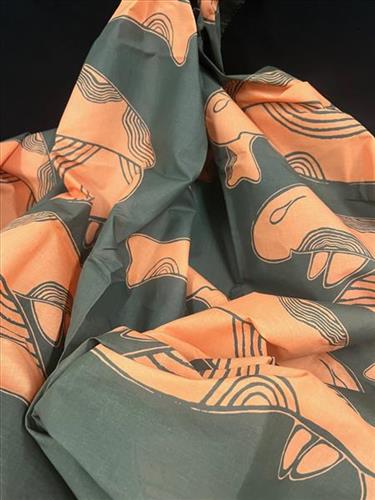
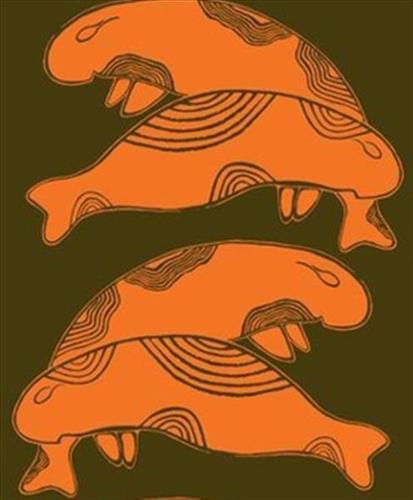
Sarong – Kirbaji (Dugong)

In the past, Kirbaji (dugong) was an important food source. It was men’s business to hunt dugongs and it was their responsibility to cook and provide the meat to all the families. The meat of the dugong was cooked in an earth oven. Our ancestors also made oil form the dugong fat. They used the oil for medicinal purposes. They used it for skin and hair treatments. When people had an upset stomach they used the oil as an ointment.

Designed on Yalanji Country, custom printed and made in Sydney, Australia.

97% Cotton 3% Linen

180 cm x 110 cm

Care instructions: Gentle wash only in cool water. Do not soak, bleach, rub, wring or tumble dry. Line dry in shade. Warm iron on reverse. Do not dry clean.
22134002726


Status: Stock


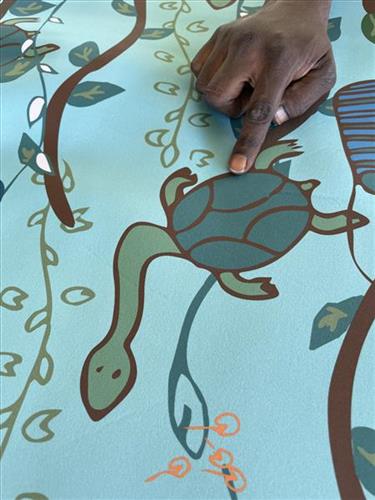
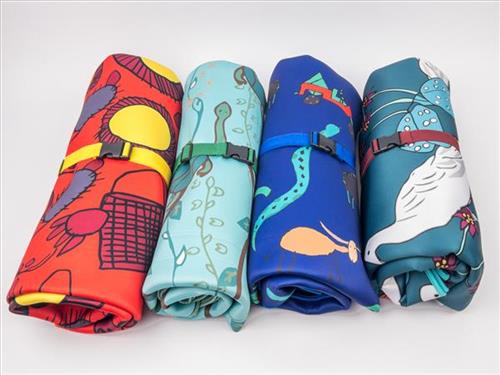
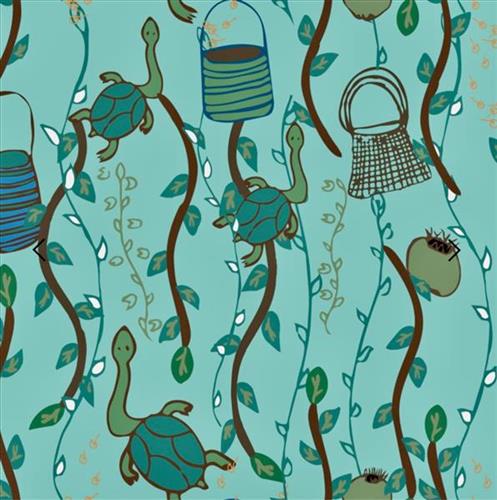
Turtles & Dilly Bags by Revonna Lane

“My picnic blanket design shows the water lily fruits and stems, the long and short pods, you can eat it fresh or cook it on the fire to make damper. Back then, my mum would peel it off and let it dry out in sun on a paper bark bowl, pop out the seeds and grind it with a rock. The stems you can peel off the skin and eat like celery or use it like straw.

There are three types of bags which the women make, string bag to carry tools, dilly bags they carry around their head to collect bush food and tightly woven baskets to carry water. You can see the long and short neck turtle, we find them in the rivers and billabongs. Just back from the billabong, is where we collect their eggs to eat.”

Based on original artwork by Revonna and designed in Wugularr / Beswick, Arnhem Land, NT. 

Size 170 x 140cm. 

Made from neoprene wetsuit material that is quick dry, repels sand, sticks, and grasses whilst being insulating and waterproof. It can provide protection from the wet ground, and shelter you from wind and rain. You can even wrap up your wet gear in it. To clean, hose it down or rinse off after use, dry in shade.

221382287373


Yams

This painting depicts three water lilyroot yams, with a water strider visible second from the right.

Painting has been completed using a handmade grass reed brush called Jarlk. Raark or fine line work is in Yirritja style and consists of multiple lines before alternating colour. Modern acrylic paint has been used.

221382287371


Diving Ducks

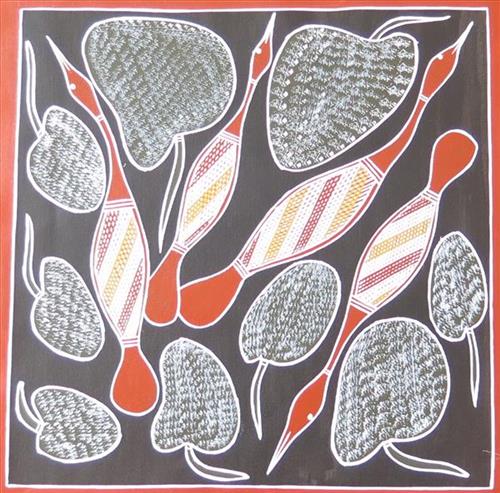
This painting depicts multiple diving ducks, swimming among bobbing white apples. White apples are a native bush tukka, which fallen from the tree float on top of the surface. Both of these – diving duck & white apple – are “gudwan dagga” or tasty tucker.

Painting has been completed using a handmade grass reed brush called Jarlk harvested from local billabongs and wet areas. Raark or fine line work is in Yirritja style and consists of three or four lines before alternating colour. Stippling effect on the white apple uses the tip of a modern paintbrush. Acrylic paint has been used.

221382287369


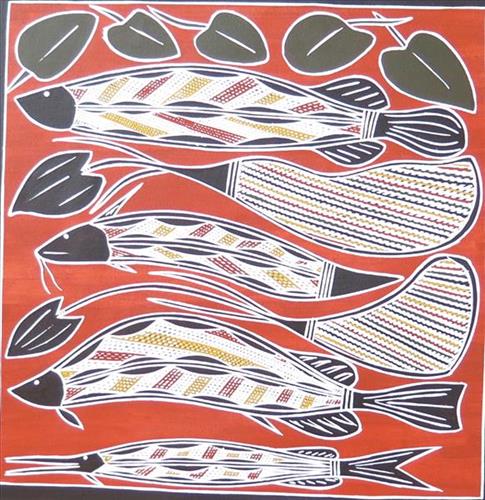
Fish

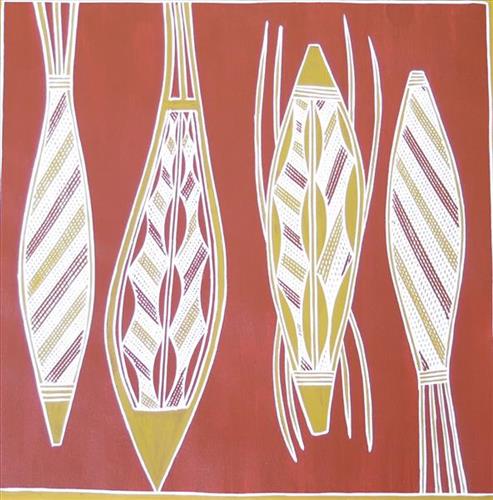
This painting depicts multiple species of fish, as well as two lilyroot yams. From top to bottom you can see lily pads, a saratoga, a lilyroot yam, an eel tail catfish, another lilyroot yam, a barramundi, and a longtom.

Painting has been completed using a handmade grass reed brush called Jarlk harvested from local billabongs and wet areas. Raark or fine line work is in Yirritja style and consists of multiple lines before alternating colour. The exception to this is the two lilyroot yams – these are in Dhuwa style, and has a single line before alternating colour. Painting has been completed in modern acrylics.

221382291139


Yams

This painting depicts two waterlily roots deep in a billabong. Water or gapu is shown using a stippling effect. Between the two yams are water striders.

Painting has been completed using a mixture of modern and traditional paintbrushes. Modern paintbrushes were used for the stippling effect, while traditional paintbrushes for the fine line work.

Traditional paintbrushes are called Jarlk, and are harvested from billabongs and wet areas and shaped to create a fine intricate line. Fine line cross hatching work is called Raark and is in Yirritja style. This consists of multiple lines before alternating colour.

221382291135


Bone Fish, Turtle & Barra

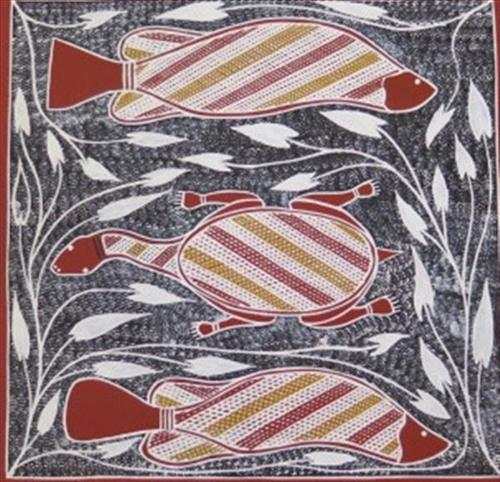
This painting depicts a bone fish at top, long neck turtle in the middle, and a barramundi at the bottom. Waterlily plants are also visible, along with a stippling effect for gapu or water.

Painting has been completed using a handmade grass reed brush called Jarlk. Harvested from billabongs and wet areas these are shaped to create the fine line work called Raark. Raark is in Yirritja style and consists of multiple lines before alternating colour. Modern acrylic paint has been used.

221382291131


Brolga & Croc

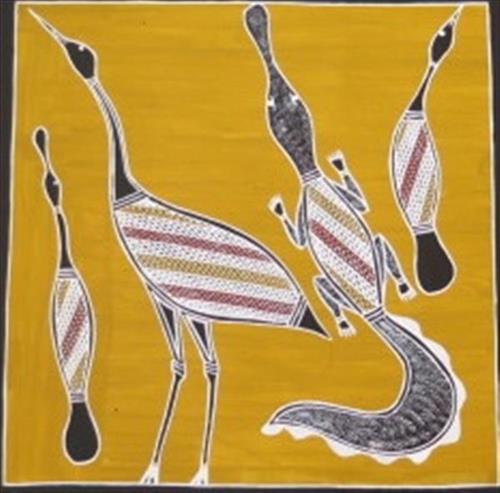
This painting depicts a brolga and freshwater crocodile. On the right side is a diving duck, while on the left side is a spoonbill. 

Painting has been completed using a traditional grass reed brush called Jarlk. These are harvested from local billabongs and wet areas, and then shaped to create the fine line work. Fine line cross hatching is called Raark and is in Yirritja style.

Modern acrylic paint has been used.

221382291126


Brolga

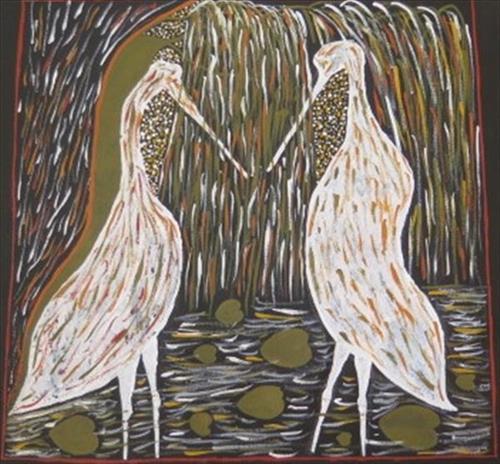
This painting depicts two mating brolgas, standing in a billabong. In the background is a weeping tree, draping its leaves into the water.

Painting has been completed using modern paintbrushes and acrylic paint.