Mossman River Design
The spirals represents the ripples and water pools of Mossman River.
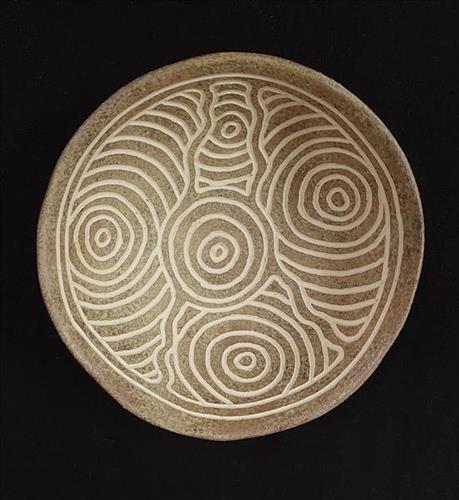
The spirals represents the ripples and water pools of Mossman River.
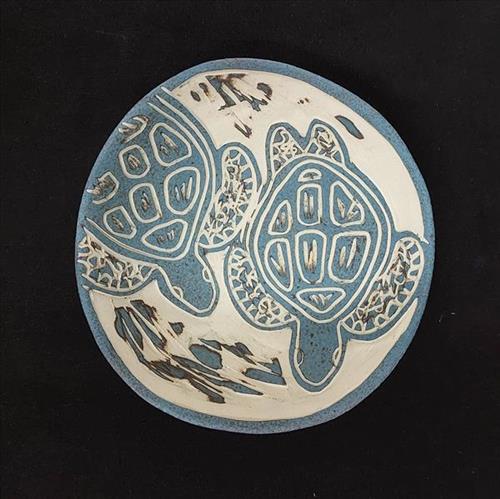
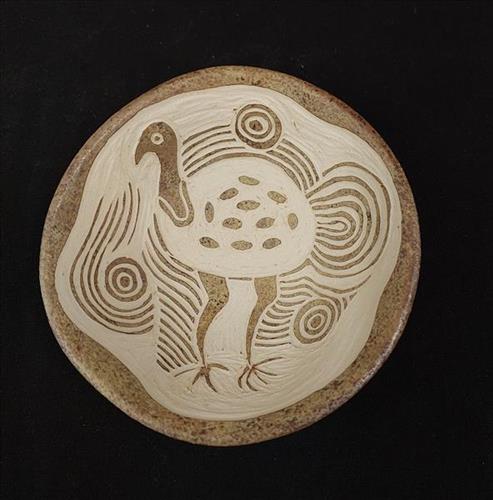
Many years ago, our ancestors lived in harmony with the rainforest and other parts of the land, they learnt different ways of hunting and gathering for food. The women would collect Diwan (Scrub Turkey) eggs. Each Diwan can lay up to 15-20 eggs. The women gather the eggs by using their hands to dig deep into the nest, the eggs are found in the warmest area of the nest.

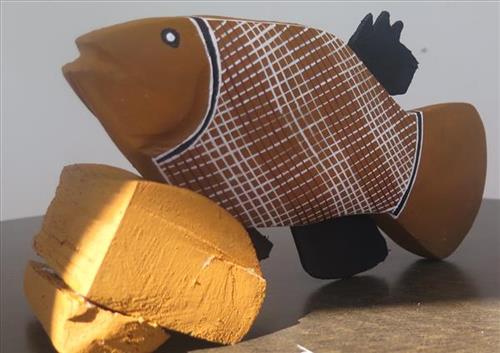
Wood carving has always been part of Aboriginal culture and Djilpin artists continue this tradition. Men carved wood for many purposes – tools for hunting or gathering food, axes and knives for building shelters, spears and clubs for protection of their lives and territory, objects for ceremony and to mark sacred sites.
Hunting implements include the boomerang, woomera and spear. The woomera is a lever which helps to increase the speed and distance the spear travels. Clapsticks are used as percussion instruments by the Songmen to accompany dancing along with the didgeridoo (mago).
As well as the more functional carvings, artists portray animals and birds in wood, and these carvings are often painted. Ceremonial carvings include spirit creatures including mukuy (devil devils) and mimi.
Some fine mimi figures have been cast in bronze.

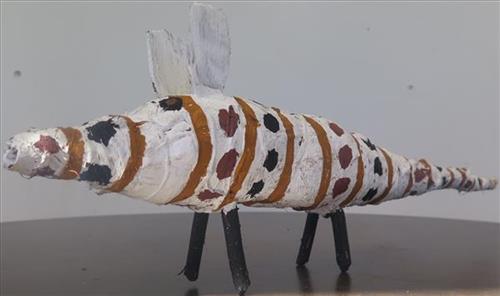
This handmade Yok sculpture is crafted from a combination of paperbark bound with black wattle bark. Internally speargrass makes up the body or stuffing, while externally the piece is finished in natural ochre sourced from long distances away. Ochre is ground, and then bonded onto the sculpture using a fixative and modern paintbrush. Ears are carved from a piece of Kurrajong.
Yok, or bandicoot is Clinton’s dreaming and an important part of his identity.
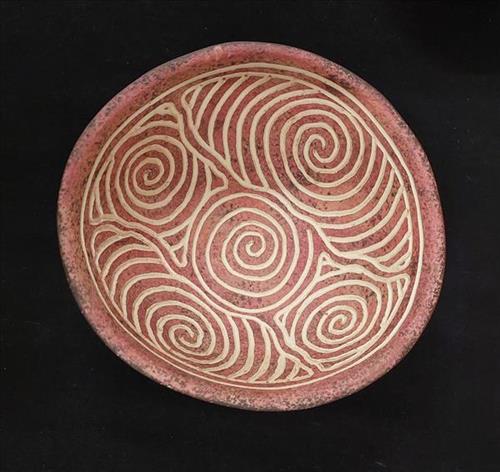
The spirals represents the ripples and water pools of Mossman River.
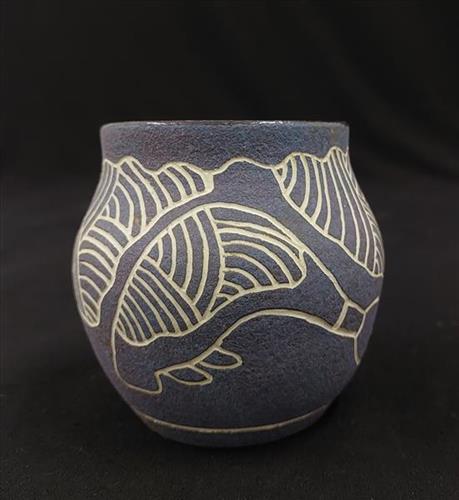
In the past, Kirbaji (dugong) was an important food source. It was men’s business to hunt dugongs and it was their responsibility to cook and provide the meat to all the families. The meat of the dugong was cooked in an earth oven.
Our ancestors also made oil form the dugong fat. They used the oil for medicinal purposes. They used it for skin and hair treatments. When people had an upset stomach they used the oil as an ointment.
Traditional shields were carved from a single piece of timber cut from side of the buttress root of a rainforest fig-tree. The kidney shaped shields are unique to the rainforest Bama of Far North Queensland. They were decorated with clan, totem or moiety designs using natural ochres and a water, fat or blood binder.
Shields were primarily used for deflecting spears in tribal fighting in conjunction with large rainforest swords.
Shields were usually made and painted by senior men and were a significant personal possession of adult males.