359709482305174


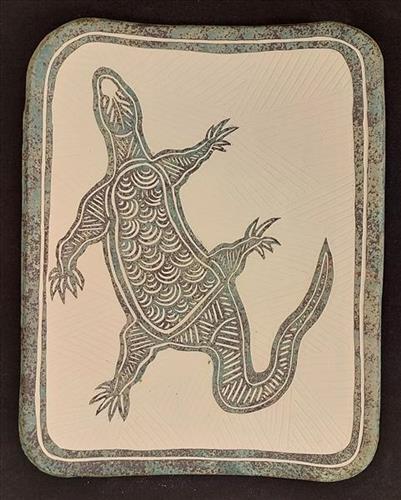
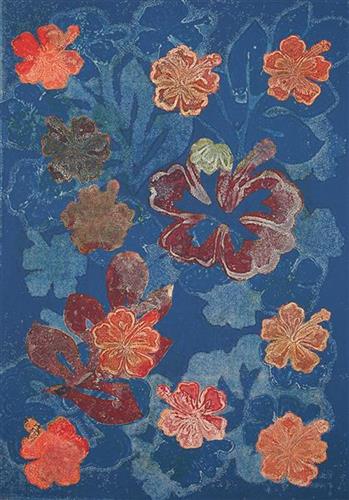
Blossom 1

Blossom represents spring, a new beginning and growth.


Art Centre notes:

The artwork is a ‘pochoir’ print, or monoprint/monotype, printed on Hahnamule paper.

(100% cotton rag with strong archival properties). 

(The print covers the paper from edge to edge.)

Artist: Helen-Joy Tomsana

Printer: Helen-Joy Tomsana/Fiona Mosby 

Printed: Moa Arts Studio, April 2024
359709482305172


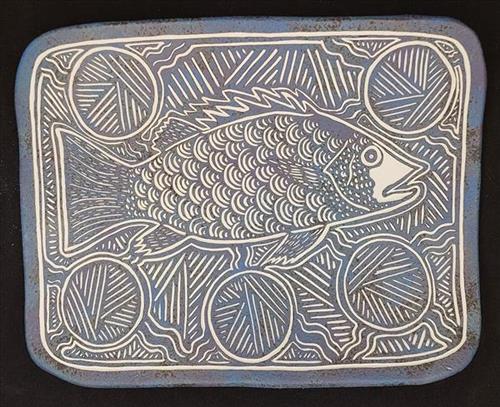
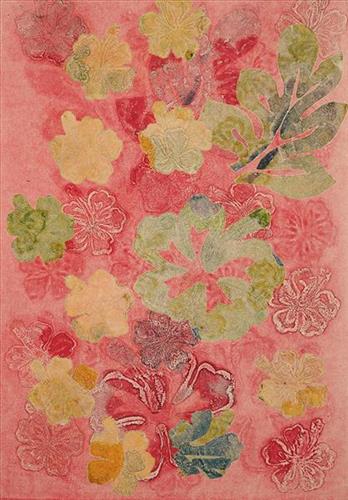
Blossom 2

Blossom represents spring, a new beginning and growth.


Art Centre notes:

The artwork is a ‘pochoir’ print, or monoprint/monotype, printed on Hahnamule paper.

(100% cotton rag with strong archival properties). 

(The print covers the paper from edge to edge.)

Artist: Helen-Joy Tomsana

Printer: Helen-Joy Tomsana/Fiona Mosby 

Printed: Moa Arts Studio, April 2024
115682305143


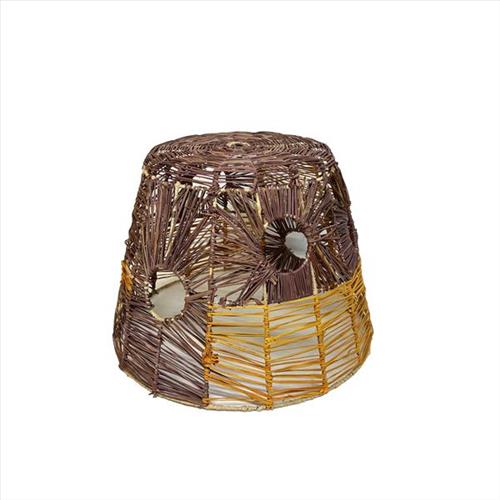
Koskela Lampshade

The weavers of Ramingining in Northeast Arnhem Land usually create traditional ceremonial and ritual objects working together as a group to harvest materials and develop work yet each with their own contemporary colourful and unique designs. This is one of the first times they have embraced making objects which are not traditional Yolngu objects and the strength of their identity as late career Yolngu Artists is distilled in these lampshades.

Exquisite craftsmanship manually transferred from Grandmothers, Mothers and Aunties is used to create these stunning lampshades which look amazing with lighting projecting the rhythms and patterns or without lighting to appreciate the colour, the intricacies and detail of the design.

115682305142


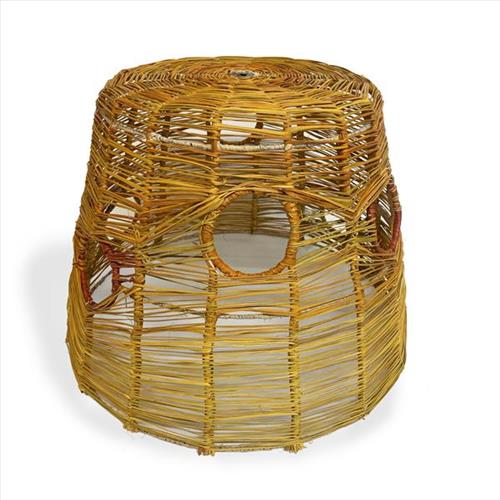
Koskela Lampshade

The weavers of Ramingining in Northeast Arnhem Land usually create traditional ceremonial and ritual objects working together as a group to harvest materials and develop work yet each with their own contemporary colourful and unique designs. This is one of the first times they have embraced making objects which are not traditional Yolngu objects and the strength of their identity as late career Yolngu Artists is distilled in these lampshades.

Exquisite craftsmanship manually transferred from Grandmothers, Mothers and Aunties is used to create these stunning lampshades which look amazing with lighting projecting the rhythms and patterns or without lighting to appreciate the colour, the intricacies and detail of the design.

111582305283


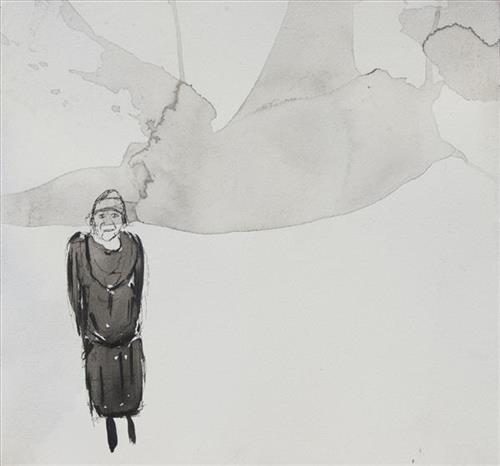
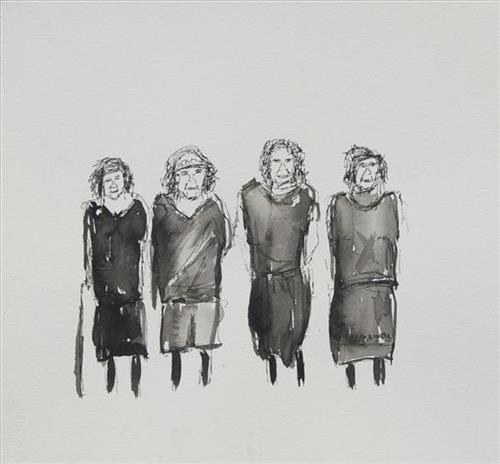
Untitled

How did you get to this style of painting?

“Do you mean, what have I done with my life? (chuckles to herself) To me these paintings are a sense of energy. So if I see someone and they’re happy, I paint a happy vibe. Cos their spirit is happy. And sometimes it’s hard because on the outside they’re real happy but on the inside they’re real sad. Sometimes you do stuff (like a painting) and it adds up later on. But I still don’t know what it means and don’t know where my style comes from because it’s both the path I walk on and the cracks in the dirt. It’s like looking at a landscape but I haven’t been there yet. Maybe I’ll get there one day. I believe things happen for a reason.”

– Sylvia Wilson

111582305281


Untitled

How did you get to this style of painting?

“Do you mean, what have I done with my life? (chuckles to herself) To me these paintings are a sense of energy. So if I see someone and they’re happy, I paint a happy vibe. Cos their spirit is happy. And sometimes it’s hard because on the outside they’re real happy but on the inside they’re real sad. Sometimes you do stuff (like a painting) and it adds up later on. But I still don’t know what it means and don’t know where my style comes from because it’s both the path I walk on and the cracks in the dirt. It’s like looking at a landscape but I haven’t been there yet. Maybe I’ll get there one day. I believe things happen for a reason.”

– Sylvia Wilson

111582305276


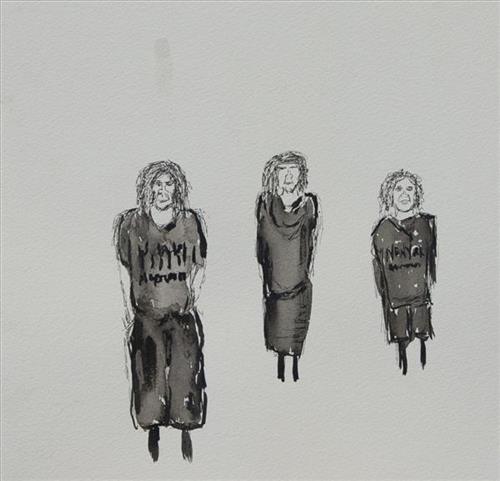
Powerhouse Wanti

How did you get to this style of painting?

“Do you mean, what have I done with my life? (chuckles to herself) To me these paintings are a sense of energy. So if I see someone and they’re happy, I paint a happy vibe. Cos their spirit is happy. And sometimes it’s hard because on the outside they’re real happy but on the inside they’re real sad. Sometimes you do stuff (like a painting) and it adds up later on. But I still don’t know what it means and don’t know where my style comes from because it’s both the path I walk on and the cracks in the dirt. It’s like looking at a landscape but I haven’t been there yet. Maybe I’ll get there one day. I believe things happen for a reason.”

– Sylvia Wilson

225182305902


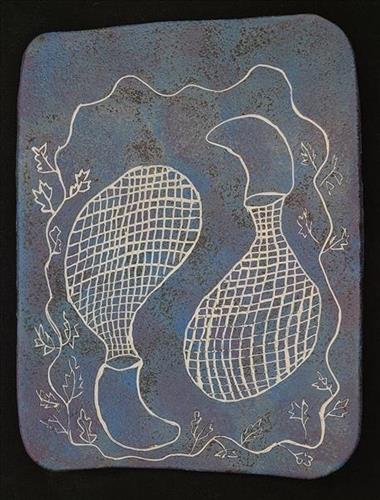
Kakan (Black Palm) Dillybag.

Our ancestors used Kakan (Black Palm) dilly bags to carry food when out hunting and gathering or soak bitter yams in creeks before cooking them. They were also used to hold personal items.

When I was a young girl my grandmother would teach me how to make Black Palm dillybags. We used to set up camp with other Kuku Yalanji women at a creek near Helenvale. It is very hard work. The men would help us cutting down the palm trees and separate the crownshaft from the trunk and the leaves. Then the women used to peel away the outer leaves until they felt strong threads they could pull out. They cleaned these threads from pulp with a mussel shell. When we moved away from Helenvale I forgot how to make them. Luckily years later I asked a relative of mine, Wilma Walker, who is great weaver, if she could refresh my memories. From then on I kept making dillybags as long as my health allowed it. I really enjoyed making them.