225182305901


(MR): Janbal (Quandong)

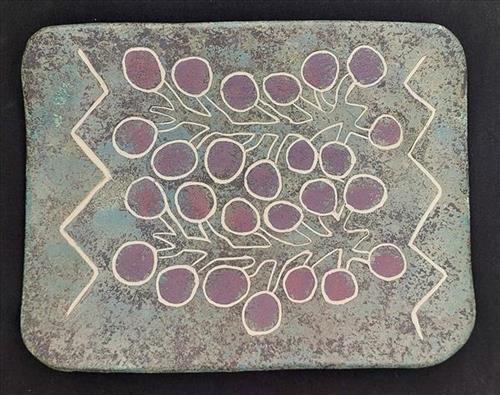
Janbal (Quandong) is good bush tucker. We gather the fruit from August to January when they are sweet and soft. The kernel of the fruit is very pretty and we often use it to make body adornments such as necklaces and earrings.

225182305900


Walbul Walbul (Ulysses Butterfly)

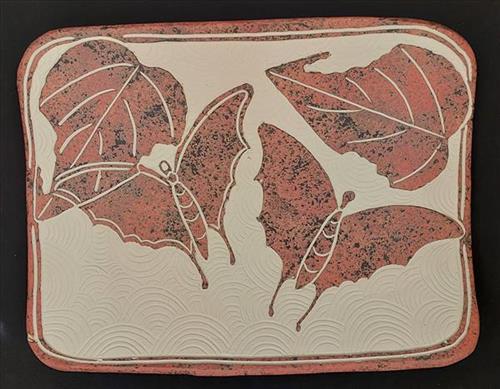
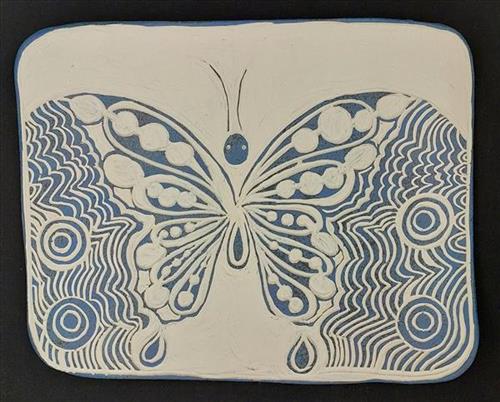
The Ulysses Butterfly has a special meaning for Kuku Yalanji women. Our elders explained to us that when a woman takes a walk through the rainforest and spots an Ulysses butterfly that she is in love with her future husband even though she might not have met him yet. Seeing an Ulysses butterfly can also mean that the spirit of a family member is watching over you.

225182305889


Kurranji (Cassowary)

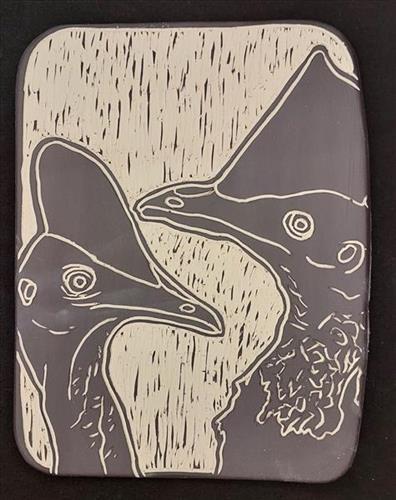
Long time ago, the cassowary was a precious food source for our ancestors. They ate the meat and the eggs, used the feathers for ceremonies and weaving, and the skins for blankets.  The Cassowary is a powerful Totem for us because it helps growing many plants that were important for food, medicine and tool making. The Cassowary can walk wide distances and spread the seeds of the fruits he eats everywhere. Plants grow also out of his dung.

I show the cassowary in my art because it is also my partner’s totem. He performs the cassowary dance in public ceremonies. It was bestowed on him by his mother’s sister when he was a young boy. In 1997 he went with the Yalanji Dance Group to Hong Kong to perform the Cassowary dance there.”

225182305888


Wambiji (Platypus)

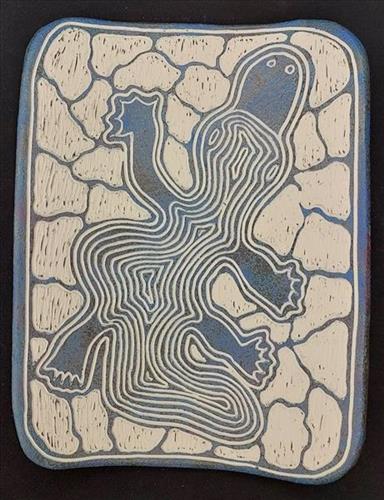
Platypus are very shy. They like to hide under rocks and can rarely be seen when people are around.  When I was 17 years old, I used to go for a swim with my partner, Laurence, in the Mossman River, at a site called Jabuljabul (Girls/Women). Some mornings, a  platypus was coming out of his hiding place, searching for food. He swam around. When he heard us, he swam back to his hiding place until we were gone.

225182305887


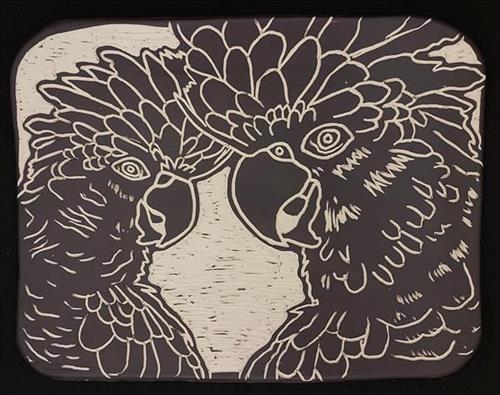
Kadanji (Black Cockatoo)

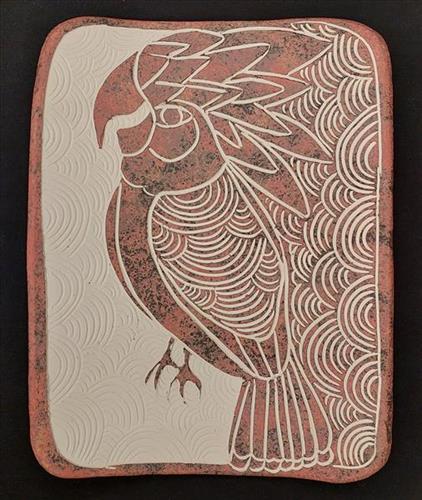
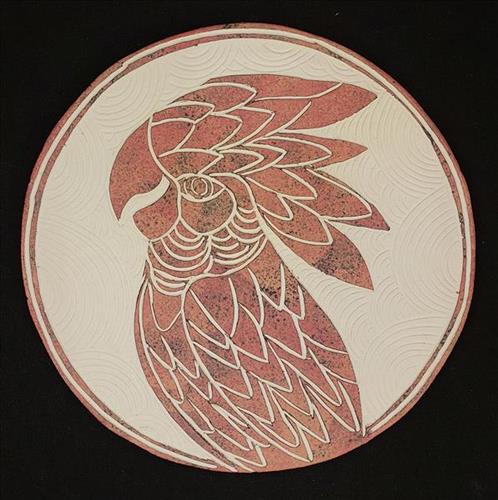
The black cockatoo is my totem. It has been passed down to me from my grandmother and her sisters, to my mum and her sisters and then it came to me and my sisters.

I use the black cockatoo often in my art not only because it is my Totem but also to thank my grandmother’s sisters (Kae Creek, Leyla Creek and Margaret Rocky). They are artists and I used to watch them when I was a young girl. This inspired me to become an artist myself.

So, the Black Cockatoo shows on a personal level how I honour to these women artists, who came before me and changed my life.
225182305885


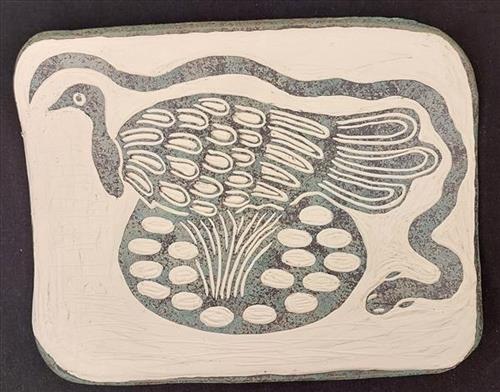
Diwan (Scrub Turkey)

Diwan are bush food – an important source of meat. We also eat the eggs. They are a delicacy. The male bird looks after the nest and will not go far, as he has to protect the nest from bush goanna’s. If they come around, he will send out an alarm call to other Diwan to alert therm. The nesting time for Diwan is September to December. The bush goanna knows when the eggs will be ready to hatch. When the goannas start hanging around, this is a good sign that the eggs are ready. We dig for eggs with digging sticks or by hand. The nest is very deep and when you can feel the warmth with your hands, you know that the eggs are close-by. The eggs are very good for health and make you strong.

225182305873


Walkarr (Bush Goanna)

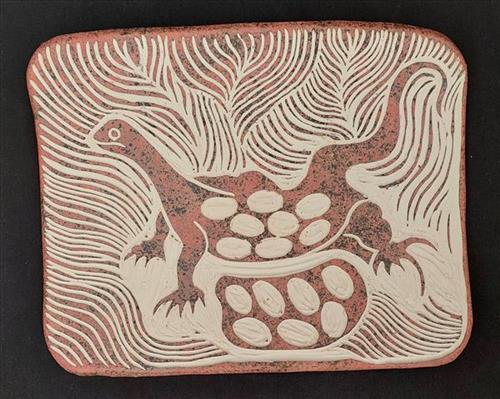
Walkar (Bush Goanna) is found in eastern and western Yalanji land both in rainforest country and inland plains. Walkarr was an important food source to our Kuku Yalanji ancestors. Goannas are great tree climbers and sometimes hard to catch.
Walkarr was hunted with spears and brought back to prepare and cook in earth ovens or over a fire. Once it was cooked it was laid on paperbark and a mussel shell was used to scrape the outside of the skin and to cut up the meat to share. The oil from the Walkarr was also used as a liniment and to make cooking oil.