11154006462


Status: Stock


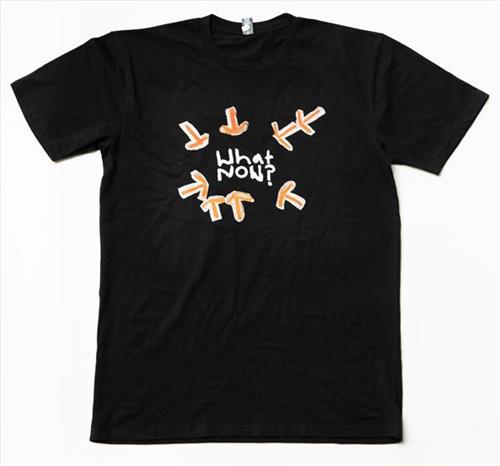
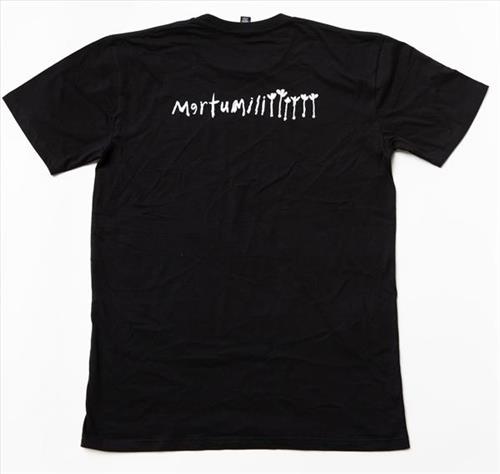
Emu Tracks to Puntawarri – Judith Anya Samson

Slim fit, Crew neck
Light weight, 150 GSM, 100% combed cotton, preshrunk to minimise shrinkage
Available in Black
Sizes: L, XL, 2XL

“Emu go to the springs to have a drink of water and then move on to the next one.”

– Judith Anya Samson

Puntawarri is an important cultural area, as well as the site of a now abandoned community, a waterhole, creek and lake. Puntawarri is located on the middle stretches of the Canning Stock Route and east of the Jigalong Aboriginal Community, where Judith grew up with her grandmother and senior Martumili Artist Dadda Samson (dec.). Anya continues to live between Jigalong and Newman today.

Puntawarri lies within Judith’s ngurra (home Country, camp) through her mother’s family, and as a young girl she frequently travelled and hunted with her family in this area, learning the stories for this Country. Depicted in this work are the tracks of a group of emus on their way to Puntawarri waterhole, searching for kapi (water). 

Karlaya (emu) were traditionally hunted during the pujiman (traditional, desert dwelling) era, and they continue to be a favoured bush tucker for Martu today. During the pujiman period, Martu would traverse very large distances annually in small family groups, moving seasonally from water source to water source, and hunting and gathering bush tucker as they went. Jina (tracks, footprints) are used by Martu people when tracking bush tucker. In the absence of an actual animal sighting, tracks act as an identifier that an animal was present, which can then be followed to the animal’s present location. Besides providing information on location, Martu are able to interpret from tracks the passage of time since the tracks were imprinted, as well as the corresponding animal species and its size.

The softer and more extensive the ground surface, the easier it is to locate and follow tracks, thus certain conditions are favoured for tracking. Tuulparra (spring) and yalijarra (hot time) are preferred over wantajarra (winter), when south easterly tradewinds blow strongly to obscure tracks. Tracks and burrows are also more readily visible in early growth lands, such as nyurnma (freshly burnt Country) and waru-waru (growth of new shoots and young plants). For this reason, fire burning is an important tool in animal tracking. Small burns are lit to clear vegetation, expose burrows, and to allow for access to walk and track readily in exposed sands, while simultaneously providing diverse regenerating habitats.

11154006461


Status: Stock


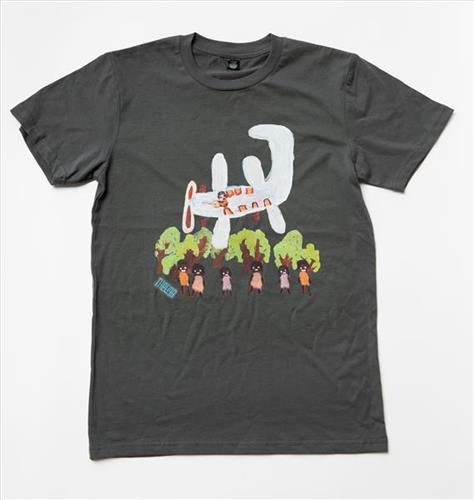
‘Plane in Pujiman Days’ by Thelma Judson

Slim fit, Crew neck
Light weight, 150 GSM, 100% combed cotton, preshrunk to minimise shrinkage
Available in Khaki Green
Sizes: S, M, L, XL

“We travelled all around as pujiman (traditional, desert dweller), camping and then setting off again by foot. We didn’t get tired. We just kept on going. Sometimes it would rain, so we would build a shelter, just like a tent. Inside we would light a fire. Our pujiman lifestyle was very healthy and we didn’t get sick very often. Even when it was cold we continued to walk around in good health.

Our knowledge is ancient and has been passed on by our grandparents. Young people need to keep looking after it. Our home is where our ancestors walked around. They knew how to care for it. Now we are teaching the younger generation.”

– Nyanjilpayi (Ngarnjapayi) Nancy Chapman as translated by Kanyirninpa Jukurrpa


It is of great significance to the creative output of Martumili Artists that some of the last of the remaining pujiman comprise a high portion of the core elders that paint with the group. Through these elders critical traditional cultural and social knowledge has been, and continues to be passed on to younger Martu artists; knowledge from the pujiman era. At this time Martu traversed very large distances annually in small family groups, moving seasonally from water source to water source, and hunting and gathering bush tucker as they went.

Whilst desert life has moved away from mobile hunter-gatherer subsistence throughout the course of the twentieth century, all Martumili Artists, young and old, have regular experience in the practices that most closely approximate the pujiman lifestyle. Living between Newman and the remote Martu communities of Punmu, Parnngurr, Kunawarritji, Jigalong, Irrungadji (Nullagine) and Warralong, knowledge of Jukurrpa (Dreaming) narratives, kapi location and quality, and the medicinal properties of native plants, as well as the continued practices of hunting, gathering, and waru (fire) burning are all transferred to younger generations as integral components of everyday life.

In addition to strong cultural and social maintenance through life in Aboriginal communities, cultural knowledge is transferred through visual arts as practiced by Martumili Artists. Younger Martu artists typically begin painting with their parents, grandparents and extended family, thus fostering an organic process of learning, not only about painting techniques, but also specific locations, family histories, traditional ways of life, bush tucker and Jukurrpa.

37781614006460


Status: Stock


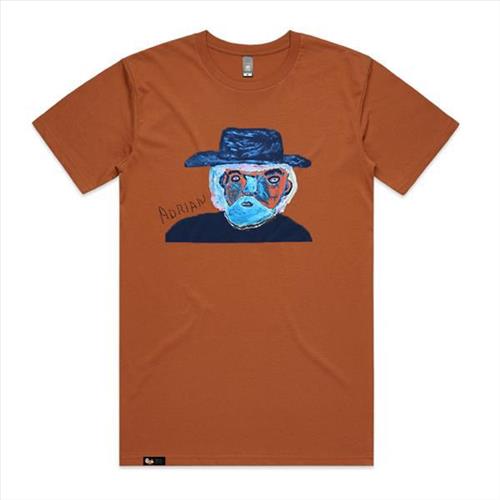
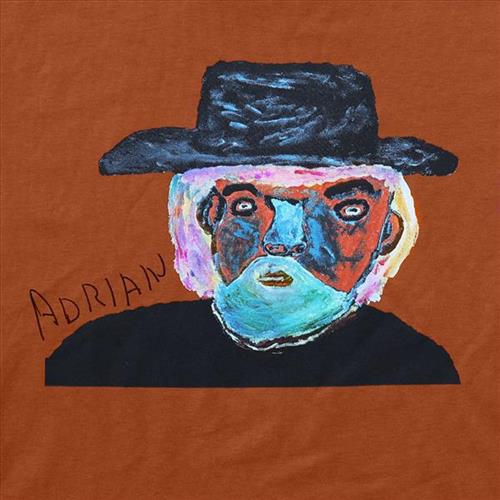
Cowboy – Adrian Robertson

Digitally printed in Australia on 100% combed cotton with regular fit.

T-shirts are available in two styles. Maple style is shorter in length and sleeve (more of a woman’s cut). Staple is longer in sleeve and length (unisex).

 Available in Sizes XS-3XL

37781614006459


Status: Stock


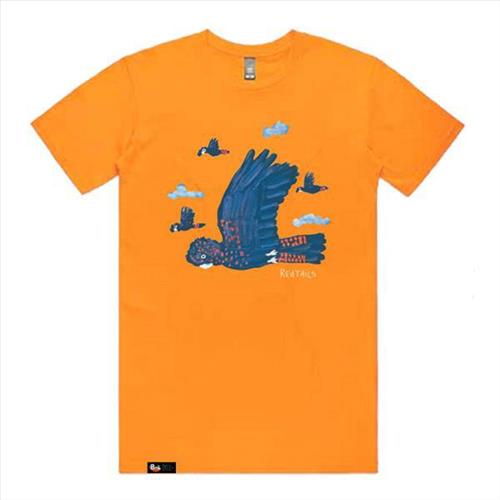
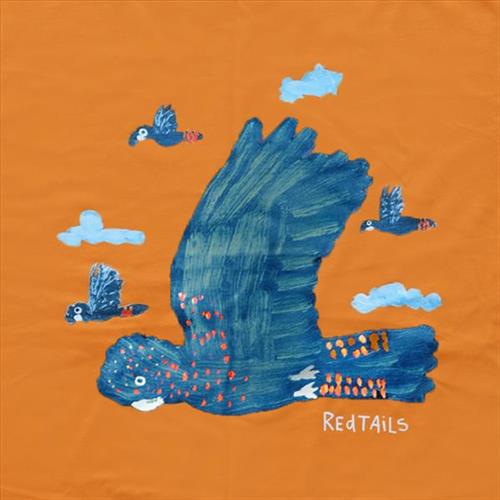
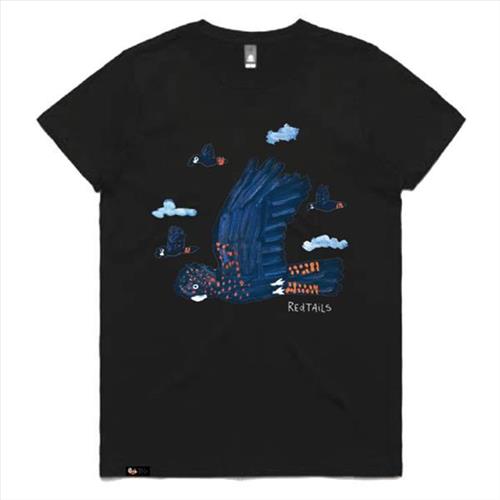
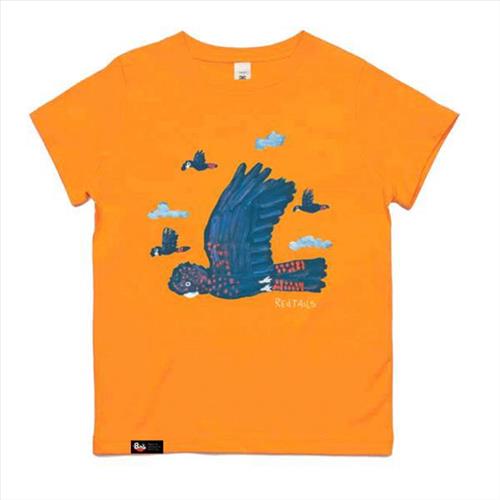
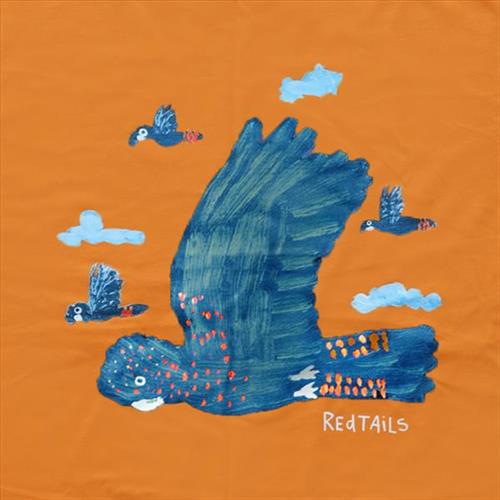
Redtails Looking for Shelter – Kukula McDonald

“Two Redtails kissing, others looking, big mob makin’ big noise and the chatter of the ‘Red Bums’ saying ‘I’m Coming, I’ve got to find a nest.'”

Digitally printed in Australia on 100% combed cotton with regular fit.

T-shirts are available in two styles. Maple style is shorter in length and sleeve (more of a woman’s cut). Staple is longer in sleeve and length (unisex).

 Available in Sizes XS-3XL

37781614005118


Status: Stock


Redtails Looking for Shelter – Kukula McDonald

“Two Redtails kissing, others looking, big mob makin’ big noise and the chatter of the ‘Red Bums’ saying ‘I’m Coming, I’ve got to find a nest.'”

Digitally printed in Australia on 100% combed cotton with regular fit.

T-shirts are available in two styles. Maple style is shorter in length and sleeve (more of a woman’s cut). Staple is longer in sleeve and length (unisex).

 Available in Sizes XS-3XL


37781614005117


Status: Stock


Redtails Looking for Shelter – Kukula McDonald

“Two Redtails kissing, others looking, big mob makin’ big noise and the chatter of the ‘Red Bums’ saying ‘I’m Coming, I’ve got to find a nest.'”

Digitally printed in Australia on 100% combed cotton with regular fit.

Kids sizes 4-8, Youth sizes 8-16

37781614004572


Status: Stock


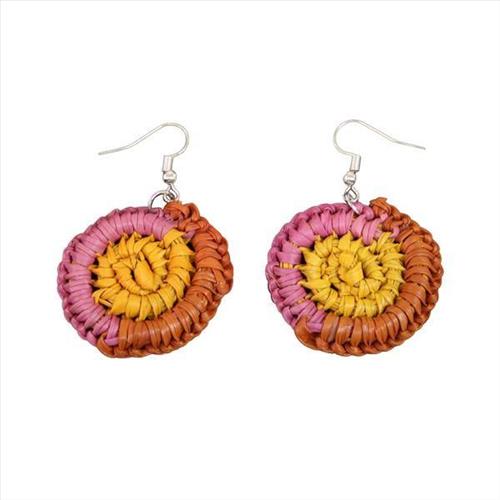
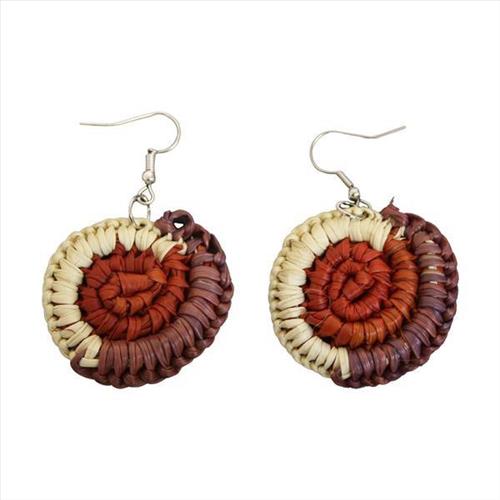
Pandanus earrings by Daphne Banyawarra

Bush-dyed pandanus, harvested locally and dyed with bush dyes
Yolŋu artist and masterweaver Daphne Banyawarra is a strong Ganalbingu woman from Gurrwiliny (Arafura Wetlands). Her intricate and highly skilled works are made from naturally dyed pandanus and kurrajong plant materials sourced from the bush surrounding Ramingining, Arnhem Land. Her work embodies the traditional knowledge of the Yolngu Nation. The plant material is worked and treated in the ways passed on from ancestors and in doing, she recreates and identifies with sacred ceremonial objects which connect Yolngu to each other, to their past, their Creative Beings and to their Country.

Daphne harvests the youngest bunches of leaves from the top of the Gunga (pandanus spiralis) with a hooked long stick. The prickly edges stripped off with the thumb nail. Daphne returns to the bush to collect natural dyes from roots, leaves and grasses. The stripped pandanus is then boiled with the dye to create the variety of colours. The freshly dyed strips of pandanus are hung to drip-dry and are ready f or weaving whilst the fibres are still moist and pliable.

37781614004166


Status: Stock


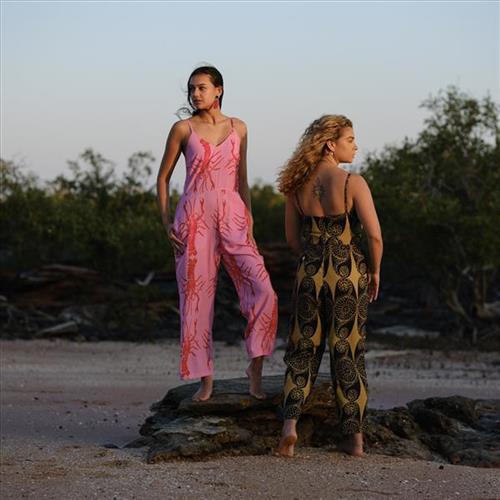
Jarndu Jumpsuit

Jarndu (Woman) Jumpsuits,

Two Artist Designs on cotton:

Jiidid (Whirlpool) by Cecelia Tigan

Joolgie (Fresh Water Crayfish) by Dena Gower

Your purchase of this garment provides income for Aboriginal women artists and helps give them a platform to share their culture and stories.

Nagula Jarndu (Saltwater Woman) is a not-for-profit, 100% Aboriginal owned and governed organisation and the profits from your purchase will go directly to the artist and back into the organisation to fund future projects.

37781614004035


Status: Stock


Kija Country (pink) – Anne Nunn

Rowena is a Kija-Gooniyandi-Jaru woman from the Halls Creek area of The Kimberley. The design depicts the hills of this Country, particularly the Lansdowne Ranges Country which through her Grandmother, Rowena is the custodian.

Handcrafted from acrylic with a stainless steel post.

Size: Diameter approx. 5cm.

pink mirror with a teal mirror circle top.

37781614003881


Status: Stock


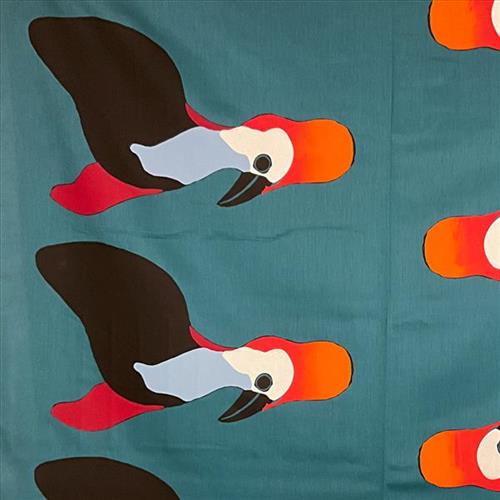
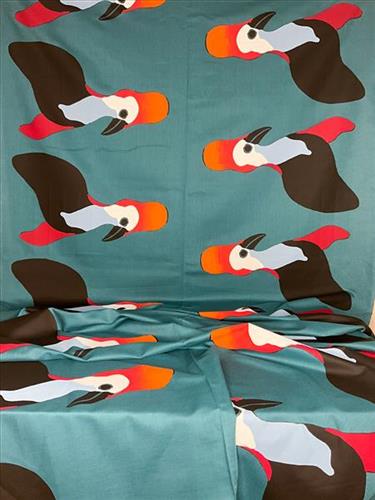
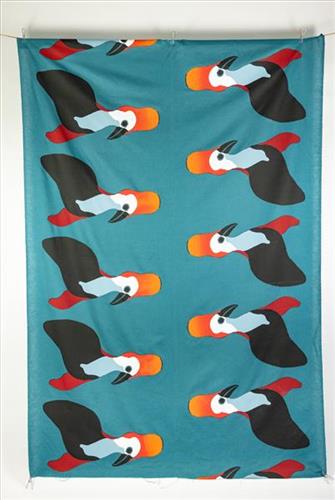
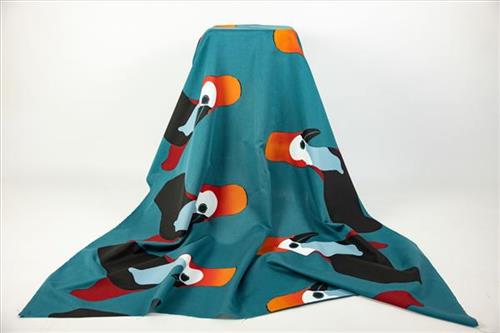
Bianca Simpson, Kurranji (Cassowary)

The cassowary is one of the major totems (Ancestral Spirit Beings) for our Kuku Yalanji people. He is a big, dangerous bird that rules the rainforest. The cassowary can attack people but at the same time he helps growing many of the plants we used to collect for food, medicine and tool making.

I inherited the Cassowary Totem and all the cultural stories relating to it from my mother’s side. When I was four years old, my mum taught me how to dance the story of the female cassowary, who is protecting the chicks and the eggs from the carpet snake and goanna.

As a young women, I took on the role of my mum and began teaching our cultural dances to the younger generation at the Mossman Gorge community as well as children that live in Mossman town. I still do this today.

Screen printed by hand in Sydney, by master printers on 100% cotton linen. Sold by the metre in 132 cm width.

Care Instructions: Gentle machine or hand wash only in cool water, using mild detergent.

Do Not Soak, Bleach, Rub, Wring, Tumble. Line Dry Only in Shade.

Warm Iron on Reverse. Do Not Dry Clean.