221282311313


Nintitjaku

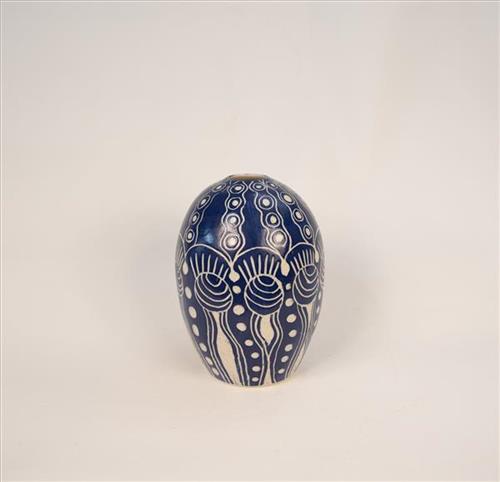
Tjunkaya is a proficient writer in her own language, Pitjantjatjara and a highly respected senior leader. She is known throughout the region for her leadership particularly in regards to education policy and cultural maintenance. She had written widely on the history of her life, Ernabella and the art centre. This work is about the Pitjantjatjara concept of nintitjaku which means to teach, show or pass down. This is cultural obligation which Tjunkaya passionately pursues through her work both inside and outside the art centre.
221282311296


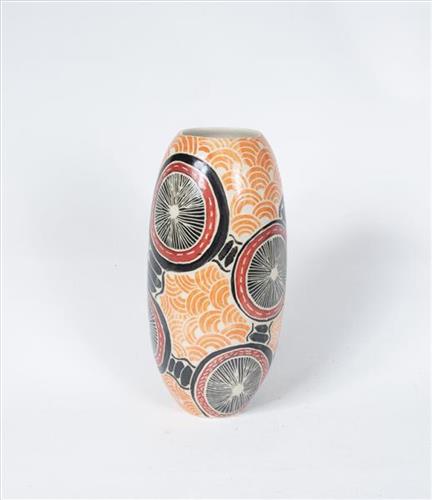
Wira Walka

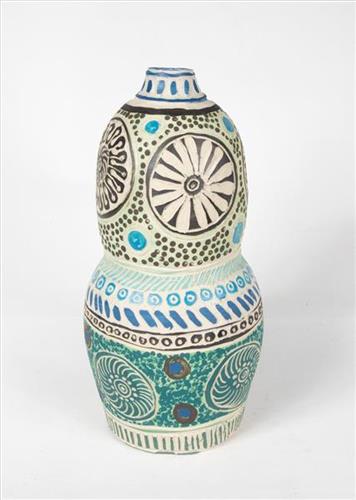
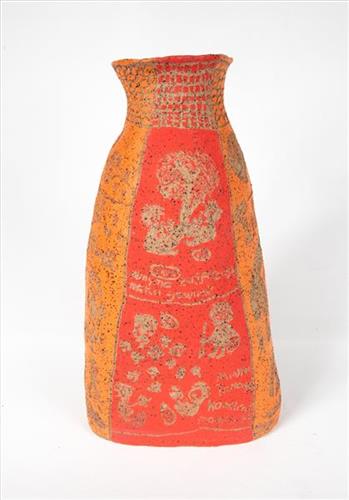
Wira is a small cup-like digging bowl or multi-purpose object. In the early days this walka (design) was burnt with wire on to wooden carvings, particularly onto the wira. This association with women has seen the wira walka take on an identity as a female design. It is also highly reminiscent of the marks made in ochre or paint on a woman’s breasts during inma (ceremony). This design has become an iconic element in art from the Anangu Pitjantjatjara Yangkantjatjara Lands.

221282311295


Wira Walka

Wira is a small cup-like digging bowl or multi-purpose object. In the early days this walka (design) was burnt with wire on to wooden carvings, particularly onto the wira. This association with women has seen the wira walka take on an identity as a female design. It is also highly reminiscent of the marks made in ochre or paint on a woman’s breasts during inma (ceremony). This design has become an iconic element in art from the Anangu Pitjantjatjara Yangkantjatjara Lands.

221282315016


Tjukula/Waterholes

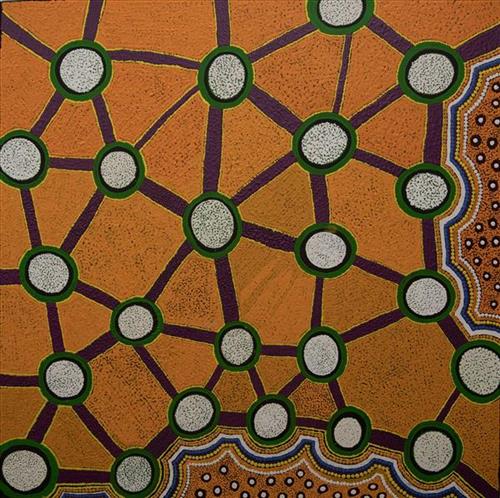
For the Pitjantjatjara people living in the desert, knowledge of their water sources was critical to their survival. This resulted in an intimate understanding of the landscape which continues today. Water is an essential element in the desert. These rock holes were particularly important during the dry season when most of the water holes and creeks dried up.  Deep familiarity with the topography of their country and the way rain would interact with the land ensured constant sources of water could be found. Knowledge of rock hole sites is passed on from generation to generation and revered by all Anangu (people).

Tjukula means rock-holes, which are found with surprising frequency in the Musgrave Ranges and country around Ernabella.  Between visits, Anangu would use a construction of rocks and spinifex to guard these important water sources from spoilage by feral and stock animals such as cattle, camels, horses and donkeys.

221282314987


Anumara – Caterpillar

Yurpiya is painting a place called Anumara, which is a place near Irrunytju (Wingellina) in WA. This is Yurpiya’s family’s country. Anumara is also the name for a kind of caterpillar and Anumara is the tjukurpa (dreaming) place for this caterpillar. This caterpillar lives in the grass and can be eaten if the grass it eats is removed. The place shares the same colours of the caterpillar – brown, yellow and pale green. Keeping this place safe will ensure that the caterpillars multiply.

221282315714


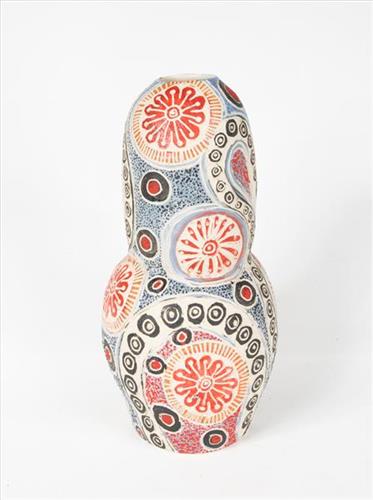
Ngayuku Walka / My Design

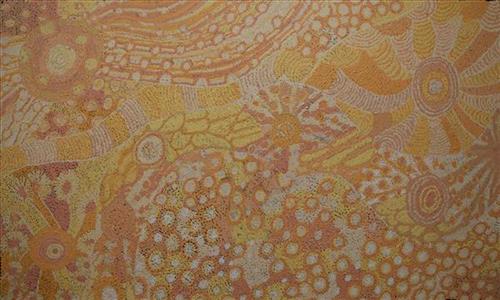
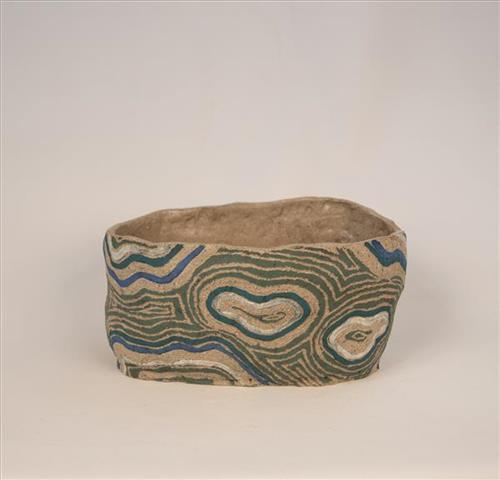
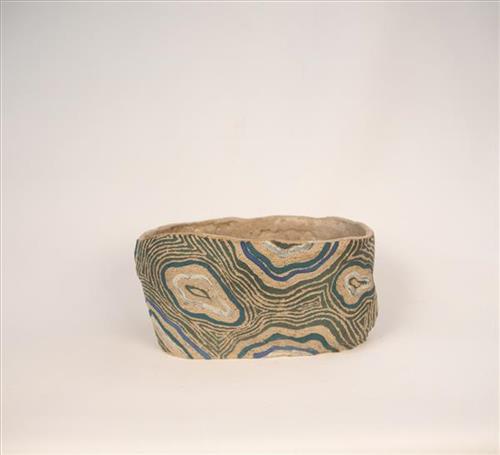
Walka means design or pattern. Artists use this title to describe artworks that are pattern based rather than descriptive or telling a story.

221282319343


Ngayuku Walka / My Design

Walka means design or pattern. Artists use this title to describe artworks that are pattern based rather than descriptive or telling a story.

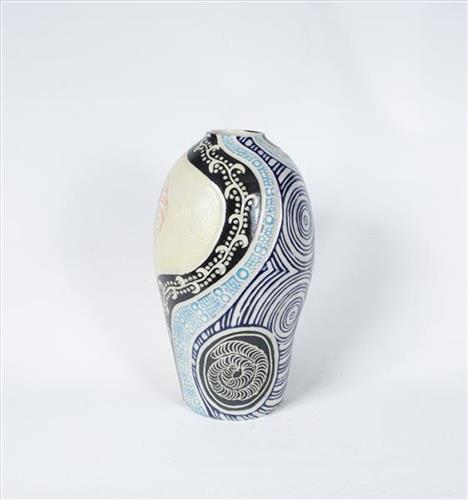
221282319303


Ngayuku Walka / My Design

Walka means design or pattern. Artists use this title to describe artworks that are pattern based rather than descriptive or telling a story.

221282319201


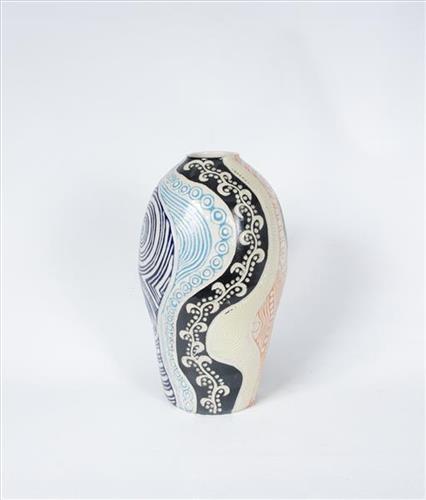
Ngayuku Walka / My Design

Walka means design or pattern. Artists use this title to describe artworks that are pattern based rather than descriptive or telling a story.