111982354211


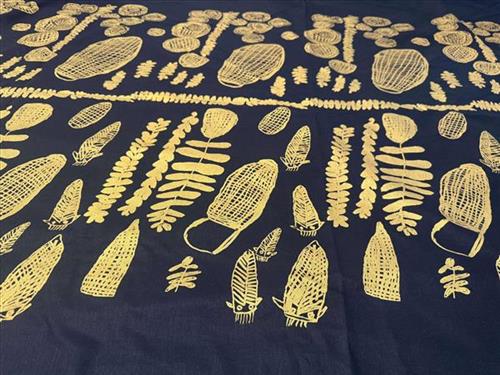
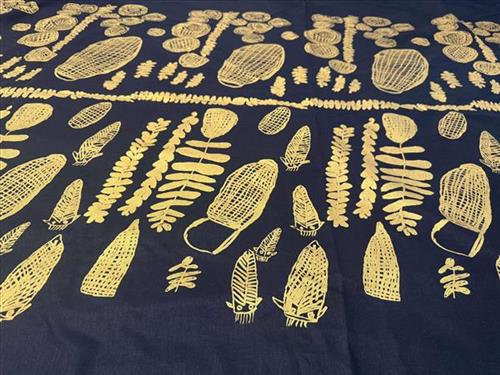
Coil Basket

Coil basketry is a well-established fibre art form in the Maningrida region, especially for women from the Kuninjku, Rembarrnga, Ndjebbana and Nakkara language groups. 

Artists make coiled baskets of many shapes and sizes, ranging from small round baskets to large oval baby baskets, and made mostly from pandanus fibre that is dyed with natural pigments. Bundles of fibre are formed into coils which are covered and stitched together with strands of fibre threaded onto a needle. Artists combine colours and patterns to obtain intricate new graphic patterns.

These techniques are believed to have been introduced to Arnhem Land by Greta Matthews, a missionary on Goulburn Island in the 1920s. She had probably learnt coil basketry from Aboriginal people in the south-east of Australia, possibly the Murray River people such as the Yorta Yorta or the coastal Ngarrindjeri. 

The coiling technique spread quickly from Goulburn Island to people on mainland Arnhem Land. 



377810582354608


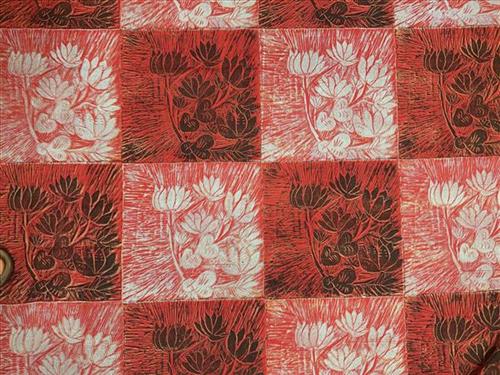
Waterlily

This fabric was created using the linocut printing technique. The lino tile has been carved by the artist in Maningrida, and has been printed by hand using a variety of colours and layers. The linocut technique ensures each textile piece is a one-off, limited edition piece. Bábbarra Women’s Centre supports the economic independence of Indigenous women in the Arnhem Land community of Maningrida, Northern Territory, Australia. Designs created by the women at Bábbarra reflect strong cultural knowledge, which is passed down to younger generations through their textile design practice.

377810582354538


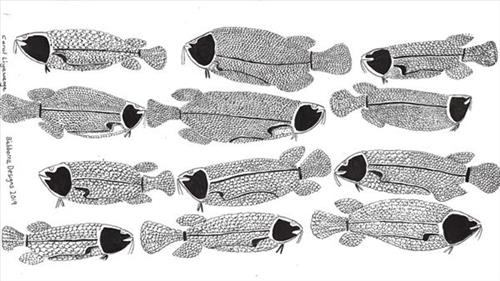
Ngaldadmurrng (Saratoga)

This design tells the story of Saratoga dreaming,  a freshwater fish that swims on the edge of creeks and rivers. This design is the Saratoga dreaming from the Mularra songline. Where the Saratoga we call Murdulngu, Danguny travelled from Malmyangarnak billabong to Mirrigatja.

This Billabong was owned by Murdulngu (Saratoga) before the water was taken over by shark Barlangu he came all the way from east to north then to west. He was travelling when that water level was high he went up the stream but he couldn’t make it. This Barlangu came from Murruggun clan but really this shark came from long way all the way south. This story is connected through Mularra songline it represents many clans.

With permission from clan elders, Carol is able to pass on this family knowledge through her passion in textile and art.


‘I am proud of my first design, I want to keep this design for future, for my children and grandchildren so they remember this story, this story is a big part of the mularra songline’ Carol Liyawanga Campion

115682354508


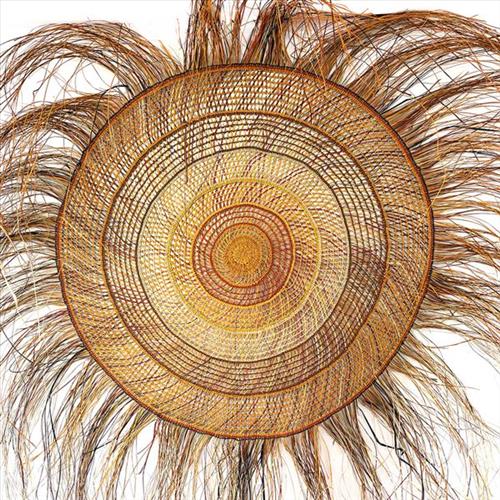
Woven Mat

Traditionally, Nganiyal (conical mats) were used as an insect screen when erected, and as a sitting mat when folded. They are used in Ceremony as well as a functional item. 

Nowadays, artists weave many different shapes including flat, round and oblong. 

115682354507


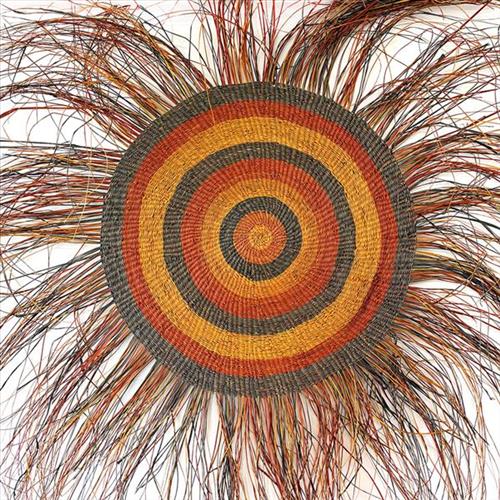
Woven Mat

Traditionally, Nganiyal (conical mats) were used as an insect screen when erected, and as a sitting mat when folded. They are used in Ceremony as well as a functional item. 

Nowadays, artists weave many different shapes including flat, round and oblong. 

220982354451


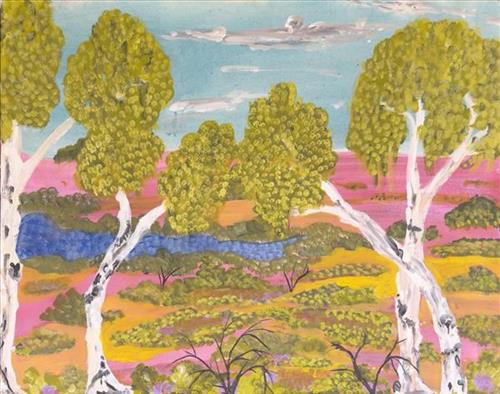
Elizabeth Ngwarraye Bonney – My Grandmothers Country

I still hunt my Grand Mothers country for goanna, bush medicine and yams.

I hunt all year round, hunting and walking through the country makes me happy.  When I look at the distant hills I can feel my grandmother.  Bush flowers are everywhere.

Painting and printing my grandmother’s country reminds about those times.

220982354380


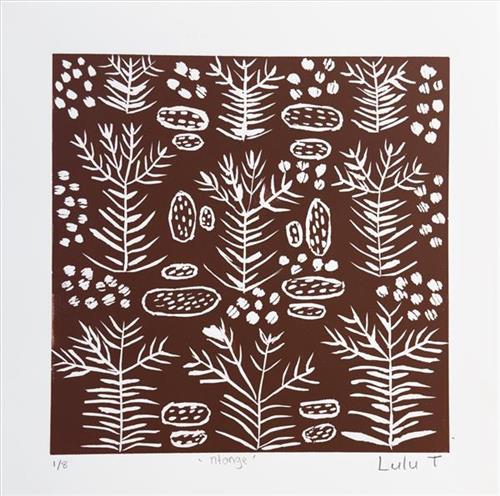
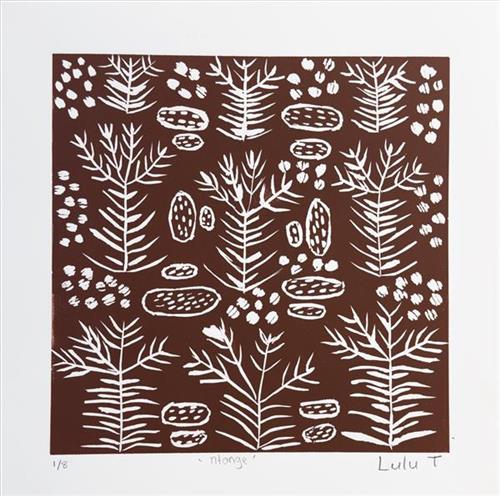
Ntang Native Seeds

The seeds are collected under a tree by laying a tarp on the ground and hitting the tree continuously until most of the seeds have fallen. Once the seeds are collected they are then ground with a mortar and grinding stone.

A number of these grinding stones have been in families for generations. Once seeds are ground, water is added and mixed until a damper like substance is formed and placed under the coals until cooked.

220982354373


Ntang Native Seeds

The seeds are collected under a tree by laying a tarp on the ground and hitting the tree continuously until most of the seeds have fallen. Once the seeds are collected they are then ground with a mortar and grinding stone.

A number of these grinding stones have been in families for generations. Once seeds are ground, water is added and mixed until a damper like substance is formed and placed under the coals until cooked.