225182360842
Wakal (Freshwater Prawn)
Wakal are small freshwater prawns. They can be found in streams and creeks where they hide under rocks. We use them as bait when fishing up-stream and in deep waterholes.
225182360841
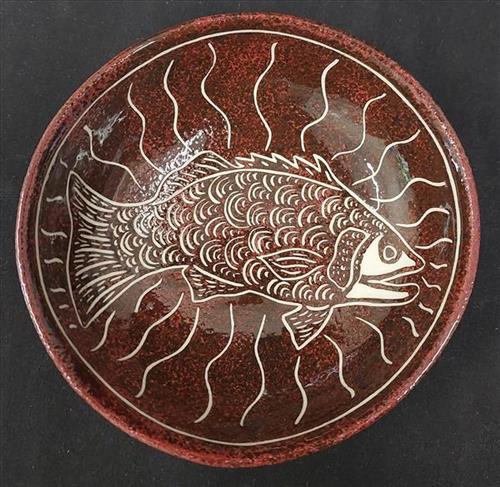
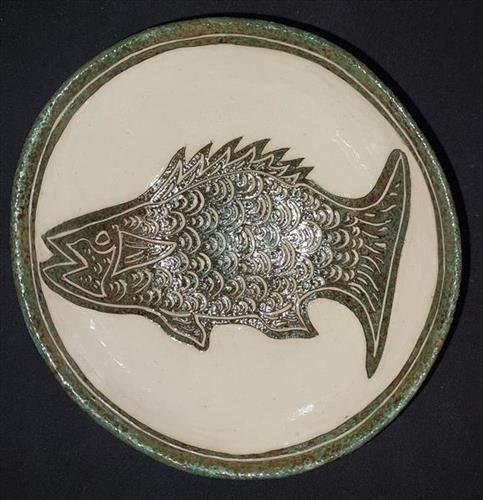
Bayil (Jungle Perch)

225182360839
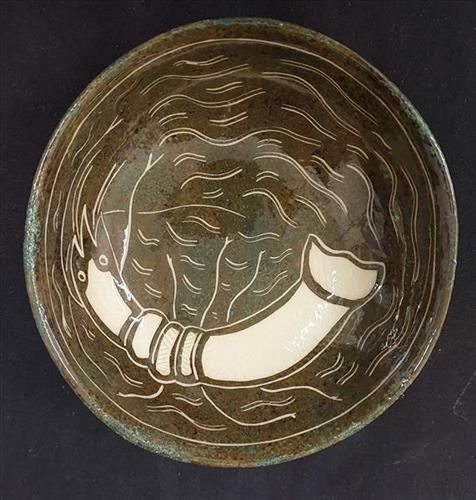
Wakal (Freshwater Prawn)
Wakal are small freshwater prawns. They can be found in streams and creeks where they hide under rocks. We use them as bait when fishing up-stream and in deep waterholes.

225182360838
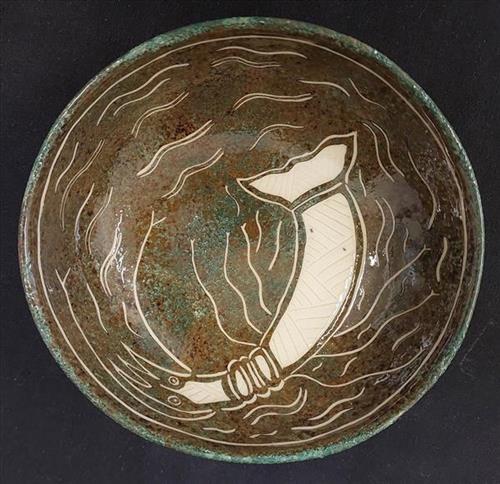
Wakal (Freshwater Prawn)
Wakal are small freshwater prawns. They can be found in streams and creeks where they hide under rocks. We use them as bait when fishing up-stream and in deep waterholes.

225182360837
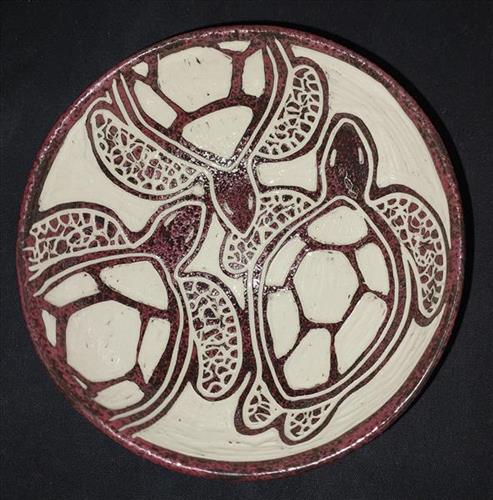
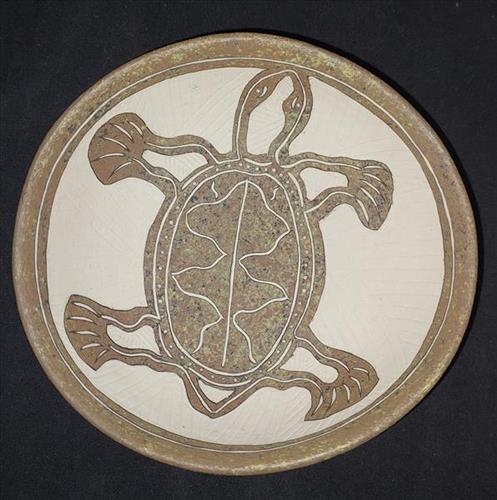
Ngawiya (Sea Turtle)
225182360836
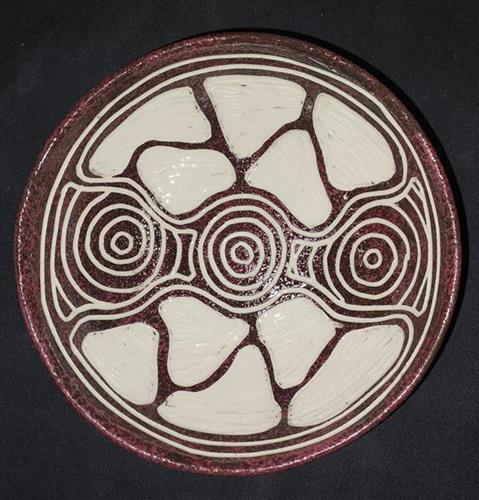
Mossman River Design
The Mossman River is very important to me and my family. Laurence, my partner and the father of our 5 children, is one of the Traditional Owners of this area. We both grew up along the river and Laurence’s grandparents used to live in a hut next to the river. In the hot season, we used to camp there with our families. Laurence would teach me and later our children how to dive for turtle and fish. We would cross the river to hunt and collect bush food. Back at the camp, we would make fire, cook our damper and fish in an earth oven and share with our families.
225182360834
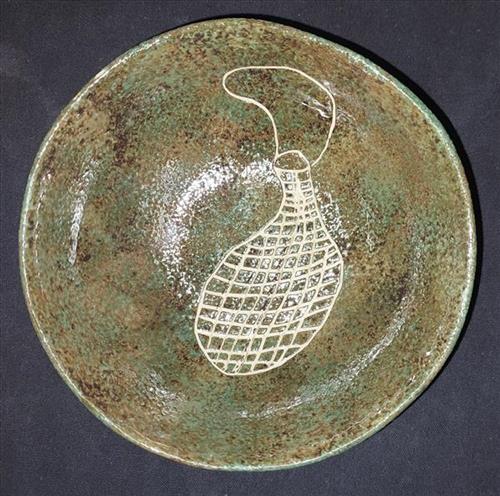
Kakan (Black Palm) Dillybag.
Our ancestors used Kakan (Black Palm) dilly bags to carry food when out hunting and gathering or soak bitter yams in creeks before cooking them. They were also used to hold personal items.
When I was a young girl my grandmother would teach me how to make Black Palm dillybags. We used to set up camp with other Kuku Yalanji women at a creek near Helenvale. It is very hard work. The men would help us cutting down the palm trees and separate the crownshaft from the trunk and the leaves. Then the women used to peel away the outer leaves until they felt strong threads they could pull out. They cleaned these threads from pulp with a mussel shell. When we moved away from Helenvale I forgot how to make them. Luckily years later I asked a relative of mine, Wilma Walker, who is great weaver, if she could refresh my memories. From then on I kept making dillybags as long as my health allowed it. I really enjoyed making them.
225182360833
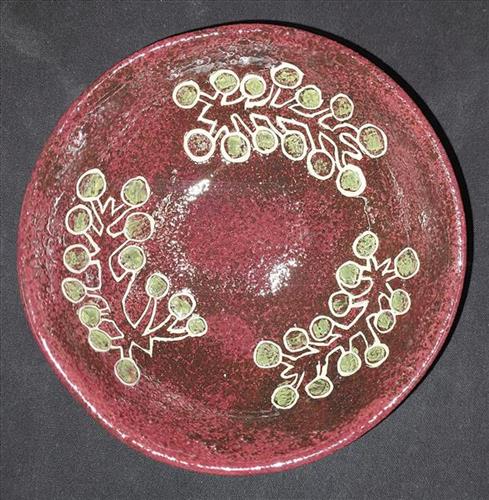
Janbal (Quandong)
Janbal (Quandong) is good bush tucker. We gather the fruit from August to January when they are sweet and soft. The kernel of the fruit is very pretty and we often use it to make body adornments such as necklaces and earrings.
225182360832
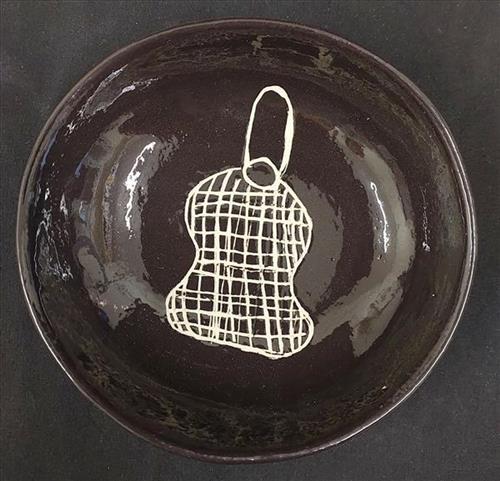
Kakan (Black Palm) Dillybag.
Our ancestors used Kakan (Black Palm) dilly bags to carry food when out hunting and gathering or soak bitter yams in creeks before cooking them. They were also used to hold personal items.
When I was a young girl my grandmother would teach me how to make Black Palm dillybags. We used to set up camp with other Kuku Yalanji women at a creek near Helenvale. It is very hard work. The men would help us cutting down the palm trees and separate the crownshaft from the trunk and the leaves. Then the women used to peel away the outer leaves until they felt strong threads they could pull out. They cleaned these threads from pulp with a mussel shell. When we moved away from Helenvale I forgot how to make them. Luckily years later I asked a relative of mine, Wilma Walker, who is great weaver, if she could refresh my memories. From then on I kept making dillybags as long as my health allowed it. I really enjoyed making them.