225182360831


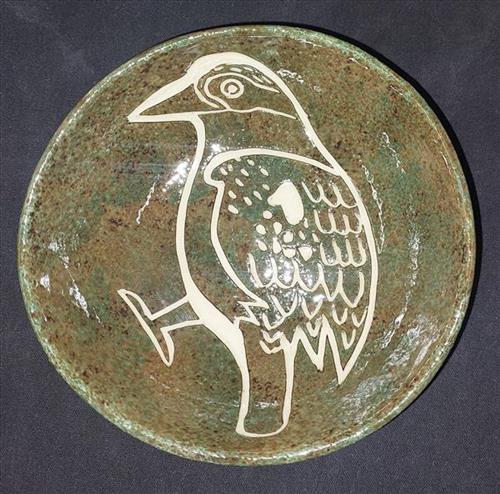
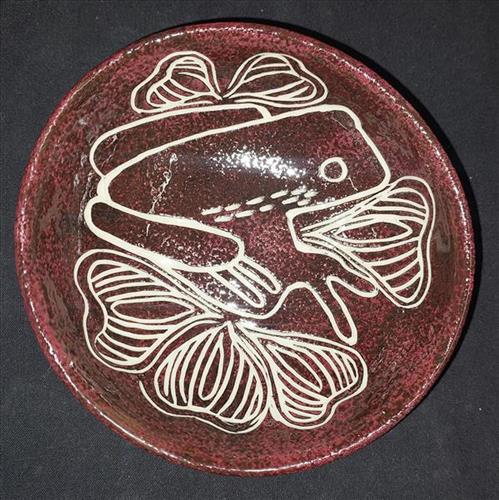
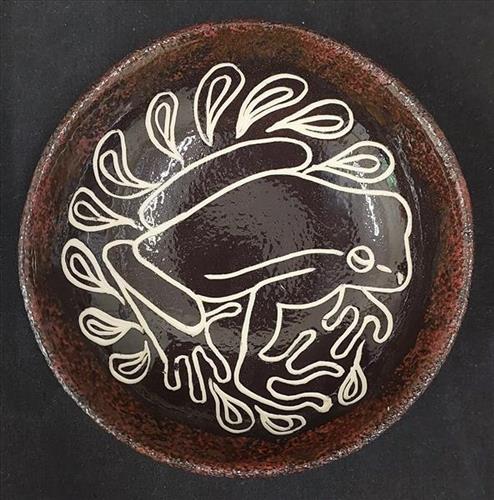
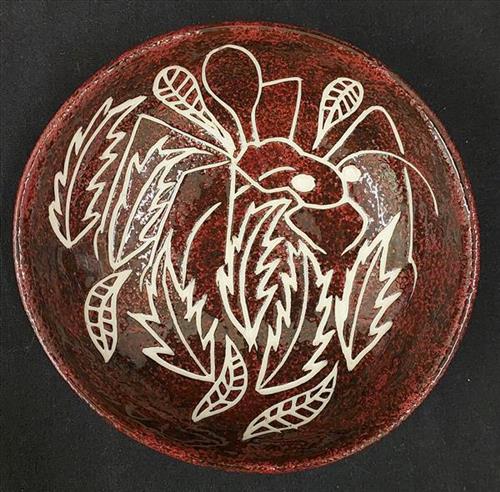
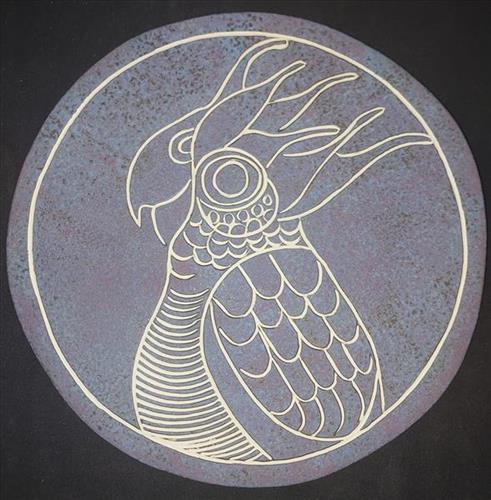
Yindili (Kingfisher)

The Kingfisher, known as Yindili in Kuku Yalanji language, is according to our culture one of the significant messenger birds.  The Kingfisher will let us know when to expect a visit from families living in another community, And when we see a Kingfisher close by, we know that something good will soon happen in our personal life.

225182360818


Yindili (Kingfisher)

The Kingfisher, known as Yindili in Kuku Yalanji language, is according to our culture one of the significant messenger birds.  The Kingfisher will let us know when to expect a visit from families living in another community, And when we see a Kingfisher close by, we know that something good will soon happen in our personal life.

225182360817


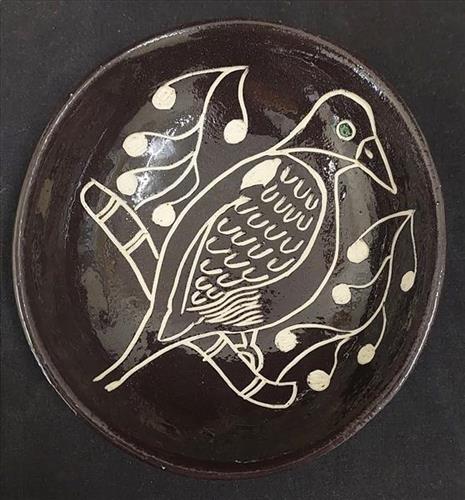
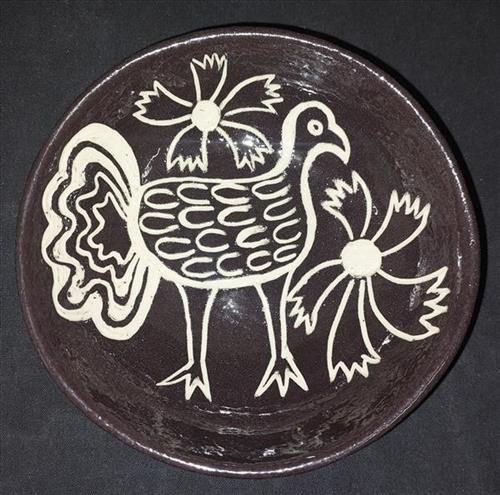
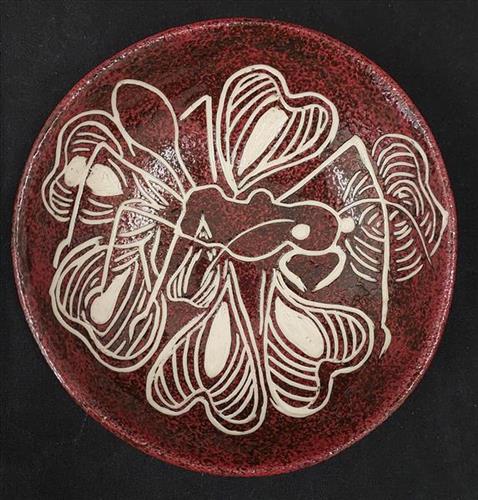
Diwan (Scrub Turkey)

Diwan are bush food – an important source of meat. We also eat the eggs. They are a delicacy. The male bird looks after the nest and will not go far, as he has to protect the nest from bush goanna’s. If they come around, he will send out an alarm call to other Diwan to alert therm. The nesting time for Diwan is September to December. The bush goanna knows when the eggs will be ready to hatch. When the goannas start hanging around, this is a good sign that the eggs are ready. We dig for eggs with digging sticks or by hand. The nest is very deep and when you can feel the warmth with your hands, you know that the eggs are close-by. The eggs are very good for health and make you strong.

377810582360799


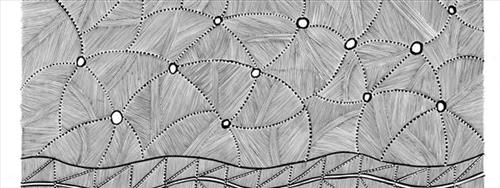
Kunkurra (Spiral Wind)

‘My designs, they are all alive living up in my head’- Janet Marawarr

Janet Marawarr has depicted kunkurra, the spiralling wind associated with several sites in the Kardbam clan. On one level, this design can be interpreted as a depiction of the kinds of mini-cyclones common during the wet season in Arnhem Land, where the artist lives. Kunkurra also relates specifically to a site called Bilwoyinj, near Mankorlod, on the artist’s clan estate.

At this site, two of the most important Kuninjku creation beings, a father and son known as na-korrkko, are believed to have hunted and eaten a goanna. They left some of the goanna fat behind at the site, which turned into the rock that still stands there today.

Bilwoyinj site is also a ceremonial ground for a ceremony called Yabbaduruwa, a major ceremony owned by the Yirridja patrimoiety. The Yabbaduruwa ceremony is primarily concerned with initiation, land ownership and promoting the cyclical regeneration of the human and natural worlds.