220282237006


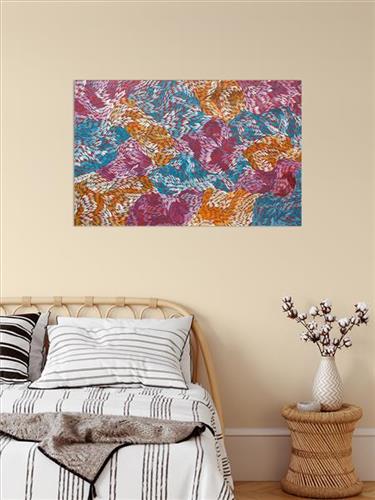
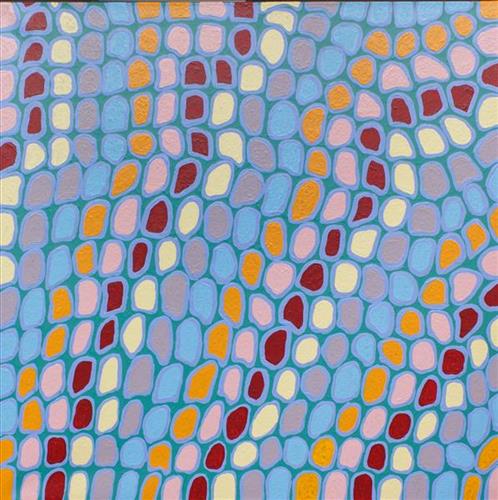
Ininti at Muruntji

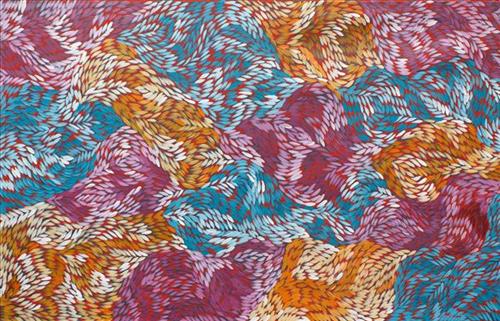
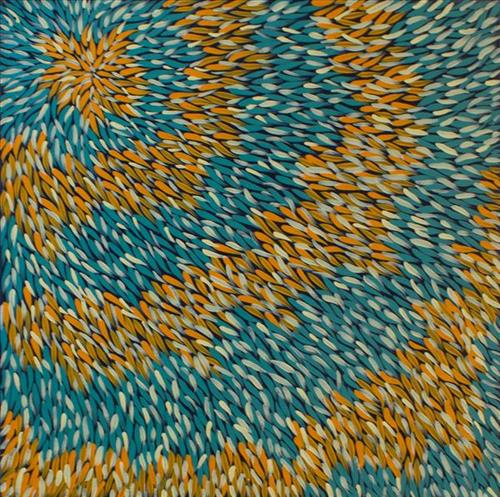
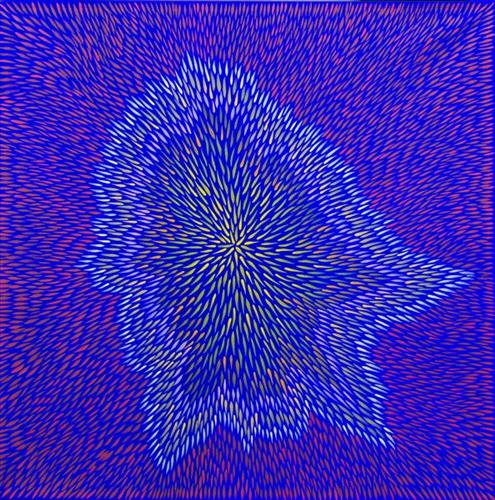
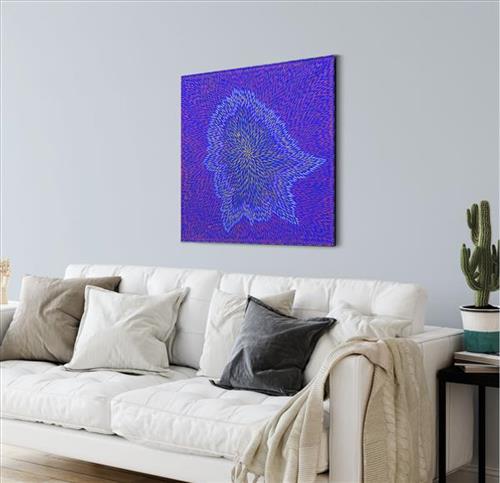
This painting depicts the bush seeds that come from the ininti tree (batwinged coral tree).  The tree is native to the Western Desert of Central Australia, growing in sand around creek beds. The ininti grow abundantly in Muruntji country where the artist has spent much time collecting the seeds. Muruntji is west of Kungkayunti (Browns Bore), the outstation where the artist’s family is from. Both Patricia Multa, and her daughter Virgillia Multa paint the ininti at Muruntji, expressing the colours and movement of the ininti tree and its seeds and flowers throughout the seasons. Patricia remembers collecting the seeds when she was a child and making them into necklaces. The seeds can be found in the sand, or inside the pods still on the trees. The seeds naturally grow in varying colours from dark reds to light yellows. The flowers are equally vibrant, ranging from rich oranges into reds. Ininti are still collected today and made into jewellery at Ikuntji Artists. 

220282237022


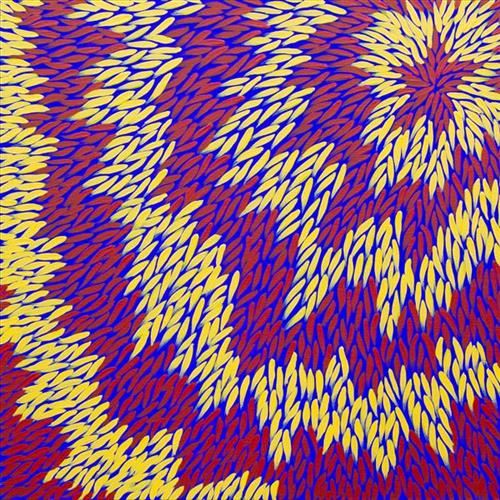
Bushflowers in the wind

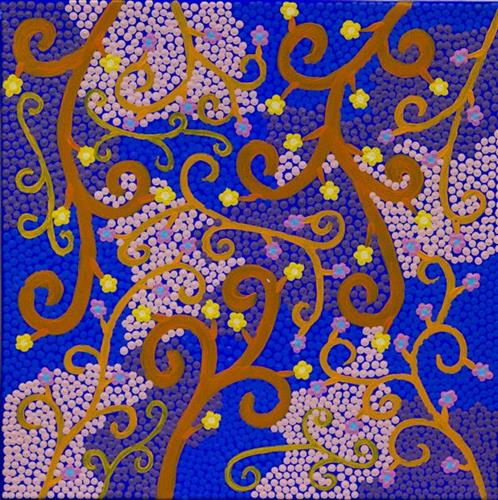
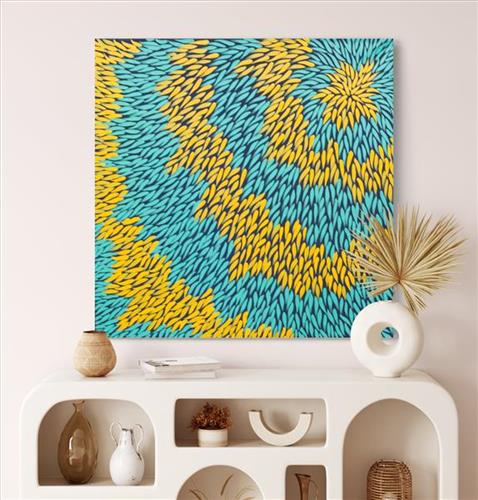
Kathy paints the bushflowers in her grandmother’s country and how the wind creates whirly whirlies. The whirly whirly takes the bushflowers and branches and they move around.

Kathy remembers seeing this with her grandmother and how she told her: that wind will always take you home. You don’t have to be afraid.

220282236989


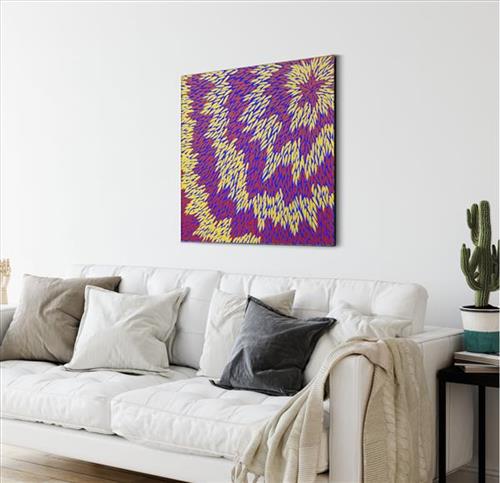
Bushflowers in the wind

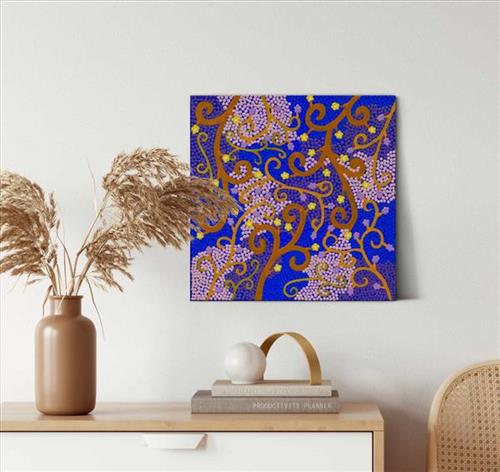
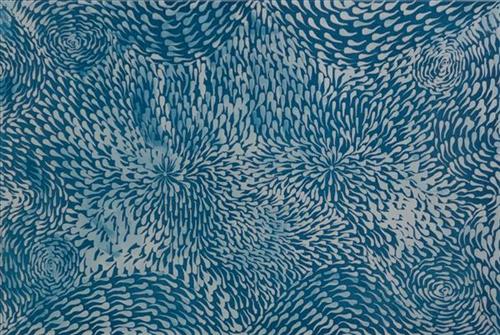
Kathy paints the bushflowers in her grandmother’s country and how the wind creates whirly whirlies. The whirly whirly takes the bushflowers and branches and they move around.

Kathy remembers seeing this with her grandmother and how she told her: that wind will always take you home. You don’t have to be afraid.

220282243792


Yalka at Karrkurutinytja (Bush onion Dreaming at Lake Macdonald)

Daphne was passed down the right to paint the Yalka Tjukurrpa at Karrkurutinytja (Bush onion dreaming at Lake Macdonald) from her grandmother, Narputta Nangala Jugadai. Narputta, who was a founding member of Ikuntji art centre and a prolific painter, was born close to this sight.


Daphne says,


 “My grandmother, Narputta used to make that painting. She told me that story. I used to work here (Ikuntji Women’s Centre) as a cook. I came to learn here. I saw my grandma painting. I learnt from her. She told me that story…Yalka…Bush food…For a long time those old ladies have been looking for Yalka, digging for Yalka, taking the fruit, cooking it in the fire. We cook them just a little bit, like Maku (witchetty grub). I have been looking for that Yalka with my grandmother.”


Yalka Tjukurrpa, as told by Narputta,


“Creek bed at Karrkurutinytja. Two old women, two Nungurrayi, came across from Pulpa and started Gathering bush  onions, putting them into coolamons. They went on a journey west. They approached a group of men and watched them, whilst hiding in the bushed at Pimarrpa (Soakage near Kiwirrkura). There was another lady, Alkiljarra Nakamarra, who came along on their tracks. She saw them where they had gathered bush onions. She became upset that they’d gathered them all up and there were none left. The Nakamarra started walking and came across the creek, where she started collecing mungilpa (a staple seed food for the Pintupi people).  She came across two Tjangalas (Mungilnga and Tiwilgna). Next to them was a rockhole and Atjakalya Nakamarra, who was making damper for them. Mungilnga had the smaller damper. The two Tjangalas ate their damper then she flew off and became a rock there at Kurultu.”

220282244683


Yalka at Karrkurutinytja (Bush onion Dreaming at Lake Macdonald)

Daphne was passed down the right to paint the Yalka Tjukurrpa at Karrkurutinytja (Bush onion dreaming at Lake Macdonald) from her grandmother, Narputta Nangala Jugadai. Narputta, who was a founding member of Ikuntji art centre and a prolific painter, was born close to this sight.


Daphne says,


 “My grandmother, Narputta used to make that painting. She told me that story. I used to work here (Ikuntji Women’s Centre) as a cook. I came to learn here. I saw my grandma painting. I learnt from her. She told me that story…Yalka…Bush food…For a long time those old ladies have been looking for Yalka, digging for Yalka, taking the fruit, cooking it in the fire. We cook them just a little bit, like Maku (witchetty grub). I have been looking for that Yalka with my grandmother.”


Yalka Tjukurrpa, as told by Narputta,


“Creek bed at Karrkurutinytja. Two old women, two Nungurrayi, came across from Pulpa and started Gathering bush  onions, putting them into coolamons. They went on a journey west. They approached a group of men and watched them, whilst hiding in the bushed at Pimarrpa (Soakage near Kiwirrkura). There was another lady, Alkiljarra Nakamarra, who came along on their tracks. She saw them where they had gathered bush onions. She became upset that they’d gathered them all up and there were none left. The Nakamarra started walking and came across the creek, where she started collecing mungilpa (a staple seed food for the Pintupi people).  She came across two Tjangalas (Mungilnga and Tiwilgna). Next to them was a rockhole and Atjakalya Nakamarra, who was making damper for them. Mungilnga had the smaller damper. The two Tjangalas ate their damper then she flew off and became a rock there at Kurultu.”

220282247791


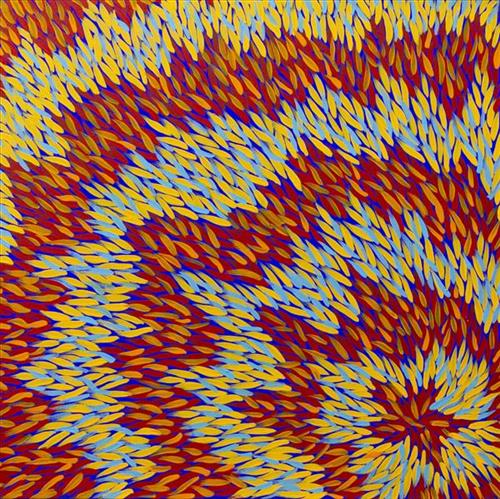
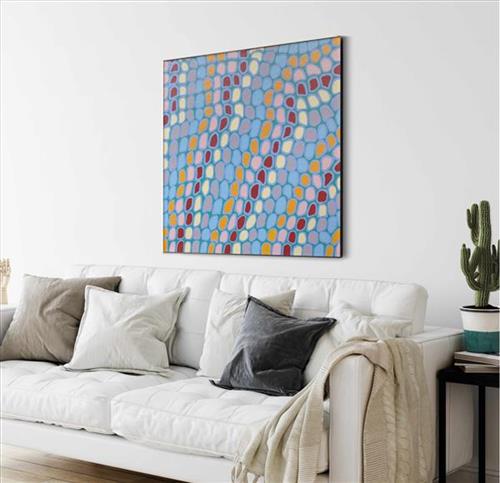
Ininti at Muruntji

This painting depicts the bush seeds that come from the ininti tree (batwinged coral tree).  The tree is native to the Western Desert of Central Australia, growing in sand around creek beds. The ininti grow abundantly in Muruntji country where the artist has spent much time collecting the seeds. Muruntji is west of Kungkayunti (Browns Bore), the outstation where the artist’s family is from. Both Patricia Multa, and her daughter Virgillia Multa paint the ininti at Muruntji, expressing the colours and movement of the ininti tree and its seeds and flowers throughout the seasons. Patricia remembers collecting the seeds when she was a child and making them into necklaces. The seeds can be found in the sand, or inside the pods still on the trees. The seeds naturally grow in varying colours from dark reds to light yellows. The flowers are equally vibrant, ranging from rich oranges into reds. Ininti are still collected today and made into jewellery at Ikuntji Artists. 
220282248190


Tali at Kungkayunti

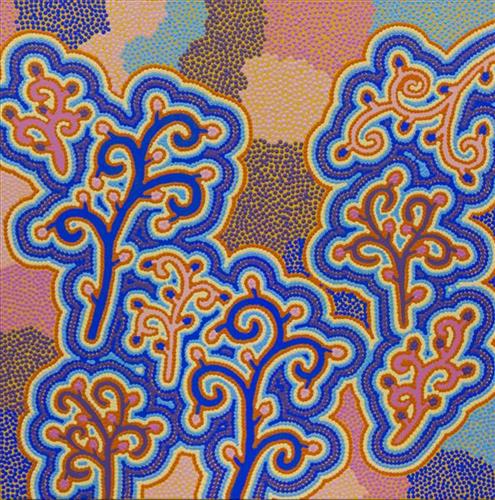
This painting shows the birds eye view of the tali tali (sandhills) at Kungkayunti (Brown’s Bore). This is the country of Joe Tjakamarra Multa, the father of Douglas Multa, Agnes Multa, Lisa Multa, Alison Multa, Rephina Multa, Benita Multa and Patricia Multa and the grandfather to their children. The tali tali are a short walk from where the family lived and the children of Joe grew up.

Lisa remembers walking up the tali tali with her sister, Agnes Multa, who was the same age as her. When Lisa got married she brought her partner to see those tali tali. From the tali tali, a 360-degree view can be seen of the surrounding country. The area is abundant with bush tucker, especially bush tomatoes and bush banana.

Kungkayunti is an important place for the travelling Tjukurrpa of the ancestral Arrernte women who travelled 600 kms from Ntaria (Hermannsburg) to Kintore, past Kulpitarra (Outstation) to attend to women’s business. Kungkayunti is the place where the women first camped. On their long journey, the women stopped at Kunkayunti (Brown’s Bore) to camp, rest, eat and dance. When the women reached their destination, they danced, shared their stories and renewed their law. Those women turned into stone and can be seen today. Annual events continue today to strengthen this Tjukurrpa.

220282248188


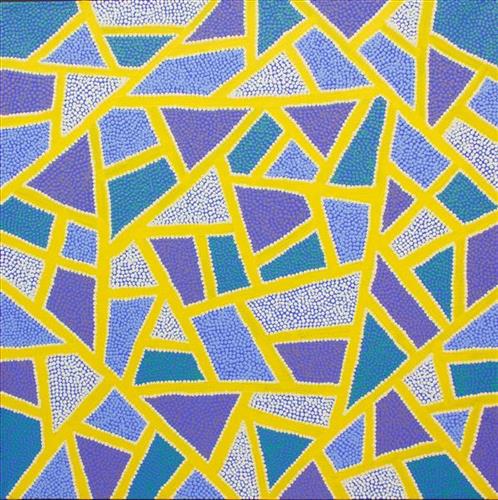
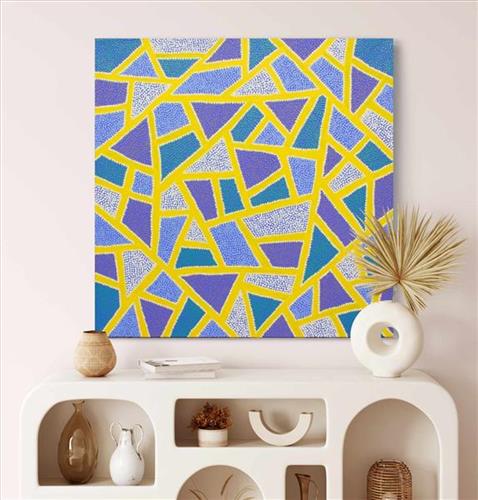
Pikilyi (Vaughn Springs)

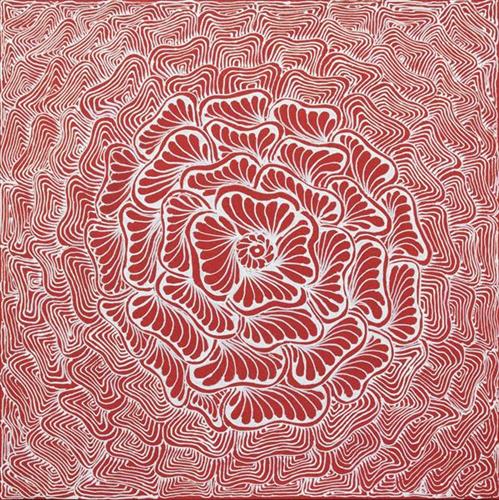
This painting shows Pikilyi (Vaughn Springs) west of Yuendumu. This is Erin’s grandfather’s and great-grandfather’s country. The designs show the skin groups of the Tjapanangkas and the Tjapangardis. The designs represent Pikilyi.