37781054001857


Status: Stock


Cotton linen – $130 per meter

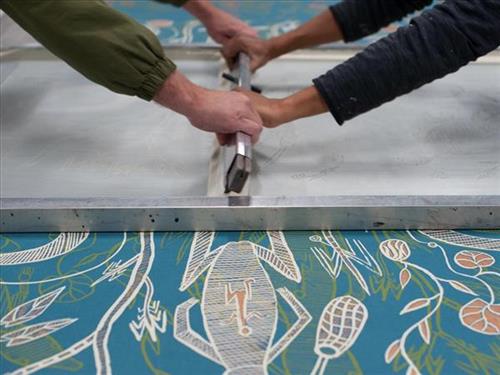
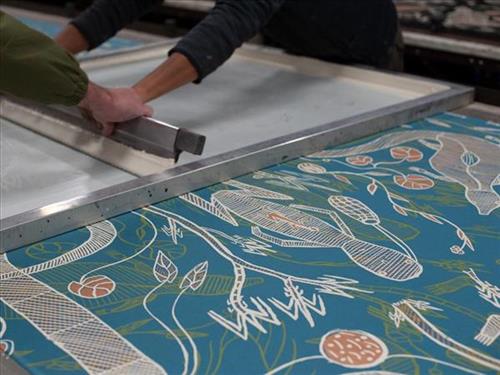
A screen print design developed in 2022 by Abigail Namundja and her late mother, the senior artist Jennifer Kamanj Wurrkidj. 

Kalawan (goanna) Common name: Gould’s Sand Monitor

Kalawan (goanna) is a secret ceremony story. This design also depicts Buluwana (female ancestor) and Ngalyod (rainbow serpent).

At the time of making this work, Abigail did not feel comfortable to discuss the artwork. Senior artist, Janet Kalidjan Marawarr stepped in to say:

“Kalawan stays in mud surrounded by stone. Kalawan is active during the wet season but may hibernate underground during the yekke time – the colder, drier months of  May – August. When people go into the spear grass country to collect pandanus to make mandjabu (fish trap) and marebu (floor mats) they may encounter Kalawan. People respect his place.” Janet Kalidjan Marawarr in conversation with Jessica Stalenberg 04.06.25
22023974315


Status: Stock


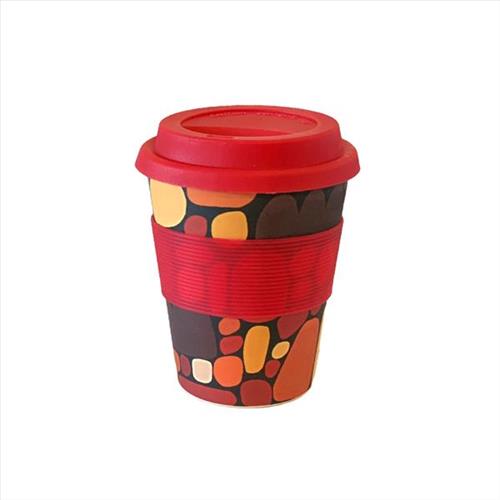
Puli Puli Bamboo Eco Mug

Keturah depicts the puli puli (rocks) at two different sites: the landscapes at Haasts Bluff and also Karrkurrutintja (Lake McDonald). Keturah depicts her childhood memories of both places.
“The sand hills I paint are my mother’s story and the rocks I paint are my own story. My paintings are about my story and my mother’s. When I look at my paintings I feel happy. My Grandmother used to say to me when I was younger: “One day you will paint.”

22023974217


Status: Stock


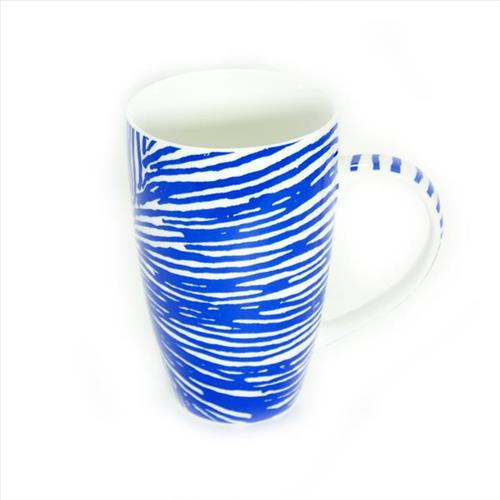
Waterhole Mug

The artwork by Alice Nampitjinpa featured on the mug is about a rockhole at Taalalpi West of Kintore, the artist’s country.


BWA code: Bone China Mugs-ADN328

220282360352


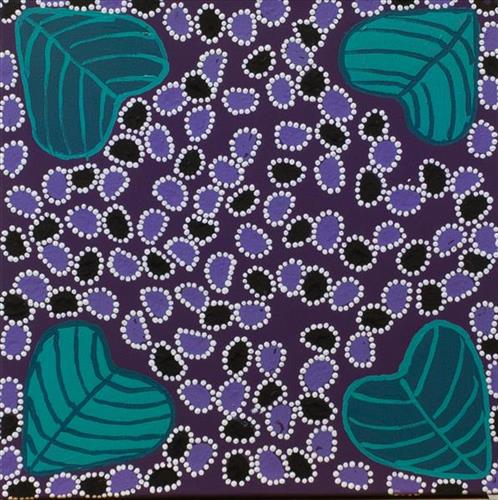
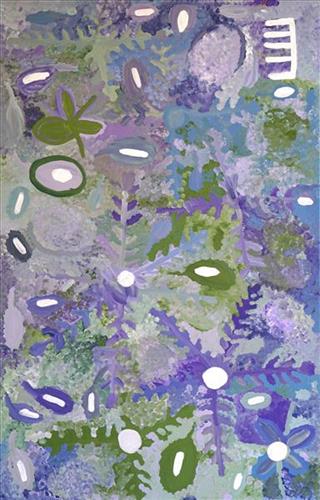
Yawalyurru (bush blueberries)

“When people go hunting they collect this bush tucker. It’s got cool green coloured, heart shaped leaves. It has berries you can eat, bush blueberries, yawalyurru. When they’re black you can eat them, not when they’re green. When you go hunting it’s there, you can look for it. In my Grandmother’s Country area, Watiyawanu. That’s where I’m doing the painting.” – Joyce Dixon

220282376391


Puli Puli – Rocks

Keturah depicts the puli puli (rocks) at two different sites. She paints the landscapes at Haasts Bluff where she grew up and also at Karrkurrutintja (Lake Mcdonald in Pintupi), located west of Kintore along the Western Australia/Northern Territory border. Karrkurrutintja country is an important site of the Pilkati (snake) Tjukurrpa (dreaming) of Kaniya Kutjarra (two carpet snakes, two brothers, two Tjangalas). This story was passed town to her from her grandmother Narputta Nangala Jugadai, who was born there. Narputta was passed down this story from her father, Talaku Tjampitjinpa. Both Keturah’ss grandmother and mother, Molly Jugadai painted this same country. Narputta was one of the founding members of Ikuntji Artists, and has been painting since the beginning of the desert painting movement in the 1970’s. Keturah’s grandmother and mother have since passed away, with Keturah being the only remaining daughter in this lineage of artist to still be painting this story.

Keturah has been inspired by the painting legacy and tutorage from her grandmother and mother, though has developed a distinctive style over her practice. Keturah uses different colours and hues to depict the ways the puli puli change colours with the weather, especially at sunrise and sunset.

 “The sand hills I paint are my mother’s story and the rocks I paint are my own story. My paintings are about my story and my mother’s… I like to paint; painting helps me forget my troubles. I paint every day. My Grandmother used to say to me when I was younger: “One day you will paint.”

220282376386


Puli Puli – Rocks

Keturah depicts the puli puli (rocks) at two different sites. She paints the landscapes at Haasts Bluff where she grew up and also at Karrkurrutintja (Lake Mcdonald in Pintupi), located west of Kintore along the Western Australia/Northern Territory border. Karrkurrutintja country is an important site of the Pilkati (snake) Tjukurrpa (dreaming) of Kaniya Kutjarra (two carpet snakes, two brothers, two Tjangalas). This story was passed town to her from her grandmother Narputta Nangala Jugadai, who was born there. Narputta was passed down this story from her father, Talaku Tjampitjinpa. Both Keturah’ss grandmother and mother, Molly Jugadai painted this same country. Narputta was one of the founding members of Ikuntji Artists, and has been painting since the beginning of the desert painting movement in the 1970’s. Keturah’s grandmother and mother have since passed away, with Keturah being the only remaining daughter in this lineage of artist to still be painting this story.

Keturah has been inspired by the painting legacy and tutorage from her grandmother and mother, though has developed a distinctive style over her practice. Keturah uses different colours and hues to depict the ways the puli puli change colours with the weather, especially at sunrise and sunset.

 “The sand hills I paint are my mother’s story and the rocks I paint are my own story. My paintings are about my story and my mother’s… I like to paint; painting helps me forget my troubles. I paint every day. My Grandmother used to say to me when I was younger: “One day you will paint.”

220282376329


Puli Puli – Rocks

Keturah depicts the puli puli (rocks) at two different sites. She paints the landscapes at Haasts Bluff where she grew up and also at Karrkurrutintja (Lake Mcdonald in Pintupi), located west of Kintore along the Western Australia/Northern Territory border. Karrkurrutintja country is an important site of the Pilkati (snake) Tjukurrpa (dreaming) of Kaniya Kutjarra (two carpet snakes, two brothers, two Tjangalas). This story was passed town to her from her grandmother Narputta Nangala Jugadai, who was born there. Narputta was passed down this story from her father, Talaku Tjampitjinpa. Both Keturah’ss grandmother and mother, Molly Jugadai painted this same country. Narputta was one of the founding members of Ikuntji Artists, and has been painting since the beginning of the desert painting movement in the 1970’s. Keturah’s grandmother and mother have since passed away, with Keturah being the only remaining daughter in this lineage of artist to still be painting this story.

Keturah has been inspired by the painting legacy and tutorage from her grandmother and mother, though has developed a distinctive style over her practice. Keturah uses different colours and hues to depict the ways the puli puli change colours with the weather, especially at sunrise and sunset.

 “The sand hills I paint are my mother’s story and the rocks I paint are my own story. My paintings are about my story and my mother’s… I like to paint; painting helps me forget my troubles. I paint every day. My Grandmother used to say to me when I was younger: “One day you will paint.”

220982229562


Bush Tucker – Maisie Petyarre Bundey;-

Maisie paints the bush tucker found in her country, the area that surrounds Boundary Bore in the Utopia homelands. She paints bush plums, bush bananas, bush potatoes and bush medicine plants. The main motif which recurs often in Maisie artworks is a full coolamon. When she paints she always speaks of gathering and hunting on her country ‘long way from here, long time ago’, filling up coolamons with ‘bush potato, bush banana, goanna and porcupine.’ Maisie always says her family are ‘happy ones, healthy ones.’
 

220982332236


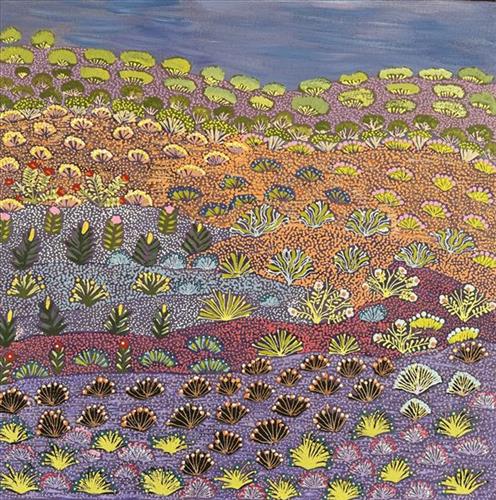
My Country and Bush Medicine Plants – Julieanne Ngwarraye Morton

“My Mother, Lilly Kemarre, taught me to paint. She likes to paint her Mother’s and Father’s country from the old days, when they used to live off of the land.”

Julieanne’s painting’s are inspired by her Mother’s stories of the old days, walking and living on their land, and also of her own experience of life out here in Alyawarr country.

“The landscape changes during the different seasons in the year. I paint the dried flowers and bushes from last season as well as the new plants that come after the rain. These plants have special meanings and uses for us. I have been taught how to read the country, and now I teach my children these skills.”