220273312748


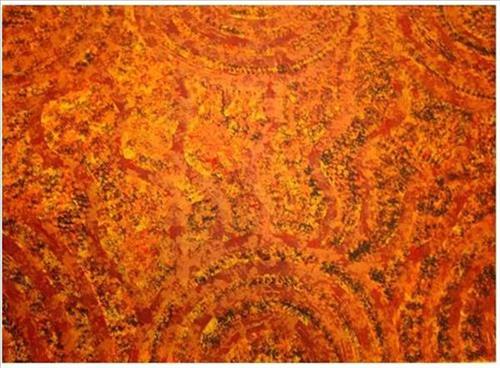
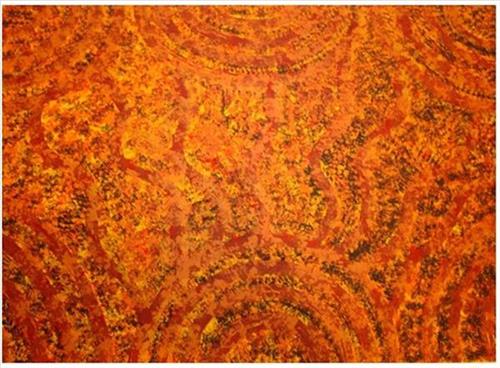
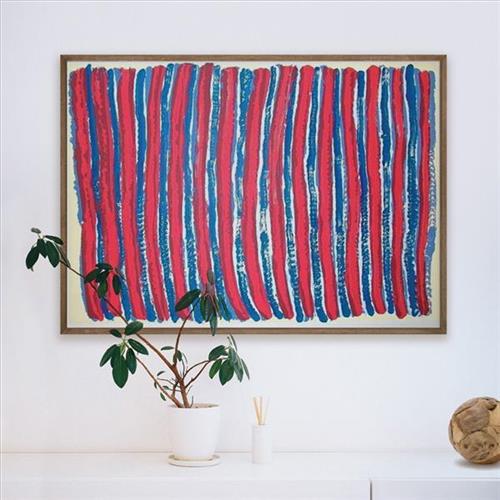
Tali Tali – Sandhills

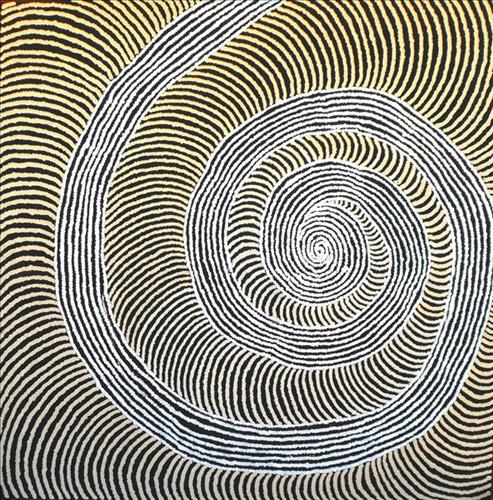
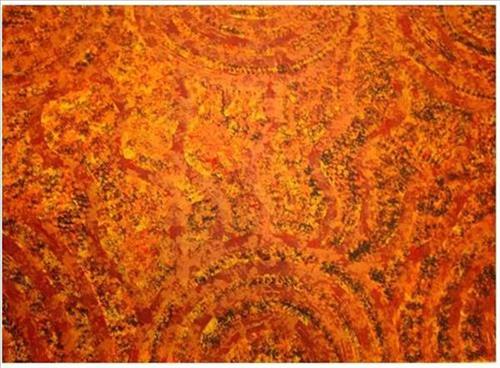
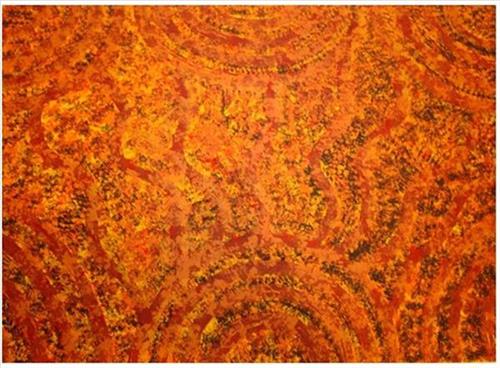
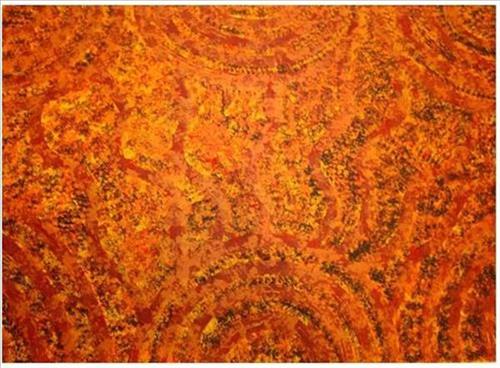
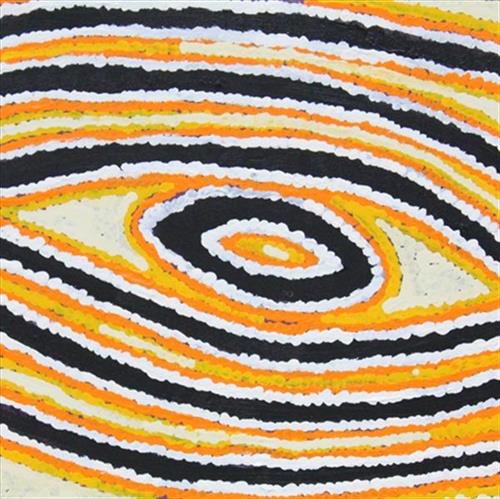
This painting shows the artist’s Tjukurrpa, the Tali Tali Dreaming. It refers to the vast and desolate sandhills of her country near Taalalpi, which is located beyond the Kintore/Kiwikurra road near the West Australian and Northern Territory border. This is the country where her father and mother used to travel by foot when she was a young girl. The place is still of great spiritual significance to Alice and her father’s family as it contains both, personal and tribal law to which Alice relates in her work. Water has collected in between the sandhills, providing sustenance for her porcupine. The tjikamamta (porcupine) is Alice’s own personal tjukurrpa (dreaming). She returned to her country for a visit in late 2005.

220273312690


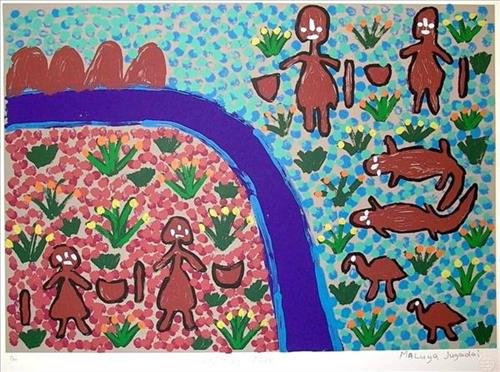
Napaltjarri Sisters

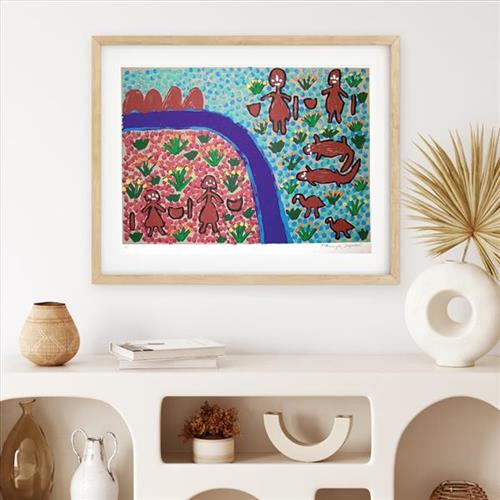
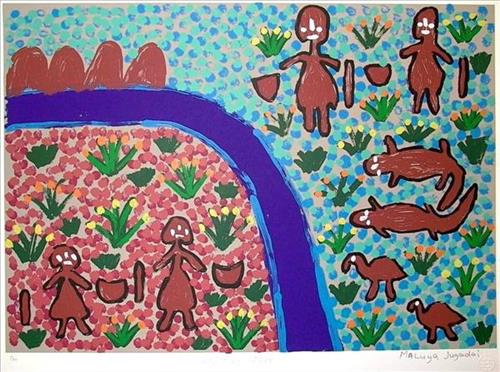
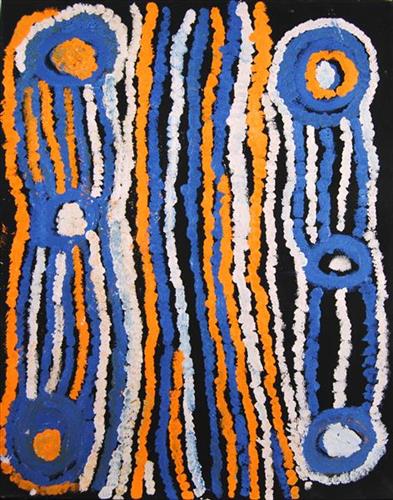
Maluya tells the story of significance to her skin name Napaltjarri. The Napaltjarri sisters descend from the seven stars and begin to roam the earth, searching for bush tucker and collecting dew.

220273312691


Napaltjarri Sisters

Maluya tells the story of significance to her skin name Napaltjarri. The Napaltjarri sisters descend from the seven stars and begin to roam the earth, searching for bush tucker and collecting dew.

11412917747


Pulypal

Ruby has depicted a story of a young Rock Wallaby who was chased all over this country by men, women, children and their dogs from a nearby tribe. The Auntie Rock Wallaby saw what was happening to her nephew, so she dug a large soak hole with a big stick. The young Wallaby fell into the hole and was soon followed by the men, women, children, and their dogs. They were all trapped in the soak and couldn’t find a way out.

220277270409


Waru

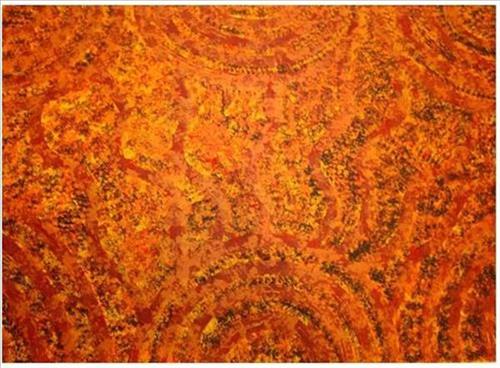
This work by Alison shows the bushfire tracking across vast areas of the desert, causing destruction but also renewing the landscape. It was common for Luritja people to set fire to the spinnefix as a means of controlling the harsh desert, using it to stimulate new plant growth of seeds and fruit, and to attract large game such as the Red Kangaroo who come to eat the new grass shoots.

220277270408


Waru

This work by Alison shows the bushfire tracking across vast areas of the desert, causing destruction but also renewing the landscape. It was common for Luritja people to set fire to the spinnefix as a means of controlling the harsh desert, using it to stimulate new plant growth of seeds and fruit, and to attract large game such as the Red Kangaroo who come to eat the new grass shoots.

220273315339


Muruntji Rockhole

This print is signed by Agnes Multa – Daughter of Daisy Jugadai. The work was done by the artist Daisy Jugadai in 2005 but printed Posthumously. Muruntji is a place for her mothers dreaming, and has an abundance of bush tucker and is a good place for swimming. This is also the place of Daisy`s grandfathers grave.

220273315337


Muruntji Rockhole

This print is signed by Agnes Multa – Daughter of Daisy Jugadai. The work was done by the artist Daisy Jugadai in 2005 but printed Posthumously. Muruntji is a place for her mothers dreaming, and has an abundance of bush tucker and is a good place for swimming. This is also the place of Daisy`s grandfathers grave.

220276340262


Tjiturrupa Tali

This painting shows a rockhole (puli) in the sandhills (tali) at Tjiturrupa west of Kintore.Tjiturrupa is my father’s country and Tjukurrpa (Dreaming). The Tjukurrpa for this place is ice (little frost stars).

114177099148


Tjayanka Woods – The Seven Sisters-Kungkarrangkalp

Tjayanka Woods, a senior Pitjantjatjara artist, was born around 1925, near Kalaya Pirti (Emu Water) near Mimili and Wataru, South Australia, As a child she lived a semi-nomadic lifestyle in the bush with her parents, frequently camping at Kalaya Pirti where they would hunt ngintaka (goanna), tinka (lizards), kalaya (emu) and gather bushfoods such as kampurarpa (desert raisin), ili (figs) and maku (wood grubs).

Tjayanka refers to the Kungkarrangkalpa Tjurkurpa (Seven Sisters) in her paintings. They are structured like mud-maps, tracing the journey of the sisters around the perimeter of the canvas showing the rock-holes and land formations created by the sisters as they walked through the country together. Incorporated into the paintings is the flight of the eagle, her grandfather, who flies above the path of the sisters. “This is my father’s country close up to Irrunytju. The sisters were travelling through this country. My grandfather, he is this eagle in my painting. You can see where he flew, she will tell you.