Murujuga
This is a special place, Bunggiyalarra- two of the Mayalarri– Seven sisters landed in the sea near here. We need to protect it from Woodside’s Gas which is destroying the Petralyph carvings.

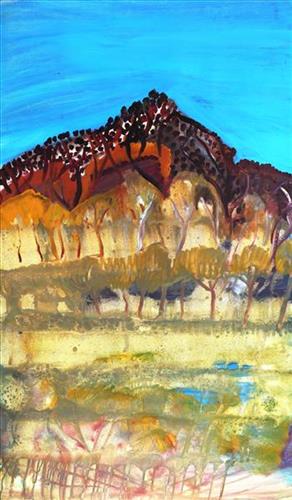
This is a special place, Bunggiyalarra- two of the Mayalarri– Seven sisters landed in the sea near here. We need to protect it from Woodside’s Gas which is destroying the Petralyph carvings.

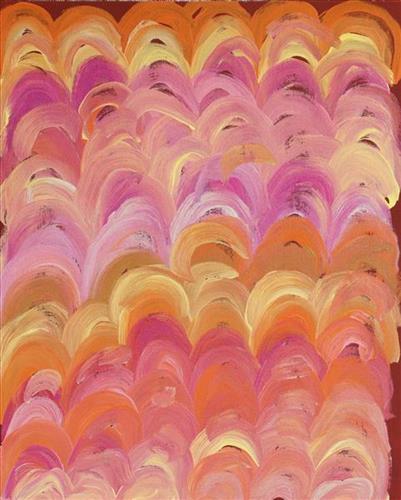


The old people talk about the Milky Way, there’s different stories, Mayalarri Seven Sisters and the Jarnkurna emu. In the Milky Way, you can see a Jarnkurna emu. When the Milky Way turns up in the cold season, it means it’s time for nesting and they lay their eggs. The man Emu sits on the eggs and raise the chicks until they are independent and then he runs away from them.
There is a large petroglyph of the Jarnkurna Emu at the Murujuga, Burrup
Minkala, the Great Spirit, lifted the Mayalarri into the sparkling night sky. then came the Marrga, singing the Burndud (sacred song). Their voices were so powerful that two of the Mayalarri were drawn down from the sky, into the sea near Murujuga. They were the Bunggaliyarra.


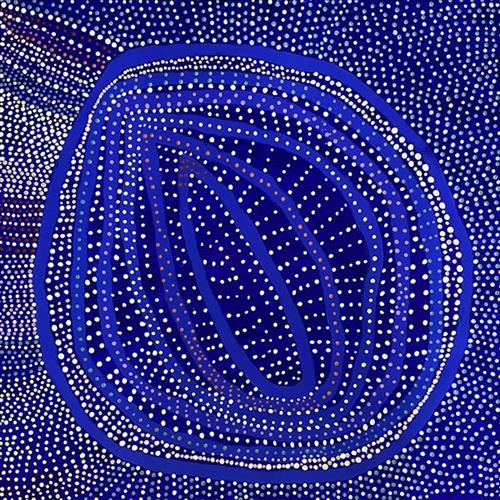
The Burndud is the sacred Marrga creation spirits dance ground at Birlinbirlin on the Fortescue River. It is an important story in Yindjibarndi culture which relates to Birdarra Law. Its a dance in our traditions, It’s a unique law and it belongs to the Yindjibarndi people.

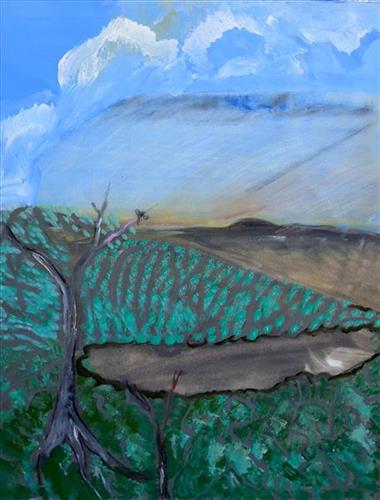
Salt is just another mining resource. I painted this, an imagined lonely, exhausted and dry landscape in isolation.
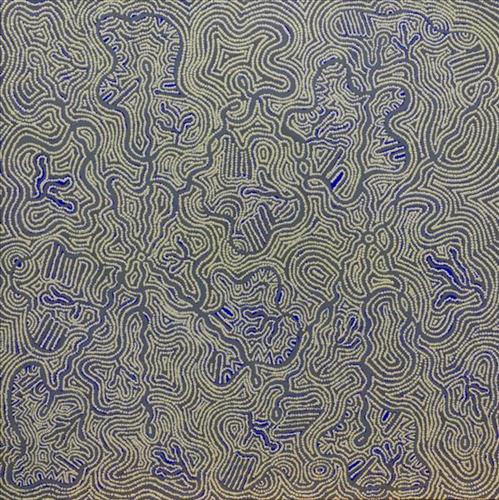
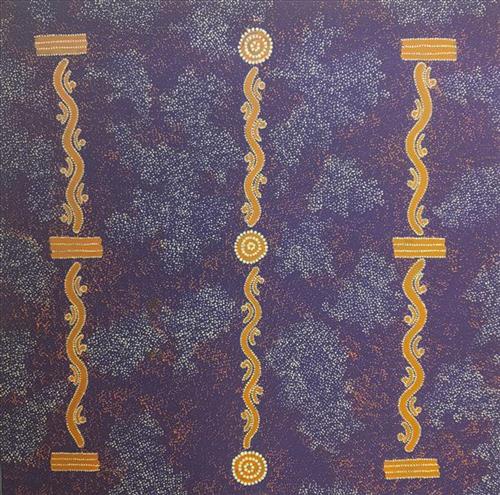
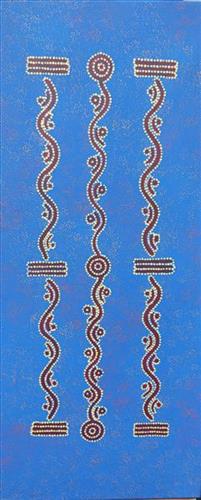
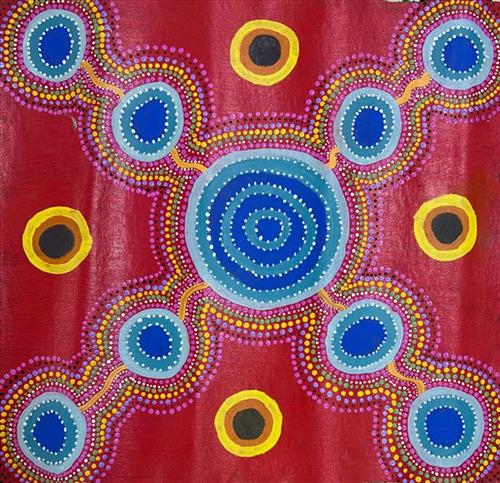
This is the story of the Napaltjarri women digging for yalka (bush onion) in Karinyarra (Mount Wedge) country. Karinyarra is a two-hour drive from Haasts Bluff and is the country of Japaltjarri men and Napaltjiarri women. The circle shapes depict the women digging for bush onion, the hills are the curved lines and the rivers are the lines. There are camels walking around in this country. Bush onion is used for eating and for making a drinking bush medicine. There is bush onion growing all year round, one can find them around the rockholes. The yalka is harvested by using a stick and digging it into the ground to make it soft, then the yalka can be taken out by hand.
“This is my grandfather’s Dreaming. He is my mother’s father and this Dreaming is from her line. Here, women are digging for bush onion around the river in Karinyarra – north of Papunya. The lines in my paintings show the rivers. The circular shapes are the woman digging for the bush onion around the rockholes.”
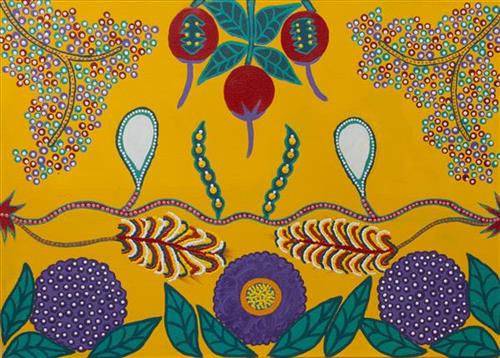
“The yellow means kantawara. Kantawara is like ochre, theres a red, white, and yellow. You can smash it and put water on it and its like a paint for rock painting. Ochre is the red (yulpa). Kantawara is the yellow one used for painting up for woman’s corroboree dancing Yawulyu, they use two colours, white and yellow. The white is used for Sorry Business, when people passed away. That’s why I put the yellow, the painting represents my mother’s grandfather, his name was Nyunana Tjakamarra Kantawarra. He’s part of this Country, Winparrku and Yaya-yii. That’s the Country I represent with the yellow colour of my painting. You can also see bush foods. Purple one is bush coconut, wanpanpi. You can’t just eat it because it has a hard shell. When you get it from the tree you have to hit it with a rock to open it up to see what kind is inside, then you can eat it. Red ones are akatjiri, bush sultana. when it’s dry it’s like a sultana, when it’s there in a tree it tastes like a cherry tomato. When you eat lots of akatjiri that means cleaning the stomach, good for the stomach. Those green seed pods are pangkuna, bush bean. They have stringy leaves and a long curvy pod. Inside there’s the round bean, the pangkuna bush bean with the seed, you can eat that one when you cook the whole pod by laying it in the fire for a few minutes and then taking it out.” – Joyce Dixon