115682398065


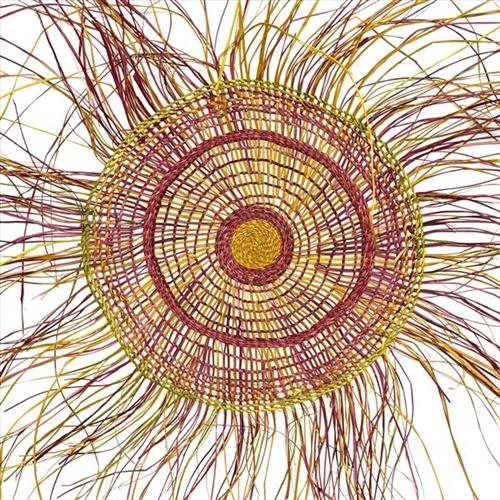
Woven Mat

Yolŋu weavers of Arnhem Land create utilitarian, ceremonial, and decorative pieces using naturally sourced materials. This mat is made from young Pandanus spiralis leaves, harvested with a wooden hook, stripped of prickles, and dried to create strong, resilient fibres. These fibres are then twisted, coiled, or woven using traditional techniques to produce both functional and decorative mats.

Bula’bula weavers exclusively use natural dyes, derived from locally sourced roots, leaves and grasses. These pigments are extracted and infused into pandanus fibres by boiling over an open fire, producing the rich, vibrant colours characteristic of contemporary Yolŋu weavings.

Traditionally, Nganiyal (conical mats) functioned as insect screens when erected and as seating mats when folded, playing an important role in both daily life and ceremonial practices. Today, Yolŋu artists create a variety of shapes, including flat, round, and oblong mats. These non-traditional styles and the use of bright colours became more common after Missionaries began commissioning pieces in this style.
377810582397973


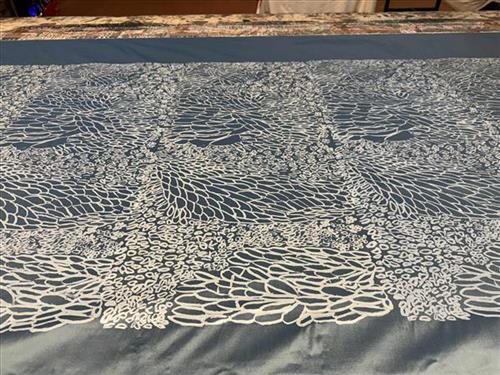
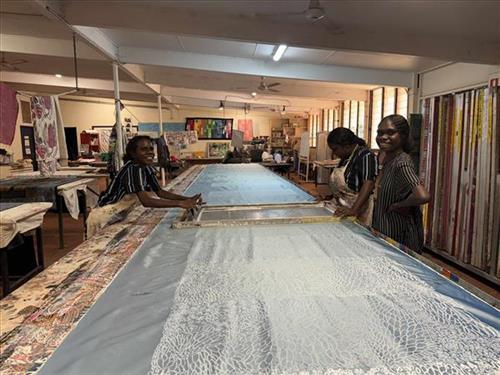
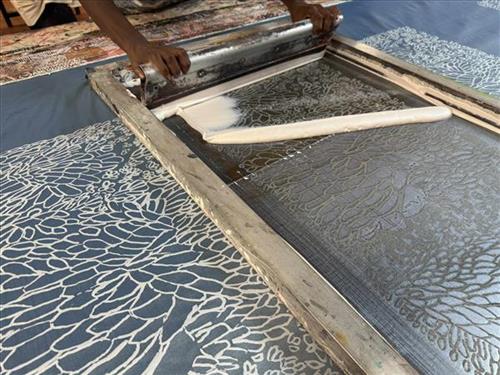
Kunkih (Mud Ripples)

This design depicts the patterns of the freshwater mud ripples, which emerge after strong monsoonal wet seasons on the Djinkarr and Nangak flood plains.

These ripples form on the earth’s surface in delicate repetitive and shifting patterns. The mud ripples move, crack, disappear and re-emerge in response to the changing wind, rains and new sun.

The mud ripples depicted in this design are on Elizabeth’s homeland, the Djinkarr and Nangak floodplains south of Maningrida in Arnhem Land.

115682398349


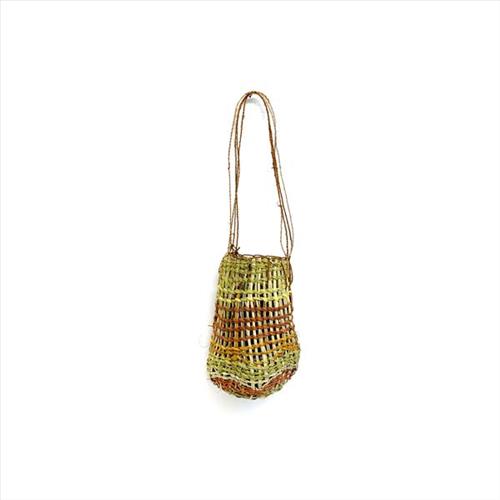
Mindirr (Pandanus Bag)

Miṉḏirr (dilly bags) are made from gunga (Pandanus spiralis), baḻgurr (kurrajong) and natural bush dyes. The body of the miṉḏirr is made from gunga, and the handles from baḻgurr. Once the gunga fronds and baḻgurr bark have been collected, they are stripped and prepared then boiled with the dyes.

Miṉḏirr were used traditionally for every day utilitarian purposes, particularly collecting bush foods such as bäḻtji (yam). Traditionally, the baḻgurr handles were worn across the forehead while the body of the miṉḏirr sat at the back, between the shoulder blades making it easily accessible when collecting ŋatha (food).

220982398286


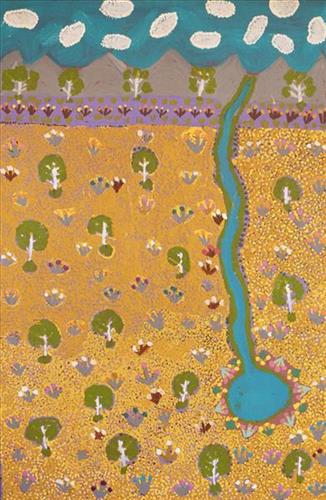
Susan Ngwarraye Philomac – Spring Creek

Kwetyaylp (donkeys) and nantew (horses) would come and drink from the water at Spring Creek on my father’s country.  We would put a bucket in the sand we would filter the water so we could drink it. 

When I was young girl we would go to Canteen Creek following the track along the hills, we would hunt turkey, emus and kangaroo and we would cut the bark and collect the sap from the sugar bag trees. `

115682398280


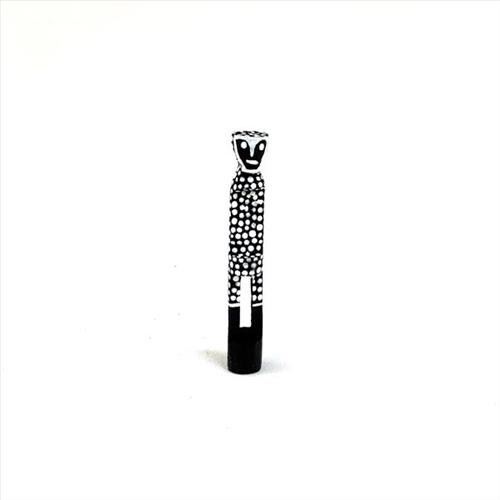
Warraburnburn (spirit)

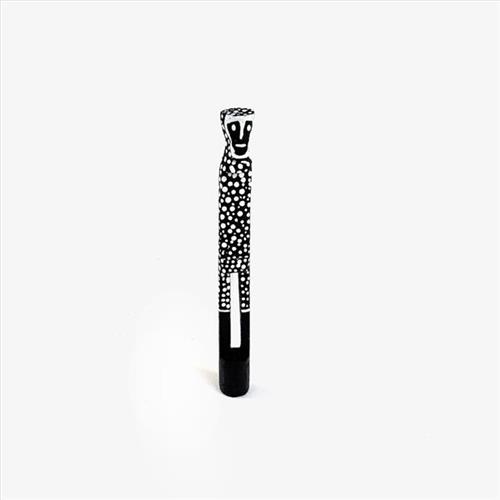
Like people, warraburnburn live in family groups. Though they cannot be seen, they can sometimes be heard calling out to one another as they move across the country to hunt. They also have the ability to communicate internally with people, warning them when strangers enter their land. Warraburnburn know the country intimately and can be both protective and dangerous. Some may mislead people, turning the land over to make it confusing and unfamiliar, while others guide people to safety.

115682398279


Warraburnburn (spirit)

Like people, warraburnburn live in family groups. Though they cannot be seen, they can sometimes be heard calling out to one another as they move across the country to hunt. They also have the ability to communicate internally with people, warning them when strangers enter their land. Warraburnburn know the country intimately and can be both protective and dangerous. Some may mislead people, turning the land over to make it confusing and unfamiliar, while others guide people to safety.

115682398278


Warraburnburn (spirit)

Like people, warraburnburn live in family groups. Though they cannot be seen, they can sometimes be heard calling out to one another as they move across the country to hunt. They also have the ability to communicate internally with people, warning them when strangers enter their land. Warraburnburn know the country intimately and can be both protective and dangerous. Some may mislead people, turning the land over to make it confusing and unfamiliar, while others guide people to safety.

115682398277


Gananhdharr (white heron)

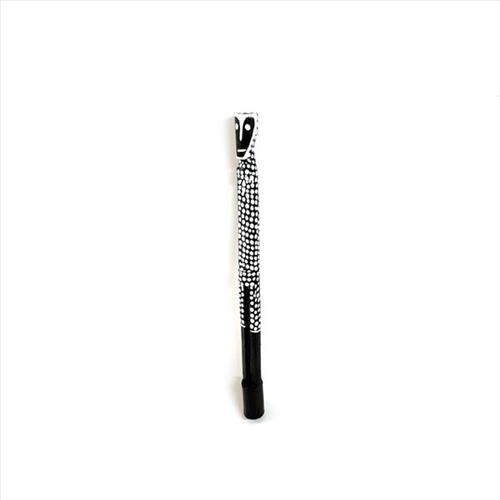
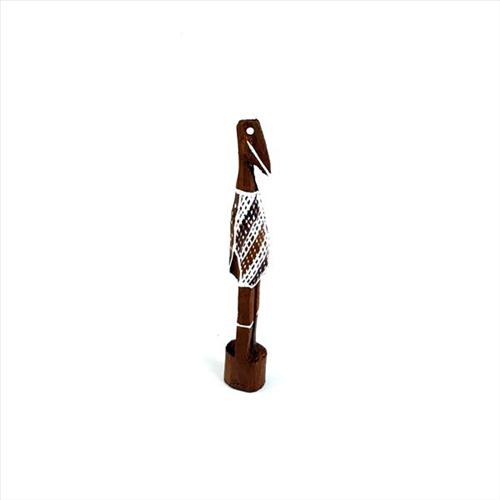
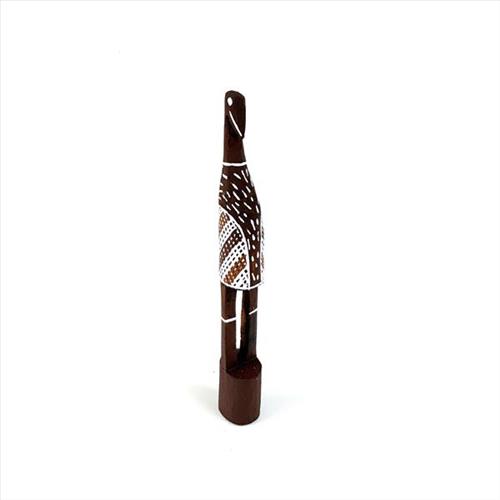
This sculpture represents the Gananhdharr song line. Gananhdharr (white heron) can be seen at low tide searching for goya (fish) particularly garkuyi (mullet). They hunt alongside their ŋäṉḏi (mother), Ngulungulu (grey heron), at low tide, across the flood plains and amongst larrtha (mangroves).

“When you look in the distance, when the tides out, you see Gananhdharr and Ngulungulu and think you see human beings fishing. The sun gives the illusion they are taller.  That’s how we sing the song and dance.”

115682398274


Gananhdharr (white heron)

This sculpture represents the Gananhdharr song line. Gananhdharr (white heron) can be seen at low tide searching for goya (fish) particularly garkuyi (mullet). They hunt alongside their ŋäṉḏi (mother), Ngulungulu (grey heron), at low tide, across the flood plains and amongst larrtha (mangroves).

“When you look in the distance, when the tides out, you see Gananhdharr and Ngulungulu and think you see human beings fishing. The sun gives the illusion they are taller.  That’s how we sing the song and dance.”

377810582398558


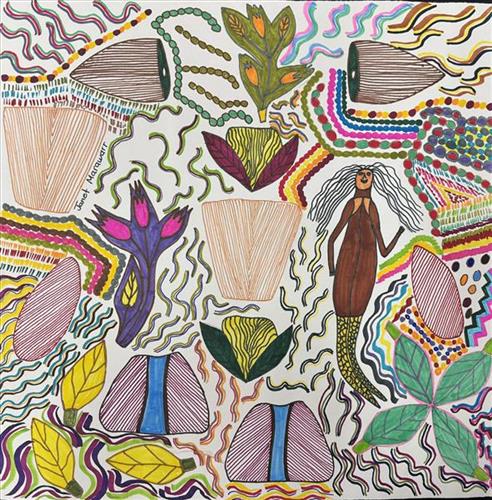
Yawkyawk (young women spirit) (on a rock) – Babbarra Texta

“This mermaid lives in a special freshwater billabong in the manberrk (savanna woodland).

She is sitting on a rock on the edge of the kunronj (billabong). When we see the kunronj shining, and the sun goes down we call this kahbohmimihmeh.