115682397774


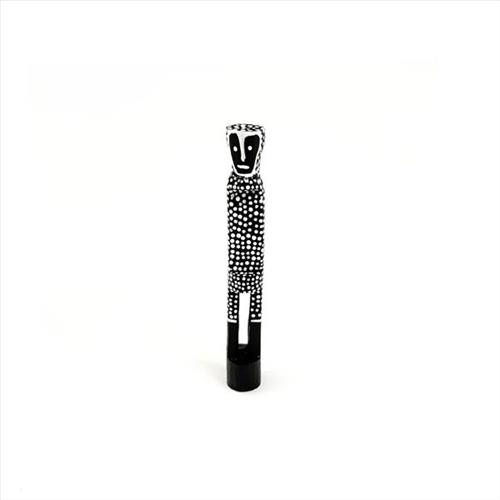
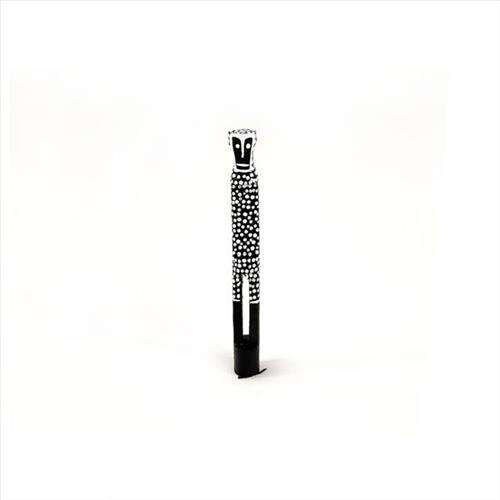
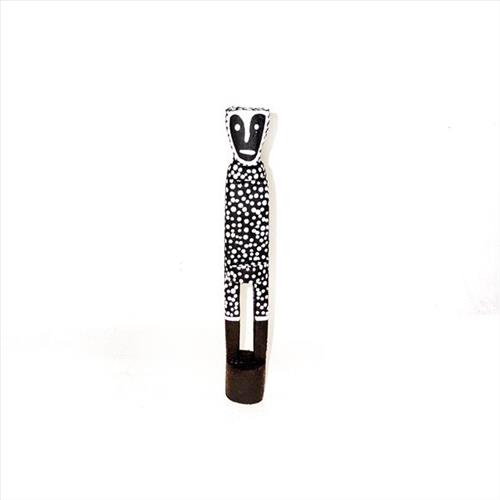
Warraburnburn (spirit)

Like people, warraburnburn live in family groups. Though they cannot be seen, they can sometimes be heard calling out to one another as they move across the country to hunt. They also have the ability to communicate internally with people, warning them when strangers enter their land. Warraburnburn know the country intimately and can be both protective and dangerous. Some may mislead people, turning the land over to make it confusing and unfamiliar, while others guide people to safety.

115682397773


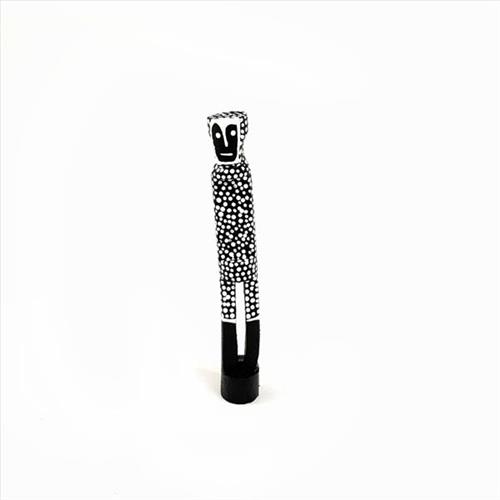
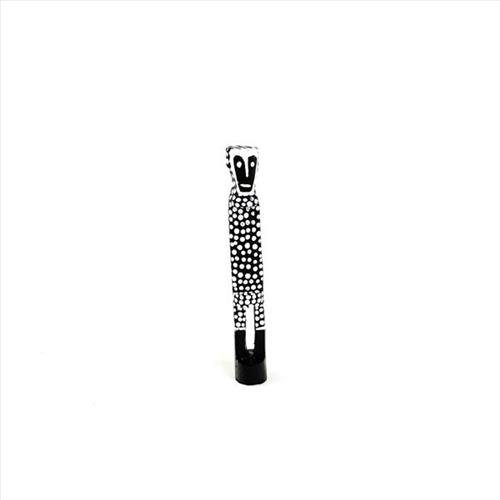
Warraburnburn (spirit)

Like people, warraburnburn live in family groups. Though they cannot be seen, they can sometimes be heard calling out to one another as they move across the country to hunt. They also have the ability to communicate internally with people, warning them when strangers enter their land. Warraburnburn know the country intimately and can be both protective and dangerous. Some may mislead people, turning the land over to make it confusing and unfamiliar, while others guide people to safety.

115682397690


Woven Mat

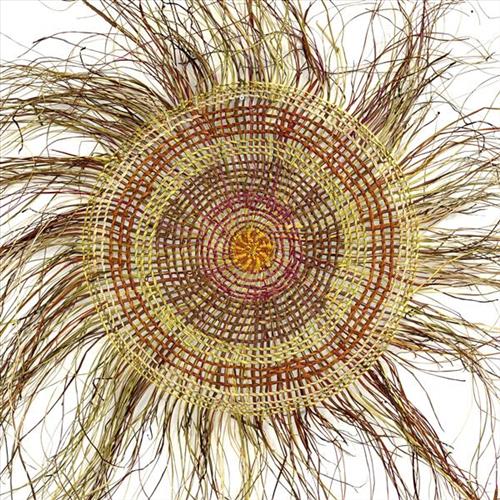
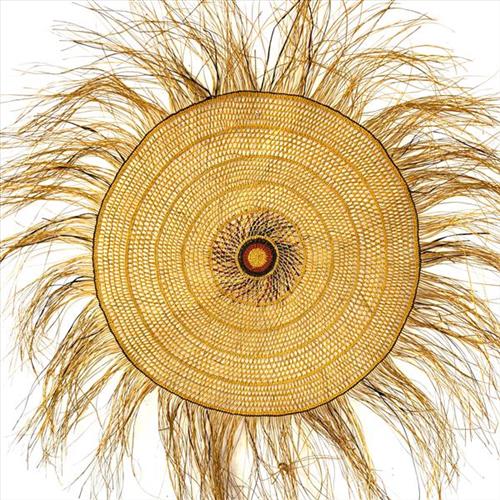
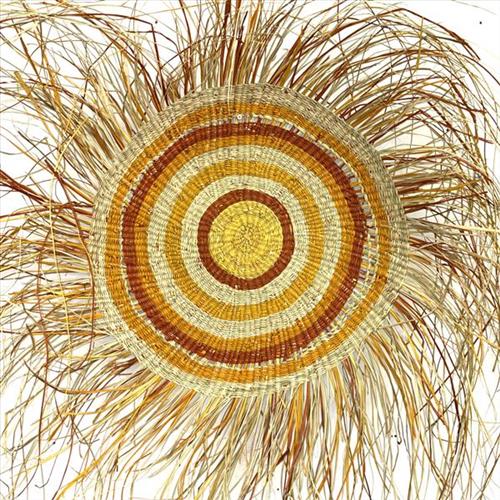
Yolŋu weavers of Arnhem Land create utilitarian, ceremonial, and decorative pieces using naturally sourced materials. This mat is made from young Pandanus spiralis leaves, harvested with a wooden hook, stripped of prickles, and dried to create strong, resilient fibres. These fibres are then twisted, coiled, or woven using traditional techniques to produce both functional and decorative mats.

Bula’bula weavers exclusively use natural dyes, derived from locally sourced roots, leaves and grasses. These pigments are extracted and infused into pandanus fibres by boiling over an open fire, producing the rich, vibrant colours characteristic of contemporary Yolŋu weavings.

Traditionally, Nganiyal (conical mats) functioned as insect screens when erected and as seating mats when folded, playing an important role in both daily life and ceremonial practices. Today, Yolŋu artists create a variety of shapes, including flat, round, and oblong mats. These non-traditional styles and the use of bright colours became more common after Missionaries began commissioning pieces in this style.
115682397689


Woven Mat

Yolŋu weavers of Arnhem Land create utilitarian, ceremonial, and decorative pieces using naturally sourced materials. This mat is made from young Pandanus spiralis leaves, harvested with a wooden hook, stripped of prickles, and dried to create strong, resilient fibres. These fibres are then twisted, coiled, or woven using traditional techniques to produce both functional and decorative mats.

Bula’bula weavers exclusively use natural dyes, derived from locally sourced roots, leaves and grasses. These pigments are extracted and infused into pandanus fibres by boiling over an open fire, producing the rich, vibrant colours characteristic of contemporary Yolŋu weavings.

Traditionally, Nganiyal (conical mats) functioned as insect screens when erected and as seating mats when folded, playing an important role in both daily life and ceremonial practices. Today, Yolŋu artists create a variety of shapes, including flat, round, and oblong mats. These non-traditional styles and the use of bright colours became more common after Missionaries began commissioning pieces in this style.
220982397634


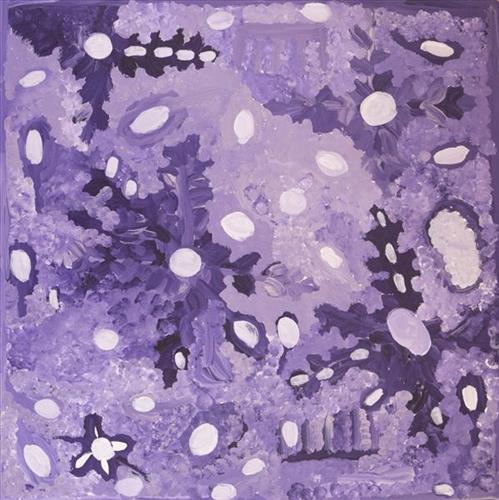
Maisie Petyarre Bundey – Bush Tucker

Maisie paints the bush tucker found in her country, the area that surrounds Boundary Bore in the Utopia homelands. She paints bush plums, bush bananas, bush potatoes and bush medicine plants. The main motif which recurs often in Maisie artworks is a full coolamon.
 
When she paints she always speaks of gathering and hunting on her country – long way from here, long time ago, filling up coolamons with bush potato, bush banana, goanna and porcupine. Maisie always says her family are happy ones and healthy ones.
 

115682397612


Woven Mat

Yolŋu weavers of Arnhem Land create utilitarian, ceremonial, and decorative pieces using naturally sourced materials. This mat is made from young Pandanus spiralis leaves, harvested with a wooden hook, stripped of prickles, and dried to create strong, resilient fibres. These fibres are then twisted, coiled, or woven using traditional techniques to produce both functional and decorative mats.

Bula’bula weavers exclusively use natural dyes, derived from locally sourced roots, leaves and grasses. These pigments are extracted and infused into pandanus fibres by boiling over an open fire, producing the rich, vibrant colours characteristic of contemporary Yolŋu weavings.

Traditionally, Nganiyal (conical mats) functioned as insect screens when erected and as seating mats when folded, playing an important role in both daily life and ceremonial practices. Today, Yolŋu artists create a variety of shapes, including flat, round, and oblong mats. These non-traditional styles and the use of bright colours became more common after Missionaries began commissioning pieces in this style.
115682398108


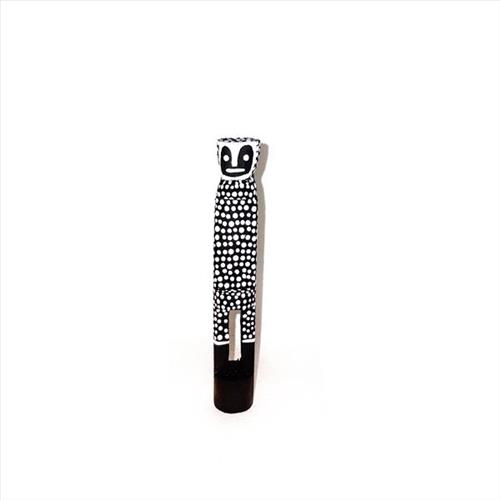
Warraburnburn (spirit)

Like people, warraburnburn live in family groups. Though they cannot be seen, they can sometimes be heard calling out to one another as they move across the country to hunt. They also have the ability to communicate internally with people, warning them when strangers enter their land. Warraburnburn know the country intimately and can be both protective and dangerous. Some may mislead people, turning the land over to make it confusing and unfamiliar, while others guide people to safety.

115682398107


Warraburnburn (spirit)

Like people, warraburnburn live in family groups. Though they cannot be seen, they can sometimes be heard calling out to one another as they move across the country to hunt. They also have the ability to communicate internally with people, warning them when strangers enter their land. Warraburnburn know the country intimately and can be both protective and dangerous. Some may mislead people, turning the land over to make it confusing and unfamiliar, while others guide people to safety.

115682398105


Warraburnburn (spirit)

Like people, warraburnburn live in family groups. Though they cannot be seen, they can sometimes be heard calling out to one another as they move across the country to hunt. They also have the ability to communicate internally with people, warning them when strangers enter their land. Warraburnburn know the country intimately and can be both protective and dangerous. Some may mislead people, turning the land over to make it confusing and unfamiliar, while others guide people to safety.

115682398104


Warraburnburn (spirit)

Like people, warraburnburn live in family groups. Though they cannot be seen, they can sometimes be heard calling out to one another as they move across the country to hunt. They also have the ability to communicate internally with people, warning them when strangers enter their land. Warraburnburn know the country intimately and can be both protective and dangerous. Some may mislead people, turning the land over to make it confusing and unfamiliar, while others guide people to safety.