220182401379
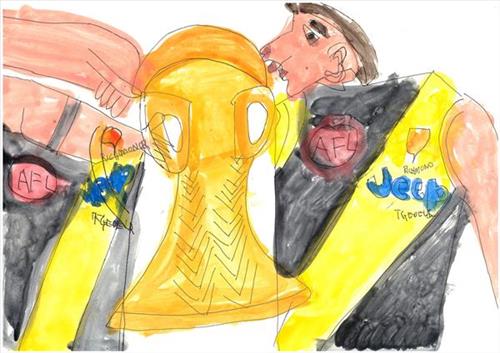
Richmond Holding Trophy & Captain
220182401377
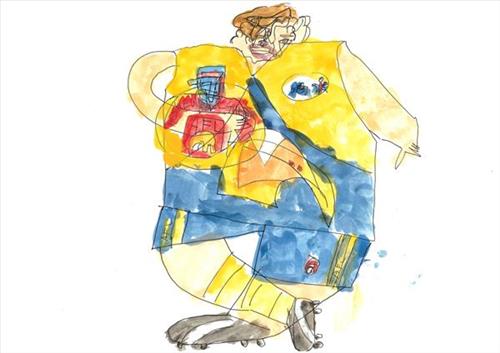
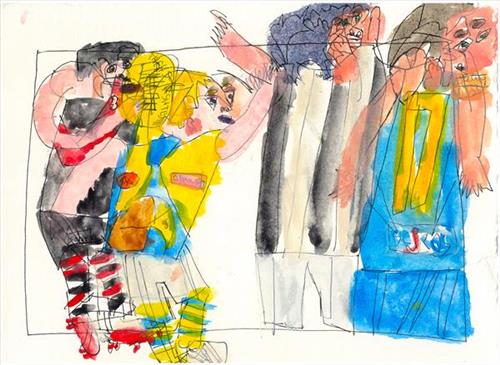
West Coast Play, Standing, Holding Footy
222082401588

Yanha Dhuluwi (Go Straight Ahead)
“Yanha Dhuluwi tells a story about love, connection and the strength it takes to keep moving forward. It’s about the paths we take beside one another; how our journeys cross, drift apart and find their way back together again. The large circle in the centre carries the weight of responsibility and protection. It represents the steady heartbeat, the one who stands strong through challenges and change. The smaller circle joined to it speaks of an unbreakable bond; a connection of spirit and blood that no distance or hardship can take away. Together, they hold the story of love, growth and the deep pull that keeps us connected no matter what life brings. The lines that flow across show movement through time and Country. Every moment and every choice ripples outward, touching everything around it. Each mark carries emotion, struggle, and hope, showing that connection isn’t always simple. It bends, it stretches, but it never breaks. A third circle sits nearby – not bound by the same lines, but still part of the story. It represents quiet strength and steady support. It’s the one who stands close, who gives space when it’s needed, who holds love without needing to be at the centre. Sometimes the strongest presence is the one that simply stands beside us, guiding from just outside the storm. Yanha Dhuluwi (Go Straight Ahead) is about love that endures, a bond that runs deep, and the importance to keep walking forward even when the road is hard. It speaks of patience, strength and trust; knowing that no matter how far we travel, our spirits will always find their way back to one another. “
222082401574

Just The Three Of Us
115682401631
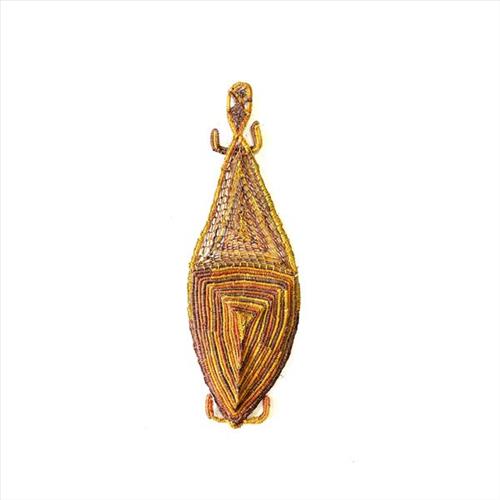
Woven Sculpture (Gecko)
Yolŋu weavers of Arnhem Land craft both utilitarian and ceremonial objects using naturally sourced materials, with more recent works also including decorative pieces. The choice of fibre depends on the intended function of each piece.
One of the primary materials is the young, green leaves of the Pandanus spiralis tree, harvested with a long hook. The leaves are stripped of their prickles, and the smaller fibres are dried to produce a strong, resilient material. These fibres can be twisted, coiled, or combined using various techniques to create baskets (Bathi), dillybags (Mindirr), and mats—both in the modern flat style and the traditional conical style (Nganiyal).
For more flexible, open-weave designs, weavers use the bark of the kurrajong tree. This material is particularly suited for dillybags (Mindirr) and ceremonial objects, such as Matjka (body adornments) and Malka (headwear).
Bula’bula weavers exclusively use natural dyes, derived from locally sourced roots, leaves and grasses. These pigments are extracted and infused into pandanus fibres by boiling over an open fire, producing the rich, vibrant colours characteristic of contemporary Yolŋu weavings.

220982401619
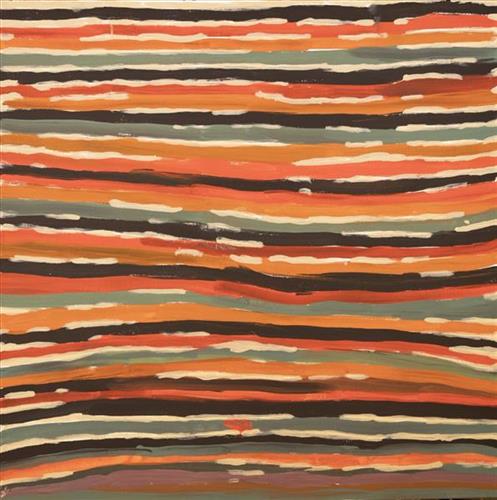
Maisie Petyarre Bundey – Anhelengkw (Emu) Dreaming
Anhelengkw (emu) dreaming is the breast body painting depicting the story of the mother emu who runs away and leaves the father emu to look after the eggs until they hatch, he then raises the chicks.
This story is passed down through Maisie’s family and celebrated in dance.
377810582401510
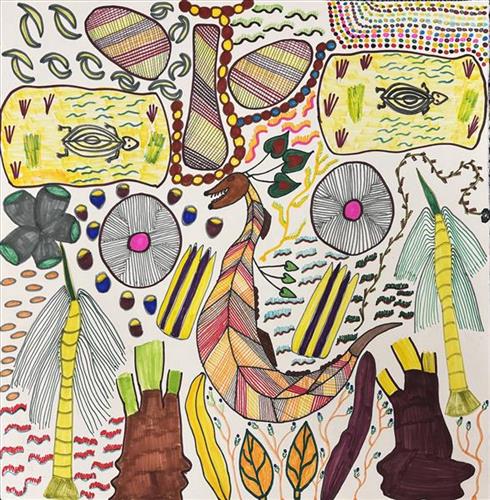
Ngalyod – Babbarra Texta
Babbarra Texta TBC
115682401489
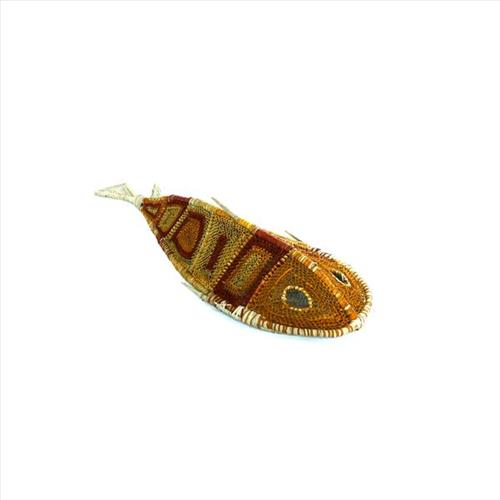
Woven Sculpture (Catfish)
Yolŋu weavers of Arnhem Land craft both utilitarian and ceremonial objects using naturally sourced materials, with more recent works also including decorative pieces. The choice of fibre depends on the intended function of each piece.
One of the primary materials is the young, green leaves of the Pandanus spiralis tree, harvested with a long hook. The leaves are stripped of their prickles, and the smaller fibres are dried to produce a strong, resilient material. These fibres can be twisted, coiled, or combined using various techniques to create baskets (Bathi), dillybags (Mindirr), and mats—both in the modern flat style and the traditional conical style (Nganiyal).
For more flexible, open-weave designs, weavers use the bark of the kurrajong tree. This material is particularly suited for dillybags (Mindirr) and ceremonial objects, such as Matjka (body adornments) and Malka (headwear).
Bula’bula weavers exclusively use natural dyes, derived from locally sourced roots, leaves and grasses. These pigments are extracted and infused into pandanus fibres by boiling over an open fire, producing the rich, vibrant colours characteristic of contemporary Yolŋu weavings.
115682401465
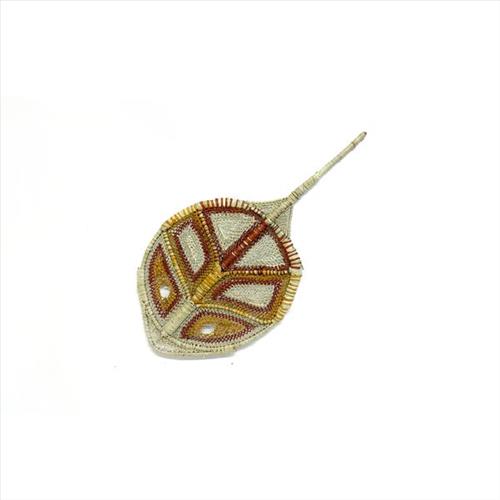
Woven Stingray
Yolŋu weavers of Arnhem Land craft both utilitarian and ceremonial objects using naturally sourced materials, with more recent works also including decorative pieces, such as this woven stingray.
The primary material used in this piece is the young, green leaves of the Pandanus spiralis tree, that were harvested using a long wooden hook. The leaves are stripped of their prickles, with the smaller fibres being dried to produce a strong, resilient material. These fibres are then twisted, coiled, or combined using various techniques to create this motif of a stingray, an important totem for Yolŋu people of Central Arnhem Land.
Bula’bula weavers exclusively use natural dyes, derived from locally sourced roots, leaves and grasses. These pigments are extracted and infused into pandanus fibres by boiling over an open fire, producing the rich, vibrant colours characteristic of contemporary Yolŋu weavings.