115682405187


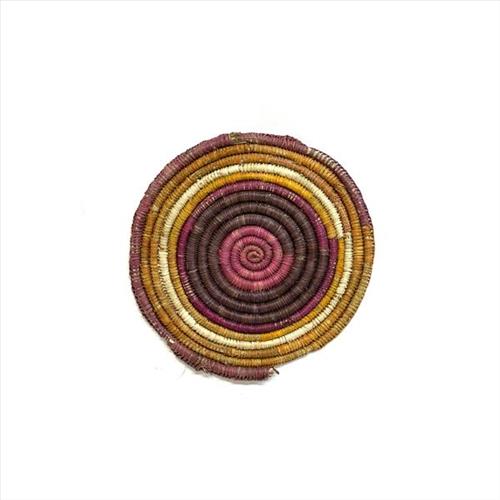
Bathi (Pandanus Basket)

Yolŋu weavers of Arnhem Land create utilitarian, ceremonial, and decorative pieces using naturally sourced materials. This Bathi (Pandanus Basket) is made from young Pandanus spiralis leaves, harvested with a wooden hook, stripped of prickles, and dried to create strong, resilient fibres. These fibres are then twisted, coiled, or woven using various techniques to produce both functional and decorative baskets.

Typically, Bathi are made using a coiling technique which was adapted from techniques used by Indigenous women throughout Southeast Australia. Introduced to Arnhem Land weavers in the 1930’s as Missionaries began commissioning pieces in this style.

Bula’bula weavers exclusively use natural dyes, derived from locally sourced roots, leaves and grasses. These pigments are extracted and infused into pandanus fibres by boiling over an open fire, producing the rich, vibrant colours characteristic of contemporary Yolŋu weavings.

115682405185


Woven Sculpture (Butterfly)

Yolŋu weavers of Arnhem Land craft both utilitarian and ceremonial objects using naturally sourced materials, with more recent works also including decorative pieces. The choice of fibre depends on the intended function of each piece.

One of the primary materials is the young, green leaves of the Pandanus spiralis tree, harvested with a long hook. The leaves are stripped of their prickles, and the smaller fibres are dried to produce a strong, resilient material. These fibres can be twisted, coiled, or combined using various techniques to create baskets (Bathi), dillybags (Mindirr), and mats—both in the modern flat style and the traditional conical style (Nganiyal).

For more flexible, open-weave designs, weavers use the bark of the kurrajong tree. This material is particularly suited for dillybags (Mindirr) and ceremonial objects, such as Matjka (body adornments) and Malka (headwear).

Bula’bula weavers exclusively use natural dyes, derived from locally sourced roots, leaves and grasses. These pigments are extracted and infused into pandanus fibres by boiling over an open fire, producing the rich, vibrant colours characteristic of contemporary Yolŋu weavings.

115682405184


Bathi (Pandanus Basket)

Yolŋu weavers of Arnhem Land create utilitarian, ceremonial, and decorative pieces using naturally sourced materials. This Bathi (Pandanus Basket) is made from young Pandanus spiralis leaves, harvested with a wooden hook, stripped of prickles, and dried to create strong, resilient fibres. These fibres are then twisted, coiled, or woven using various techniques to produce both functional and decorative baskets.

Typically, Bathi are made using a coiling technique which was adapted from techniques used by Indigenous women throughout Southeast Australia. Introduced to Arnhem Land weavers in the 1930’s as Missionaries began commissioning pieces in this style.

Bula’bula weavers exclusively use natural dyes, derived from locally sourced roots, leaves and grasses. These pigments are extracted and infused into pandanus fibres by boiling over an open fire, producing the rich, vibrant colours characteristic of contemporary Yolŋu weavings.

115682405183


Jabiru

This is a story for the Wanybarrnga clan family.  The Jabiru is in the water and he flaps his wings, hitting the water and causes it to ripple.

After a funeral ceremony, leaders for this clan family draw the Jabiru’s water ripples into the sand/earth. This symbolises a cleansing and washing for Yolngu to be free to go on with normal life.

377815582405584


Seasons


“Rain, dry, hot, cold.
In the wet season everything goes green. When we were young we would go hunting for goanna and turkey. You go fishing in the river — you can catch barramundi when the river is running from the rain. They call it Warrampa, in Luma side.

Dry season, Lulga season. Hot season. After the water has settled you can go swimming. Catch the same thing. And Jarrumpa (cherabin, freshwater prawn).

The flowers come out after the rain, between the hot and cold.”
– Rose (Glenys) Butt

This artwork reflects the changing seasons across Country, showing how life shifts with the dry and wet. In Bidyadanga and the surrounding desert and coastal lands, the rhythm of the year guides movement, gathering, hunting, and time spent with family on Country.

As the dry season arrives, the land opens up again — red dunes, salt flats, and long beaches shining in the heat. Winds change, tides get bigger, and rangers burn Country to look after it, clearing grass, making space for new growth, and keeping the land healthy. Bush turkeys, goannas, fish, stingray, turtle, and shellfish are hunted, and families camp, share stories, and travel between desert and coast.

When the wet season return, big clouds roll in, storms build over the sea, and lightning cracks across the land. Country comes alive — water fills the waterholes and claypans, flowers and grasses grow, and birds, bush foods, and animals become abundant.

Through colour, pattern, and rhythm, the artist captures the cycle of seasons and the knowledge passed down — knowing when to gather certain foods, when animals are fat, when storms are coming, and how to care for Country through fire and everyday living. The work celebrates the constant relationship between people, weather, land, and sea, honouring the strength and continuity of cultural life.

377815582405583


Seasons


“Rain, dry, hot, cold.
In the wet season everything goes green. When we were young we would go hunting for goanna and turkey. You go fishing in the river — you can catch barramundi when the river is running from the rain. They call it Warrampa, in Luma side.

Dry season, Lulga season. Hot season. After the water has settled you can go swimming. Catch the same thing. And Jarrumpa (cherabin, freshwater prawn).

The flowers come out after the rain, between the hot and cold.”
– Rose (Glenys) Butt

This artwork reflects the changing seasons across Country, showing how life shifts with the dry and wet. In Bidyadanga and the surrounding desert and coastal lands, the rhythm of the year guides movement, gathering, hunting, and time spent with family on Country.

As the dry season arrives, the land opens up again — red dunes, salt flats, and long beaches shining in the heat. Winds change, tides get bigger, and rangers burn Country to look after it, clearing grass, making space for new growth, and keeping the land healthy. Bush turkeys, goannas, fish, stingray, turtle, and shellfish are hunted, and families camp, share stories, and travel between desert and coast.

When the wet season return, big clouds roll in, storms build over the sea, and lightning cracks across the land. Country comes alive — water fills the waterholes and claypans, flowers and grasses grow, and birds, bush foods, and animals become abundant.

Through colour, pattern, and rhythm, the artist captures the cycle of seasons and the knowledge passed down — knowing when to gather certain foods, when animals are fat, when storms are coming, and how to care for Country through fire and everyday living. The work celebrates the constant relationship between people, weather, land, and sea, honouring the strength and continuity of cultural life.

377815582405534


Seasons


“Rain, dry, hot, cold.
In the wet season everything goes green. When we were young we would go hunting for goanna and turkey. You go fishing in the river — you can catch barramundi when the river is running from the rain. They call it Warrampa, in Luma side.

Dry season, Lulga season. Hot season. After the water has settled you can go swimming. Catch the same thing. And Jarrumpa (cherabin, freshwater prawn).

The flowers come out after the rain, between the hot and cold.”
– Rose (Glenys) Butt

This artwork reflects the changing seasons across Country, showing how life shifts with the dry and wet. In Bidyadanga and the surrounding desert and coastal lands, the rhythm of the year guides movement, gathering, hunting, and time spent with family on Country.

As the dry season arrives, the land opens up again — red dunes, salt flats, and long beaches shining in the heat. Winds change, tides get bigger, and rangers burn Country to look after it, clearing grass, making space for new growth, and keeping the land healthy. Bush turkeys, goannas, fish, stingray, turtle, and shellfish are hunted, and families camp, share stories, and travel between desert and coast.

When the wet season return, big clouds roll in, storms build over the sea, and lightning cracks across the land. Country comes alive — water fills the waterholes and claypans, flowers and grasses grow, and birds, bush foods, and animals become abundant.

Through colour, pattern, and rhythm, the artist captures the cycle of seasons and the knowledge passed down — knowing when to gather certain foods, when animals are fat, when storms are coming, and how to care for Country through fire and everyday living. The work celebrates the constant relationship between people, weather, land, and sea, honouring the strength and continuity of cultural life.

377815582405518


Seasons

“Rain, dry, hot, cold.

In the wet season everything goes green. When we were young we would go hunting for goanna and turkey. You go fishing in the river — you can catch barramundi when the river is running from the rain. They call it Warrampa, in Luma side.

Dry season, Lulga season. Hot season. After the water has settled you can go swimming. Catch the same thing. And Jarrumpa (cherabin, freshwater prawn).

The flowers come out after the rain, between the hot and cold.”
– Rose (Glenys) Butt

This artwork reflects the changing seasons across Country, showing how life shifts with the dry and wet. In Bidyadanga and the surrounding desert and coastal lands, the rhythm of the year guides movement, gathering, hunting, and time spent with family on Country.

As the dry season arrives, the land opens up again — red dunes, salt flats, and long beaches shining in the heat. Winds change, tides get bigger, and rangers burn Country to look after it, clearing grass, making space for new growth, and keeping the land healthy. Bush turkeys, goannas, fish, stingray, turtle, and shellfish are hunted, and families camp, share stories, and travel between desert and coast.

When the wet season return, big clouds roll in, storms build over the sea, and lightning cracks across the land. Country comes alive — water fills the waterholes and claypans, flowers and grasses grow, and birds, bush foods, and animals become abundant.

Through colour, pattern, and rhythm, the artist captures the cycle of seasons and the knowledge passed down — knowing when to gather certain foods, when animals are fat, when storms are coming, and how to care for Country through fire and everyday living. The work celebrates the constant relationship between people, weather, land, and sea, honouring the strength and continuity of cultural life.

115682405586


Woven Place Mat

Yolŋu weavers of Arnhem Land craft both utilitarian and ceremonial objects using naturally sourced materials, with more recent works also including decorative pieces. The choice of fibre depends on the intended function of each piece.

One of the primary materials is the young, green leaves of the Pandanus spiralis tree, harvested with a long hook. The leaves are stripped of their prickles, and the smaller fibres are dried to produce a strong, resilient material. These fibres can be twisted, coiled, or combined using various techniques to create baskets (Bathi), dillybags (Mindirr), and mats—both in the modern flat style and the traditional conical style (Nganiyal).

For more flexible, open-weave designs, weavers use the bark of the kurrajong tree. This material is particularly suited for dillybags (Mindirr) and ceremonial objects, such as Matjka (body adornments) and Malka (headwear).

Bula’bula weavers exclusively use natural dyes, derived from locally sourced roots, leaves and grasses. These pigments are extracted and infused into pandanus fibres by boiling over an open fire, producing the rich, vibrant colours characteristic of contemporary Yolŋu weavings.

115682405561


Bathi (Pandanus Basket)

Yolŋu weavers of Arnhem Land create utilitarian, ceremonial, and decorative pieces using naturally sourced materials. This Bathi (Pandanus Basket) is made from young Pandanus spiralis leaves, harvested with a wooden hook, stripped of prickles, and dried to create strong, resilient fibres. These fibres are then twisted, coiled, or woven using various techniques to produce both functional and decorative baskets.

Typically, Bathi are made using a coiling technique which was adapted from techniques used by Indigenous women throughout Southeast Australia. Introduced to Arnhem Land weavers in the 1930’s as Missionaries began commissioning pieces in this style.

Bula’bula weavers exclusively use natural dyes, derived from locally sourced roots, leaves and grasses. These pigments are extracted and infused into pandanus fibres by boiling over an open fire, producing the rich, vibrant colours characteristic of contemporary Yolŋu weavings.