221282407167


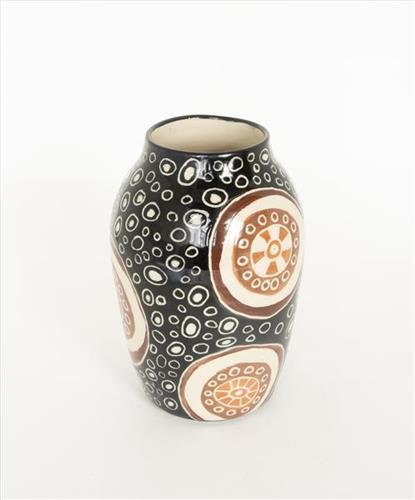
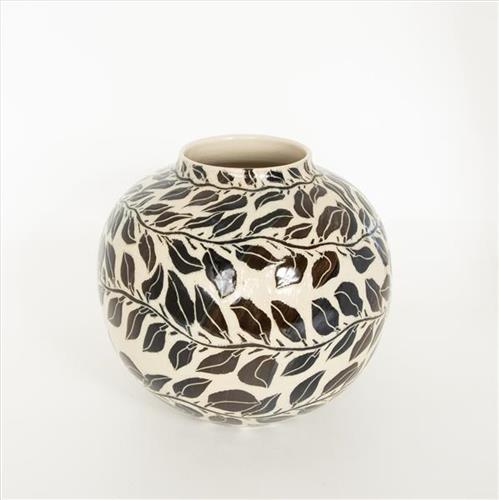
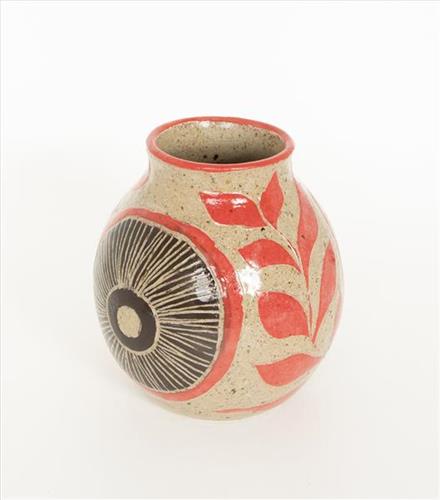
Nyalpi Punu Ilykuwara (Leaf of Witchetty Tree)

Favourite bush foods of Anangu Pitjantjatjara include maku (witchetty grub). Until recently, bush foods were the primary sustenance for Anangu Pitjantjatjara. Many bush foods are still gathered regularly almost exclusively by women, thus they feature strongly in women’s mark making. Women learn the art of gathering each of the foods from a young age and much inma (ceremony) relates to these practices and the maintenance of supply. Anangu say that eating maku is good for the brain and mental health.

Maku live in the ilykuwara tree, or witchetty bush, a tall shrub or a small tree. The maku live in the roots of the ilykuwara and this design is a depiction of its leaves.
221282407165


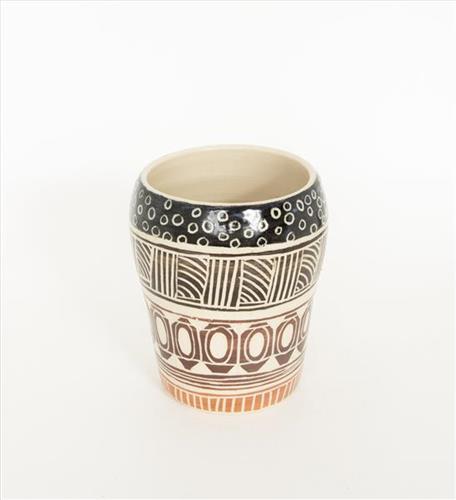
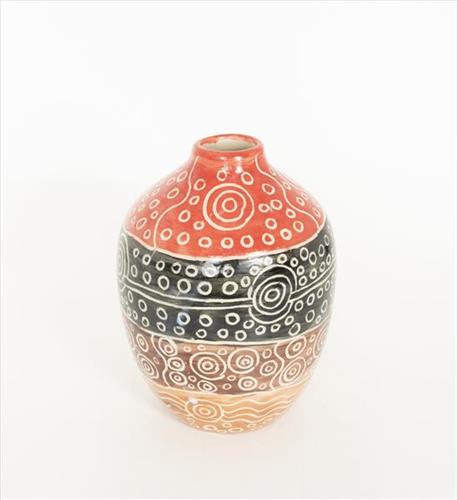
Ngayuku Walka / My Design

Walka means design or pattern. Artists use this title to describe artworks that are pattern based rather than descriptive or telling a story.

221282407163


Ngayuku Walka / My Design

Walka means design or pattern. Artists use this title to describe artworks that are pattern based rather than descriptive or telling a story.

221282407156


Ngayuku Walka / My Design

Walka means design or pattern. Artists use this title to describe artworks that are pattern based rather than descriptive or telling a story.

221282407155


Ngayuku Walka / My Design

Walka means design or pattern. Artists use this title to describe artworks that are pattern based rather than descriptive or telling a story.

377810582407153


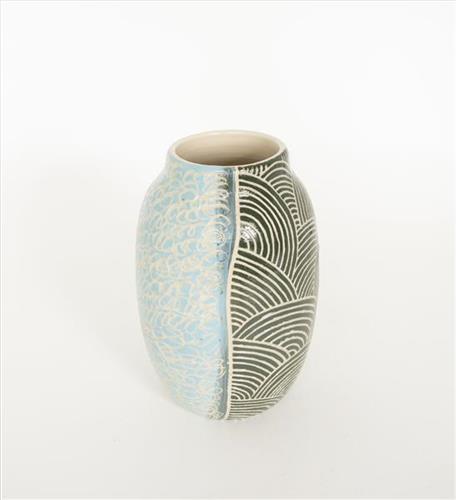
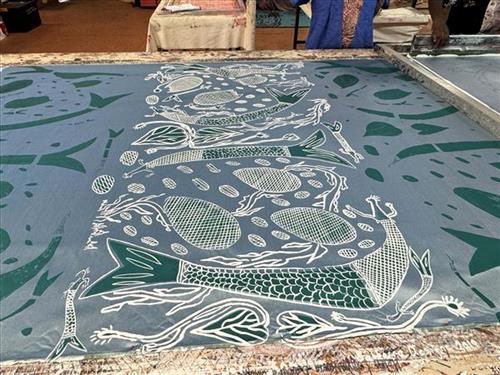
Djomi (Fresh Water Spirit)

This design depicts the story of the artist’s ancestral dreaming, the Djómi (Fresh Water Spirit).

The Djómi figure is a mermaid-like spirit with fish tail that lives in the freshwater stream that flows out to the sea cliff near Maningrida. Djómi is known to be a very powerful fertility symbol.

“If you go there, you can get pregnant easily. Djómi has babies, and they can give other babies too. The Djómi spirit is so powerful, that women can end up with multiple babies at once, twins or sometimes even more. The Djómi spirits lay eggs near the sacred freshwater stream in Maningrida. Inside the eggs are human babies as well as young Djómi. Men do not go near that swamp, because Djomi is so powerful that men might get pregnant there too. So men are too scared of that Djómi. When we visit the Djómi freshwater spring, we can hear young Djómi  crying. They sound like normal babies crying, those Djómi spirits. They are looking for a mother. This Djómi is my dreaming, I got permission from my djungkay (ritual manager) to paint this Djómi design. For me I always ask my djunguy permission to paint, because that is our cultural way. This design also depicts the freshwater lily leaves and seaweed from the base of the sea floor.” Joy Galrbin

377810582407152


Djomi (Fresh Water Spirit)

This design depicts the story of the artist’s ancestral dreaming, the Djómi (Fresh Water Spirit).

The Djómi figure is a mermaid-like spirit with fish tail that lives in the freshwater stream that flows out to the sea cliff near Maningrida. Djómi is known to be a very powerful fertility symbol.

“If you go there, you can get pregnant easily. Djómi has babies, and they can give other babies too. The Djómi spirit is so powerful, that women can end up with multiple babies at once, twins or sometimes even more. The Djómi spirits lay eggs near the sacred freshwater stream in Maningrida. Inside the eggs are human babies as well as young Djómi. Men do not go near that swamp, because Djomi is so powerful that men might get pregnant there too. So men are too scared of that Djómi. When we visit the Djómi freshwater spring, we can hear young Djómi  crying. They sound like normal babies crying, those Djómi spirits. They are looking for a mother. This Djómi is my dreaming, I got permission from my djungkay (ritual manager) to paint this Djómi design. For me I always ask my djunguy permission to paint, because that is our cultural way. This design also depicts the freshwater lily leaves and seaweed from the base of the sea floor.” Joy Galrbin

221282407150


Strong Family Connection

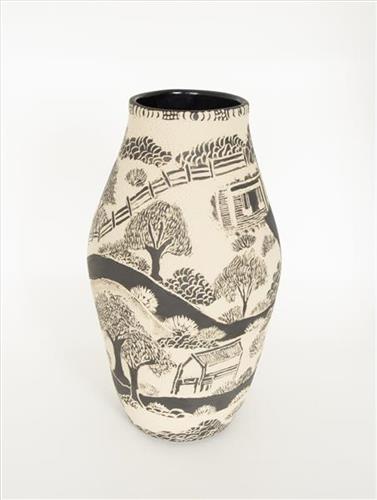
This is a story of how life was before. It’s a beautiful landscape without problems like we have today. There were no problems then, people were happy. They were connected as families. It shows what life was like for our people in the past before we had houses. Everything was silent, and all the animals were close by to the people. Everyone looked after the animals and the environment. People don’t have that life anymore.

221282407149


Atila – Derek’s Story

Atila or Mount Conner is located in Pitjantjatjara country just north of the APY Lands. It is also known as Fooluru as it often gets mistaken for Uluru.

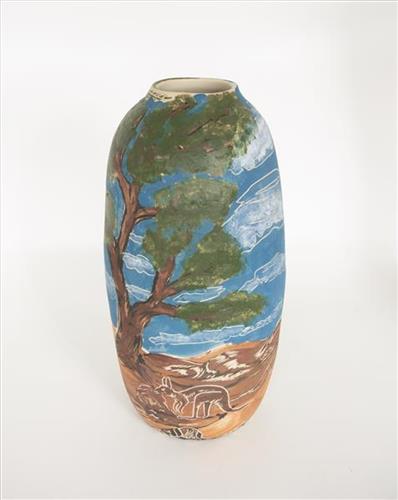
Atila is my Uncle’s Country. That mountain got a lot of secret stories. Seven Sisters goes through there, but it’s a secret and I don’t tell it, it’s only for the old men. I’ve been there to see the Country and walk around it, but white people can’t go there, they can only take photos from the road.