377810582416521


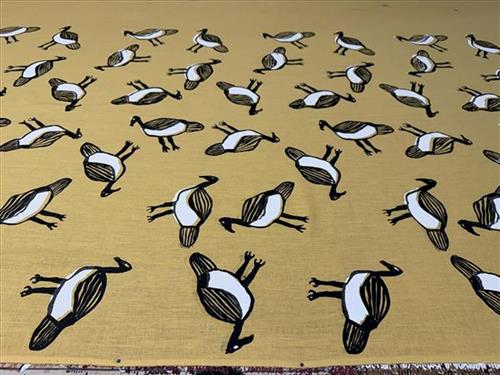
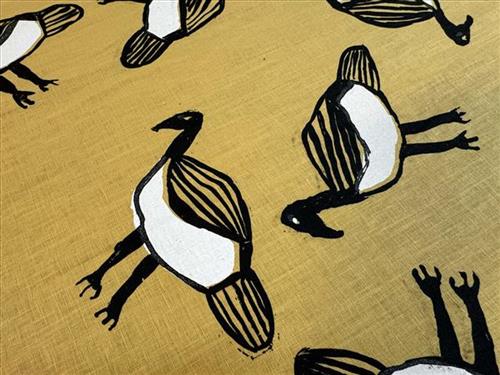
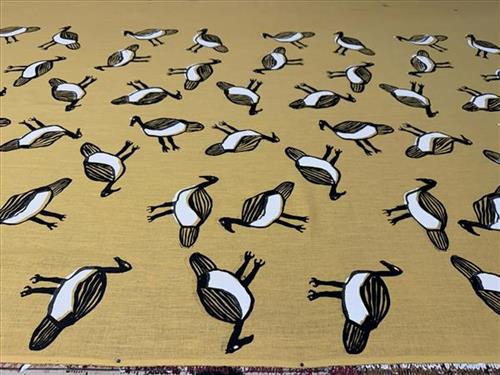
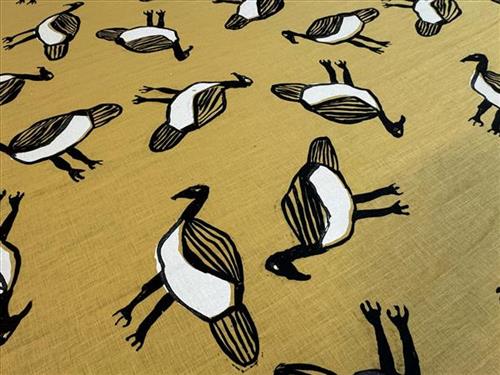
Murnubbarr (Magpie Geese) 2008

Murnubbarr (Magpie Geese) are a waterbird found in abundance in the wetland areas of Kakadu and western Arnhem Land. Murnubbarr are a sustainably hunted and enjoyed manme (bush food). They are known to fly long distances, particularly in the wet season.

377810582416520


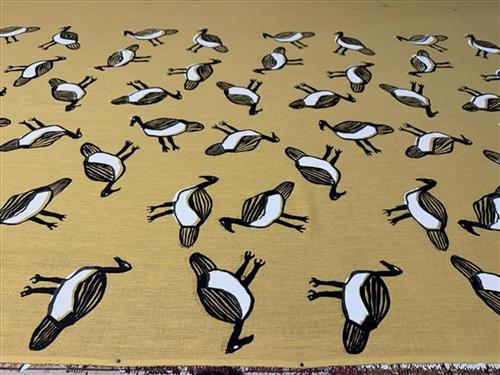
Murnubbarr (Magpie Geese) 2008

Murnubbarr (Magpie Geese) are a waterbird found in abundance in the wetland areas of Kakadu and western Arnhem Land. Murnubbarr are a sustainably hunted and enjoyed manme (bush food). They are known to fly long distances, particularly in the wet season.

377810582416519


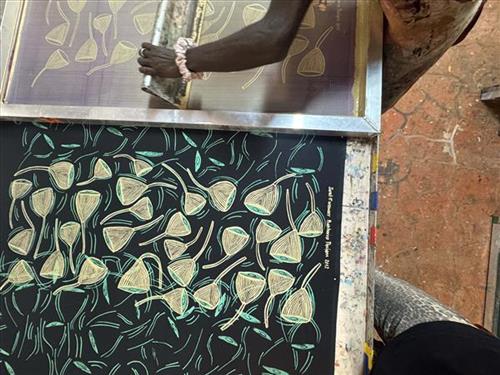
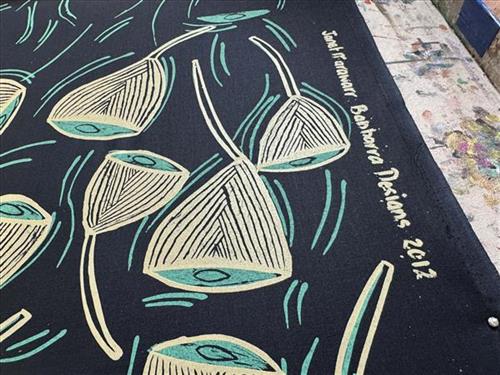
Manbamo (Gumnut)

Janet has collected the Man-bardderre (Nutwood tree) nuts for a long time, all over the Arnhem land region. The artist describes collecting the nuts, which are available all read round, from the ground after they have fallen. They are then smashed against a stone to get to the kernal, which is eaten raw and tastes like a sweet peanut.

The tree (7-15m) has pendulous branchlets and green-yellow inflorescences which appear in the dry season. The nutwood tree has very long leaves. Sometimes people make spear-thrower handles from strips of wood taken from nutwood trees. People also make axe handles from nutwood, breaking off a small piece and carving it.

377810582416518


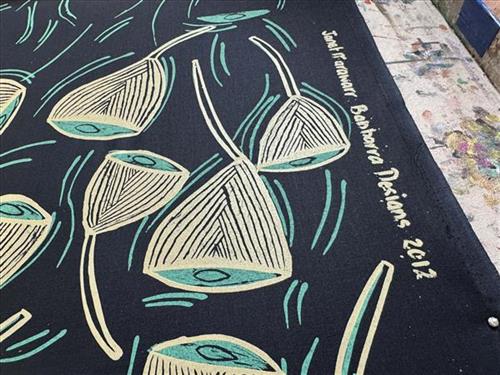
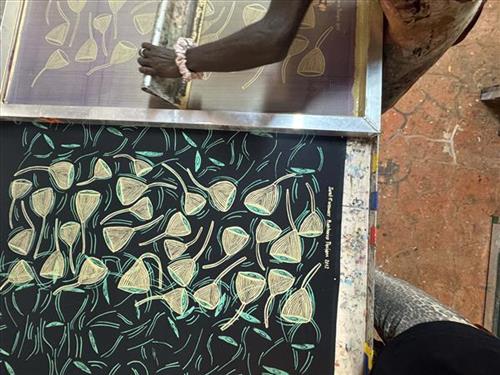
Manbamo (Gumnut)

Janet has collected the Man-bardderre (Nutwood tree) nuts for a long time, all over the Arnhem land region. The artist describes collecting the nuts, which are available all read round, from the ground after they have fallen. They are then smashed against a stone to get to the kernal, which is eaten raw and tastes like a sweet peanut.

The tree (7-15m) has pendulous branchlets and green-yellow inflorescences which appear in the dry season. The nutwood tree has very long leaves. Sometimes people make spear-thrower handles from strips of wood taken from nutwood trees. People also make axe handles from nutwood, breaking off a small piece and carving it.

115682416500


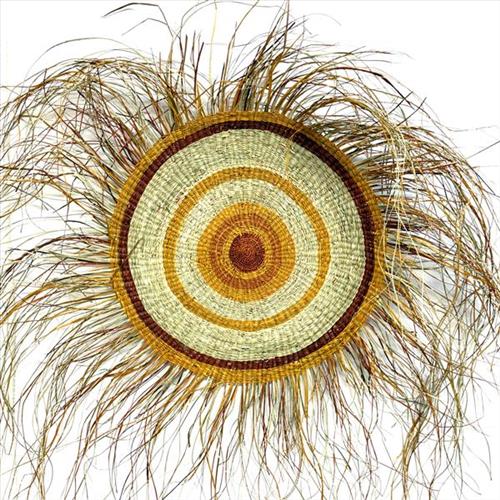
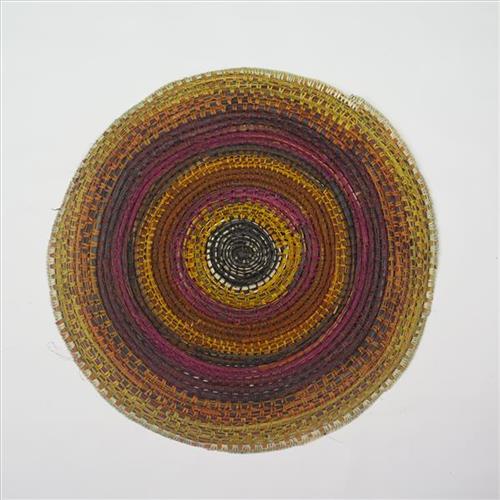
Woven Mat

Yolŋu weavers of Arnhem Land create utilitarian, ceremonial, and decorative pieces using naturally sourced materials. This mat is made from young Pandanus spiralis leaves, harvested with a wooden hook, stripped of prickles, and dried to create strong, resilient fibres. These fibres are then twisted, coiled, or woven using traditional techniques to produce both functional and decorative mats.

Bula’bula weavers exclusively use natural dyes, derived from locally sourced roots, leaves and grasses. These pigments are extracted and infused into pandanus fibres by boiling over an open fire, producing the rich, vibrant colours characteristic of contemporary Yolŋu weavings.

Traditionally, Nganiyal (conical mats) functioned as insect screens when erected and as seating mats when folded, playing an important role in both daily life and ceremonial practices. Today, Yolŋu artists create a variety of shapes, including flat, round, and oblong mats. These non-traditional styles and the use of bright colours became more common after Missionaries began commissioning pieces in this style.

221382416440


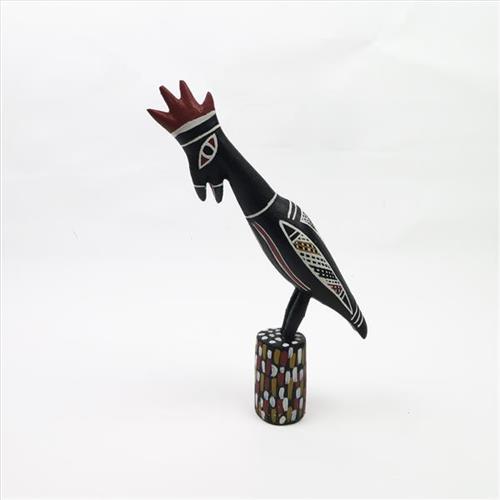
Cockatoo

Wood carving has always been part of Aboriginal culture and Djilpin artists continue this tradition. Men carved wood for many purposes – tools for hunting or gathering food, axes and knives for building shelters, spears and clubs for protection of their lives and territory, objects for ceremony and to mark sacred sites.

Hunting implements include the boomerang, woomera and spear. The woomera is a lever which helps to increase the speed and distance the spear travels. Clapsticks are used as percussion instruments by the Songmen to accompany dancing along with the didgeridoo (mago).

As well as the more functional carvings, artists portray animals and birds in wood, and these carvings are often painted. Ceremonial carvings include spirit creatures including mukuy (devil devils) and mimi.

Some fine mimi figures have been cast in bronze.

221382416402


Handwoven Pandanus Mat

Fibre Art is an ancient Aboriginal women’s craft that is still made today using the same techniques as their ancestors. Making fibre art is labour intensive and much care and fine needlework is required to ensure the finished object is both functional and beautiful. Fibre art from Ghunmarn Culture Centre includes dilly bags, floor mats, bush fans, woven creatures found in the landscape, plants such as yams (bush potato), baskets, place mats, and spirit figures such as mermaids and Mukuys. Natural pandanus fibre (Mukarra), is used to make much of the fibre art produced by the artists of Djilpin Arts. Women collect the pandanus by pulling from the top of the pandanus tree, then stripping and drying the leaves before they are dyed with natural bush colour collected from the Beswick surrounds.

221382416399


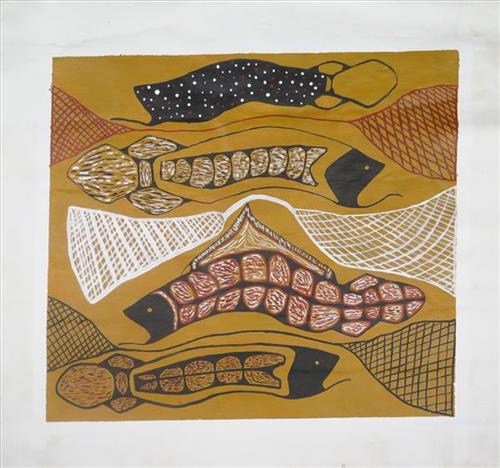
Freshwater fish and fishing nets

This painting depicts three fishing nets in the billabong with black bream, black and white bream, nail fish and a mud crab fish

Djilpin Arts is a not for profit Aboriginal Corporation that promotes the maintenance, development and transmission of traditional cultural knowledge systems.

For two decades, Djilpin Arts has been working on country with kin and culture, across generations. Our activities are rich in spirit, bringing, healing to the community and linking traditional knowledge with modern enterprise. Our Centre features galleries, museum collection and award winning accommodation for visitors.

Meet local people and artists, learn about traditional life and culture, browse and buy artworks, stay with us and experience seasonal cultural events, tours and immersions.

All artworks are made by local artists living in the community. Artwork reflects the traditional songs and stories that have been passed down through the generations with a contemporary edge: from paintings, prints, fibre art, carvings and dijeridu together to contemporary design products and fine woven wire jewellery.

221382416397


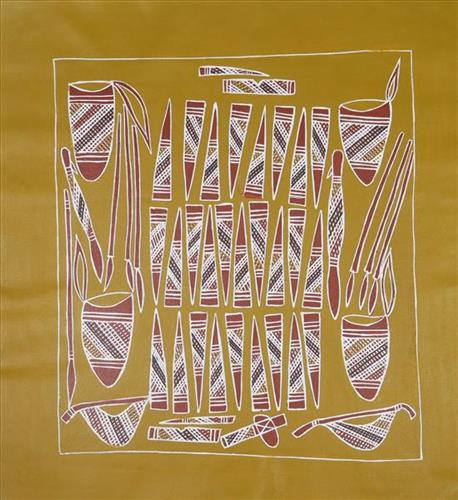
Tools for the Wägilak Sisters

This painting depicts the tools that the Wägilak sisters carried with them in the dream time story: stone spear, stone axe, dimbuka (dilly bag), garallal spear, ambi spear and the implement they used for collecting and drinking water

Djilpin Arts is a not for profit Aboriginal Corporation that promotes the maintenance, development and transmission of traditional cultural knowledge systems.

For two decades, Djilpin Arts has been working on country with kin and culture, across generations. Our activities are rich in spirit, bringing, healing to the community and linking traditional knowledge with modern enterprise. Our Centre features galleries, museum collection and award winning accommodation for visitors.

Meet local people and artists, learn about traditional life and culture, browse and buy artworks, stay with us and experience seasonal cultural events, tours and immersions.

All artworks are made by local artists living in the community. Artwork reflects the traditional songs and stories that have been passed down through the generations with a contemporary edge: from paintings, prints, fibre art, carvings and dijeridu together to contemporary design prducts and fine woven wire jewellery.

221382416351


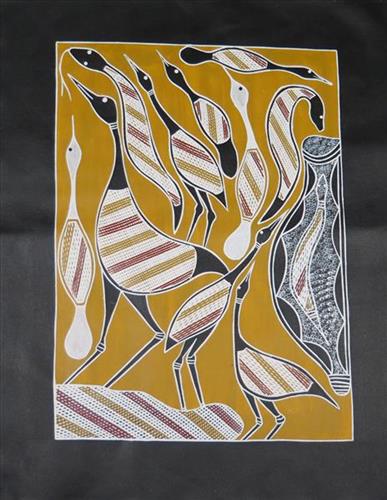
Two Brolga, four Diving Ducks, King Brown and File Snake

This painting depicts three brolga, four diving ducks and a king brown snake trying to go down in a hollow log to eat the file snake. At the bottom, one of the brolgas and one of the black diving ducks are standing on a rock. The white diving ducks are Dhuwa and the black diving ducks are Yirritja – Yirritja is my country.

Djilpin Arts is a not for profit Aboriginal Corporation that promotes the maintenance, development and transmission of traditional cultural knowledge systems.

For two decades, Djilpin Arts has been working on country with kin and culture, across generations. Our activities are rich in spirit, bringing, healing to the community and linking traditional knowledge with modern enterprise. Our Centre features galleries, museum collection and award winning accommodation for visitors.

Meet local people and artists, learn about traditional life and culture, browse and buy artworks, stay with us and experience seasonal cultural events, tours and immersions.

All artworks are made by local artists living in the community. Artwork reflects the traditional songs and stories that have been passed down through the generations with a contemporary edge: from paintings, prints, fibre art, carvings and dijeridu together to contemporary design prducts and fine woven wire jewellery.