221382428984


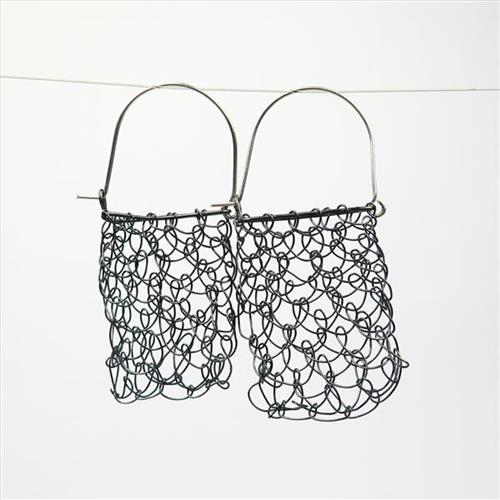
Handwoven Stringbag Earrings, Silver 925

Wagilak Yapa Watj (Wagilak Sisters) range –
exclusive jewellery from Indigenous women of Beswick. Developed in studio workshops with jeweller Kate Sale and weaver Fiona Gavino, traditional fibre artists are translating their skills into a series of fine woven wire earrings and pendants. Hand woven in sliver, gold and copper, traditional forms are transformed as delicate interpretations of string and dilly bags, baskets and mats.

Featuring sterling silver, 9ct gold and copper (all nickel-free work).
221382428983


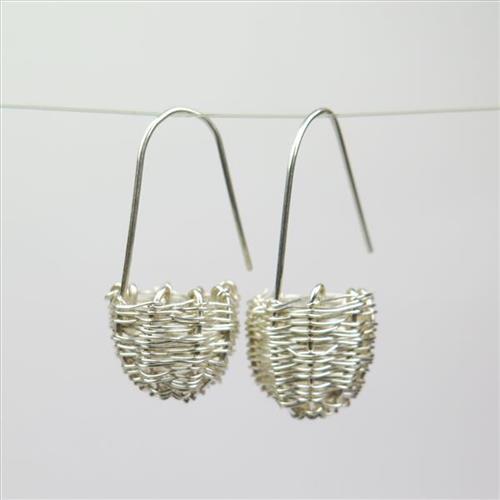
Handwoven Dillybag Earrings, Silver 925

Wagilak Yapa Watj (Wagilak Sisters) range –
exclusive jewellery from Indigenous women of Beswick. Developed in studio workshops with jeweller Kate Sale and weaver Fiona Gavino, traditional fibre artists are translating their skills into a series of fine woven wire earrings and pendants. Hand woven in sliver, gold and copper, traditional forms are transformed as delicate interpretations of string and dilly bags, baskets and mats.

Featuring sterling silver, 9ct gold and copper (all nickel-free work).
220982428941


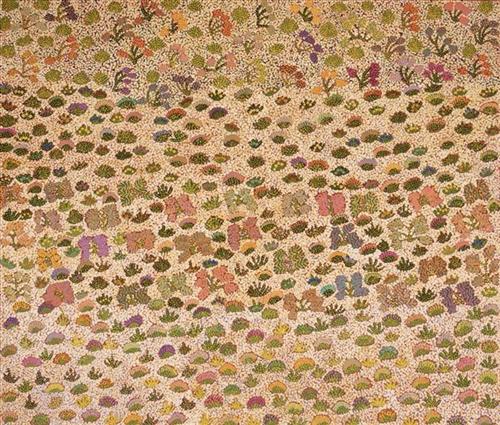
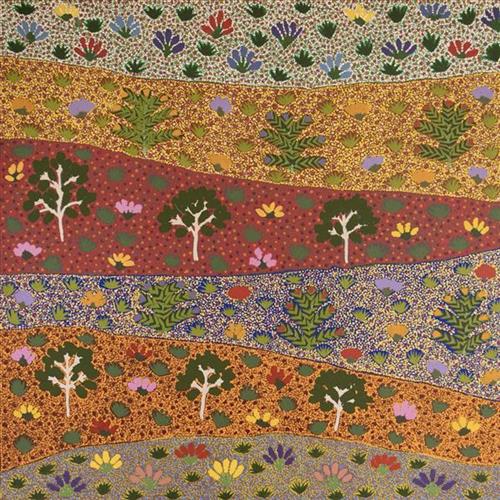
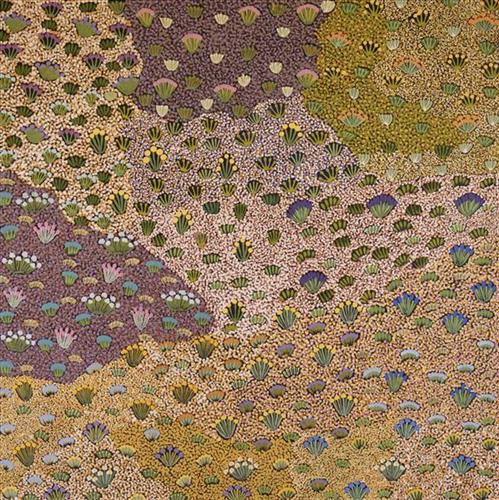
Joyrene Ngwarraye Holmes – Alpeyt Penh Kwaty (Flowers After Rain)

The land is blooming with flowers after the rain. This is when I will go and collect the bush flowers for my home

220982428940


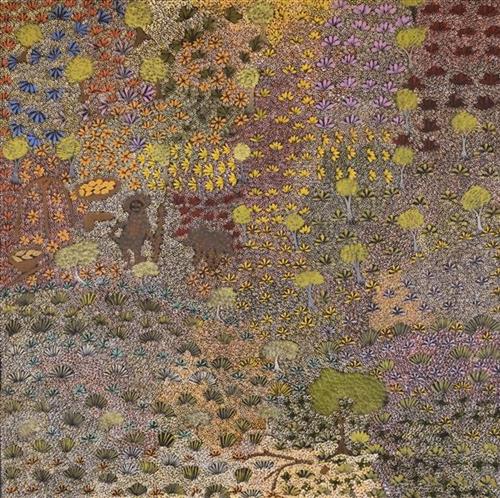
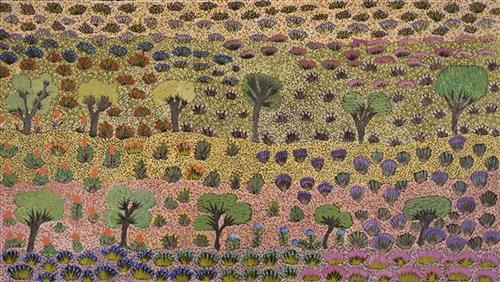
Colleen Ngwarraye Morton – Old Lady picks Angerterrk (Bush Orange)

The old Lady picks Angerterrk (bush orange) with her little dog. She lives in a humpy in the bush. Angerterrk is good for your spirit and keeps you strong. The old lady has an ilep (axe) which she cuts up meat and a digging stick to dig up anaty (bush potatoes). In her coolamon she collects sugarbag and bush tucker.

220982429633


Beverly Pula Luck – Atyenh Amey Amper (My Mother’s Country)

Beverly paints her Mother’s country. When Beverly was a child her mother took her all around her country and showed her the bush medicine and bush tucker.

The knowledge of the bush plants has been handed down through generation to generation and Beverly still spends time hunting and collecting bush medicine plants to use in everyday life.  Taught by her mother and grand mother, Beverly also sings the songs of the bush medicine plants. 

Beverly’s paintings are joyous and full of information regarding bush medicine plants.

The artists of Ampilatwatja made a conscious decision not to paint altyerr (dreaming stories). The artists paint their country where those stories sit.

220982429632


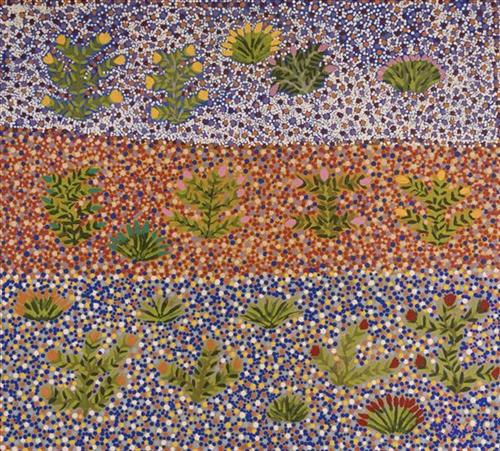
Jessie Pula Luck – Atyenh Artna Arnernp (My Bush Medicine)

I was born in Irrultja, my father’s country. I paint therrpeyt, a plant with red and pink flowers, it is my family symbol. You can suck the flowers to get a sweet honey from. You can wash your body with the leaves to heal sores and clean your body. I paint arreth which grows in the rocky ground and helps fix my sore throat when I make a hot tea from the leaves. I love to paint, I feel happy when I paint, I feel busy and good.

220982429628


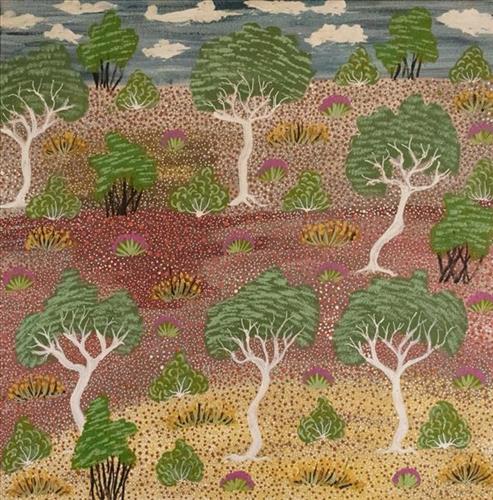
Jessie Ngwarraye Ross – Atyenh Amper (My Country)

Jessie’s landscapes beautifully communicate the rich knowledge she possesses of medicinal plants and country, the heart of her culture.
Jessie’s has painted her country, Ampilatwatja. The brightly coloured flowers and small bushes are bush medicine and are still used within the community.


Jessie’s predominant theme in her paintings is ‘strong bush medicine’, demonstrating a deep connection to her country. Her work pays homage to the significance and use of traditional bush medicine, allowing an insight into her community. Yet underneath the iridescent surface, there is an underlying sense that there is more to this landscape than meets the eye. In keeping with the religious laws, Jessie reveals only a small amount of knowledge to the uninitiated.

The community of Ampilatwatja made a conscious decision not to paint altyerr (dreaming stories). The artists paint their country where those stories sit.

220982430328


Julieanne Ngwarraye Morton – Atyenh Amper (My Country) My Bush Medicine

My Mother, Lilly Kemarre, taught me to paint. She likes to paint her Mother’s and Father’s country from the old days, when they used to live off of the land.

The landscape changes during the different seasons in the year. I paint the dried flowers and bushes from last season as well as the new plants that come after the rain. These plants have special meanings and uses for us. I have been taught how to read the country, and now I teach my children these skills.

Julieanne’s painting’s are inspired by her Mother’s stories of the old days, walking and living on their land, and also of her own experience of life out here in Alyawarr country.

220982430327


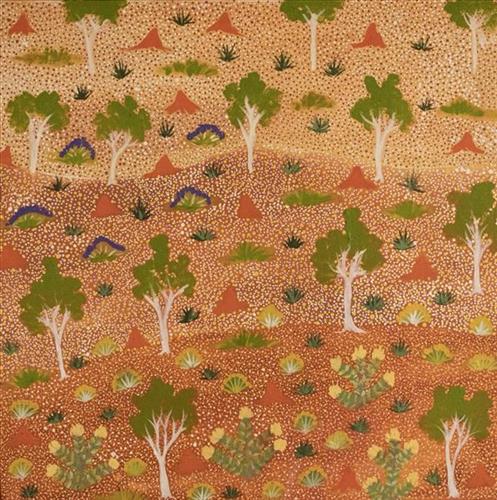
Gunderson Kemarre Lewis – Atyenh Anyany Amper (Great Grandmothers Country)

I paint my Great Grandmothers country around Canteen Creek. Long time ago she hunted around this soakage in this country. When I paint, I paint that country, the soakage the bushflowers the sandhills and the distant mountains.

I hunt this country now.

220982430326


Alec Pula Lewis – Atyenh Amer Areyel Amper (My View of Country)

Alec was born at McDonald Downs Station. He grew up there with his family living traditionally on the land.  Alec did not attend school, he moved between different communities with his family. 

Knowing your country is an important part of living in a remote community like Ampilatwatja. Knowing when and where to go hunting and gathering, knowing where there is ‘soakage’ (where you can dig for water), travelling with family for ceremonies, and maintaining a connection with the land.

“This is my country, my view of country.”

The artists of Ampilatwatja made a conscious decision not to paint altyerr (dreaming stories). The artists paint their country where those stories sit.