111582430687
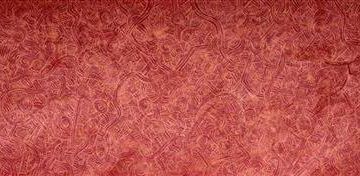
Untitled
116482430669
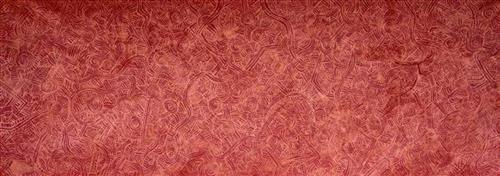
Letting Go
This painting represents the warmth and love I have for a lady I was proud to call my mother. After losing her, I as an artist felt myself being motivated to do a series of paintings to deal with my grief and the void she has left in my heart and life itself. The earlier pieces in the series used dark colours to represent the devastation and overwhelming grief of losing my mum (Aunty). I realised this painting is me slowly moving through the grief and beginning to find light again. This is my journey as an artist, using my painting to navigate the process that we all go through in life called grief. After working on this piece I realised that the colours I have used in the background represent the warmth and love my mum had for her family and those around her. The copper represents my Mum’s love and respect for her Country and many trips she enjoyed travelling with loved ones out bush.
220982430759
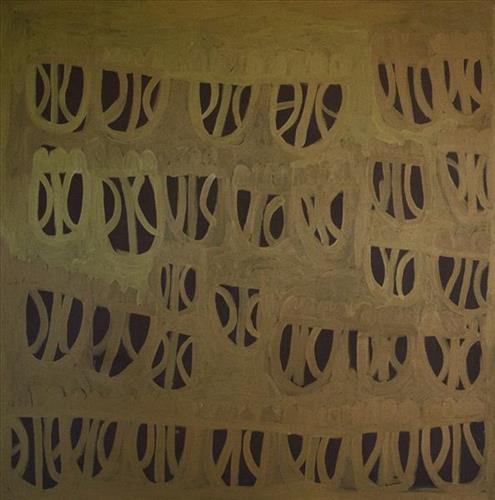
Maisie Petyarre Bundey – Anhelengkw (Emu) Dreaming
Anhelengkw (emu) dreaming is the breast body painting depicting the story of the mother emu who runs away and leaves the father emu to look after the eggs until they hatch, he then raises the chicks.
This story is passed down through Maisie’s family and celebrated in dance.
221382388008
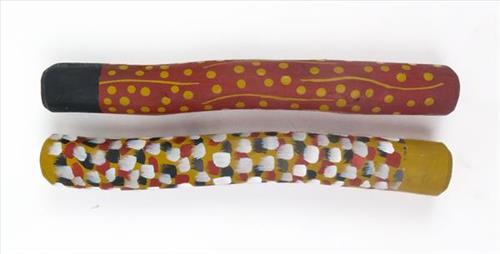
Clapsticks
Wood carving has always been part of Aboriginal culture. Men carved wood for many purposes – tools for hunting or gathering food, axes and knives for building shelters, spears and clubs for protection of their lives and territory, objects for ceremony and to mark sacred sites.
Artists source the timber on country, walking from tree to tree to find the right piece for the desired functional outcome. Once found, it is cut and then brought back to camp to be worked, shaped, sanded and finally finished.
Clapsticks are used in traditional ceremony and dance as a percussion instrument to accompany Mago (didjeridu). Denser woods such as Ironwood or Kerosene wood are preferred due to their crisper clap sound. Clapsticks can be left raw or painted and decorated. Straight timber from younger trees is preferred as it requires less work to make functional.
Dimensions: 26cm x 3.5cm
221382388006
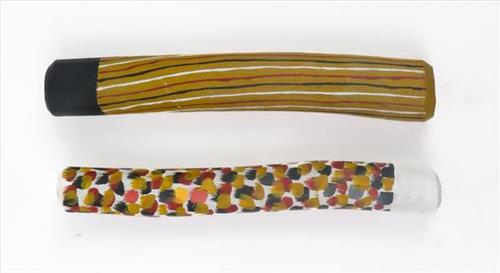
Clapsticks
Wood carving has always been part of Aboriginal culture. Men carved wood for many purposes – tools for hunting or gathering food, axes and knives for building shelters, spears and clubs for protection of their lives and territory, objects for ceremony and to mark sacred sites.
Artists source the timber on country, walking from tree to tree to find the right piece for the desired functional outcome. Once found, it is cut and then brought back to camp to be worked, shaped, sanded and finally finished.
Clapsticks are used in traditional ceremony and dance as a percussion instrument to accompany Mago (didjeridu). Denser woods such as Ironwood or Kerosene wood are preferred due to their crisper clap sound. Clapsticks can be left raw or painted and decorated. Straight timber from younger trees is preferred as it requires less work to make functional.
Dimensions: 26cm x 3.5cm
221382395189
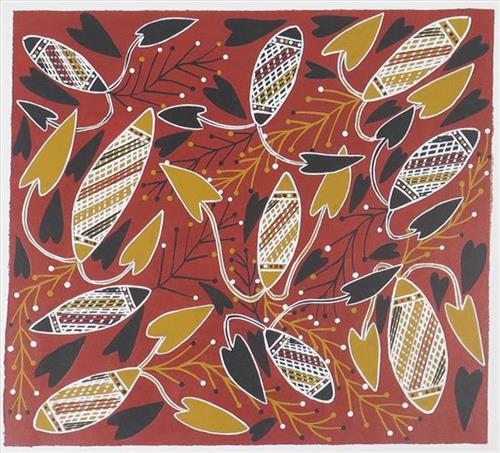
Water Lily
Djilpin Arts is a not for profit Aboriginal Corporation that promotes the maintenance, development and transmission of traditional cultural knowledge systems.
For two decades, Djilpin Arts has been working on country with kin and culture, across generations. Our activities are rich in spirit, bringing, healing to the community and linking traditional knowledge with modern enterprise. Our Centre features galleries, museum collection and award winning accommodation for visitors.
Meet local people and artists, learn about traditional life and culture, browse and buy artworks, stay with us and experience seasonal cultural events, tours and immersions.
All artworks are made by local artists living in the community. Artwork reflects the traditional songs and stories that have been passed down through the generations with a contemporary edge: from paintings, prints, fibre art, carvings and dijeridu together to contemporary design prducts and fine woven wire jewellery.
Dimensions: 53cm x 48cm
220982428481
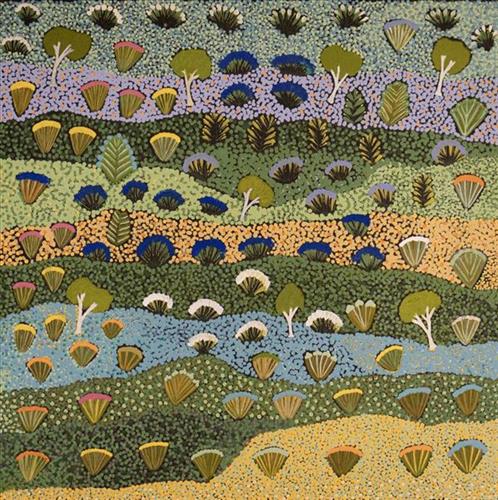
Lilly Kemarre Morton – Antarrengeny, My Country
Lilly has painted her country, Antarrengeny. The brightly coloured flowers and small bushes are bush medicine and are still used within the community.
Lilly’s landscapes beautifully communicate the rich knowledge she possesses of both medicinal plants and country, the heart of her culture.
As a young girl, Lilly lived traditionally off of the land with her family and Alyawarr people. In Lilly’s lifetime, she has experienced and borne witness to the irreversible changes of country and way of life, that were previously unchanged for thousands of years.
She is a kind and gentle elder of the community and often tells stories of how life used to be, in Alywarre, her language, to her family and friends. These stories are also a great inspiration for many of the artists within the community.
Lilly is passionate about nature, especially her country and the plants that grow on it, she speaks in launguage and is keen to explain the various bush medicines which she depicts in her paintings.
The community of Ampilatwatja made a conscious decision not to paint altyerr (dreaming stories). The artists paint their country where those stories sit.
220982428478
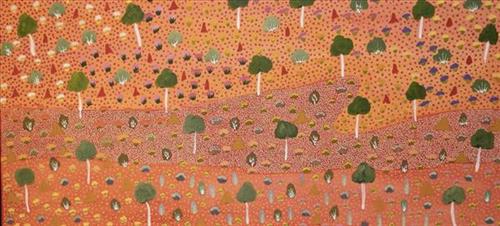
Jerome Ngwarraye Petrick – Atyenh Amper – (My Country)
I paint the country that I come from, the beautiful landscapes and the many colours as they change during the seasons.
Jerome is the Grandson of Elizabeth Ngwarraye Bonney and son of Sevania Kemarre Bonney, Jerome is inspired by the work of his family, especially his grandfather Alec Pula Lewis and uncle Gunderson Kemarre Lewis. He loves to paint the incredible landscapes found in Ampilatwatja
220982428476
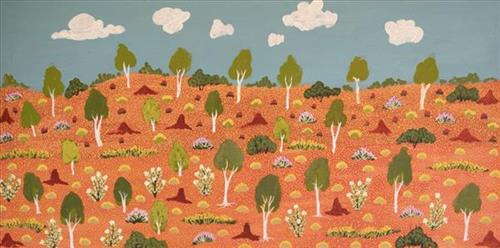
Alec Pula Lewis – Atyenh Amer Areyel Amper (My View of Country)
Alec was born at McDonald Downs Station. He grew up there with his family living traditionally on the land. Alec did not attend school, he moved between different communities with his family.
Knowing your country is an important part of living in a remote community like Ampilatwatja. Knowing when and where to go hunting and gathering, knowing where there is ‘soakage’ (where you can dig for water), travelling with family for ceremonies, and maintaining a connection with the land.
“This is my country, my view of country.”
The artists of Ampilatwatja made a conscious decision not to paint altyerr (dreaming stories). The artists paint their country where those stories sit.