118782363462


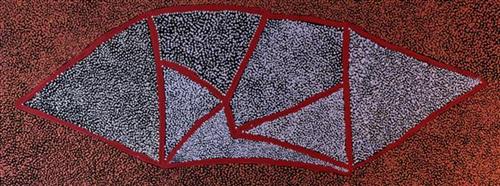
Glenda Kapi Tjukurrpa

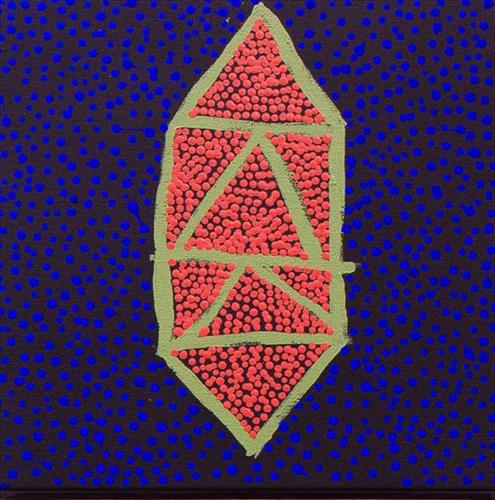
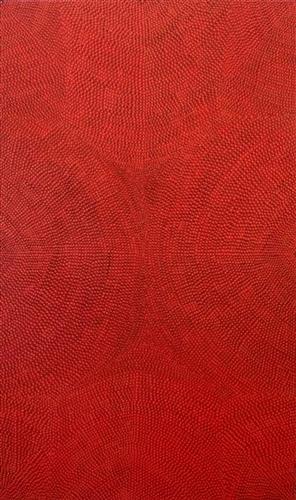
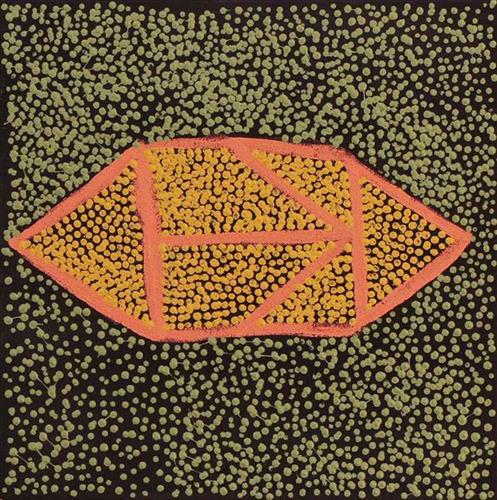
The painting depicts designs associated with Kapi Tjukurrpa (Water Dreaming) at Kalipinypa, a site northwest of Kintore. The Tjukurrpa tells of an important rain making ceremony to invoke the elements. It is a powerful storm bringing on the lightning, thunderclouds and rain sending its deluge to rejuvenate the earth, filling rock holes, clay pans and creeks. It has the power to create new life and growth upon the land.

In this painting Glenda has used the larger shapes to depict tali (sand hills) at the site of Kalipinypa. She has also used dots to represent Akatjurra (bush tomato) that have come to life after the rain. 
118782363366


ada andy Kapi Tjukurrpa

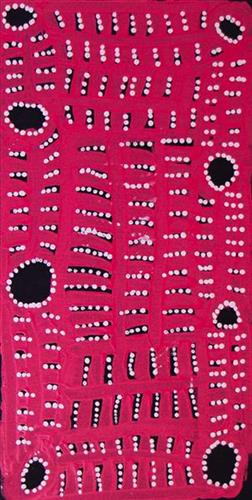
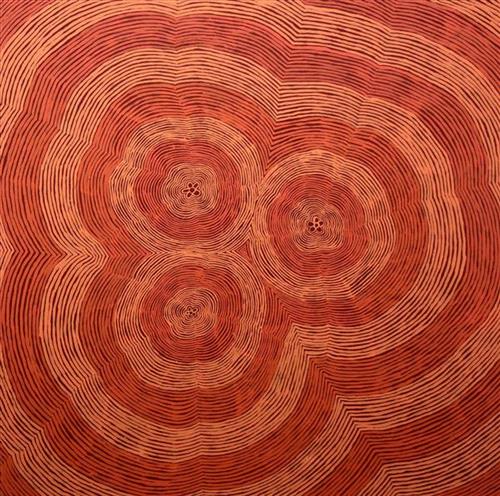
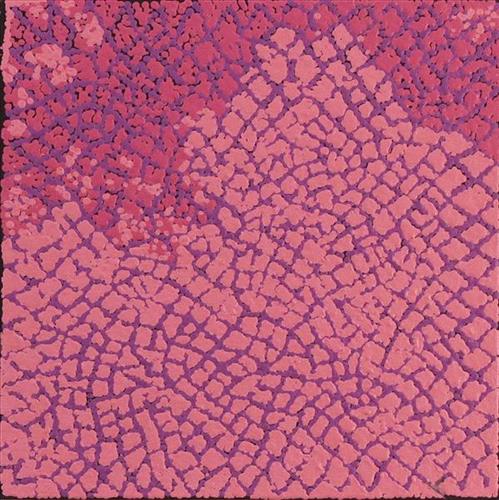
This painting tells one of many water dreamings from the Papunya area. The circles represent important water or rock hole sites. The background design symbolises the landscape after the rains when the earth has been replenished with new growth. The rock holes collect the water during the rains. Knowledge of where to find water is handed down from generation to generation to ensure survival in the desert. This work represents the elements of a storm – wind, rain, thunderclouds and lightning. It also tells the story of rain and water flowing from the waterholes and flooding the usually dry creek beds. If present, the U shapes are the women sitting around the rock holes. 

118782366164


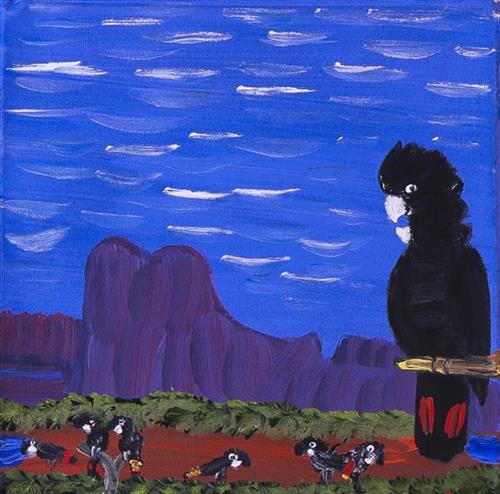
Kukula McDonald – Red Bums

In this painting Kukula has depicted a mob of Red-tailed black cockatoos flying over the Papunya landscape. Kukula refers to them as “Red Bums”.

118782366132


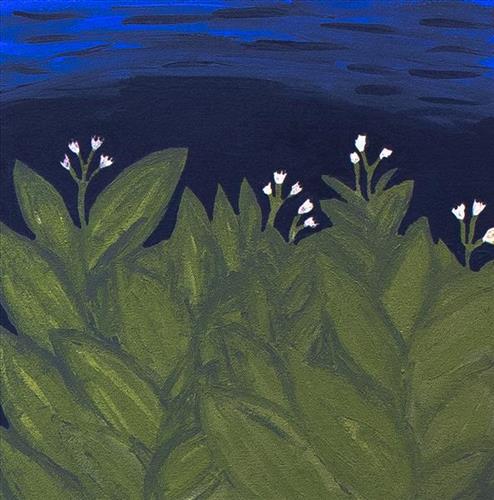
Mingkulpa Dreaming

Janelle painted this after a successful Tjupi bush trip, to forage for Mingkulpa (bush tobacco). She depicts the plant flowering against an evening sky.

118782366127


Glenda Kapi Tjukurrpa

The painting depicts designs associated with Kapi Tjukurrpa (Water Dreaming) at Kalipinypa, a site northwest of Kintore. The Tjukurrpa tells of an important rain making ceremony to invoke the elements. It is a powerful storm bringing on the lightning, thunderclouds and rain sending its deluge to rejuvenate the earth, filling rock holes, clay pans and creeks. It has the power to create new life and growth upon the land.

In this painting Glenda has used the larger shapes to depict tali (sand hills) at the site of Kalipinypa. She has also used dots to represent Akatjurra (bush tomato) that have come to life after the rain. 
118782366574


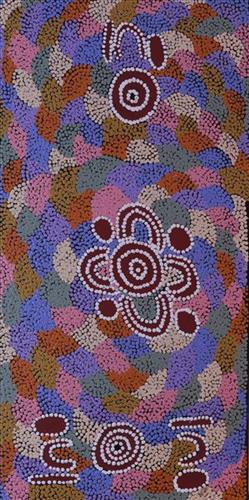
Doris Bush – Papa Tjukurrpa – Nyumannu Memory

Nyunmanu is a Dingo Dreaming site just to the south east of the remote Aboriginal community of Kintore in the Northern Territory. Most of the dingoes and their pups from this place rose up into the sky and became stars. However, the ancestral mother Dingo and her pup had gone out hunting and were too tired to rise up, so they turned into a large rock that marks the place of this sacred Dreaming. 

 The custodians of this Tjukurrpa are Nungarrayi, Tjungarrayi, Napaltjarri and Tjapaltjarri women and men.

The circles in this story often represent important waterholes. The roundels extending from the circles are the designs the women paint on their breasts during ceremony.
 
In this painting Doris is remembering a day in her childhood where, as a little girl, she walked alone past the hill, the creek and the rock holes at Nyunmanu, which always had water. She saw dingos living in the caves and a Spiritual Woman dancing near one of the waterholes. This Spiritual Woman told Doris that this site was her home dreaming place. 

118782366507


Maureen Poulson Kapi Tjukurrpa – Kalipinypa

The painting depicts designs associated with Kapi Tjukurrpa (Water Dreaming) at Kalipinypa, a site northwest of Kintore. The tjukurrpa tells of an important rain making ceremony to invoke the elements. It is a powerful storm bringing on the lightning, thunderclouds and rain sending its deluge to rejuvenate the earth, filling rock holes, clay pans and creeks. It has the power to create new life and growth upon the land.

118782367744


puuni Kapi Tjukurrpa

This painting tells a Kapi Tjukurrpa (water dreaming) story of Wantupunyu. Wantupunyu is Punni’s grandfather’s Country and the site is to the north of Papunya and west of the sacred mountain Karinyarra. Punni leant to paint this story from her Mother’s paintings, Isobel Gorey Nambajimba, who is a prolific painter and a director at Papunya Tjupi.

Water dreaming sites are important for the regeneration of nature. The water makes the country green and brings a lot of ‘bush tucker’ foods for the people and the animals. The heavy rain usually comes in the summer time. When the lightening can be seen at a distance, the elders will start singing to the lightening, encouraging it to bring more rain to replenish the land. In her paintings, Puuni depicts lightening, rainbows, puddles and bush flowers.

In this painting the central shapes are important water or rock hole site. The lines represent the elements of a storm – wind, rain, thunderclouds and lightning. The patterns represent rain and water flowing from the waterholes and flooding the usually dry creek beds.

118782369508


Glenda Kapi Tjukurrpa

The painting depicts designs associated with Kapi Tjukurrpa (Water Dreaming) at Kalipinypa, a site northwest of Kintore. The Tjukurrpa tells of an important rain making ceremony to invoke the elements. It is a powerful storm bringing on the lightning, thunderclouds and rain sending its deluge to rejuvenate the earth, filling rock holes, clay pans and creeks. It has the power to create new life and growth upon the land.

In this painting Glenda has used the larger shapes to depict tali (sand hills) at the site of Kalipinypa. She has also used dots to represent Akatjurra (bush tomato) that have come to life after the rain. 
118782369507


Alice Poulson Kalipinypa Tjukurrpa

The painting depicts designs connected to Kapi Tjukurrpa (Water Dreaming) at Kalipinypa, a sacred site northwest of the Aboriginal Community of Kintore in the Central Western Desert of Australia. The Tjukurrpa tells of an important rain making ceremony to invoke the elements. It is a powerful storm bringing on the lightning, thunderclouds and rain sending its deluge to rejuvenate the earth, filling rock holes, clay pans and creeks. It has the power to create new life and growth upon the land. There is a lightning strike at this place.

In this Tjukurrpa the angular shapes represent the dryness of the Kapi Tjukitji (waterhole). Alice talks of having no spring water in this site. The arrow shapes represent the footprints of the white heron that frequent the site. The custodians for this tjukurrpa are Nakamarra, Tjakamarra, Naparula and Tjaparulla skin subsections.