225182374451


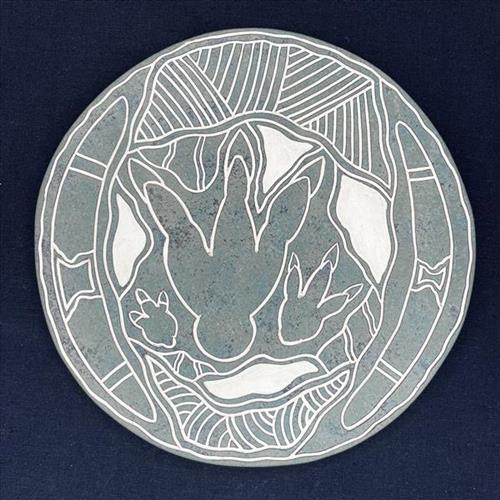
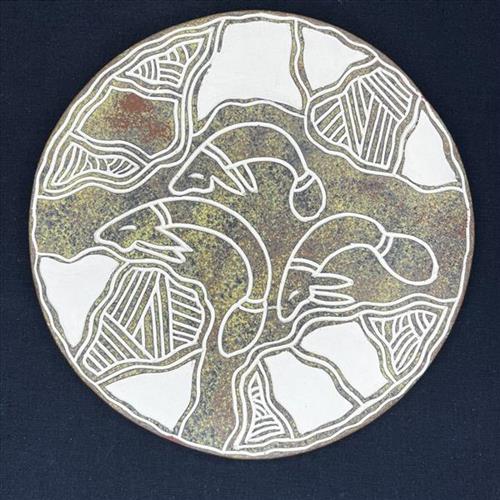
Kirbaji (Dugong)

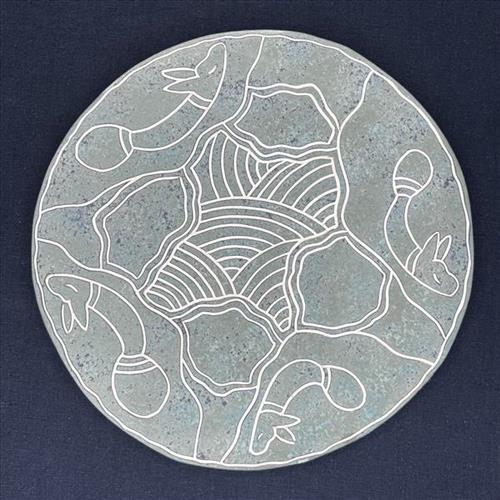
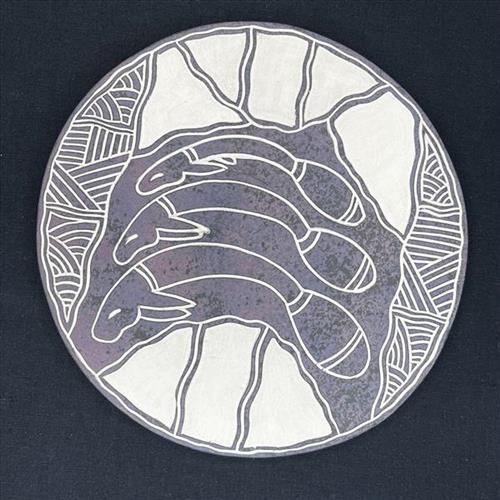
Kirbaji (Dugong) is an Ancestral Spirit Being (Totem) that I inherited it from my mother’s side.  It is my Totem. The dugong was also an important food source for my ancestors. Only men were allowed to hunt them, and only men had the right to cook and distribute the meat to all the families. My uncles and cousins showed me how to hunt dugongs and they passed down to me the cultural knowledge about them.

My ancestors used to wrap the dugong meat in ginger leaves for flavour, close the wraps with a vine and cook them in the ground oven. Dugongs were only hunted on special occasions such as births, weddings and funerals to provide food for large family gatherings.Dugong fat was also melted to make oil which was used as a medicine for skin and hair ailments or as ointment to treat an upset stomach.
225182374420


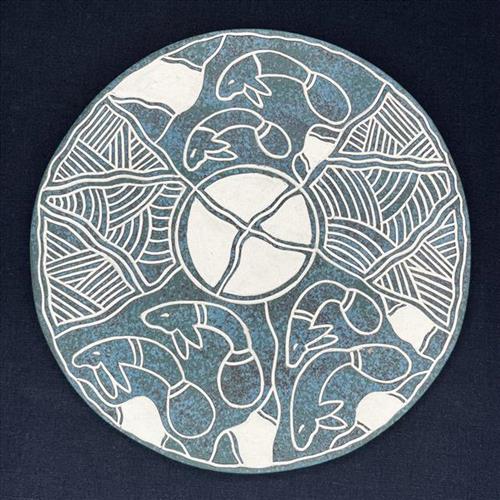
Kirbaji (Dugong)

Kirbaji (Dugong) is an Ancestral Spirit Being (Totem) that I inherited it from my mother’s side.  It is my Totem. The dugong was also an important food source for my ancestors. Only men were allowed to hunt them, and only men had the right to cook and distribute the meat to all the families. My uncles and cousins showed me how to hunt dugongs and they passed down to me the cultural knowledge about them.

My ancestors used to wrap the dugong meat in ginger leaves for flavour, close the wraps with a vine and cook them in the ground oven. Dugongs were only hunted on special occasions such as births, weddings and funerals to provide food for large family gatherings.Dugong fat was also melted to make oil which was used as a medicine for skin and hair ailments or as ointment to treat an upset stomach.

377810582374417


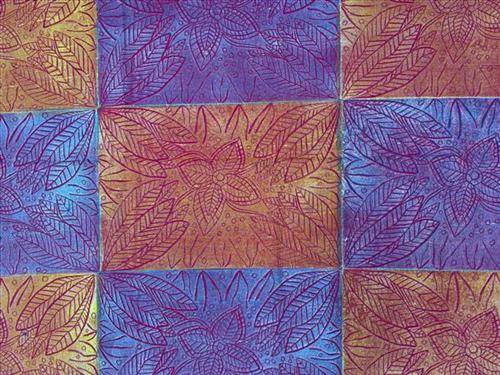
Wayuk (Waterlily)

This fabric was created using the linocut fabric printing technique, which has been refined at Bábbarra Women’s Centre since it was introduced in the mid-1990s.

The Lino tile is carved by the artist at Bábbarra Designs. It is printed on fabric by hand using a variety of colours and layers. The linocut technique ensures each textile is a one-off, limited edition piece.

The fabric is colour-safe and can be thrown into a washing machine. Repeated use will soften the fabric, and some fading will occur over time. 

Bábbarra Women’s Centre supports the economic independence of Indigenous women in the Arnhem Land community of Maningrida, Northern Territory, Australia. Designs created by the women at Bábbarra reflect strong cultural knowledge, which is passed down to younger generations through their textile design practice.

‘Themes in our artwork almost exclusively come from our Country and cultural connection. Our deep relationship with the land and seas of our customary clan estates strongly defines and governs the social, cultural, spiritual and territorial aspects of our lives.’

Bábbarra Designs Artist Statement

225182374415


Kirbaji (Dugong)

Kirbaji (Dugong) is an Ancestral Spirit Being (Totem) that I inherited it from my mother’s side.  It is my Totem. The dugong was also an important food source for my ancestors. Only men were allowed to hunt them, and only men had the right to cook and distribute the meat to all the families. My uncles and cousins showed me how to hunt dugongs and they passed down to me the cultural knowledge about them.

My ancestors used to wrap the dugong meat in ginger leaves for flavour, close the wraps with a vine and cook them in the ground oven. Dugongs were only hunted on special occasions such as births, weddings and funerals to provide food for large family gatherings.Dugong fat was also melted to make oil which was used as a medicine for skin and hair ailments or as ointment to treat an upset stomach.
225182374412


Kirbaji (Dugong)

Kirbaji (Dugong) is an Ancestral Spirit Being (Totem) that I inherited it from my mother’s side.  It is my Totem. The dugong was also an important food source for my ancestors. Only men were allowed to hunt them, and only men had the right to cook and distribute the meat to all the families. My uncles and cousins showed me how to hunt dugongs and they passed down to me the cultural knowledge about them.

My ancestors used to wrap the dugong meat in ginger leaves for flavour, close the wraps with a vine and cook them in the ground oven. Dugongs were only hunted on special occasions such as births, weddings and funerals to provide food for large family gatherings.Dugong fat was also melted to make oil which was used as a medicine for skin and hair ailments or as ointment to treat an upset stomach.
225182374411


Kurranji (Cassowary)

The cassowary is my totem. My mother’s sister handed it down to me when I was a young boy. I perform the cassowary dance in public ceremonies. As a young men, I was part of the Yalanji Dance group and was invited to Hong Kong to perform our traditional dance cycles including the cassowary dance.


377810582374410


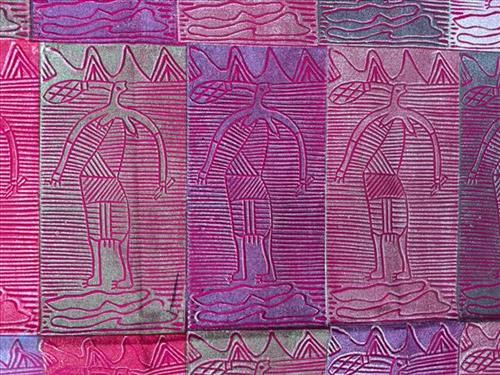
Babbarra Mimih

Bábbarra Women’s Centre is named after a billabong.

This design references the Bábbarra logo that shows a female mimih (spirit being).

This fabric was created using the linocut printing technique. The lino tile has been carved by the artist in Maningrida, and has been printed by hand using a variety of colours and layers. The linocut technique ensures each textile piece is a one-off, limited edition piece. Bábbarra Women’s Centre supports the economic independence of Indigenous women in the Arnhem Land community of Maningrida, Northern Territory, Australia. Designs created by the women at Bábbarra reflect strong cultural knowledge, which is passed down to younger generations through their textile design practice.

225182374406


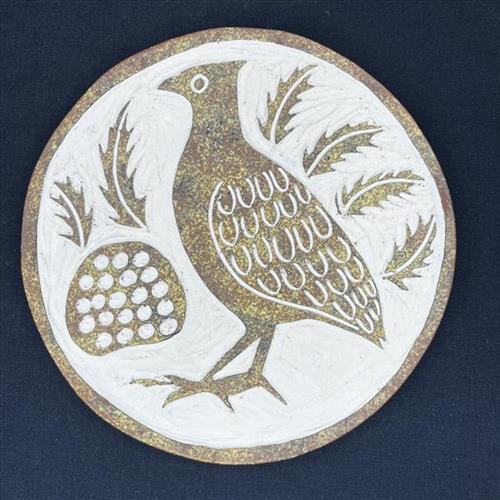
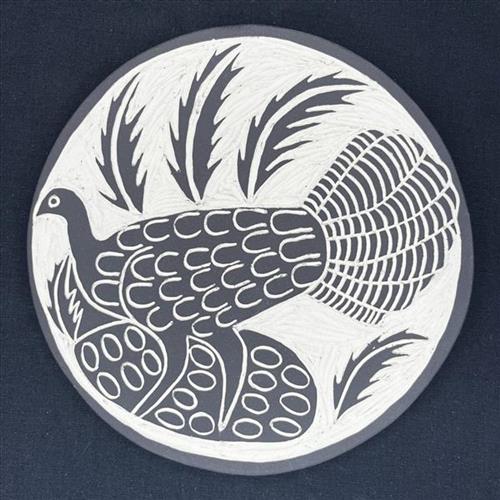
Diwan (Scrub Turkey)

Diwan are bush food – an important source of meat. We also eat the eggs. They are a delicacy. The male bird looks after the nest and will not go far, as he has to protect the nest from bush goanna’s. If they come around, he will send out an alarm call to other Diwan to alert therm. The nesting time for Diwan is September to December. The bush goanna knows when the eggs will be ready to hatch. When the goannas start hanging around, this is a good sign that the eggs are ready. We dig for eggs with digging sticks or by hand. The nest is very deep and when you can feel the warmth with your hands, you know that the eggs are close-by. The eggs are very good for health and make you strong.

111582374405


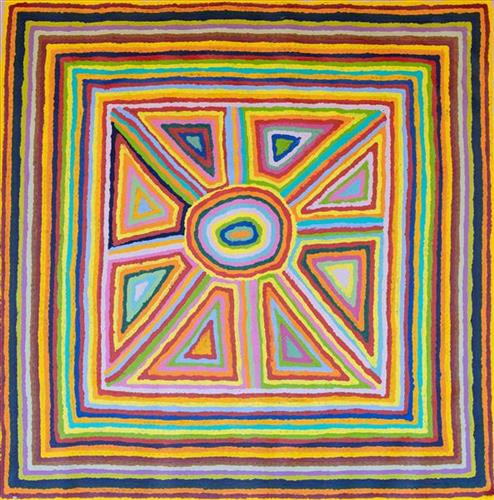
Jartuti

“Jartuti water place east of Parnngurr. In pujiman (traditional, desert dwelling) days old people walked and hunted there, we went there recently with KJ (Kanyirninpa Jukurrpa) ranger mob, lovely place.” 

 – Beverley Rogers

Jartuti is a water source located close to Parnngurr Aboriginal Community (otherwise known as Cotton Creek), and is part of Beverley’s father’s ngurra (home Country, camp). The site is near to the home of the jangara (cannibal devil), spiritual beings from the Jukurrpa (Dreaming) era.