111582374351


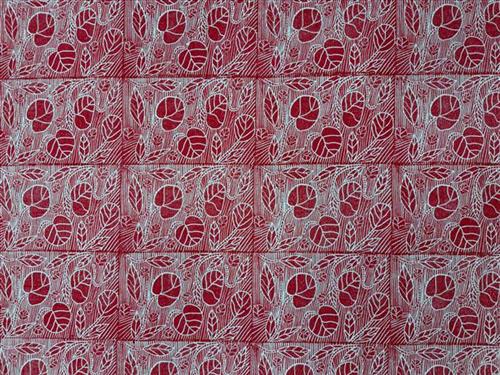
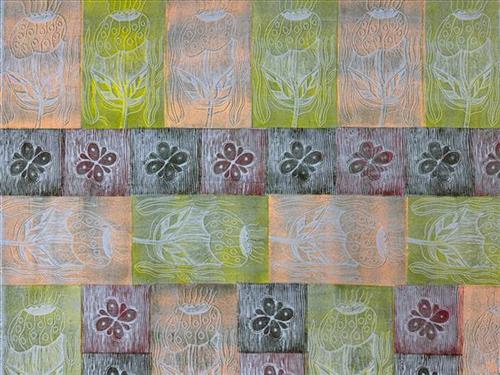
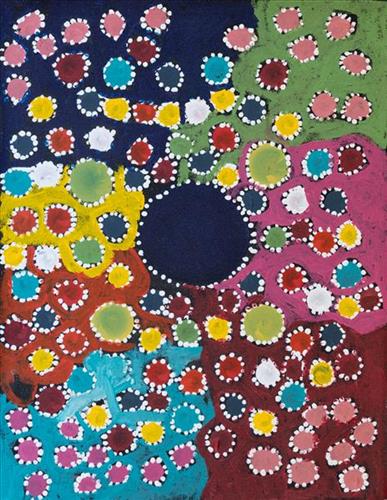
Wildflowers

This work depicts the remarkably diverse flora found through Martu Country. These plants are not only vital as significant food sources, but also celebrated for their aesthetic splendour. In the context of the often harsh and arid environments in which desert flowers bloom, their vibrancy, delicacy, and variation become even more spectacular.

377810582374338


Yawkyawk (young woman spirit)

Yawkyawk is a word from the Aboriginal Kunwinjku language, meaning ‘young woman’ and ‘young woman spirit being’.

Sometimes compared to the European notion of mermaids, yawkyawks are usually depicted with the tails of fish. They have long hair, associated with trailing blooms of algae, typically found in Arnhem Land streams and rock pools.

377810582374336


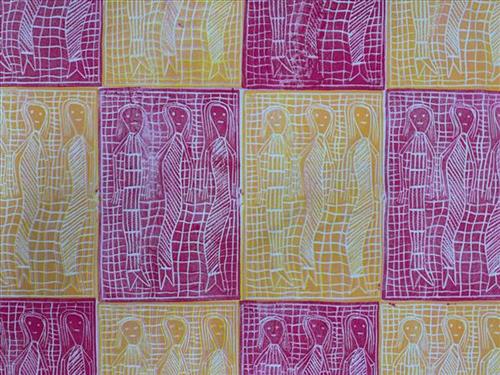
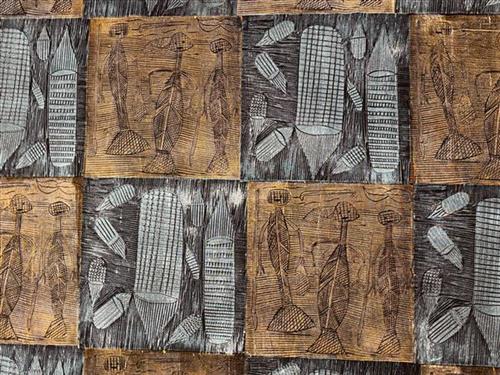
Yawkyawk and Kunmadj (mermaid and baskets)

This fabric was created using the linocut fabric printing technique, which has been refined at Bábbarra Women’s Centre since it was introduced in the early mid 1990’s

The Lino tile is carved by the artist at Bábbarra Designs. It is printed on fabric by hand using a variety of colours and layers. The linocut technique ensures each textile is a one-off, limited edition piece.

The fabric is colour-safe and can be thrown into a washing machine. Repeated use will soften the fabric and some fading will occur over time. 

Bábbarra Women’s Centre supports the economic independence of Indigenous women in the Arnhem Land community of Maningrida, Northern Territory, Australia. Designs created by the women at Bábbarra reflect strong cultural knowledge, which is passed down to younger generations through their textile design practice.

‘Themes in our artwork almost exclusively come from our Country and cultural connection. Our deep relationship with the land and seas of our customary clan estates strongly defines and governs the social, cultural, spiritual and territorial aspects of our lives.’

Bábbarra Designs Artist Statement
377810582374334


Wayuk (Waterlily)

Wayuk (Waterlily) Nymphaea violacea. 

The stem of wayuk is a popular bushfood and the beautiful flower is enjoyed across Arnhem Land. 

This fabric was created using the linocut printing technique. The lino tile has been carved by the artist in Maningrida, and has been printed by hand using a variety of colours and layers. The linocut technique ensures each textile piece is a one-off, limited edition piece. Bábbarra Women’s Centre supports the economic independence of Indigenous women in the Arnhem Land community of Maningrida, Northern Territory, Australia. Designs created by the women at Bábbarra reflect strong cultural knowledge, which is passed down to younger generations through their textile design practice.

377810582374333


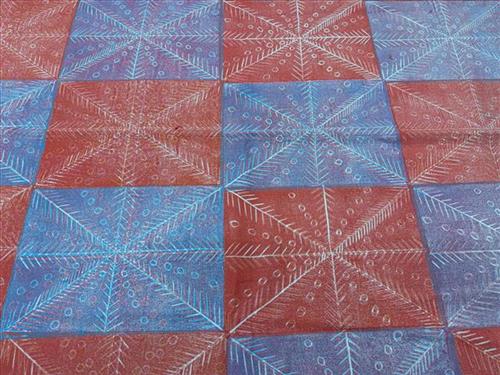
Marlin fish bone

This fabric was created using the linocut fabric printing technique, which has been refined at Bábbarra Women’s Centre since it was introduced in the early mid 1990’s

The Lino tile is carved by the artist at Bábbarra Designs. It is printed on fabric by hand using a variety of colours and layers. The linocut technique ensures each textile is a one-off, limited edition piece.

The fabric is colour-safe and can be thrown into a washing machine. Repeated use will soften the fabric and some fading will occur over time. 

Bábbarra Women’s Centre supports the economic independence of Indigenous women in the Arnhem Land community of Maningrida, Northern Territory, Australia. Designs created by the women at Bábbarra reflect strong cultural knowledge, which is passed down to younger generations through their textile design practice.

‘Themes in our artwork almost exclusively come from our Country and cultural connection. Our deep relationship with the land and seas of our customary clan estates strongly defines and governs the social, cultural, spiritual and territorial aspects of our lives.’

Bábbarra Designs Artist Statement
225182374332


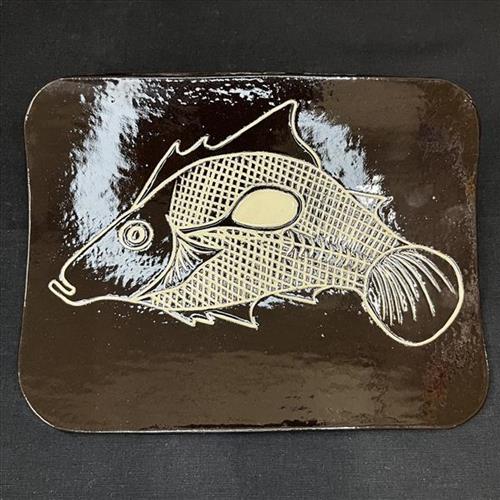
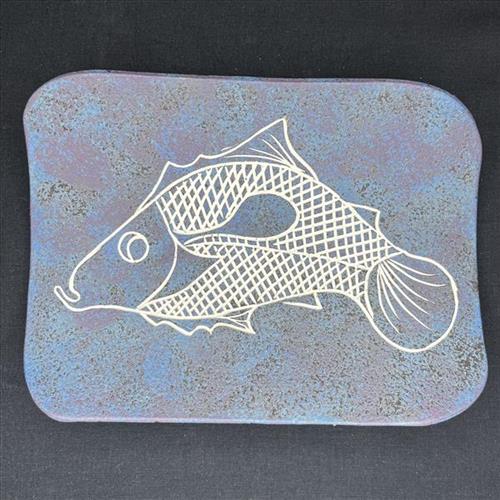
Kudi (Barramundi)

Kudi (Barramundi) is of great cultural importance for our Kuku Yalanji families. It is a major food source for us. We hunt them when they are fat. Kudi (Barramundi) is also one of a group of totem names that our elders give to a newborn child of the younger generation. A child who receives, for example,  Kudi (Barramundi), as a totem name will be protected by the barramundi’s spirit their entire life.

377810582374331


Wayuk and white flowers

This fabric was created using the linocut fabric printing technique, which has been refined at Bábbarra Women’s Centre since it was introduced in the early mid 1990’s

The Lino tile is carved by the artist at Bábbarra Designs. It is printed on fabric by hand using a variety of colours and layers. The linocut technique ensures each textile is a one-off, limited edition piece.

The fabric is colour-safe and can be thrown into a washing machine. Repeated use will soften the fabric and some fading will occur over time. 

Bábbarra Women’s Centre supports the economic independence of Indigenous women in the Arnhem Land community of Maningrida, Northern Territory, Australia. Designs created by the women at Bábbarra reflect strong cultural knowledge, which is passed down to younger generations through their textile design practice.

‘Themes in our artwork almost exclusively come from our Country and cultural connection. Our deep relationship with the land and seas of our customary clan estates strongly defines and governs the social, cultural, spiritual and territorial aspects of our lives.’

Bábbarra Designs Artist Statement
225182374329


Kudi (Barramundi)

Kudi (Barramundi) is of great cultural importance for our Kuku Yalanji families. It is a major food source for us. We hunt them when they are fat. Kudi (Barramundi) is also one of a group of totem names that our elders give to a newborn child of the younger generation. A child who receives, for example,  Kudi (Barramundi), as a totem name will be protected by the barramundi’s spirit their entire life.

225182374327


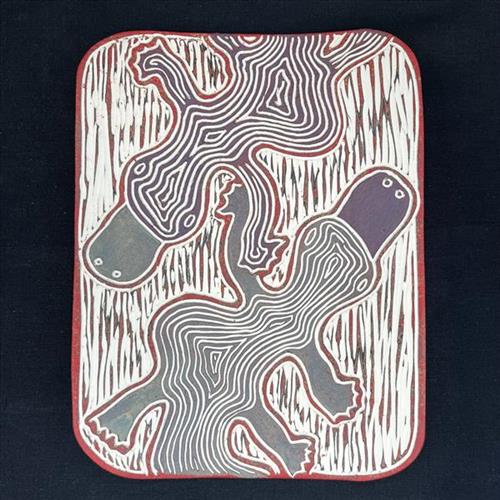
Wambiji (Platypus)

Platypus are very shy. They like to hide under rocks and can rarely be seen when people are around.  When I was 17 years old, I used to go for a swim with my partner, Laurence, in the Mossman River, at a site called Jabuljabul (Girls/Women). Some mornings, a  platypus was coming out of his hiding place, searching for food. He swam around. When he heard us, he swam back to his hiding place until we were gone.

225182374324


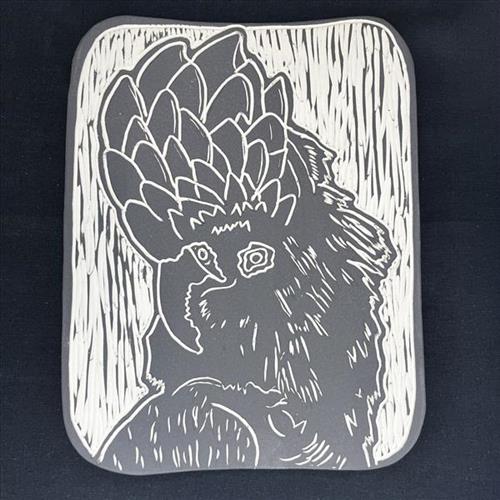
Kadanji (Black Cockatoo)

The black cockatoo is my totem. It has been passed down to me from my grandmother and her sisters, to my mum and her sisters and then it came to me and my sisters.

I use the black cockatoo often in my art not only because it is my Totem but also to thank my grandmother’s sisters (Kae Creek, Leyla Creek and Margaret Rocky). They are artists and I used to watch them when I was a young girl. This inspired me to become an artist myself.

So, the Black Cockatoo shows on a personal level how I honour to these women artists, who came before me and changed my life.