220282220819


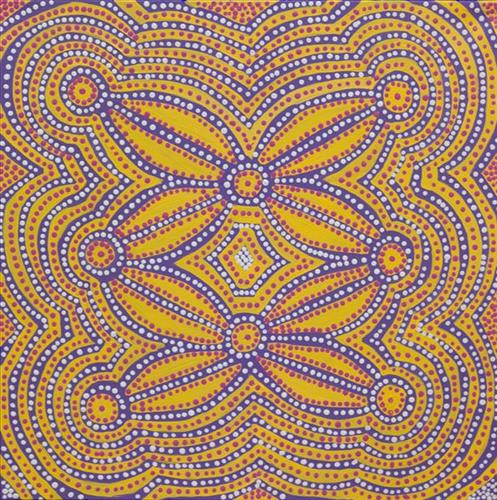
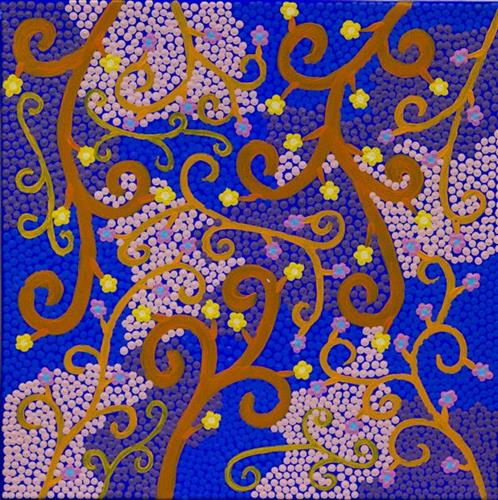
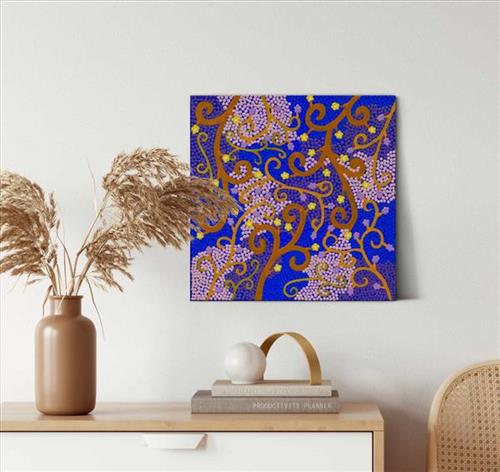
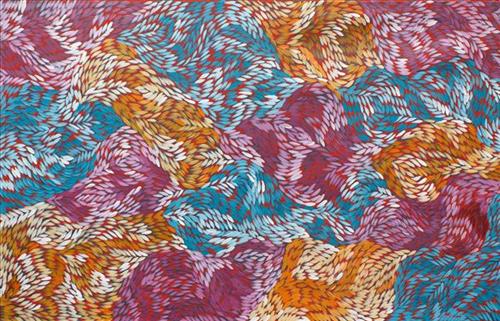
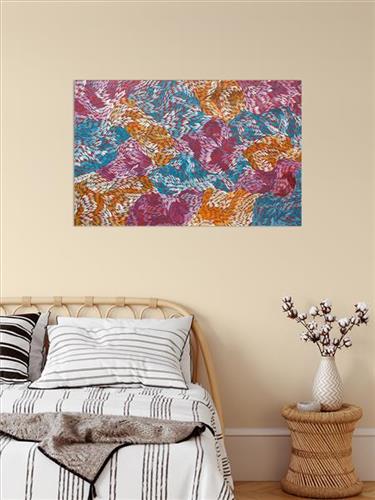
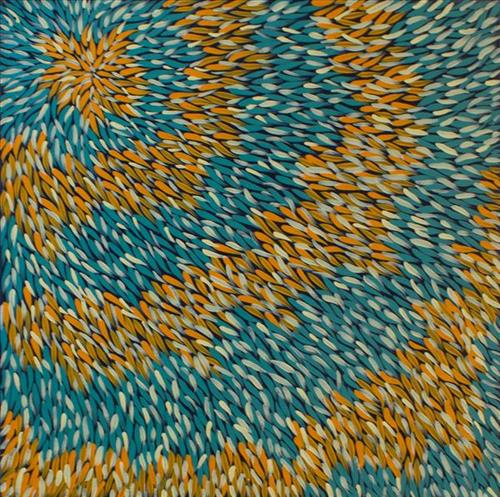
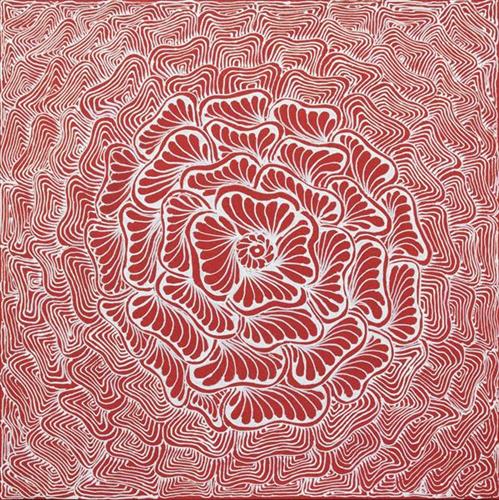
Bushflowers in the wind

Kathy paints the bushflowers in her grandmother’s country and how the wind creates whirly whirlies. The whirly whirly takes the bushflowers and branches and they move around.

Kathy remembers seeing this with her grandmother and how she told her: that wind will always take you home. You don’t have to be afraid.

220282221145


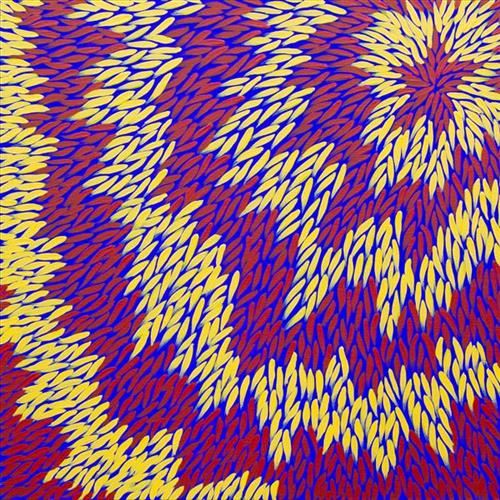
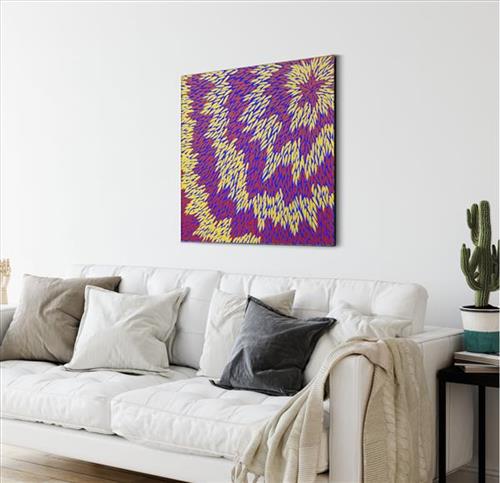
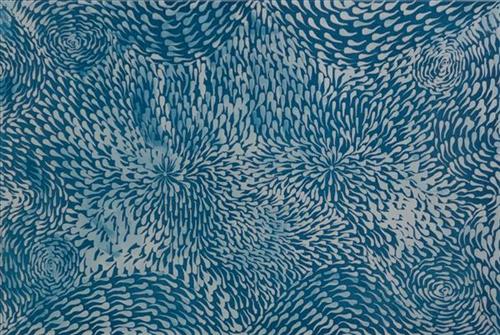
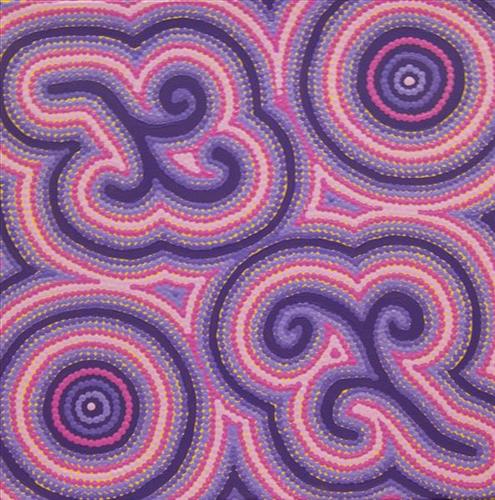
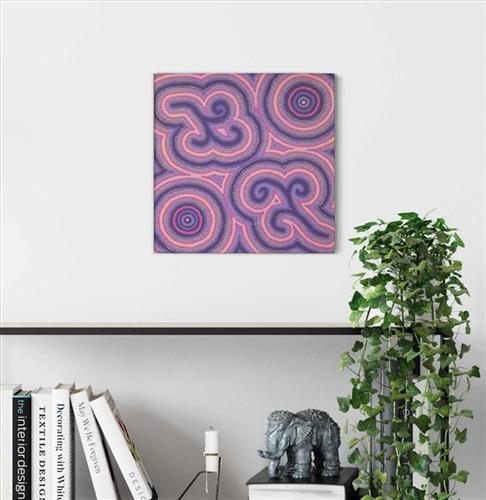
Piparr Tjukurrpa

Lucinda depicts her maternal grandfather’s country in the Great Sandy Desert between the communities of Kiwirrkurra and Balgo. This area is characterised by extensive sand dunes interspersed with rockholes and caves and is dangerous country to travel across during the hot Outback summer. In the cooler winter months however, it is good country for hunting bush turkey and echidna.

Lucinda paints the story of the Piparr Waterhole in this area. In the Dreamtime, there was a big fire at this place. Two men were running away from the fire and fell on their knees. The impressions formed by their knees created the rockholes in the earth. Now, fresh cool water can be found by digging in the rockhole even in the hot season. The round central motif indicates the shape of the Piparr rockhole, while the hypnotic swirling lines surrounding it are the sand dunes which surround the oasis.

220282237006


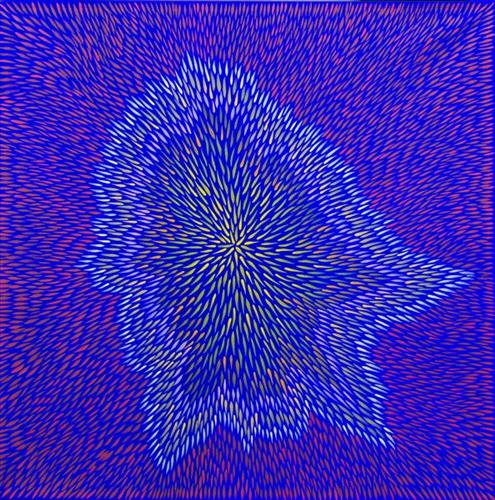
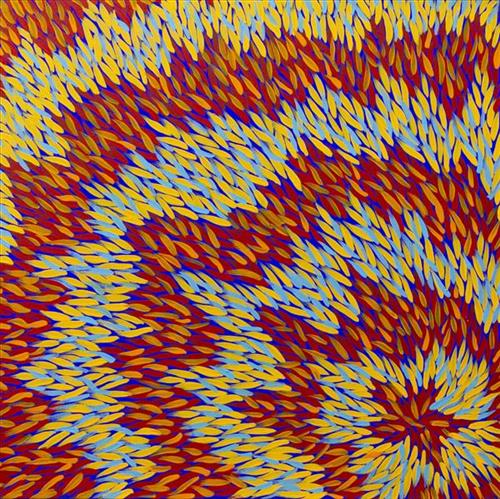
Ininti at Muruntji

This painting depicts the bush seeds that come from the ininti tree (batwinged coral tree).  The tree is native to the Western Desert of Central Australia, growing in sand around creek beds. The ininti grow abundantly in Muruntji country where the artist has spent much time collecting the seeds. Muruntji is west of Kungkayunti (Browns Bore), the outstation where the artist’s family is from. Both Patricia Multa, and her daughter Virgillia Multa paint the ininti at Muruntji, expressing the colours and movement of the ininti tree and its seeds and flowers throughout the seasons. Patricia remembers collecting the seeds when she was a child and making them into necklaces. The seeds can be found in the sand, or inside the pods still on the trees. The seeds naturally grow in varying colours from dark reds to light yellows. The flowers are equally vibrant, ranging from rich oranges into reds. Ininti are still collected today and made into jewellery at Ikuntji Artists. 

220282237022


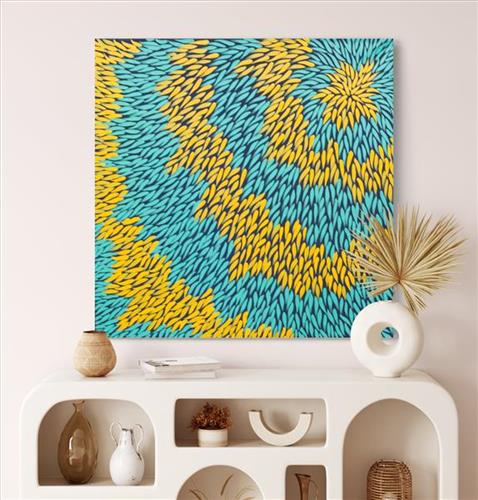
Bushflowers in the wind

Kathy paints the bushflowers in her grandmother’s country and how the wind creates whirly whirlies. The whirly whirly takes the bushflowers and branches and they move around.

Kathy remembers seeing this with her grandmother and how she told her: that wind will always take you home. You don’t have to be afraid.

220282236989


Bushflowers in the wind

Kathy paints the bushflowers in her grandmother’s country and how the wind creates whirly whirlies. The whirly whirly takes the bushflowers and branches and they move around.

Kathy remembers seeing this with her grandmother and how she told her: that wind will always take you home. You don’t have to be afraid.

220282243792


Yalka at Karrkurutinytja (Bush onion Dreaming at Lake Macdonald)

Daphne was passed down the right to paint the Yalka Tjukurrpa at Karrkurutinytja (Bush onion dreaming at Lake Macdonald) from her grandmother, Narputta Nangala Jugadai. Narputta, who was a founding member of Ikuntji art centre and a prolific painter, was born close to this sight.


Daphne says,


 “My grandmother, Narputta used to make that painting. She told me that story. I used to work here (Ikuntji Women’s Centre) as a cook. I came to learn here. I saw my grandma painting. I learnt from her. She told me that story…Yalka…Bush food…For a long time those old ladies have been looking for Yalka, digging for Yalka, taking the fruit, cooking it in the fire. We cook them just a little bit, like Maku (witchetty grub). I have been looking for that Yalka with my grandmother.”


Yalka Tjukurrpa, as told by Narputta,


“Creek bed at Karrkurutinytja. Two old women, two Nungurrayi, came across from Pulpa and started Gathering bush  onions, putting them into coolamons. They went on a journey west. They approached a group of men and watched them, whilst hiding in the bushed at Pimarrpa (Soakage near Kiwirrkura). There was another lady, Alkiljarra Nakamarra, who came along on their tracks. She saw them where they had gathered bush onions. She became upset that they’d gathered them all up and there were none left. The Nakamarra started walking and came across the creek, where she started collecing mungilpa (a staple seed food for the Pintupi people).  She came across two Tjangalas (Mungilnga and Tiwilgna). Next to them was a rockhole and Atjakalya Nakamarra, who was making damper for them. Mungilnga had the smaller damper. The two Tjangalas ate their damper then she flew off and became a rock there at Kurultu.”

220282244683


Yalka at Karrkurutinytja (Bush onion Dreaming at Lake Macdonald)

Daphne was passed down the right to paint the Yalka Tjukurrpa at Karrkurutinytja (Bush onion dreaming at Lake Macdonald) from her grandmother, Narputta Nangala Jugadai. Narputta, who was a founding member of Ikuntji art centre and a prolific painter, was born close to this sight.


Daphne says,


 “My grandmother, Narputta used to make that painting. She told me that story. I used to work here (Ikuntji Women’s Centre) as a cook. I came to learn here. I saw my grandma painting. I learnt from her. She told me that story…Yalka…Bush food…For a long time those old ladies have been looking for Yalka, digging for Yalka, taking the fruit, cooking it in the fire. We cook them just a little bit, like Maku (witchetty grub). I have been looking for that Yalka with my grandmother.”


Yalka Tjukurrpa, as told by Narputta,


“Creek bed at Karrkurutinytja. Two old women, two Nungurrayi, came across from Pulpa and started Gathering bush  onions, putting them into coolamons. They went on a journey west. They approached a group of men and watched them, whilst hiding in the bushed at Pimarrpa (Soakage near Kiwirrkura). There was another lady, Alkiljarra Nakamarra, who came along on their tracks. She saw them where they had gathered bush onions. She became upset that they’d gathered them all up and there were none left. The Nakamarra started walking and came across the creek, where she started collecing mungilpa (a staple seed food for the Pintupi people).  She came across two Tjangalas (Mungilnga and Tiwilgna). Next to them was a rockhole and Atjakalya Nakamarra, who was making damper for them. Mungilnga had the smaller damper. The two Tjangalas ate their damper then she flew off and became a rock there at Kurultu.”
220282247791


Ininti at Muruntji

This painting depicts the bush seeds that come from the ininti tree (batwinged coral tree).  The tree is native to the Western Desert of Central Australia, growing in sand around creek beds. The ininti grow abundantly in Muruntji country where the artist has spent much time collecting the seeds. Muruntji is west of Kungkayunti (Browns Bore), the outstation where the artist’s family is from. Both Patricia Multa, and her daughter Virgillia Multa paint the ininti at Muruntji, expressing the colours and movement of the ininti tree and its seeds and flowers throughout the seasons. Patricia remembers collecting the seeds when she was a child and making them into necklaces. The seeds can be found in the sand, or inside the pods still on the trees. The seeds naturally grow in varying colours from dark reds to light yellows. The flowers are equally vibrant, ranging from rich oranges into reds. Ininti are still collected today and made into jewellery at Ikuntji Artists.