220282248190


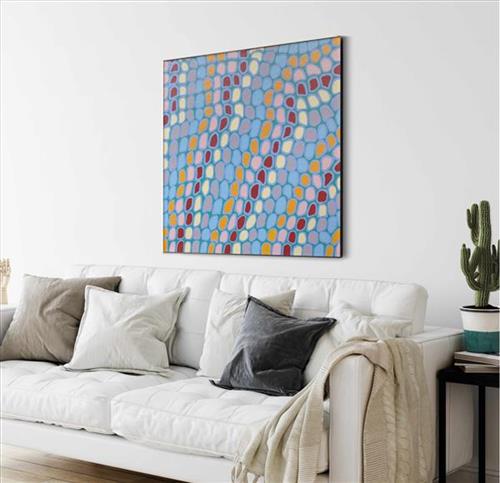
Tali at Kungkayunti

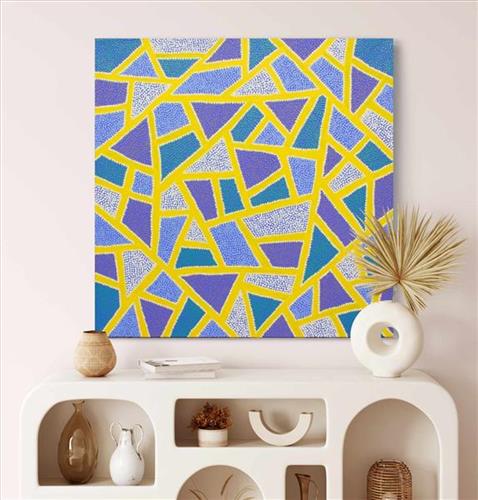
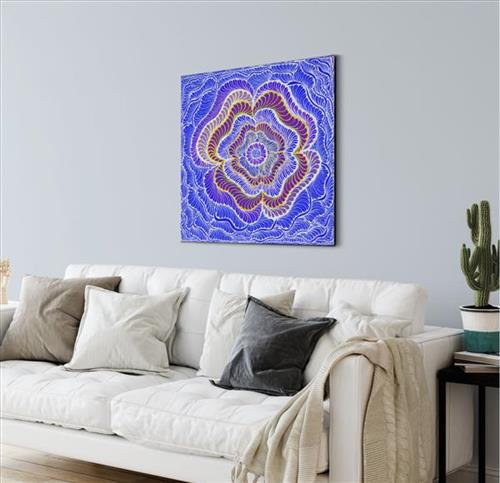
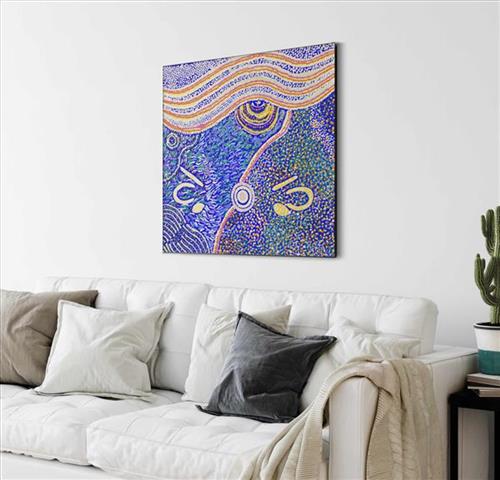
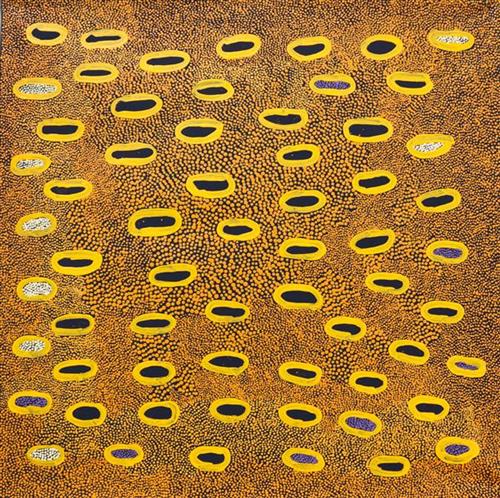
This painting shows the birds eye view of the tali tali (sandhills) at Kungkayunti (Brown’s Bore). This is the country of Joe Tjakamarra Multa, the father of Douglas Multa, Agnes Multa, Lisa Multa, Alison Multa, Rephina Multa, Benita Multa and Patricia Multa and the grandfather to their children. The tali tali are a short walk from where the family lived and the children of Joe grew up.

Lisa remembers walking up the tali tali with her sister, Agnes Multa, who was the same age as her. When Lisa got married she brought her partner to see those tali tali. From the tali tali, a 360-degree view can be seen of the surrounding country. The area is abundant with bush tucker, especially bush tomatoes and bush banana.

Kungkayunti is an important place for the travelling Tjukurrpa of the ancestral Arrernte women who travelled 600 kms from Ntaria (Hermannsburg) to Kintore, past Kulpitarra (Outstation) to attend to women’s business. Kungkayunti is the place where the women first camped. On their long journey, the women stopped at Kunkayunti (Brown’s Bore) to camp, rest, eat and dance. When the women reached their destination, they danced, shared their stories and renewed their law. Those women turned into stone and can be seen today. Annual events continue today to strengthen this Tjukurrpa.

220282248188


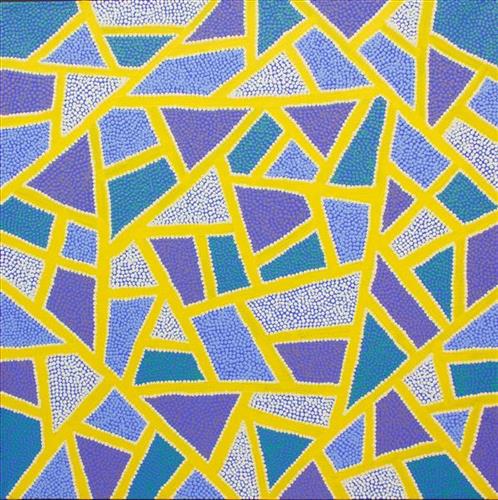
Pikilyi (Vaughn Springs)

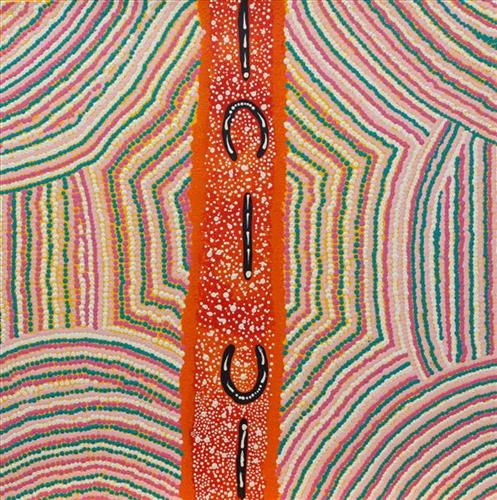
This painting shows Pikilyi (Vaughn Springs) west of Yuendumu. This is Erin’s grandfather’s and great-grandfather’s country. The designs show the skin groups of the Tjapanangkas and the Tjapangardis. The designs represent Pikilyi.

220282248565


Haasts Bluff Landscape

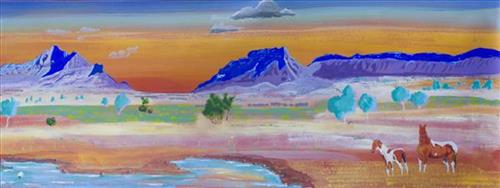
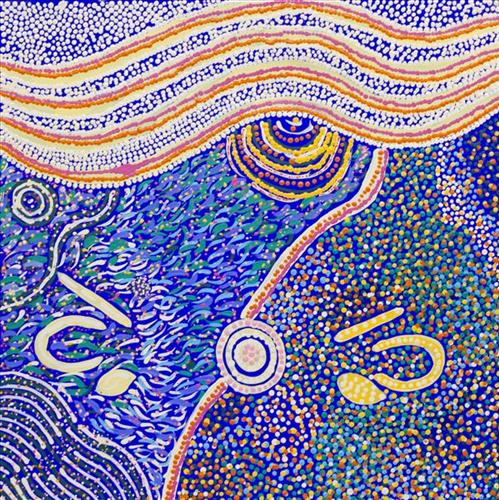
This painting shows the landscape around Haasts Bluff, the mountains at the back of the community and how the sun is setting. 

220282251244


Ininti at Muruntji

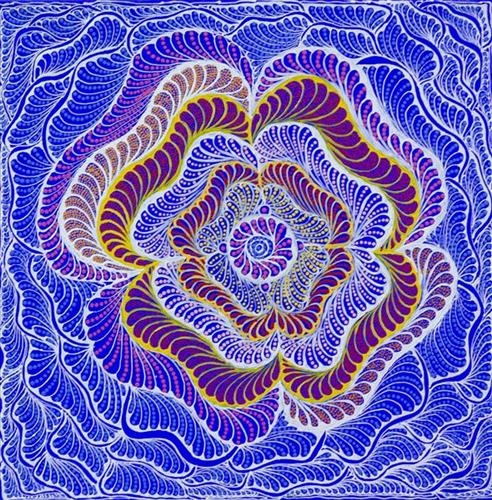
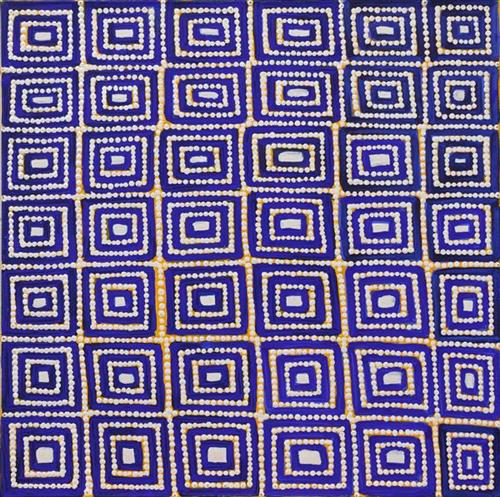
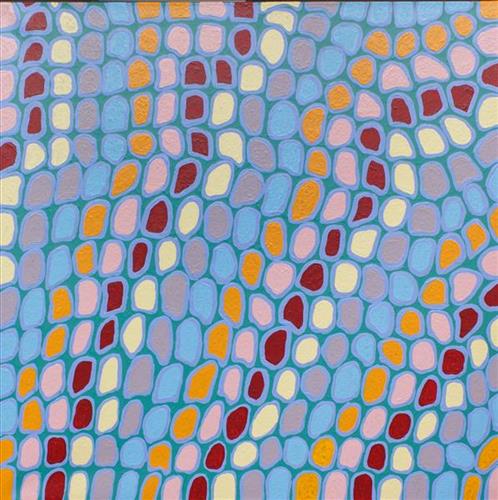
This painting depicts the bush seeds that come from the ininti tree (batwinged coral tree).  The tree is native to the Western Desert of Central Australia, growing in sand around creek beds. The ininti grow abundantly in Muruntji country where the artist has spent much time collecting the seeds. Muruntji is west of Kungkayunti (Browns Bore), the outstation where the artist’s family is from. Both Patricia Multa, and her daughter Virgillia Multa paint the ininti at Muruntji, expressing the colours and movement of the ininti tree and its seeds and flowers throughout the seasons. Patricia remembers collecting the seeds when she was a child and making them into necklaces. The seeds can be found in the sand, or inside the pods still on the trees. The seeds naturally grow in varying colours from dark reds to light yellows. The flowers are equally vibrant, ranging from rich oranges into reds. Ininti are still collected today and made into jewellery at Ikuntji Artists. 

220282252671


Uwulkari – Watiya Tjuta

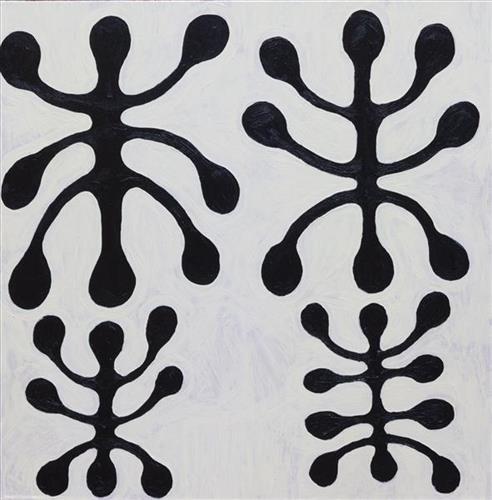
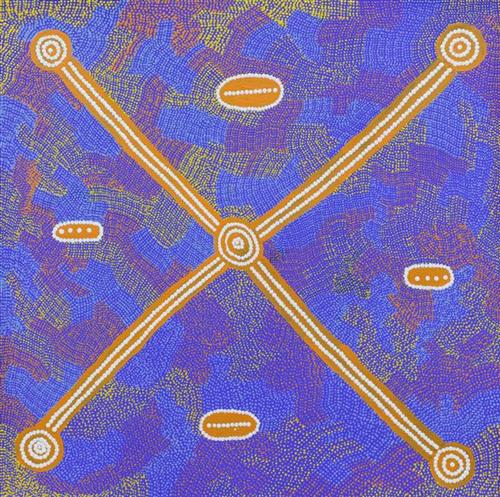
Roxanne paints her grandmother’s Tjukurrpa, the ceremonial spear straightening in Uwalkari country (Gibson desert region). The Watiya Tjuta (Acacia Trees) are the trees that are used to make these spears. Uwalkari country is abundant with Watiya Tjuta, as well as sand hills and other plants.Roxanne paints the motif of the Watiya Tjuta, carrying on the recurring motif as her grandmother used to draw in the sand. She passed on this Dreaming to her. 


220282253214


Kungka Kotara Tjukurrpa (Two Women Story)

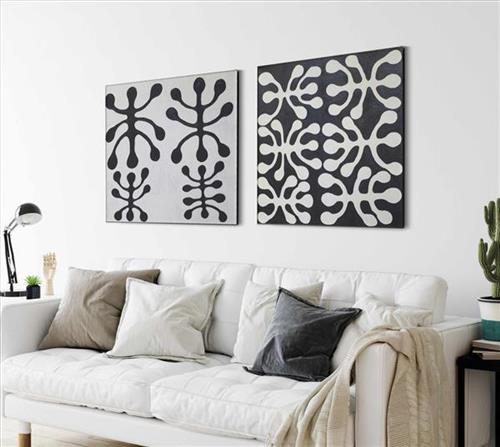
Two women were travelling to Walungurru (Kintore) from Kalkukatjarra (Docker River). They were two sisters – one older and one younger. They were hunting on their travels for all bush fruit, vegetables and small game, including goanna. During these travels they also used to sing their Tjukurrpa. They stopped at Walungurru and saw ceremonial men. Out of shame they turned into rock on the other side of the big hill next to Walungurru. We can still see them today. It reminds us not to look at ceremonial men (all painted up) today.

220282254871


Kungka Kotara Tjukurrpa (Two Women Story)

Two women were travelling to Walungurru (Kintore) from Kalkukatjarra (Docker River). They were two sisters – one older and one younger. They were hunting on their travels for all bush fruit, vegetables and small game, including goanna. During these travels they also used to sing their Tjukurrpa. They stopped at Walungurru and saw ceremonial men. Out of shame they turned into rock on the other side of the big hill next to Walungurru. We can still see them today. It reminds us not to look at ceremonial men (all painted up) today.

220282258689


Karinyarra (Mt Wedge)

Cynthia depicts the story of Karinyarra (Mt Wedge), located half way between Papunya and Yuendumu North of Haasts Bluff. In the Dreamtime, the fresh water flowed from these rock holes and into the lake where it become salt water. The rock holes are a place of bush onion dreaming (yalka). Here, the women dig for bush onions. Karinyarra is surrounded by many sacred sites.

Cynthia was passed down the rights to paint her grandmother’s Tjukurrpa from this country from her father, Timmy Jugadai.

The rainbow snake came down to Mt Wedge from the north/east. When it arrived at Mt Wedge it covered some or the waterholes and made big sandhills. Now there is only one waterhole that sometimes has water in it. This is because the snake remains there and can take and put back the water. The Nakamarra women are the traditional owners of this country and it is with their song that they can sing up the snake to bring water again. Cynthia says, “Father told me to do [paint] that rock hole, sandhill and onion. When there is no water the snake has taken is back. All those old ladies are gone now, only Tilau Nangala from Papunya can still sing that snake.”

Cynthia recalls when she started painting that story, “Me and my husband came here, we saw them painting. Thinking of my fathers story [he said], You can only paint your grandmothers story, Karirnyara. Those little dots, rockholes, onion dreaming, that little hole where the snake covered it up, that rainbow snake – he covered all the rockholes and made the sandhills”. 

220282259913


Wilkinkarra – Lake Mackay

This painting depicts Wilkinkarra (Lake Mackay), the country and Tjukurrpa (Dreaming) of the artist’s aunt, Ngoia Napaltjarri. It was handed down to Kathleen by her. 

The lake is a large set of small waterholes that fill up after the rain.