Ngayuku Walka / My Design
Walka means design or pattern. Artists use this title to describe artworks that are pattern based rather than descriptive or telling a story.
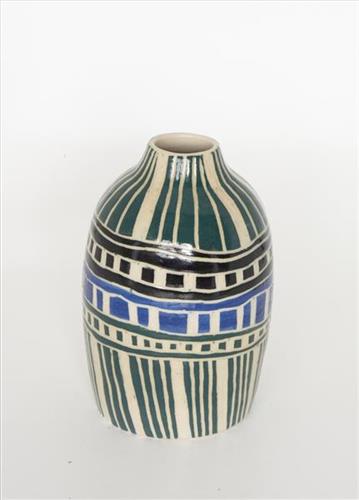
Walka means design or pattern. Artists use this title to describe artworks that are pattern based rather than descriptive or telling a story.
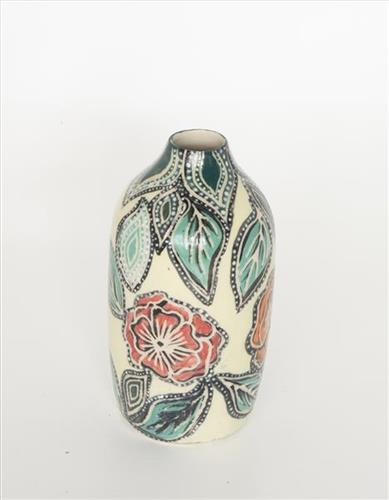
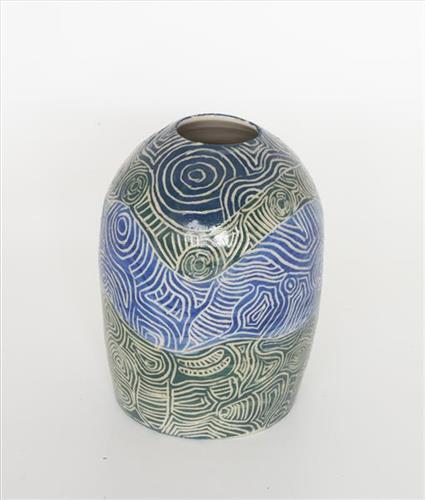
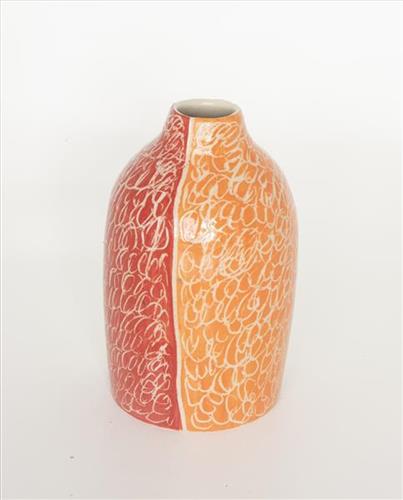
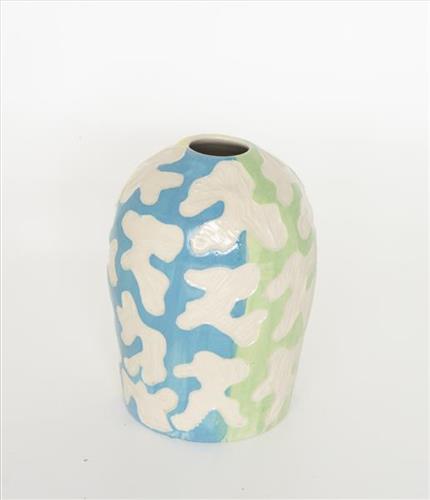
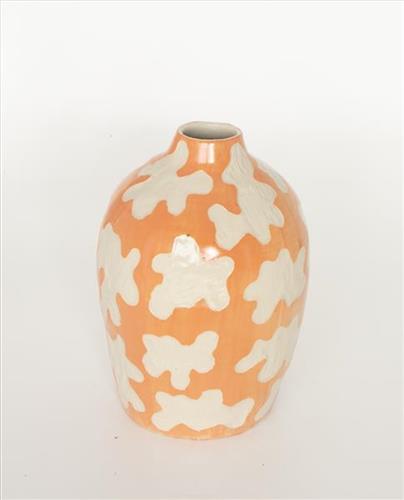
This design is based on the many native flowers that grow locally in Pukatja and through the Musgrave Ranges. When we go out to the bush, we see all the different colours from many plants growing. Flowers are important to the women and the health of the land, and much excitement is felt as they burst into life.
Walka means design or pattern. Artists use this title to describe artworks that are pattern based rather than descriptive or telling a story.
Walka means design or pattern. Artists use this title to describe artworks that are pattern based rather than descriptive or telling a story.
Walka means design or pattern. Artists use this title to describe artworks that are pattern based rather than descriptive or telling a story.
Walka means design or pattern. Artists use this title to describe artworks that are pattern based rather than descriptive or telling a story.
Walka means design or pattern. Artists use this title to describe artworks that are pattern based rather than descriptive or telling a story.
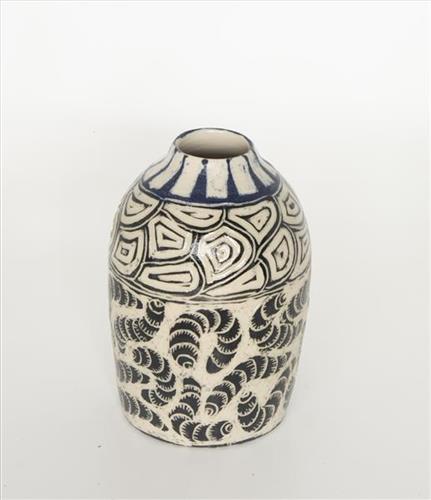
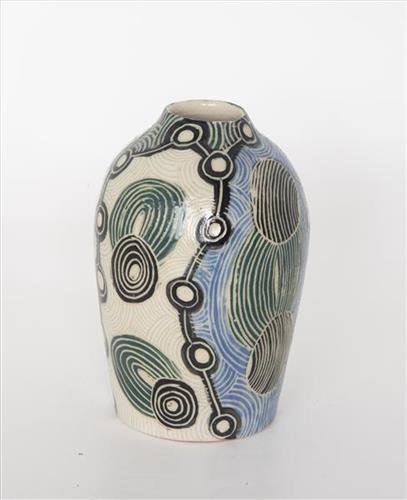
This is a tjukurpa (story) from near Mimili on the Aṉangu Pitjantjatjara Yankunytjatjara (APY) Lands from when Aṉangu (people) came here a long time ago. When the maku (witchetty grub) was finished, people sang the maku to make them come back. They sang and danced and scattered leaves to make the maku come out of the ground. This is Derek’s grandmother’s story. She used to dance to these songs when she lived in Mimili and she’s now buried there.
Derek’s cousin says: ‘So when they dance to that maku song, that song develops all the bush food – maku under the ground to grow more bigger and to have more maku in the roots. So when the ladies dig it they can see it really close in the roots as well. They can be like five of them but they have to be really, really big’.
Until relatively recently bush foods were the primary source of sustenance for Aṉangu and maku is still one of the favourites. Many bush foods are still gathered regularly almost exclusively by women, and they feature strongly in artistic mark making. Women learn the art of gathering each of the foods from a young age and much inma (ceremony) relates to these practices and the maintenance of supply.
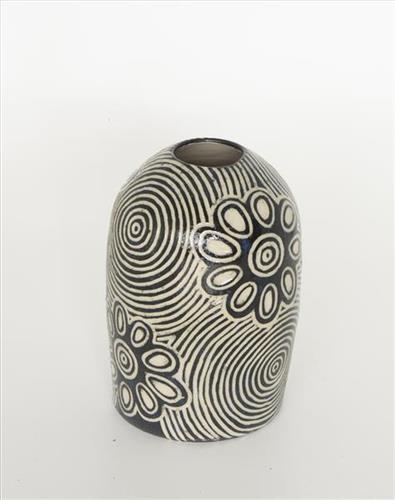
Walka means design or pattern. Artists use this title to describe artworks that are pattern based rather than descriptive or telling a story.
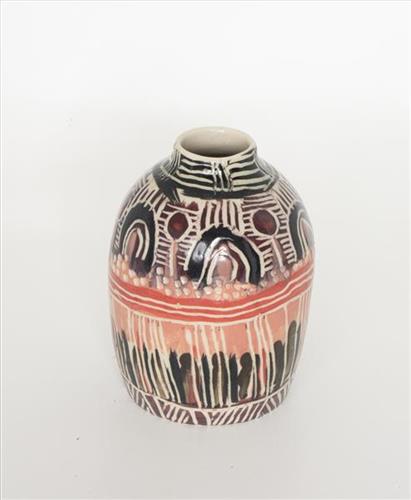
Kampurarpa are bush tomatoes. Elizabeth’s work comments on the environmental change that has occurred on her country due to the introduction of non-native fauna such as cattle, and flora, notably weeds like buffel grass. Buffel grass is so widespread and destructive that it is commonly known in and around Pukatja as tjanpi mamu or devil grass.
From the very start of Elizabeth’s artistic practice she has drawn her kampurarpa tjukurpa (bush tomato story) in clay. In the old times kampurarpa were one of the main foods for Anangu.
I’ve seen the land change. We used to have a lot of flowers. We used to go out to the bush to collect bush tucker, like kampurarpa (bush tomatoes). And now there’s a lot of buffel grass everywhere. The land is changed by the buffel grass. Now there’s no more flowers – no purple flowers, yellow flowers, white or pink flowers. I’ve seen it. When all the cattle and the sheep and the goats came, the kangaroos left and went a long way away. They saw the strange animals and they left. That’s a true story.
Today, sometimes we still go out and collect kampurarpa but not like we did before. Our country has been changed by cattle and weeds like buffel grass, so we can’t find all the old foods like we once did. I’ll keep telling the kampurarpa story in my work, that keeps the stories, songs and dances about these important foods alive and strong.