22514004700


Status: Stock


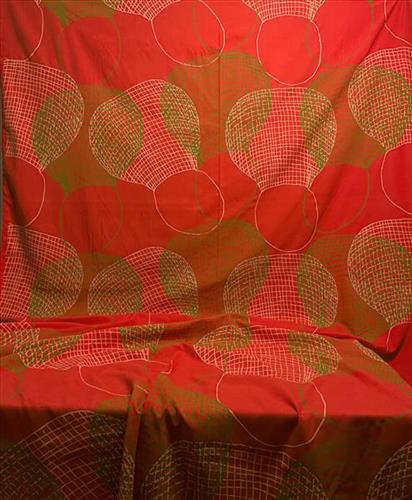
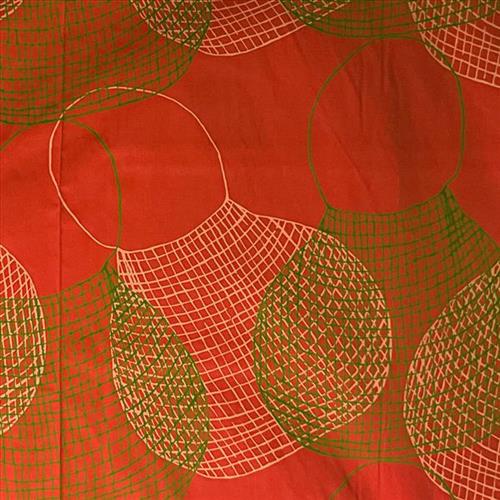
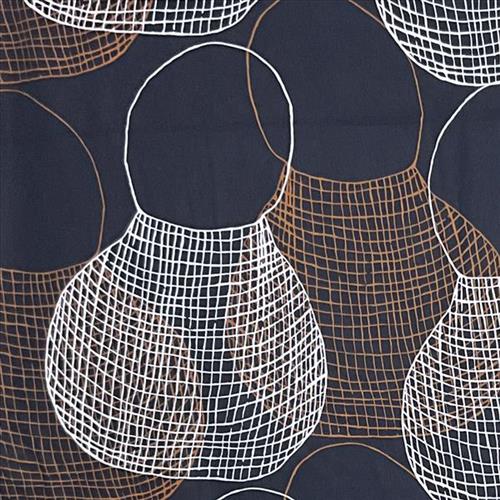
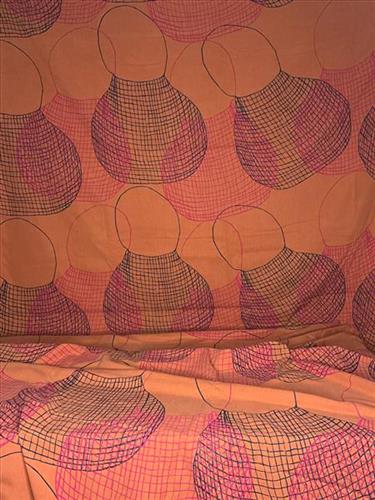
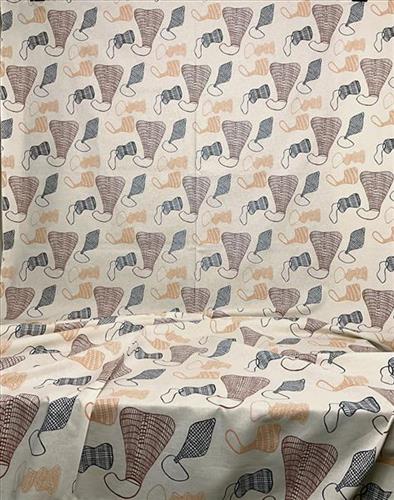
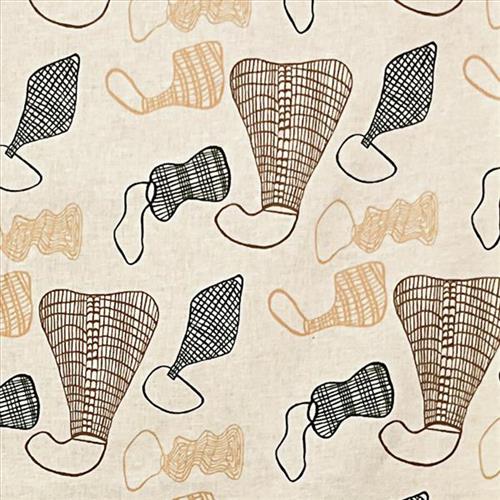
Margaret Rocky, Ngunyin (Dillybag)

Dillybags played a vital part in Kuku Yalanji culture. Women used them to carry food when out hunting and gathering or soak bitter yams in creeks before cooking them. Dillybags were also used to hold personal and sacred items.

Screen printed by hand in Sydney, by master printers on 100% tencel linen. Sold by the metre in 132 cm width.

Care Instructions: Gentle machine or hand wash only in cool water, using mild detergent.

Do Not Soak, Bleach, Rub, Wring, Tumble. Line Dry Only in Shade. 

Warm Iron on Reverse. Do Not Dry Clean.

22514004699


Status: Stock


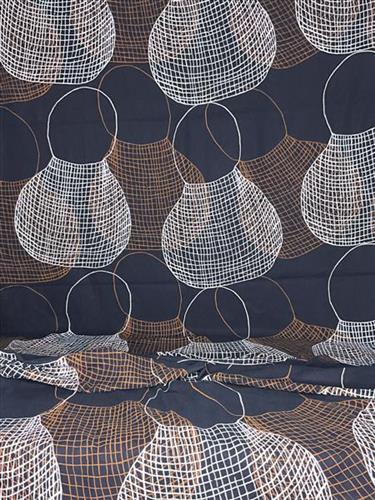
Margaret Rocky, Ngunyin (Dillybag)

Dillybags played a vital part in Kuku Yalanji culture. Women used them to carry food when out hunting and gathering or soak bitter yams in creeks before cooking them. Dillybags were also used to hold personal and sacred items.


Screen printed by hand in Sydney, by master printers on 100% tencel linen. Sold by the metre in 134 cm width.

Care Instructions: Gentle machine or hand wash only in cool water, using mild detergent.

Do Not Soak, Bleach, Rub, Wring, Tumble. Line Dry Only in Shade. 

Warm Iron on Reverse. Do Not Dry Clean.

22514004697


Status: Stock


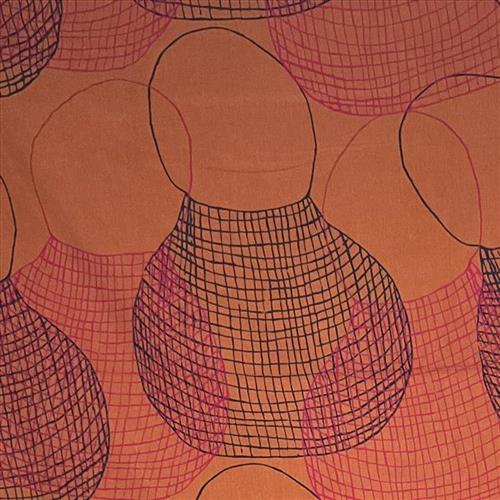
Margaret Rocky, Ngunyin (Dillybag)

Dillybags played a vital part in Kuku Yalanji culture. Women used them to carry food when out hunting and gathering or soak bitter yams in creeks before cooking them. Dillybags were also used to hold personal and sacred items.

Screen printed by hand in Sydney, by master printers on 100% tencel linen. Sold by the metre in 134 cm width.

Care Instructions: Gentle machine or hand wash only in cool water, using mild detergent.

Do Not Soak, Bleach, Rub, Wring, Tumble. Line Dry Only in Shade. 

Warm Iron on Reverse. Do Not Dry Clean.

22514004693


Status: Stock


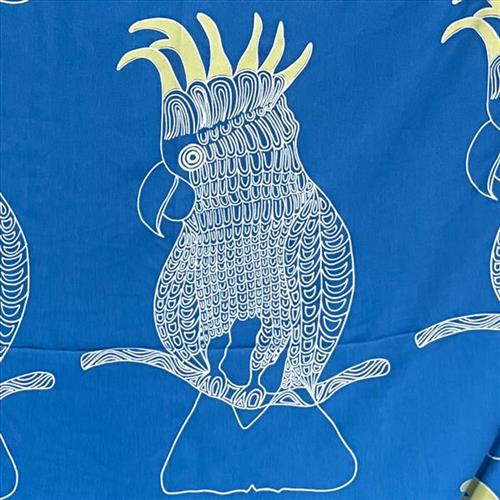
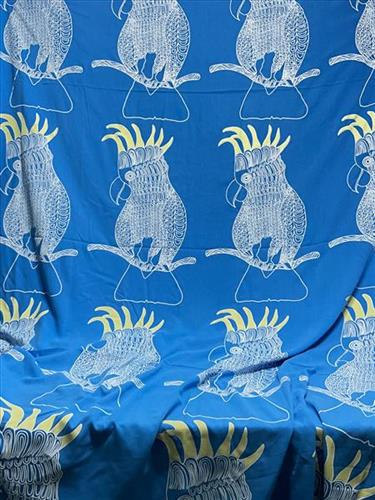
Lorna Shuan, Birmba (White Cockatoo)

Birrmba (White Cockatoo) is my family totem. It has been passed down from generation to generation.They always remind me of my grandfather, my sister and other family members who have passed on.White Cocokatooes are like protective spirits for me and my family. They will give you signs. Good signs and signs of danger. They will let you know when to move on.
When I’m out with my grandchildren and there is a white cockato, I might say, “that is  your gransmother, my sister who is watching us”. At other times, the spirits of other family members visit us in form of white cockatoss.Thw White Cockatoo  keeps our living and past family connected to each other and to our country. When I’m alone, I know they are around. I speak to their spirit and they give me strength.

Screen printed by hand in Sydney, by master printers on 100% tencel linen. Sold by the metre in 134 cm width.


Care Instructions: Gentle machine or hand wash only in cool water, using mild detergent.

Do Not Soak, Bleach, Rub, Wring, Tumble. Line Dry Only in Shade. 

Warm Iron on Reverse. Do Not Dry Clean.

10754003792


Status: Stock


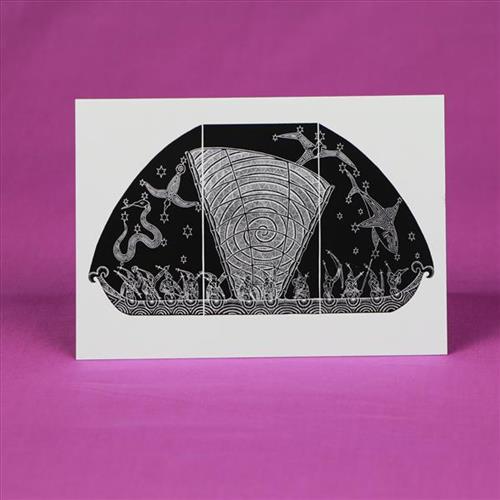
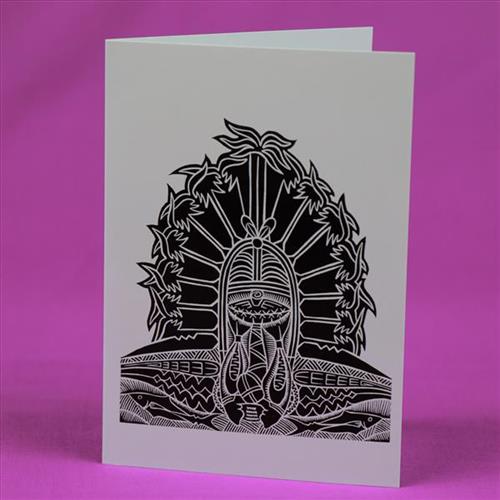
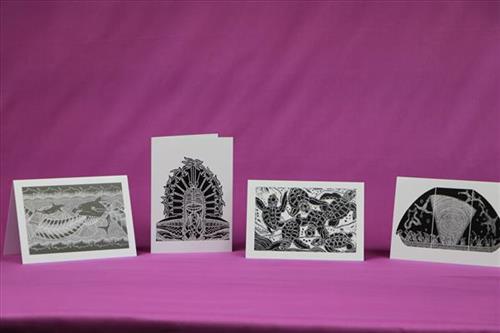
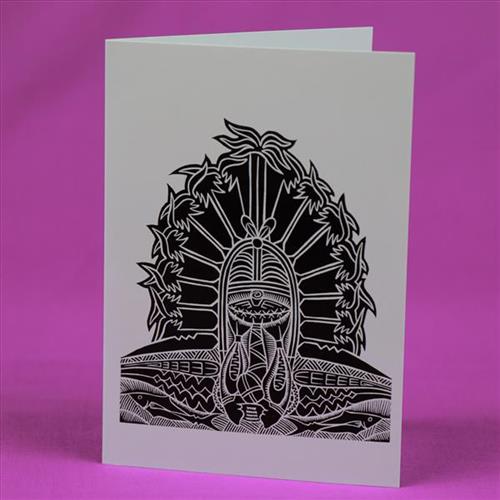
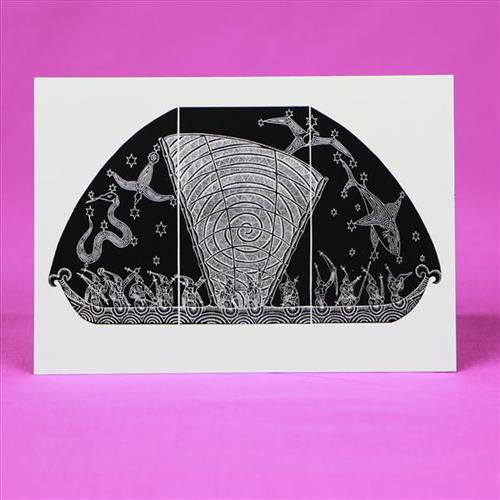
Greeting Cards (single)

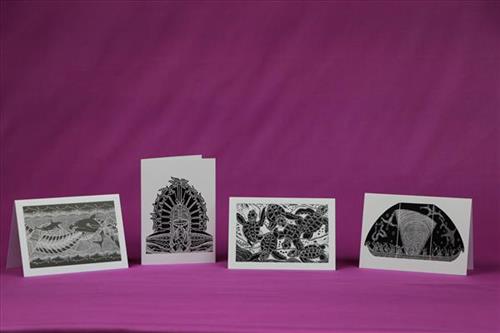
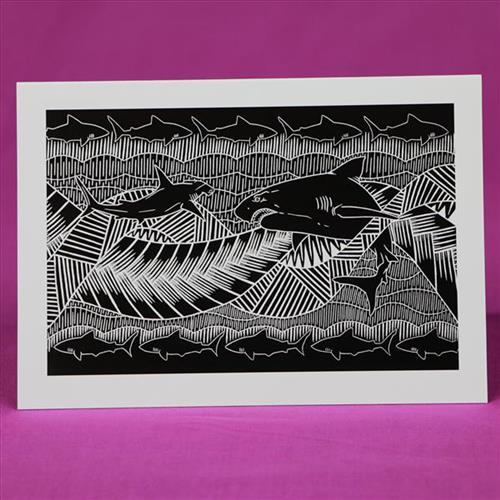
Enjoy our range of beautiful greeting cards. Blank inside, each greeting card features the work of Erub Artists past and present. We have three ranges to choose from:

  • Linocut Greeting Cards: featuring the bold works on paper telling stories of culture and country
  • Ghost Net Greeting Cards: featuring photographs of our famous ghost next sculptures of sea creatures on the beautiful beaches around Erub / Darnley ISland
  • Ceramics Greeting Cards: featuring photographs of our woodfired ceramic works and sculptures.

Read some of the artwork stories below:

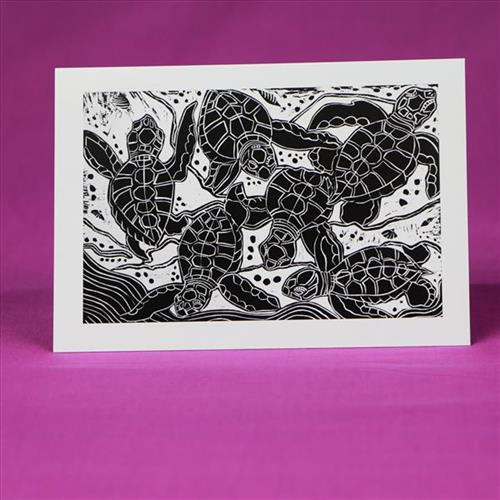
Kebi Nam

“My lino print represents baby Green Turtles, which we call Kebi Nam. We would go by dinghy to Merad sandcay, not far from my island home. We would spend the day fishing or diving. Sometimes we would dig for turtle eggs. One day we watched hundreds of baby turtles crawling down the beach to the water. All of us kids would sit and watch and wonder about the life ahead for them, knowing the dangers they were about to face. My parents let me take two for pets. I was so happy to have a pet. I was responsible for changing their water each day and getting food for them. I looked after them until they grew too big for their tanks. Then it was time for them to be released back to the sea.”

Keriba Galbol by Kapua Gutchen Snr

“Galbol is the ocean whale in my native Erubam language of Erub (Darnley Island) in eastern Torres Strait. This wonderful creature inhabits the deep blue sea near my home island. Since time immemorial this graceful giant of the deeps has been respected by my people. As “aukarem era kodau lubabat” meaning ‘principle totem of the deep sea’. ‘Galbol’ is also called “Au zogo zogo gurlukargiz “ meanining ‘very sacred entity of the sea’, and is respected as such. Galbol is never hunted by my Torres Strait Islander people for food or for any other use. On a fine clear day from the top of the hills of Erub or perhaps when you are boating in the main channel you may catch sight of these amazing mammals of the wide blue ocean.”


22514003666


Status: Stock


Margaret Rocky, Ngunyin (Dillybag)

Dillybags played a vital part in Kuku Yalanji culture. Women used them to carry food when out hunting and gathering or soak bitter yams in creeks before cooking them. Dillybags were also used to hold personal and sacred items.

Screen printed by hand in Sydney, by master printers on 100% cotton linen. Sold by the metre in 132 cm width.

Care Instructions: Gentle machine or hand wash only in cool water, using mild detergent.

Do Not Soak, Bleach, Rub, Wring, Tumble. Line Dry Only in Shade. 

Warm Iron on Reverse. Do Not Dry Clean.

22514003663


Status: Stock


Lorna Shuan, Kurriyala (Carpet Snake)

The carpet snake is an important animal for us. We call it Kurriyala in our Kuku Yalanji language. Our ancestors wrapped the meat in native ginger leaves and cooked it on the hot coals of the ground oven. They also used the skin to make head bands or skillfully sown blankets that keep the families warm and dry at night.

Screen printed by hand in Sydney, by master printers on 100% cotton linen. Sold by the metre in 134 cm width.


Care Instructions: Gentle machine or hand wash only in cool water, using mild detergent.

Do Not Soak, Bleach, Rub, Wring, Tumble. Line Dry Only in Shade. 

Warm Iron on Reverse. Do Not Dry Clean.

10753999939


Status: Stock


Greeting Card Pack

Enjoy our range of beautiful greeting cards. Blank inside, each greeting card features the work of Erub Artists past and present. We have three ranges to choose from:

  • Linocut Greeting Cards: featuring the bold works on paper telling stories of culture and country
  • Ghost Net Greeting Cards: featuring photographs of our famous ghost next sculptures of sea creatures on the beautiful beaches around Erub / Darnley ISland
  • Ceramics Greeting Cards: featuring photographs of our woodfired ceramic works and sculptures.

Read some of the artwork stories below:

Kebi Nam

“My lino print represents baby Green Turtles, which we call Kebi Nam. We would go by dinghy to Merad sandcay, not far from my island home. We would spend the day fishing or diving. Sometimes we would dig for turtle eggs. One day we watched hundreds of baby turtles crawling down the beach to the water. All of us kids would sit and watch and wonder about the life ahead for them, knowing the dangers they were about to face. My parents let me take two for pets. I was so happy to have a pet. I was responsible for changing their water each day and getting food for them. I looked after them until they grew too big for their tanks. Then it was time for them to be released back to the sea.”

Keriba Galbol by Kapua Gutchen Snr

“Galbol is the ocean whale in my native Erubam language of Erub (Darnley Island) in eastern Torres Strait. This wonderful creature inhabits the deep blue sea near my home island. Since time immemorial this graceful giant of the deeps has been respected by my people. As “aukarem era kodau lubabat” meaning ‘principle totem of the deep sea’. ‘Galbol’ is also called “Au zogo zogo gurlukargiz “ meanining ‘very sacred entity of the sea’, and is respected as such. Galbol is never hunted by my Torres Strait Islander people for food or for any other use. On a fine clear day from the top of the hills of Erub or perhaps when you are boating in the main channel you may catch sight of these amazing mammals of the wide blue ocean.”


10753999931


Status: Stock


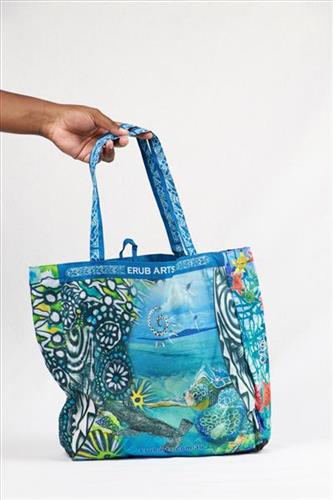
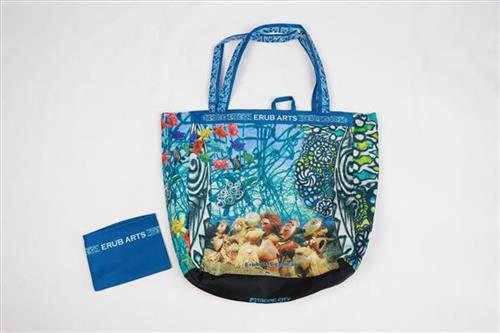
Shopping Bag

Fully lined waterproof shopping bag designed with artist works to commemorate the 10th anniversary of the corporation, folds into a handy pouch.

111582305271


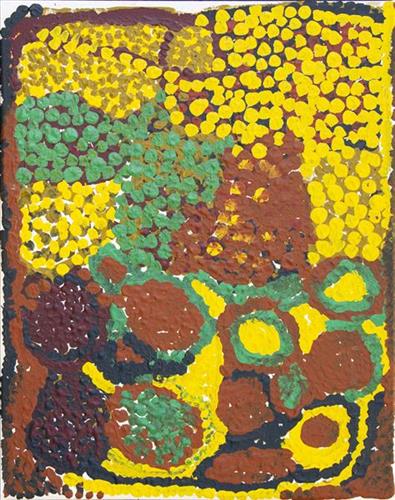
Untitled

“When Martu paint, it’s like a map. Martu draw story on the ground and on the canvas, and all the circle and line there are the hunting areas and different waters and tracks where people used to walk, and [some you] can’t cross, like boundaries. So nowadays you see a colourful painting and wonder what it is, but that’s how Martu tell story long ago. It’s not just a lovely painting, it’s a story and a songline and a history and everything that goes with it.” 

– Ngalangka Nola Taylor and Joshua Booth

This work portrays an area of Country that can be interpreted in multiple ways. Firstly, the image may be read as an aerial representation of a particular location known to the artist- either land that they or their family travelled, from the pujiman (traditional, desert dwelling) era to now. During the pujiman period, Martu would traverse very large distances annually in small family groups, moving seasonally from water source to water source, and hunting and gathering bush tucker as they went. At this time, one’s survival depended on their intimate knowledge of the location of resources; thus physical elements of Country, such as sources of kapi (water), tali (sandhills), different varieties of warta (trees, vegetation), ngarrini (camps), and jina (tracks) are typically recorded with the use of a use of a system of iconographic forms universally shared across the desert. 

An additional layer of meaning in the work relates to more intangible concepts; life cycles based around kalyu (rain, water) and waru (fire) are also often evident. A thousands of year old practice, fire burning continues to be carried out as both an aid for hunting and a means of land management today. As the Martu travelled and hunted they would burn tracts of land, ensuring plant and animal biodiversity and reducing the risk of unmanageable, spontaneous bush fires. The patchwork nature of regrowth is evident in many landscape works, with each of the five distinctive phases of fire burning visually described with respect to the cycle of burning and regrowth.  

Finally, metaphysical information relating to a location may also be recorded; Jukurrpa (Dreaming) narratives chronicle the creation of physical landmarks, and can be referenced through depictions of ceremonial sites, songlines, and markers left in the land. Very often, however, information relating to Jukurrpa is censored by omission, or alternatively painted over with dotted patterns.