377816182290288


Mili

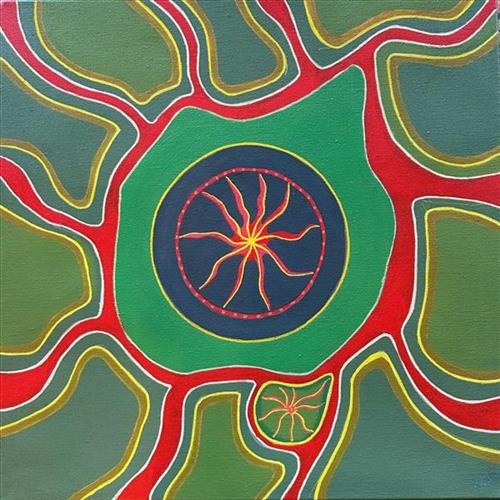
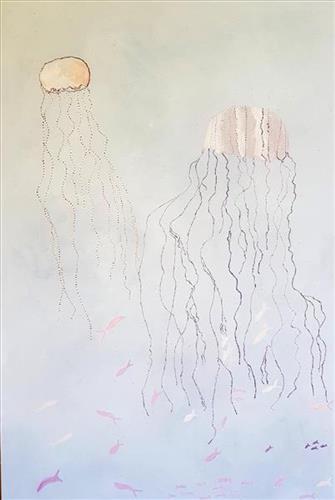
I am a Jalanji saltwater woman. Jalanji people have lots of stories about the reef. My painting’s story is about Mili (stinging jellyfish) stirring out on the reef.

We were taught at a young age to watch out because these mili sting and can be very dangerous. There are special plants that we can use on mili stings. Our elders passed on this knowledge to us.

111582290309


Basket

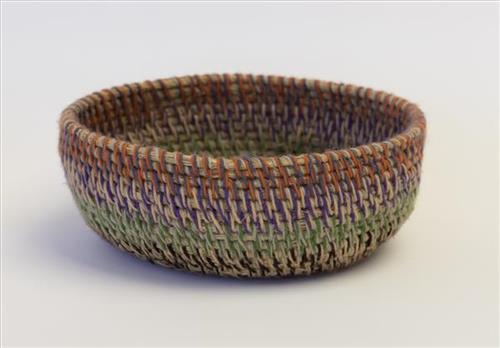
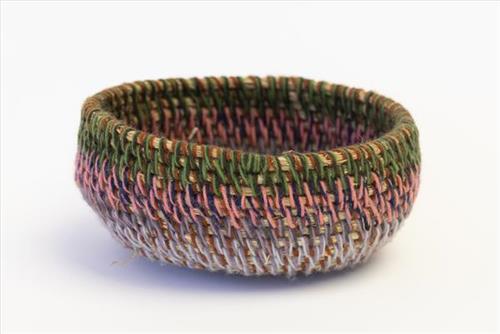
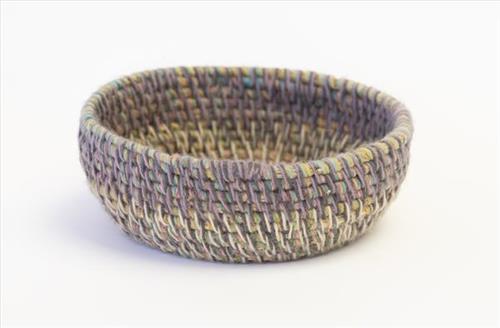
Weaving is a skill that has been practiced by Martu for thousands of years in the making of utilitarian and ceremonial items, such as yakapiri (bark sandals) and manguri (head pads for balancing carved carrying dishes). However, coiled basket weaving as an artform is a relatively newly adopted practice for the Martu, a skill passed on from Central Desert artists in the 1990’s. Leading Martu fibre arts practitioner Nola Taylor says that basket weaving was so popular amongst Martu women that it “spread across the desert like a waru (fire)”.

Each basket is built up through wrapping fine bundles of grass in brightly coloured wool and then stitching each round on to the previous one. The baskets are primarily made from puntayarra and minarri (Amphipogon Caricinus) grass, usually collected incidentally during trips to visit family, attend ceremonies, maintain Country, and hunt and gather bush tucker. Martu artists have developed a distinctive style of basketry and individual artists continue to develop new designs and incorporate novel materials, including steel, wire and wood, into their work. 
111582290300


Basket

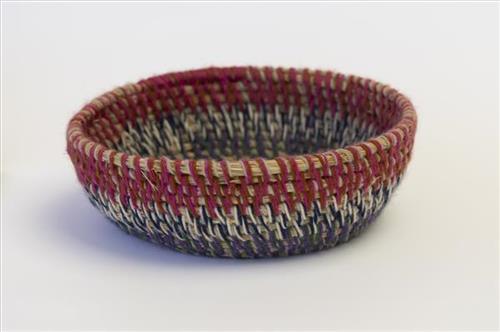
Weaving is a skill that has been practiced by Martu for thousands of years in the making of utilitarian and ceremonial items, such as yakapiri (bark sandals) and manguri (head pads for balancing carved carrying dishes). However, coiled basket weaving as an artform is a relatively newly adopted practice for the Martu, a skill passed on from Central Desert artists in the 1990’s. Leading Martu fibre arts practitioner Nola Taylor says that basket weaving was so popular amongst Martu women that it “spread across the desert like a waru (fire)”.

Each basket is built up through wrapping fine bundles of grass in brightly coloured wool and then stitching each round on to the previous one. The baskets are primarily made from puntayarra and minarri (Amphipogon Caricinus) grass, usually collected incidentally during trips to visit family, attend ceremonies, maintain Country, and hunt and gather bush tucker. Martu artists have developed a distinctive style of basketry and individual artists continue to develop new designs and incorporate novel materials, including steel, wire and wood, into their work. 
111582290292


Basket

Weaving is a skill that has been practiced by Martu for thousands of years in the making of utilitarian and ceremonial items, such as yakapiri (bark sandals) and manguri (head pads for balancing carved carrying dishes). However, coiled basket weaving as an artform is a relatively newly adopted practice for the Martu, a skill passed on from Central Desert artists in the 1990’s. Leading Martu fibre arts practitioner Nola Taylor says that basket weaving was so popular amongst Martu women that it “spread across the desert like a waru (fire)”.

Each basket is built up through wrapping fine bundles of grass in brightly coloured wool and then stitching each round on to the previous one. The baskets are primarily made from puntayarra and minarri (Amphipogon Caricinus) grass, usually collected incidentally during trips to visit family, attend ceremonies, maintain Country, and hunt and gather bush tucker. Martu artists have developed a distinctive style of basketry and individual artists continue to develop new designs and incorporate novel materials, including steel, wire and wood, into their work. 
111582290289


Basket

Weaving is a skill that has been practiced by Martu for thousands of years in the making of utilitarian and ceremonial items, such as yakapiri (bark sandals) and manguri (head pads for balancing carved carrying dishes). However, coiled basket weaving as an artform is a relatively newly adopted practice for the Martu, a skill passed on from Central Desert artists in the 1990’s. Leading Martu fibre arts practitioner Nola Taylor says that basket weaving was so popular amongst Martu women that it “spread across the desert like a waru (fire)”.

Each basket is built up through wrapping fine bundles of grass in brightly coloured wool and then stitching each round on to the previous one. The baskets are primarily made from puntayarra and minarri (Amphipogon Caricinus) grass, usually collected incidentally during trips to visit family, attend ceremonies, maintain Country, and hunt and gather bush tucker. Martu artists have developed a distinctive style of basketry and individual artists continue to develop new designs and incorporate novel materials, including steel, wire and wood, into their work. 
111582290281


Basket

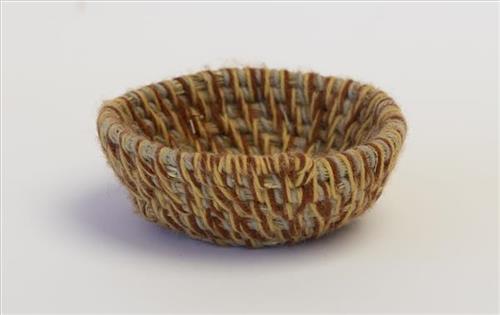
Weaving is a skill that has been practiced by Martu for thousands of years in the making of utilitarian and ceremonial items, such as yakapiri (bark sandals) and manguri (head pads for balancing carved carrying dishes). However, coiled basket weaving as an artform is a relatively newly adopted practice for the Martu, a skill passed on from Central Desert artists in the 1990’s. Leading Martu fibre arts practitioner Nola Taylor says that basket weaving was so popular amongst Martu women that it “spread across the desert like a waru (fire)”.

Each basket is built up through wrapping fine bundles of grass in brightly coloured wool and then stitching each round on to the previous one. The baskets are primarily made from puntayarra and minarri (Amphipogon Caricinus) grass, usually collected incidentally during trips to visit family, attend ceremonies, maintain Country, and hunt and gather bush tucker. Martu artists have developed a distinctive style of basketry and individual artists continue to develop new designs and incorporate novel materials, including steel, wire and wood, into their work. 
222082290221


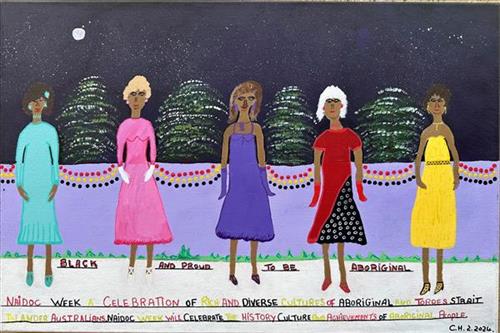
NAIDOC Week Celebration Ball

NAIDOC week gives aboriginal and Torres Strait islander people the chance to celebrate our rich and diverse culture, along with our achievements through history. This painting shows women among all ages, dressed beautifully to attend the NAIDOC ball, a celebration giving Aboriginal people the chance to celebrate and keep the fire burning Blak, Loud and Proud.

222082290203


Keep the fire burning

Tribes of Australia, keep our culture strong, sharing, caring. Take to the bush, keep in touch with it.

359709482211732


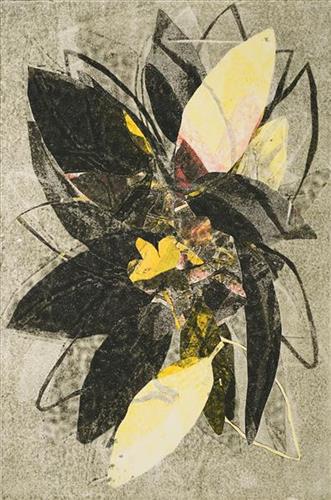
frangapani v2/4

Frangipani is my dads favourite blossom tree the aroma of the pumenia gives off a strong scent. He likes to collect different colours of the flowers from across the Torres Strait region.

Art Centre notes: Image size: 60cm x 40cm, Paper size: 76cm x 56cm

The artwork is a ‘pochoir’ print, or monoprint, printed on BFK Rives paper

(100% cotton rag with strong archival properties). 

(The print covers the paper from edge to edge.)

359709482263019


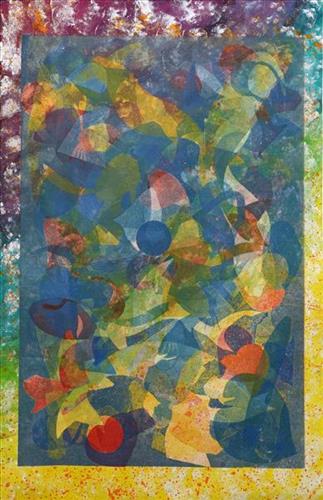
Theradhayaw Sabi (Traditional Adoption Lore) V7

Ceremonies and rituals play a central role in Torres Strait kinship. They mark important life events, such as birth, initiation, and death, and strengthen community bonds. The Torres Strait kinship system assigns roles and responsibilities within the community. This includes obligations related to marriage, child-rearing, and land management. Traditional adoption in the Torres Strait involves a cultural practice where individuals or families within the community formally take on the responsibility of caring for and raising a child who is not their biological offspring. This practice is deeply rooted in Torres Strait Islander culture and has been a way of strengthening family and community bonds. Traditional adoption is guided by cultural protocols and often involves ceremonies to mark the occasion. It’s important to note that this practice is specific to the Torres Strait region and differs from Western adoption systems.

Art Centre notes: Stretched canvas: 120 x 80cm. The artwork is a monotype print, printed on Belgian linen. 

Artist: David Bosun

Printer: Dian Darmansjah

Printed at Northsite Print Studio, Cairns Oct 2023