

377810582257080
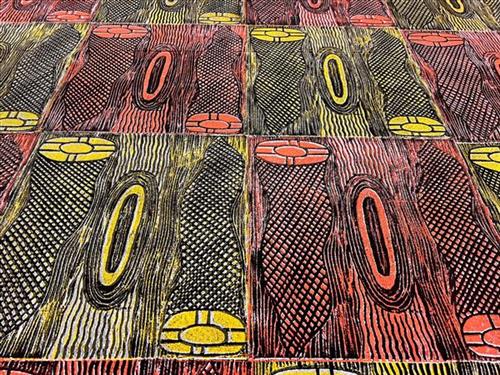
Mandjabu
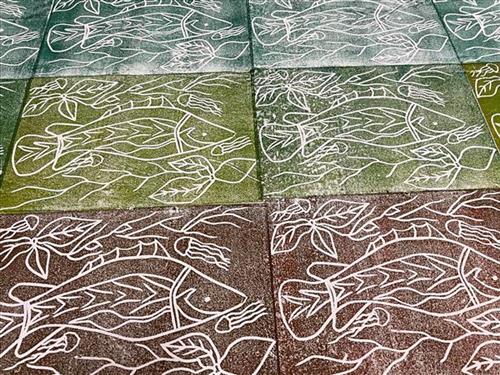
Kuninjku people traditionally make two sorts of conical fish traps. One is called mandjabu and is made from a strong, durable vine called milil, and a smaller one is called manylik mandjabu, and made from the grass manylik. The mandjabuconical fish trap is bigger and stronger and used in tidal reaches of creeks to catch large fish. The smaller, lighter manyliktrap is used in freshwater flowing creeks to catch smaller fish and freshwater prawns. In earlier times, only men were involved in the construction of the large fish traps, but children would often crawl inside and assist.
To make mandjabu, weavers firstly harvest milil (burney vine, Malaisia scandens) and put it in water overnight to make it soft. Then they start weaving it; they make rings for the inside to keep the fish trap’s shape. People also make string from the bark of burdaga (kurrajong) to attach the bardainy (hibiscus) rings and to tie the conical end of the fish trap. It’s hard work and it can take three or four weeks to make a fish trap. People also use fish-net fences called kunkarlewabe. They would put the kunkarlewabe across rivers and creeks. In the middle they would place the mandjabu. They also used small things like sticks, rocks, mud and grass to block the fish from going through. This way we would catch fish such as saltwater barramundi rajarra, ngaldadmurrng (freshwater barramundi), small black freshwater catfish (buliya), bonefish (an-guwirrpiya), and sand bass (dalakan) in the mandjabu.

377810582257079
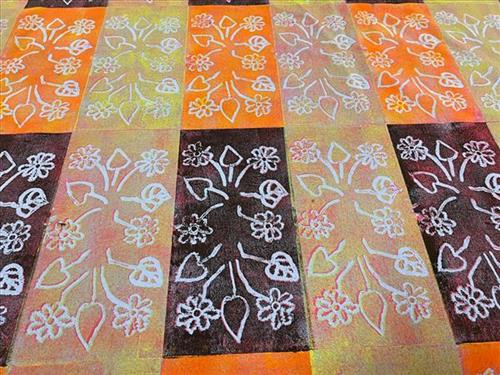
Kakárra (bush flowers)

377810582257077
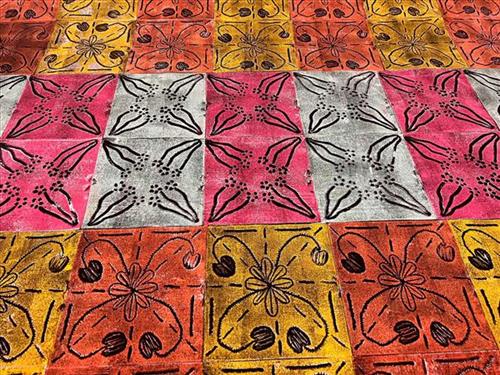
Kakárra (bush flowers)
22144003878


Status: Stock
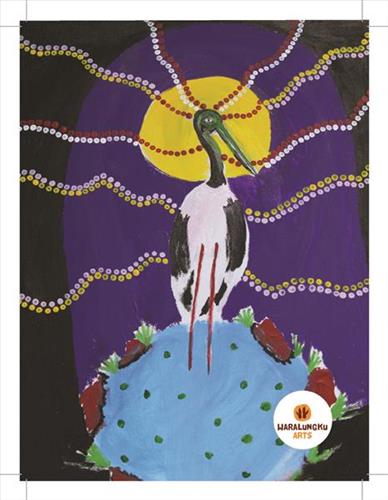
Waralungku Arts – Jabiru Greeting Card
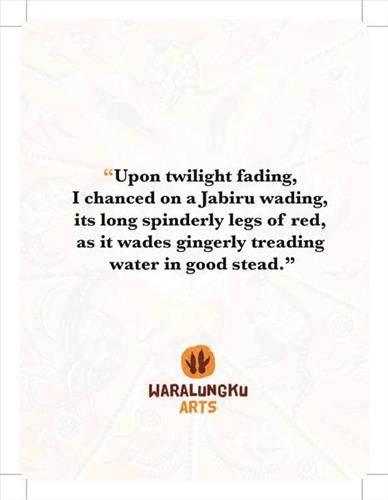
“Upon twilight fading,
I chanced on a Jabiru wading,
its long spinderly legs of red,
as it wades gingerly treading
water in good stead.”
22144003877


Status: Stock
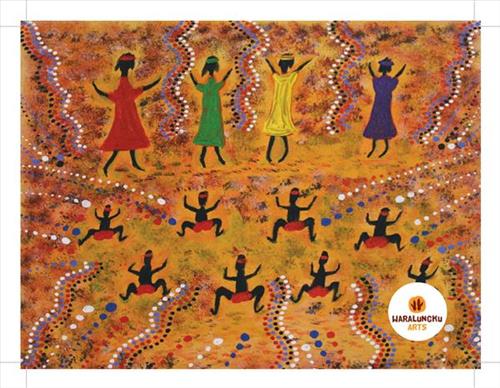
Greeting Card – Waralungku Arts by Margaret Allwood
“Gudunji, Yunyuwa, Garawa
and Mara are our tribal clans.
We’re the leaders in Borroloola,
caring for our sea and lands.
Our landscape is beautiful and bold,
our songs of the dreaming
is what captures the soul!”
22144003875



Status: Stock
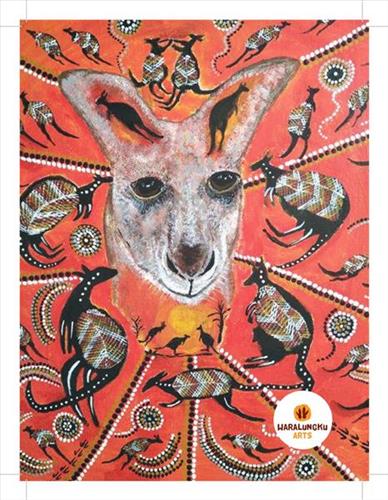
Greeting cards Waralungku Arts – Margaret Allwood
“The Kangaroo’s boundless joy makes me often wonder why?
That God’s creation could gather speed, then flees, just by moving swiftly by
on bended knees!!”
22174001356
Status: Stock
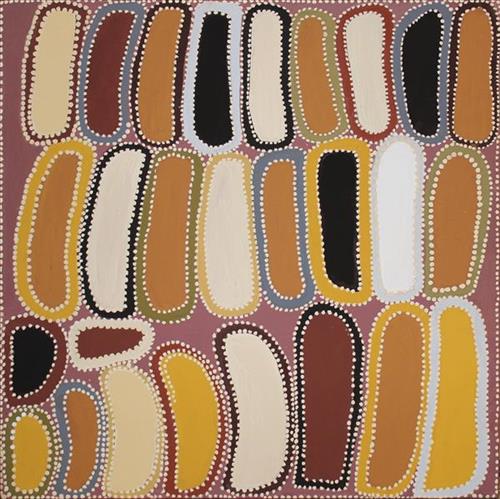
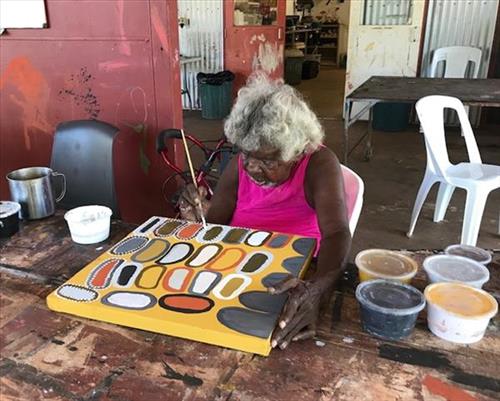
Minnie Lumai Silk Paj
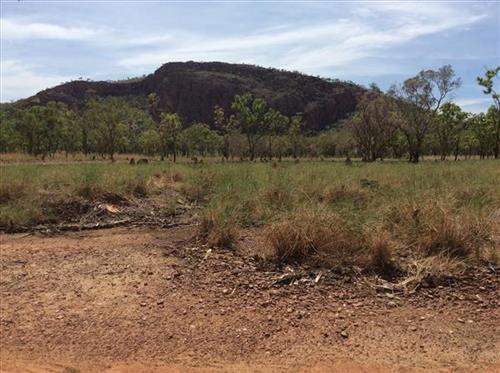
This painting relates a key Ngarranggarni (dreaming) story for the Miriwoong and Gadjerriwoong peoples for the ownership of country around Kununurra and to the east in a place called Yab-yabbe-geni-nim
The plains kangaroo (Jarlangarnang) was a Miriwoong man and the hill kangaroo (Nyangood) was a Gadjerriwoong man. They had an argument about sugar bag (wild honey) which the plains kangaroo had hidden in the ridge. The two kangaroos began to fight and the beeswax was scattered across the hill [represented by the circle motifs in the painting]. “You can see it now…. all the rocks. Jarlangarnang told Nyangood “This is not your place. This is Miriwoong country.” So Nyangood followed the ridges back to his country.”
359709482256933
bright sky blooming flowers
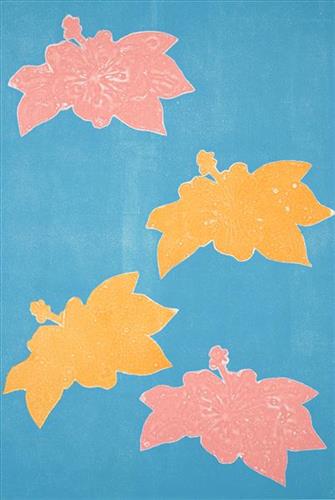
Kukuwam (Hibiscus) are mostly found in the tropical regions of the world. In the Torres straits at least every family member has one planted in their yard. Grandmothers, aunties, and sisters use kukuwam as decoration for hair styles typically wearing on the left side of your hair identifies that you’re married and worn on the right side of your hair indetifies you as single. Art Centre notes: The artwork is a ‘pochoir’ print, or monoprint, printed on BFK Rives paper (100% cotton rag with strong archival properties).
359709482256932
wonderful day
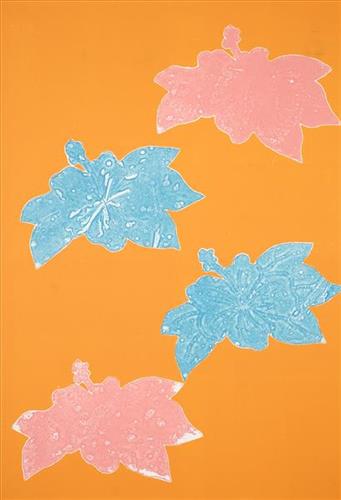
Kukuwam (Hibiscus) are mostly found in the tropical regions of the world. In the Torres straits at least every family member has one planted in their yard. Grandmothers, aunties, and sisters use kukuwam as decoration for hair styles typically wearing on the left side of your hair identifies that you’re married and worn on the right side of your hair indetifies you as single. Art Centre notes: The artwork is a ‘pochoir’ print, or monoprint, printed on BFK Rives paper (100% cotton rag with strong archival properties).