359709482256931


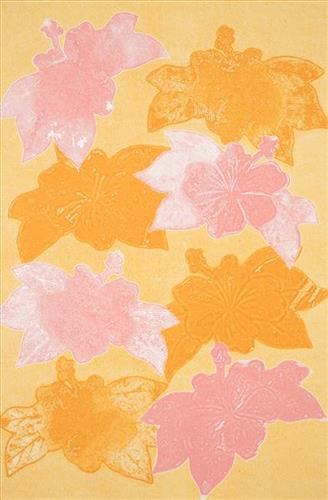
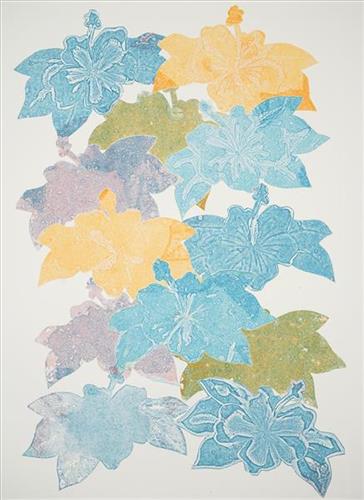
one beutiful morning

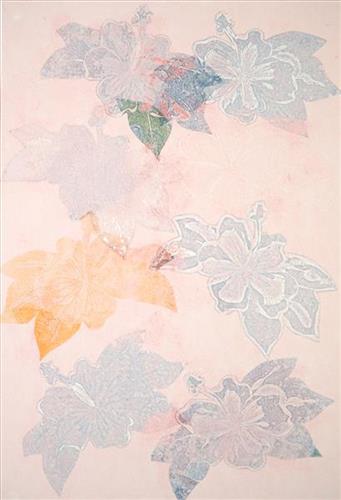
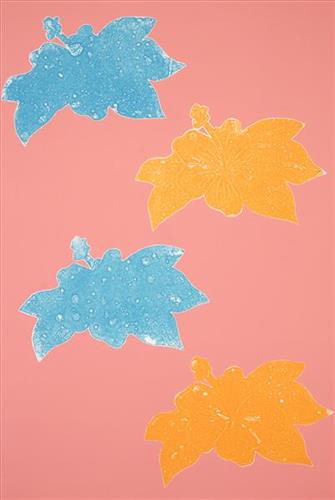
Kukuwam (Hibiscus) are mostly found in the tropical regions of the world. In the Torres straits at least every family member has one planted in their yard. Grandmothers, aunties, and sisters use kukuwam as decoration for hair styles typically wearing on the left side of your hair identifies that you’re married and worn on the right side of your hair indetifies you as single. Art Centre notes: The artwork is a ‘pochoir’ print, or monoprint, printed on BFK Rives paper (100% cotton rag with strong archival properties).

359709482256930


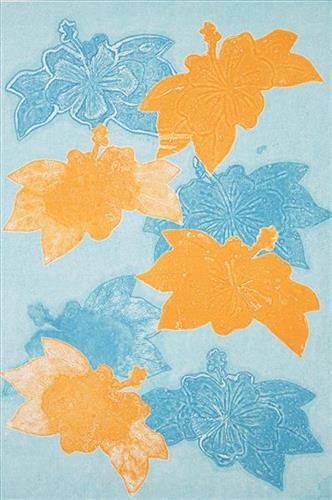
kapu goeyga

Kukuwam (Hibiscus) are mostly found in the tropical regions of the world. In the Torres straits at least every family member has one planted in their yard. Grandmothers, aunties, and sisters use kukuwam as decoration for hair styles typically wearing on the left side of your hair identifies that you’re married and worn on the right side of your hair indetifies you as single. Art Centre notes: The artwork is a ‘pochoir’ print, or monoprint, printed on BFK Rives paper (100% cotton rag with strong archival properties).

359709482256929


kuthingka nika

Kukuwam (Hibiscus) are mostly found in the tropical regions of the world. In the Torres straits at least every family member has one planted in their yard. Grandmothers, aunties, and sisters use kukuwam as decoration for hair styles typically wearing on the left side of your hair identifies that you’re married and worn on the right side of your hair indetifies you as single. Art Centre notes: The artwork is a ‘pochoir’ print, or monoprint, printed on BFK Rives paper (100% cotton rag with strong archival properties).

359709482256928


kapu migi bathaynga nitha mura

Kukuwam (Hibiscus) are mostly found in the tropical regions of the world. In the Torres straits at least every family member has one planted in their yard. Grandmothers, aunties, and sisters use kukuwam as decoration for hair styles typically wearing on the left side of your hair identifies that you’re married and worn on the right side of your hair indetifies you as single. Art Centre notes: The artwork is a ‘pochoir’ print, or monoprint, printed on BFK Rives paper (100% cotton rag with strong archival properties).

359709482256925


shine bright together in unity

Kukuwam (Hibiscus) are mostly found in the tropical regions of the world. In the Torres straits at least every family member has one planted in their yard. Grandmothers, aunties, and sisters use kukuwam as decoration for hair styles typically wearing on the left side of your hair identifies that you’re married and worn on the right side of your hair indetifies you as single. Art Centre notes: The artwork is a ‘pochoir’ print, or monoprint, printed on BFK Rives paper (100% cotton rag with strong archival properties).

359709482256924


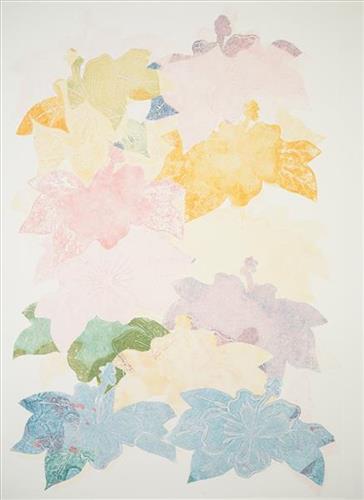
It’s a cloudy day

Kukuwam (Hibiscus) are mostly found in the tropical regions of the world. In the Torres straits at least every family member has one planted in their yard. Grandmothers, aunties, and sisters use kukuwam as decoration for hair styles typically wearing on the left side of your hair identifies that you’re married and worn on the right side of your hair indetifies you as single. Art Centre notes: The artwork is a ‘pochoir’ print, or monoprint, printed on BFK Rives paper (100% cotton rag with strong archival properties).

115682256728


Ganalbingu – Banda (Long Necked Turtle)

The long necked turtle is a dreaming totem for the freshwater people, the Ganalbingu, whose country includes the World Heritage listed, Arafura Wetlands in Central Arnhem Land, Northern Territory

The Yolngu (people) of Arnhem Land originate from a spiritual source, fixed in a particular place in their land or the sea. These ‘Spiritual Reservoirs’ are often in the form of special waterholes made by Wangga (Creator Beings), long ago close to the beginning of time. These creator beings moved across the country side, shaping the land and implanting in each tract of country, the spiritual life force for the people who were to own it.

These creator spirits took many forms. When they gave the land to each group they also gave songs, dances, ceremony, the associated laws and language. The Creation story for Ganalbingu people took place near the middle section of the Glyde River where it becomes the Goyder River. Their land, Ngaliyindi, sits astride the Arafura Swamp in Central Arnhem Land. Some of their major Creative Beings include Banda (freshwater long neck turtle) and Yalman (water lilies).
115682256727


Woven Mat

Traditionally, Nganiyal (conical mats) were used as an insect screen when erected, and as a sitting mat when folded. They are used in Ceremony as well as a functional item. 

Nowadays, artists weave many different shapes including flat, round and oblong. 

116482256762


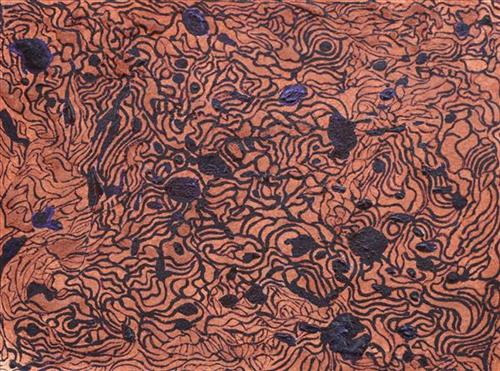
Marni

The Pilbara is a land of many beautiful colours. Its beauty blends into the mother earth and against the red, purple hills in the distance. In time and season, the yellow Wattles, Mulla and Sturt Pea bloom and the country comes alive with the wildflowers watered by the rain and heavy dew during the night. The land and our country also tells a wonderful story about our ancestor’s. They walk and lived on the land always gathering food such as fish from the river, hunting kangaroo & tracking goanna’s and also gathering bush fruits and medicine.