377810582169099


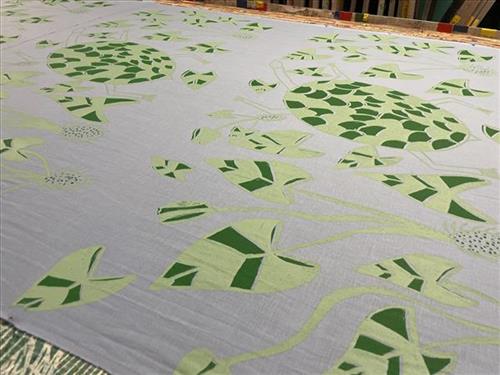
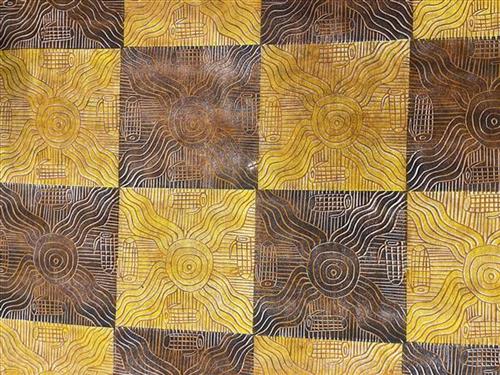
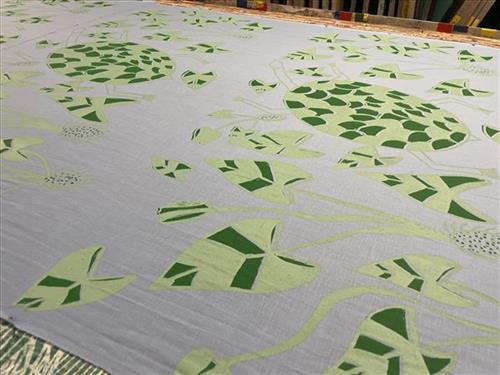
Barnda & Jirrcha (Long -neck turtle and Waterlily)

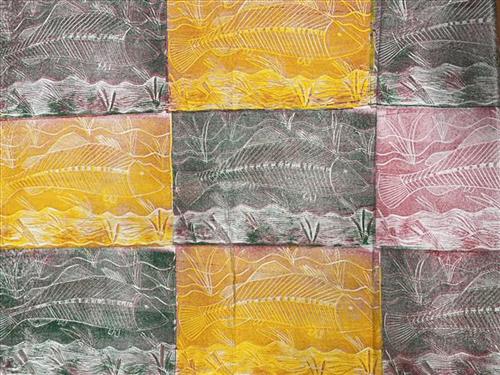
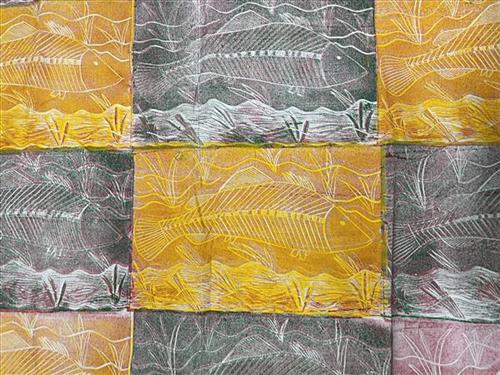
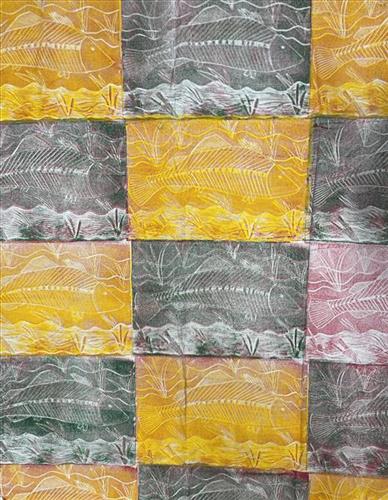
T. Nicky (Dec) depicts the story of Barnda & Jirrcha (Long-Neck Turtle and Waterlily) in this 2 screen design from 2007.

On T. Nickys country, there are two types of Barnda, long-neck and short-neck turtles. Jirrcha is cooked on ashes, which creates the bulb of the flower open up, the inside of the bulb is soft and has a sour taste. Barnda and Jirrcha are often caught and eaten together. This is a depiction of her late fathers painting who famously painted long-neck turtles. 

377810582168652


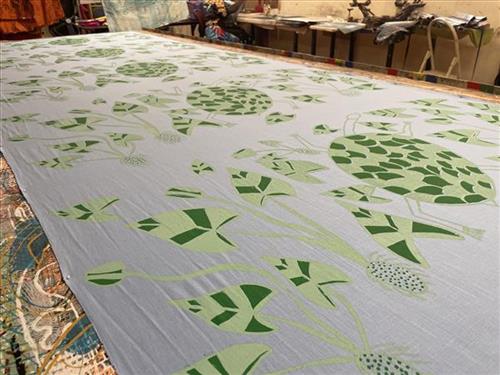
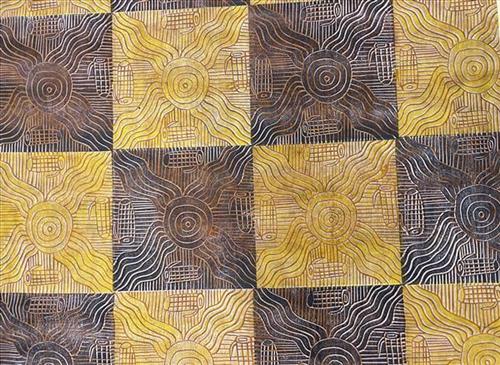
Barnda & Jirrcha (Long -neck turtle and Waterlily)

T. Nicky (Dec) depicts the story of Barnda & Jirrcha (Long-Neck Turtle and Waterlily) in this 2 screen design from 2007.

On T. Nickys country, there are two types of Barnda, long-neck and short-neck turtles. Jirrcha is cooked on ashes, which creates the bulb of the flower open up, the inside of the bulb is soft and has a sour taste. Barnda and Jirrcha are often caught and eaten together. This is a depiction of her late fathers painting who famously painted long-neck turtles. 
377810582168640


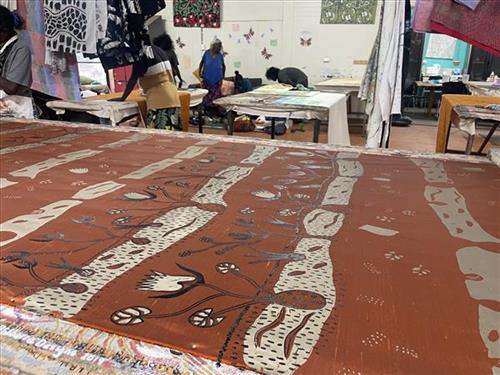
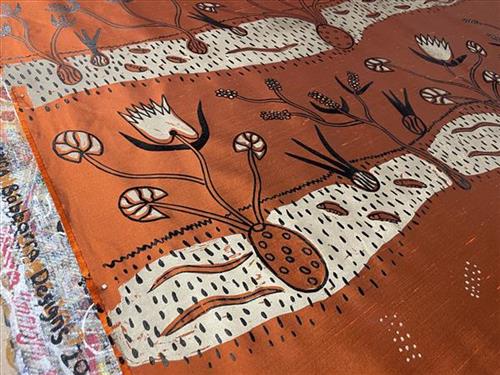
Kukurlk Kare (Going Underground)

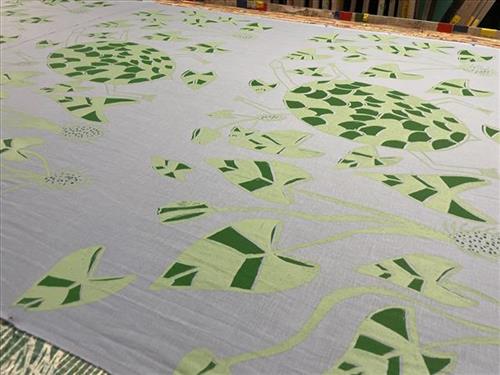
Karrinung kukurlk kare, karrijare manme (we are going underground looking for food).

“This is my country. In this painting, I’m looking at her little bit different way. This is what we see when we’re kukurlk kare (going underground)

Man-kurndalh (Black plum) I call mother. It is my mother’s Djang/Dreaming. The bush onion (kulumuduk) is white, the same as onions you buy at the store. We don’t eat this one though, it’s poison.

Wayuk is the water lily, with the big root growing in the earth. This is when that water is drying up a bit. There are worms and beetles- this is what we see underground, when we are digging for manme.”

-Jennifer Wurrkidj

Hand Screen Printed by Publisher, Sydney Australia


377810582168607


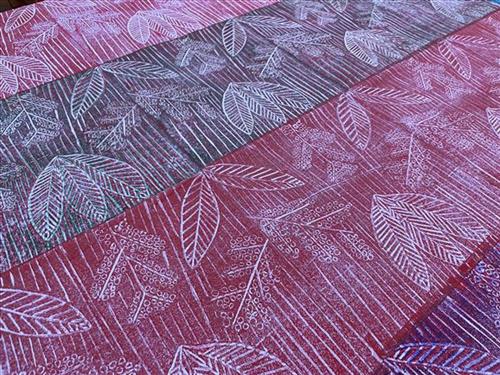
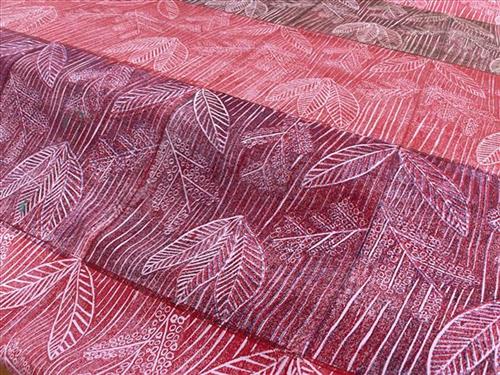
Leaves

Beautifully printed cloth with radiant red, orange, blue and yellow. 

When asked if this design has a story, Belinda simply says – ‘it’s just leaves.’

377810582168599


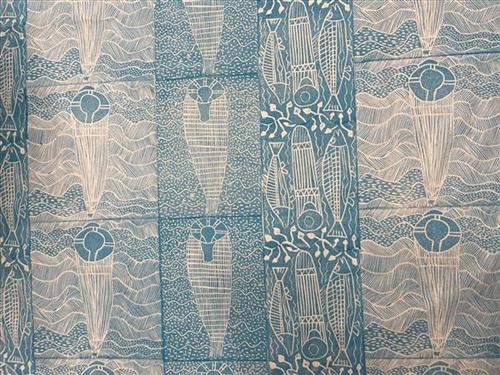
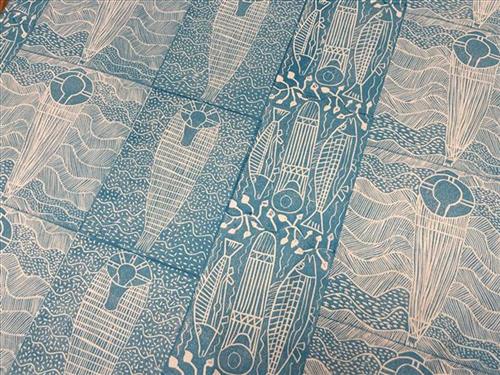
Au-gujechiya (fishtrap)

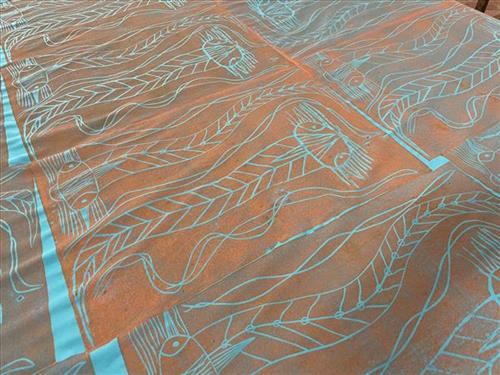
A detailed linocut design portraying a large Au-gujechiya (fishtrap) with rajarra (barramundi) and other fish.

Elizabeth is from the Burrarra language group and her homeland is Gupanga, Arnhem Land.  This print shows her fine lino cut technique and meticulous printing style. A beautiful bright aqua ink on white fabric. 

377810582168590


Marebu

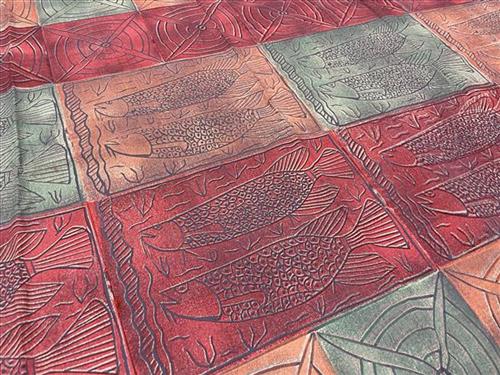
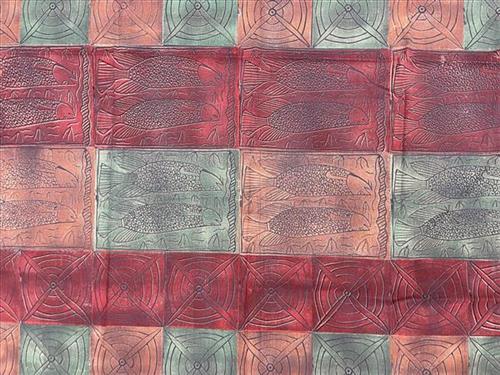
Marebu (pandanus mat)

Artists usually use kundayarr, pandanus spiralis, to weave decorative round or oblong mats, as well as the less common triangular and conical shapes. Weaving is physically hard work, now done only by women. They colour the pandanus using natural dyes made from the roots, leaves or flowers of plants within the weaver’s clan estate.

The radial woven patterns of the finest round mats appear to vibrate with colour, sometimes regarded as an aesthetic manifestation of deep cultural meaning, as there is a significant spiritual dimension to pandanus mats.

Soft cotton with layers of colour showing Raylene’s experienced printing technique. 

377810582168585


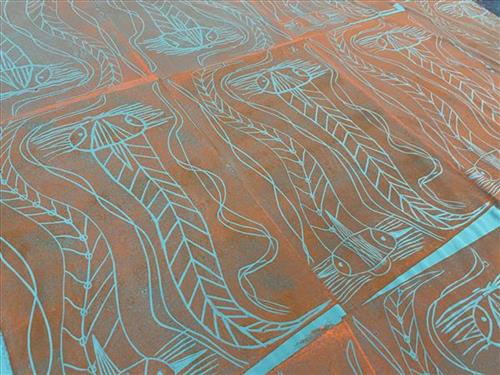
Catfish

A bright blue piece of CDC silk with Joy’s new Catfish design lightly hand printed in dusky orange ink. 

377810582168567


Ngaldadmurrng (Saratoga)

This design tells the story of Saratoga dreaming,  a freshwater fish that swims on the edge of creeks and rivers. This design is the Saratoga dreaming from the Mularra songline. Where the Saratoga we call Murdulngu, Danguny travelled from Malmyangarnak billabong to Mirrigatja.

This Billabong was owned by Murdulngu (Saratoga) before the water was taken over by shark Barlangu he came all the way from east to north then to west. He was travelling when that water level was high he went up the stream but he couldn’t make it. This Barlangu came from Murruggun clan but really this shark came from long way all the way south. This story is connected through Mularra songline it represents many clans.

With permission from clan elders, Carol is able to pass on this family knowledge through her passion in textile and art.


‘I am proud of my first design, I want to keep this design for future, for my children and grandchildren so they remember this story, this story is a big part of the mularra songline’ Carol Liyawanga Campion

377810582168553


Rrugurrgurda (Mud Crab)

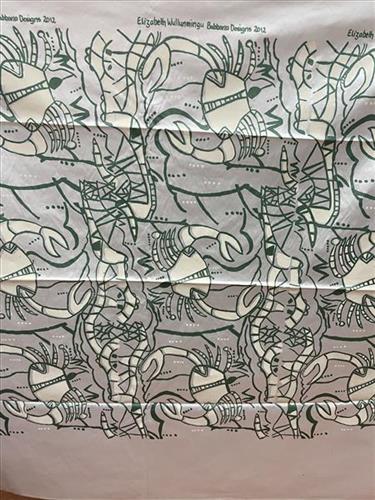
This design tells the story of Elizabeth’s homeland – a dreaming place, a good dreaming place with plentiful mud crabs. Elizabeth’s homeland lies east of Maningrida, at the mouth of Blyth river. This country is known for a large spiritual mud crab, which lives in the area.

Many families go and collect crabs to eat there with long sticks, or collect directly from the shores. Mud crabs hide in the muddy bottoms of estuaries and mangrove forests in areas surrounding Maningrida. After a king tide, a large cyclical tide that bring the crabs out from the mangroves, it is a good time to find crabs.

Rrugurrgurda (mud crabs) is pronounced Ahh-rewg-gurd-gurda in the Burarra language. Rrugurrgurda are good baladji (bush food in Burarra) and can be caught all year round. They are put on the fire to cook and they are ready when they turn a bright orange colour.