22514006663


Status: Stock


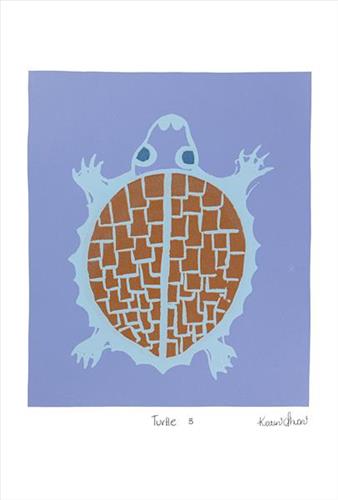
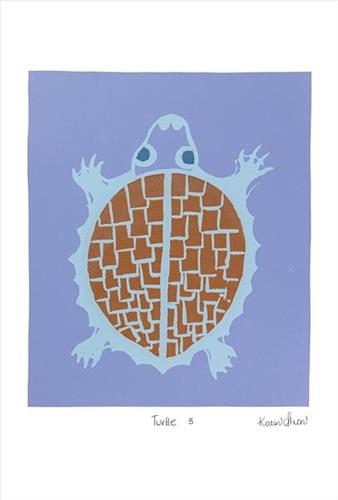
A3 Repro Print – Ngujay (Freshwater Turtle) 2024

Ngujay (Freshwater Turtle) was a source of meat as well as a surface for painting. Traps for catching them were made from lawyer vine and spider’s web was used to make fishing line. To clean the shell for decorating, we would leave it near a green ant nest and then go through a process of soaking and drying it prior to painting. Culturally it is forbidden for pregnant women to eat either freshwater or saltwater turtle.

22514006662


Status: Stock


A4 Repro Print – Ngujay (Freshwater Turtle) 2024

Ngujay (Freshwater Turtle) was a source of meat as well as a surface for painting. Traps for catching them were made from lawyer vine and spider’s web was used to make fishing line. To clean the shell for decorating, we would leave it near a green ant nest and then go through a process of soaking and drying it prior to painting. Culturally it is forbidden for pregnant women to eat either freshwater or saltwater turtle.

22514006661


Status: Stock


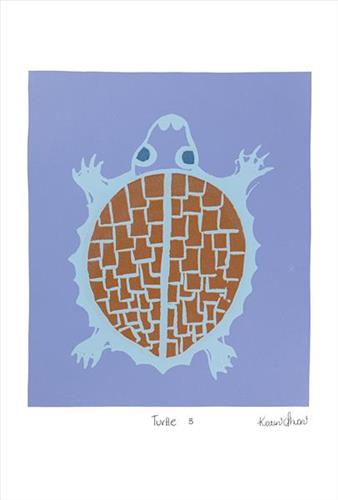
A3 Repro Print – Ngujay (Freshwater Turtle) 2024

Ngujay (Freshwater Turtle) was a source of meat as well as a surface for painting. Traps for catching them were made from lawyer vine and spider’s web was used to make fishing line. To clean the shell for decorating, we would leave it near a green ant nest and then go through a process of soaking and drying it prior to painting. Culturally it is forbidden for pregnant women to eat either freshwater or saltwater turtle.
22514006482


Status: Stock


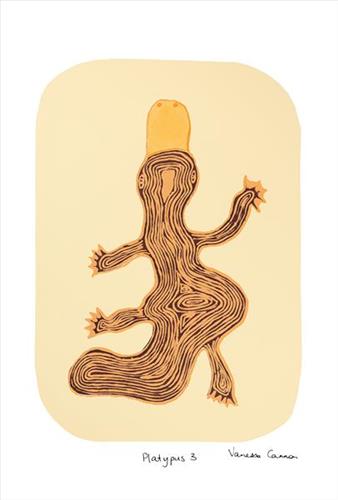
A5 Wambiji (Platypus) 2024

Platypus are very shy. They like to hide under rocks and can rarely be seen when people are around.  When I was 17 years old, I used to go for a swim with my partner, Laurence, in the Mossman River, at a site called Jabuljabul (Girls/Women). Some mornings, a  platypus was coming out of his hiding place, searching for food. He swam around. When he heard us, he swam back to his hiding place until we were gone.

225182346330


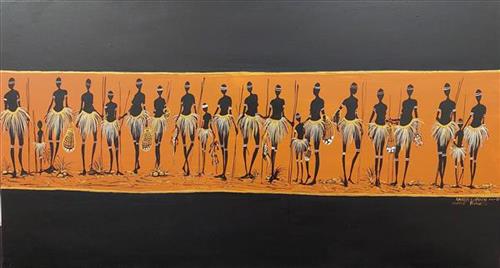
Gathering (Womens Business)

These women went out to gather eggs and small goannas. Fresh water turtle/eggs. They teach and hand down traditional ways when and what to hunt and gather. These days its rare

225182346325


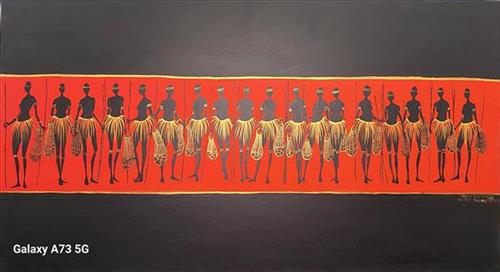
Mukirr (Womens Business)

These women went out to collect mussels, They come back Dilly Bag full, right time to collect and take back to family and share. These days its Rear.

225182345916


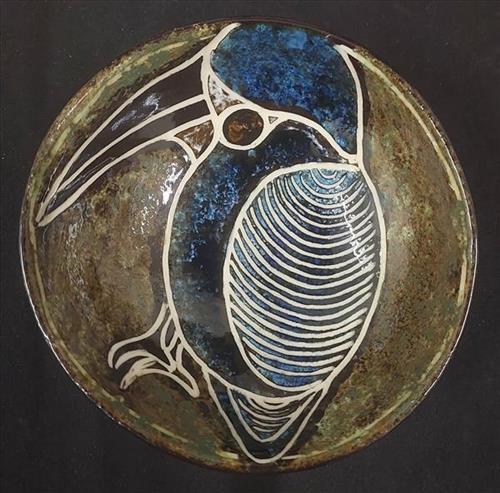
Yindili (Kingfisher)

The Kingfisher, known as Yindili in Kuku Yalanji language, is according to our culture one of the significant messenger birds.  The Kingfisher will let us know when to expect a visit from families living in another community, And when we see a Kingfisher close by, we know that something good will soon happen in our personal life.

225182345915


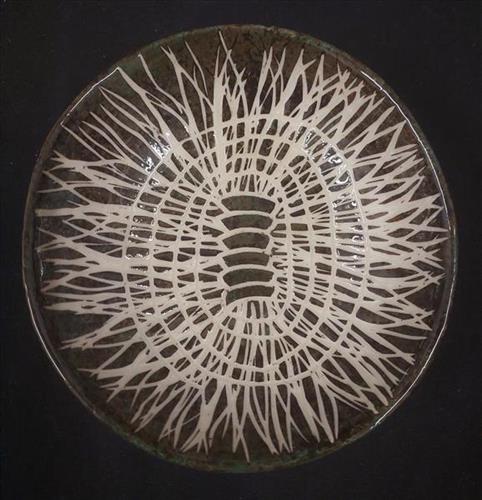
Kakan (Black Palm) Basket Weaving

This design shows how the bottom part of a black palm basket is woven. My grandmothers and aunties used to make them. They cut off the young palm leaves in the centre, stripped and scrapped them. Then they would put the strips in freshwater to make them soft and keep them straight for weaving.

225182345913


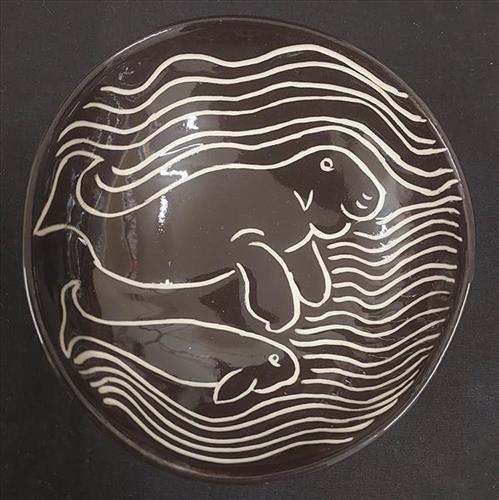
Kirbaji (Dugong)

In the past, Kirbaji (dugong) was an important food source. It was men’s business to hunt dugongs and it was their responsibility to cook and provide the meat to all the families. The meat of the dugong was cooked in an earth oven.

Our ancestors also made oil form the dugong fat. They used the oil for medicinal purposes. They used it for skin and hair treatments. When people had an upset stomach they used the oil as an ointment.

225182345912


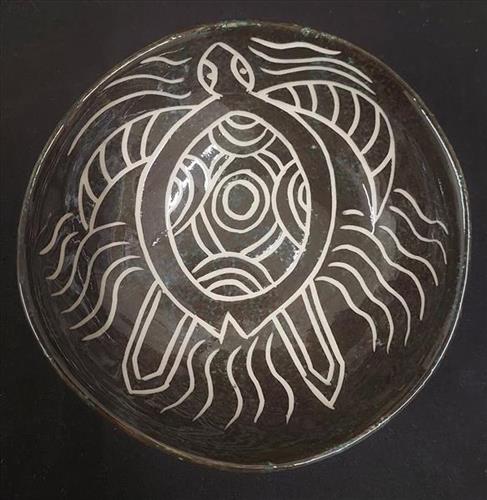
Ngawiya (Sea Turtle)

In the past, sea turtles were an important food source for Kuku Yalanji people. Only men were allowed to hunt them. The men were also responsible for cooking them in a ground oven and distributing the meat to all the families.

We ate turtle meat on special occasions such as the birth of a new born baby and during funeral ceremonies.

Our ancestors used the shell of sea turtles carrying, storing and serving food as well as making damper.