377810582260527


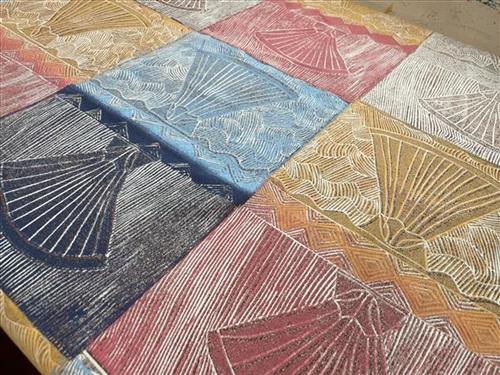
Dakarra (cockle)

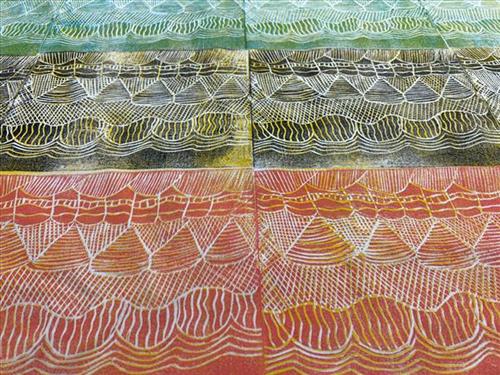
Dakarra is the Burrara Gun-nartpa word for a type of cockle shell with prominant scaled ribs and an orange colour. This is part of a diet of shellfish which has been enjoyed by people whose country lies on the saltwater estuaries at the opening of  rivers throughout Arnhem Land.

Elizabeth Wullunmingu’s mother country is Djunawunya, near Gupunga on the Blyth river. This is saltwater country. Her design Dakarra represents a songline for this particular type of edible shellfish and the fishing lifestyle that is enjoyed by her people. 

Elizabeth’s grandfather Frank Gurrmanamana was seen in the documentary ‘Waiting For harry’  1978  by Ronin films which is filmed on Elizabeth’s mother country, Djunawunya. In this documentary, the late Frank Gurrmanamana is preparing the final mortuary ceremonies for his brother who died six years before. Central to the ceremonies is Harry Diama, the senior blood-relative of the deceased man, but Harry lives in Maningrida and is pre-occupied with a pending court-case there involving his son.

https://www.sbs.com.au/topics/video/1068702275809/Waiting-For-Harry

 

377810582260525


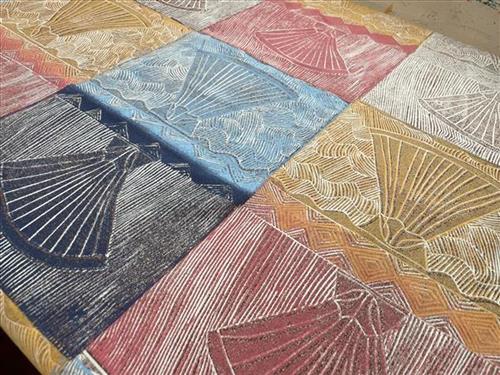
Dakarra (cockle)

Dakarra is the Burrara Gun-nartpa word for a type of cockle shell with prominant scaled ribs and an orange colour. This is part of a diet of shellfish which has been enjoyed by people whose country lies on the saltwater estuaries at the opening of  rivers throughout Arnhem Land.

Elizabeth Wullunmingu’s mother country is Djunawunya, near Gupunga on the Blyth river. This is saltwater country. Her design Dakarra represents a songline for this particular type of edible shellfish and the fishing lifestyle that is enjoyed by her people. 

Elizabeth’s grandfather Frank Gurrmanamana was seen in the documentary ‘Waiting For harry’  1978  by Ronin films which is filmed on Elizabeth’s mother country, Djunawunya. In this documentary, the late Frank Gurrmanamana is preparing the final mortuary ceremonies for his brother who died six years before. Central to the ceremonies is Harry Diama, the senior blood-relative of the deceased man, but Harry lives in Maningrida and is pre-occupied with a pending court-case there involving his son.

https://www.sbs.com.au/topics/video/1068702275809/Waiting-For-Harry
 

377810582260517


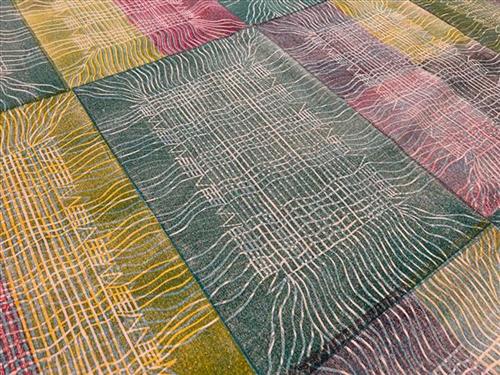
Welebme (flat)

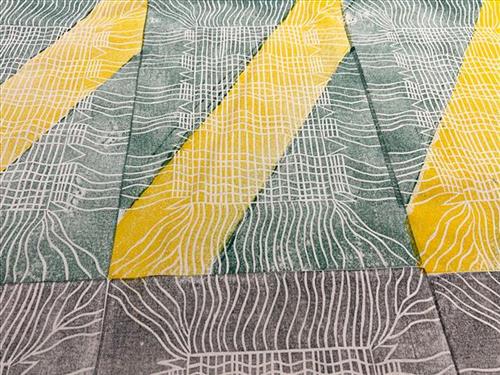
This is a Kune word that refers to the flattening out of items stones, flat leaves and kunbad (money). 

This design shows different items that have flattened out. Carol designed this for her grandkids to show them the tradition of Welebme. 

377810582260515


Waterlily

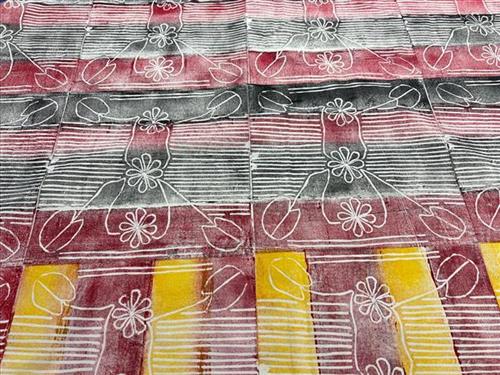
Hand printed fabric made by pressing intricately carved lino tiles onto fabric using layers of colour.

377810582260514


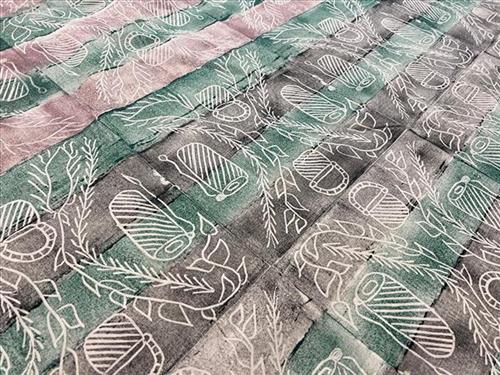
Dilly Bag and String Bag

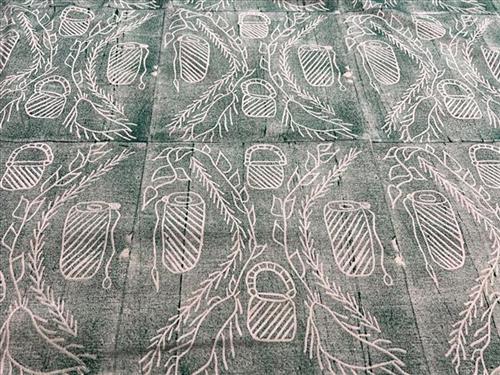
Hand printed fabric made by pressing intricately carved lino tiles onto fabric using layers of colour.

377810582260476


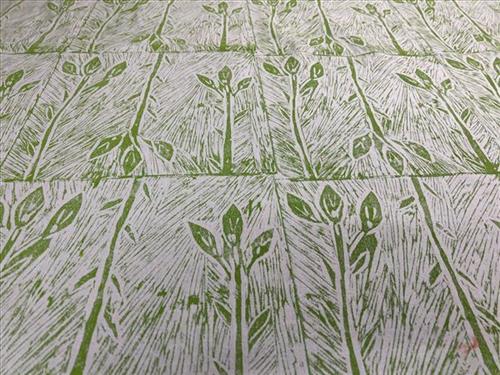
Yam Leaf

This fabric was created using the linocut printing technique. The lino tile was carved by the artist in Maningrida and printed by hand using a variety of colours and layers. The linocut technique ensures each textile piece is a one-off, limited edition piece.

377810582260475


Dilly bag & String bag

Hand printed fabric made by pressing intricately carved lino tiles onto fabric using layers of colour.

377810582260473


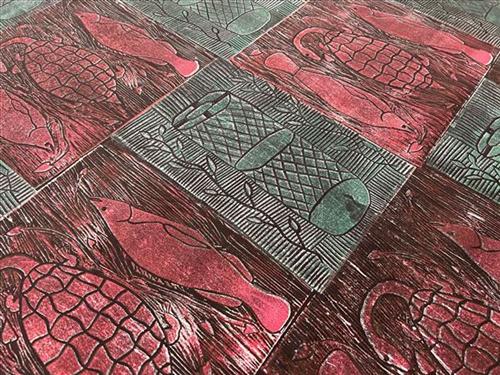
Birlmu dja Komrdaw & Lorrkon

Jennifer Wurrkidj is a Kuninjku artist from the Kurulk clan whose country lies around the outstation of Mumeka in central Arnhem Land.This image depicts important man-me (food) from freshwater environments on Jennifer’s country.

Wayuk (waterlilly) roots are called burdbarrk and are eaten fresh from the water or cooked on an open fire. The freshwater turtle (kormdaw) are a favourite cuisine – they hibernate on the floodplains during the dry season.

Various fish species including the barramundi (birlmu) as shown here are hunted with a spear or trapped inside a woven fish trap.