377810582333554


Wayuk – Roseanna Bonson

‘I always follow the footpath of my grandmother. I have too many stories of my grandmother. We went to the bush and ate bushtucker like yam, yabbie, barra, catfish and magpie goose. We didn’t come into town often, we were staying at Barrihdjowkkeng outstation. I learned how the old people used to live. I always think about my family out there and I keep going. My grandmother asked me to work with her for many years. I watched her making lino and screen printing. That’s why I stay in this job and I’m for the women’s centre’.  Roseanna Bonson 2021

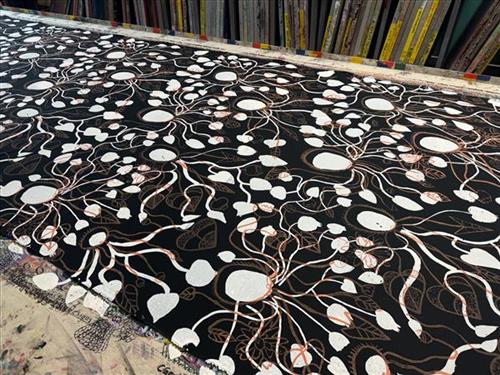
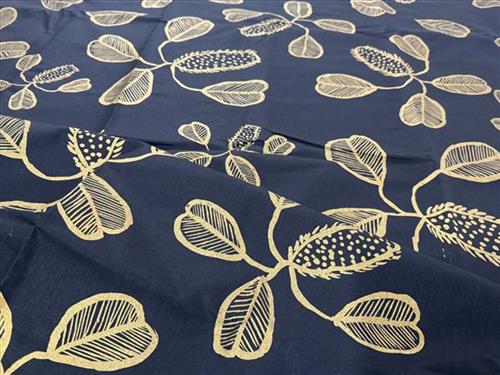
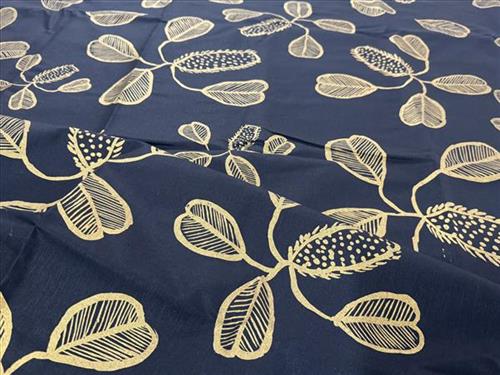
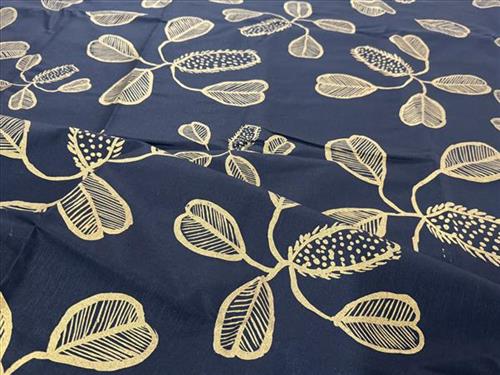
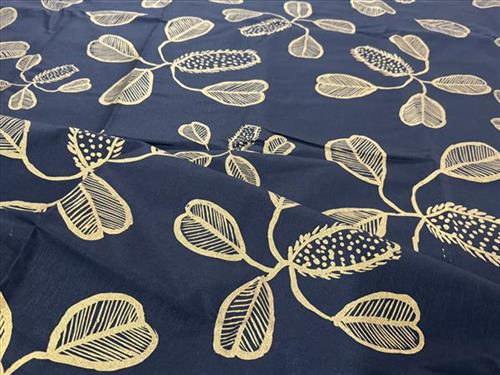
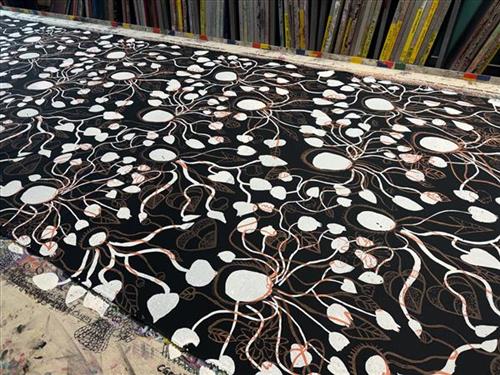
Roseanna’s first design is a 2 colour waterlily design. Wayuk (waterlily) *kuninjki grow in the swamps around Barrihdjowkkeng.

‘The flowers of the waterlily are white and yellow and I like that kind of colour.’ Roseanna Bonson 2021

377810582333553


Wayuk – Roseanna Bonson

‘I always follow the footpath of my grandmother. I have too many stories of my grandmother. We went to the bush and ate bushtucker like yam, yabbie, barra, catfish and magpie goose. We didn’t come into town often, we were staying at Barrihdjowkkeng outstation. I learned how the old people used to live. I always think about my family out there and I keep going. My grandmother asked me to work with her for many years. I watched her making lino and screen printing. That’s why I stay in this job and I’m for the women’s centre’.  Roseanna Bonson 2021

Roseanna’s first design is a 2 colour waterlily design. Wayuk (waterlily) *kuninjki grow in the swamps around Barrihdjowkkeng.

‘The flowers of the waterlily are white and yellow and I like that kind of colour.’ Roseanna Bonson 2021

377810582333552


Wayuk – Roseanna Bonson

‘I always follow the footpath of my grandmother. I have too many stories of my grandmother. We went to the bush and ate bushtucker like yam, yabbie, barra, catfish and magpie goose. We didn’t come into town often, we were staying at Barrihdjowkkeng outstation. I learned how the old people used to live. I always think about my family out there and I keep going. My grandmother asked me to work with her for many years. I watched her making lino and screen printing. That’s why I stay in this job and I’m for the women’s centre’.  Roseanna Bonson 2021

Roseanna’s first design is a 2 colour waterlily design. Wayuk (waterlily) *kuninjki grow in the swamps around Barrihdjowkkeng.

‘The flowers of the waterlily are white and yellow and I like that kind of colour.’ Roseanna Bonson 2021
377810582333551


Wayuk – Roseanna Bonson

‘I always follow the footpath of my grandmother. I have too many stories of my grandmother. We went to the bush and ate bushtucker like yam, yabbie, barra, catfish and magpie goose. We didn’t come into town often, we were staying at Barrihdjowkkeng outstation. I learned how the old people used to live. I always think about my family out there and I keep going. My grandmother asked me to work with her for many years. I watched her making lino and screen printing. That’s why I stay in this job and I’m for the women’s centre’.  Roseanna Bonson 2021

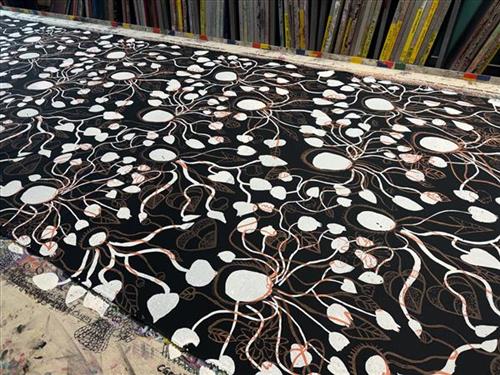
Roseanna’s first design is a 2 colour waterlily design. Wayuk (waterlily) *kuninjki grow in the swamps around Barrihdjowkkeng.

‘The flowers of the waterlily are white and yellow and I like that kind of colour.’ Roseanna Bonson 2021

377810582333550


Manyawok (Cheeky Yam)

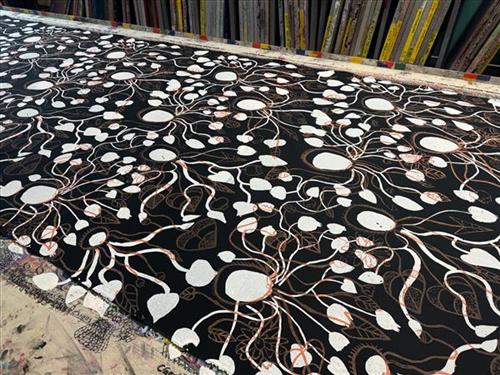
This design depicts the cheeky yam, which is found on the artist’s country, near the outstation of Mumeka in central Arnhem Land. Yams are an important bush food that are collected during the wet season.

Unlike other yams that can be eaten roasted, the cheeky yam can be poisonous if not properly prepared. The preparation process of the yam traditionally takes two days. Firstly, the yams are dug up with a digging stick and boiled over a fire. They are then peeled and sliced into thin strips, which are placed in a special dillybag woven by women from pandanus leaves. The yam-laden dillybag is then strung from an overhanging branch into a river, so the bag just touches the flowing fresh water. The cheeky yams are left like this overnight to allow the running water to remove the toxins. The next morning, people return and collect the dillybag, and leave the yam pieces in full sunlight to dry out. Finally, when the yam pieces have dried in the sun for a day, they are ready to eat.

377810582333549


Manyawok (Cheeky Yam)

This design depicts the cheeky yam, which is found on the artist’s country, near the outstation of Mumeka in central Arnhem Land. Yams are an important bush food that are collected during the wet season.

Unlike other yams that can be eaten roasted, the cheeky yam can be poisonous if not properly prepared. The preparation process of the yam traditionally takes two days. Firstly, the yams are dug up with a digging stick and boiled over a fire. They are then peeled and sliced into thin strips, which are placed in a special dillybag woven by women from pandanus leaves. The yam-laden dillybag is then strung from an overhanging branch into a river, so the bag just touches the flowing fresh water. The cheeky yams are left like this overnight to allow the running water to remove the toxins. The next morning, people return and collect the dillybag, and leave the yam pieces in full sunlight to dry out. Finally, when the yam pieces have dried in the sun for a day, they are ready to eat.

377810582333548


Manyawok (Cheeky Yam)

This design depicts the cheeky yam, which is found on the artist’s country, near the outstation of Mumeka in central Arnhem Land. Yams are an important bush food that are collected during the wet season.

Unlike other yams that can be eaten roasted, the cheeky yam can be poisonous if not properly prepared. The preparation process of the yam traditionally takes two days. Firstly, the yams are dug up with a digging stick and boiled over a fire. They are then peeled and sliced into thin strips, which are placed in a special dillybag woven by women from pandanus leaves. The yam-laden dillybag is then strung from an overhanging branch into a river, so the bag just touches the flowing fresh water. The cheeky yams are left like this overnight to allow the running water to remove the toxins. The next morning, people return and collect the dillybag, and leave the yam pieces in full sunlight to dry out. Finally, when the yam pieces have dried in the sun for a day, they are ready to eat.

377810582333547


Manyawok (Cheeky Yam)

This design depicts the cheeky yam, which is found on the artist’s country, near the outstation of Mumeka in central Arnhem Land. Yams are an important bush food that are collected during the wet season.

Unlike other yams that can be eaten roasted, the cheeky yam can be poisonous if not properly prepared. The preparation process of the yam traditionally takes two days. Firstly, the yams are dug up with a digging stick and boiled over a fire. They are then peeled and sliced into thin strips, which are placed in a special dillybag woven by women from pandanus leaves. The yam-laden dillybag is then strung from an overhanging branch into a river, so the bag just touches the flowing fresh water. The cheeky yams are left like this overnight to allow the running water to remove the toxins. The next morning, people return and collect the dillybag, and leave the yam pieces in full sunlight to dry out. Finally, when the yam pieces have dried in the sun for a day, they are ready to eat.

377810582333134


Kunmadj

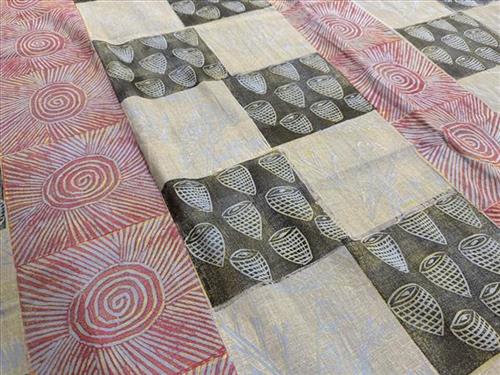
Kunmadj is the Kuninjku term for large woven collecting baskets, known as dillybags.

They are often made from the burney vine (Malaisia scandens), a strong, pliable plant that grows along the ground and into the canopy of monsoon vine thickets. The baskets are used to collect a variety of heavy foods, such as fish caught in conical fish traps or a good harvest of yams. As well as being of practical use, dillybags are of cultural significance to Arnhem Land people. Dillybags are totemic objects and they are associated with particular sites in the landscape.

377810582333133


Yawkyawk – Janet Marawarr

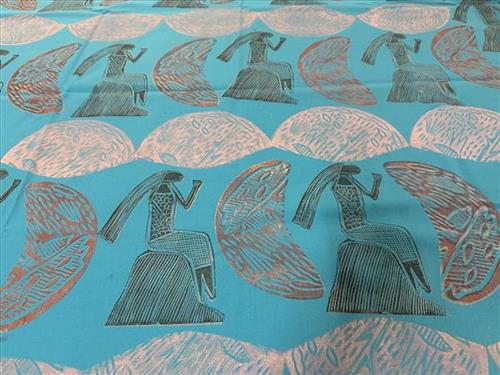
Yawkyawk swim underneath the rock. They always stay there. When the sun comes out they come out from underneath the river, make themselves warm. They sit and they look around. When they sit, they cry to themselves. Ngaldjorlhbo (mother of everything) she created them – yawkyawk and the other one [Ngalng].

The Mimih one is a long way from the stone country. He is from my uncles country Barrihdjowkkeng   My uncle is the famous artist Crusoe Kurddal and he carves and paints Mimih.  

Sometimes yawkyawk sit inside the rock. Sometimes they go out to find the manme (food) and the mankung (sugarbag). Also they can sing inside the rock cave. Sometimes yawkyawk will see the big rain. When the big rain comes they start looking and when the rain comes they go inside and hide themselves.’

Some yawkyawk stay on the dry land in a special place inland from Barrihdjowkkeng.

Some of the stones get stuck on the breasts of the yawkyawk.

In my fabric they are all coming together with the grass trees and leaves and the blowing wind. Some of the leaves will fall onto the water. All the round shapes are kunred (rocky country) with dry grass.