359709482216816
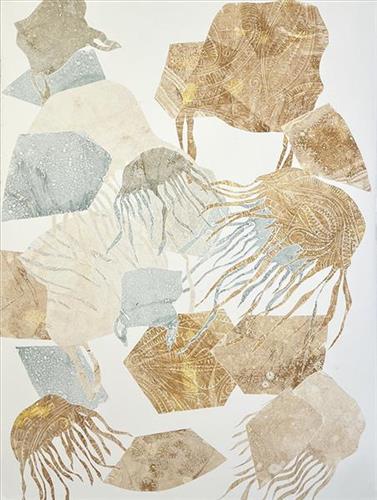
Jellyfish I
Jellyfish can be found in the waters throughout the Torres Strait Islands.
Art Centre notes:
Image size: 106 x 74cm. Paper size:106 x 74cm. The artwork is a ‘pochoir’ print, or monoprint, printed on Hahnemühle paper (100% cotton rag with strong archival properties). The print covers the paper from edge to edge.
359709481835127
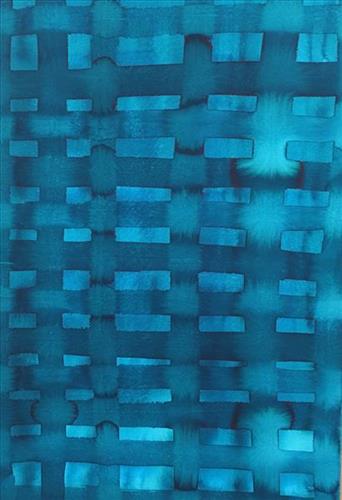
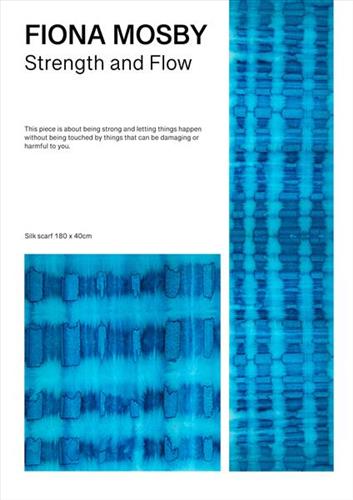
Strengthness and Flow
Strength and flow comes from within, having a connection to what surrounds us in life to regain strength to overcome.
359709481983326
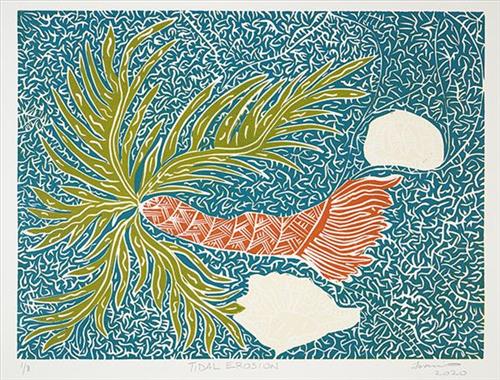
TIDAL EROSION
On my island o the beach front once stand a coconut palm trees right along the beach, but because of the effects of climate changes and rising of the tides caused tidal erosions on the island. It has destroyed most of the coconut trees and has change the beautiful shore line of the beach.
359709482092325
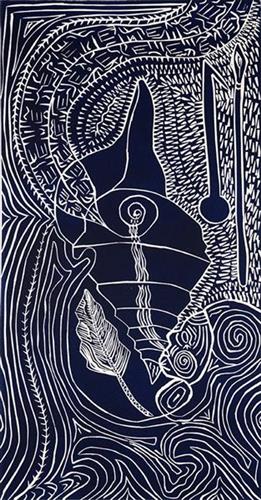
The Trumpet Blower II
This artwork tells a story about myself, how I was specifically chosen by the elders of my community and was taught from a very young age to use a trumpet blower to notify he community if there was any special occasions. The community members would know exactly which event is about to occur by the sound of the trumpet, each events had their own unique rhythms and style.
Art Centre notes:
Image Size: 510mm x 260mm Paper size: 760mm x 560mm
The artwork is a (colour reduction/B/W) lino print, printed on BFK Rives paper (100% cotton rag with strong archival properties).
359709482206971
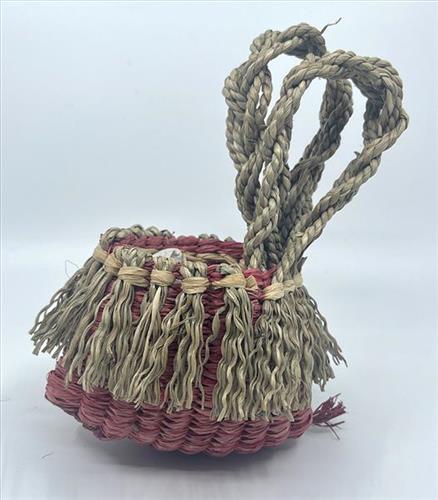
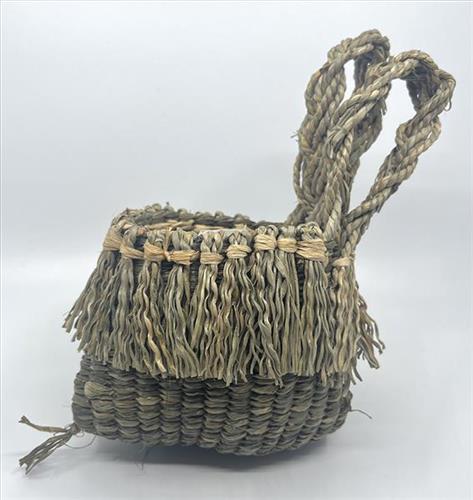
Seacord Bag
359709482220825
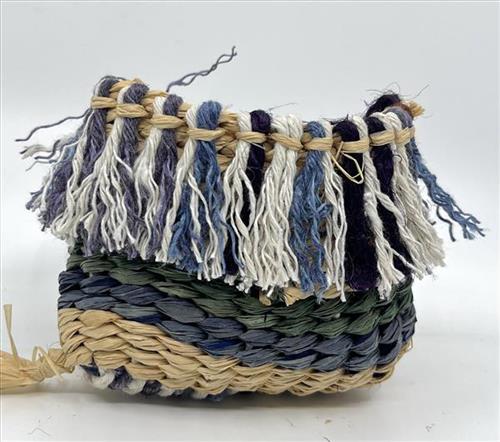
Art Centre notes:The bag is made of natural raffia / cotton / jute. It is made using a traditional ‘one twist’ method. the raffia is dyed using colour fast dyes.
Size of bowl 9 x 8cm
35970944003118
Status: Stock
Design by Fiona Mosby: 180cm x 40cm Silk Chiffon
Strength and flow comes from within, having a connection to what surrounds us in life to regain strength to overcome.
35970944003116
Status: Stock
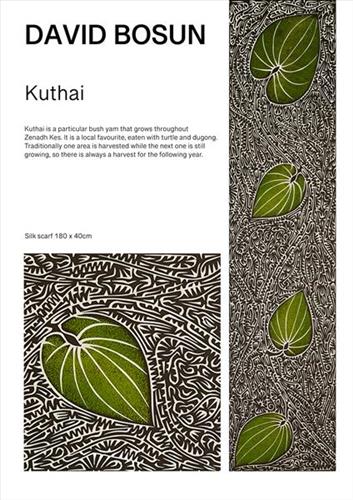
Design by David Boson: 180cm x 40cm Silk Chiffon
KUTHAI is a particular bush yam that grows throughout Zenadh Kes. It is a local favourite, eaten with turtle and dugong. Like taro, kuthai soaks up the animal fat, making it less fatty. Kuthai is harvested during the doldrums (saulala thonar or turtle mating season) when the winds drop off and hunting at sea is easier. There is always an abundance of fresh turtle and dugong at this time, so kuthai is important. When the root is about the size of a rockmelon it is dug up and cut. At the same time the small bulbs that grow out of the top are replanted. It takes two years to grow the root to a good size, but they can be left in the ground for more years and harvested when they are much bigger. Traditionally one area is harvested while the next one is still growing, so there is always a harvest for the following year. Enough is taken to last the whole wet season from December to March, when the wind picks up and the seas are too rough to hunt.
35970944003115
Status: Stock
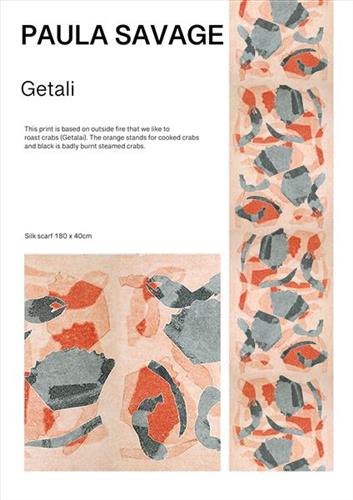
Design by Paula Savage: 180cm x 40cm Silk Chiffon
This print is based on an outside fire that we like to roast crabs (Getalai). The orange stands for cooked crabs and black is badly burnt steamed crabs.