35970944004890


Status: Stock


Solomon Booth

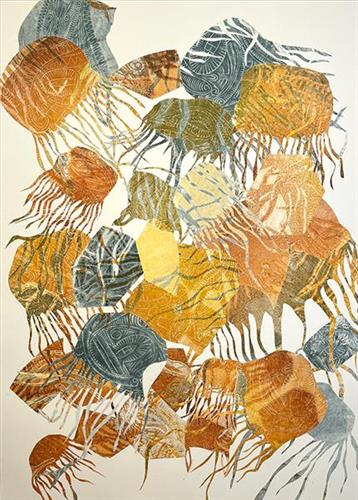
Modern times has shown that plastic bags are detrimental to the environment and may often be mistaken for jellyfish, which are a food source for marine predators such as the Waru (Green-Sea Turtle). This artwork also serves as an analogy for us to be mindful of what we consume both physically and mentally but importantly in a spiritual state if we are to live a fruitful and productive life. 
35970944004889


Status: Stock


Tahmana Misick

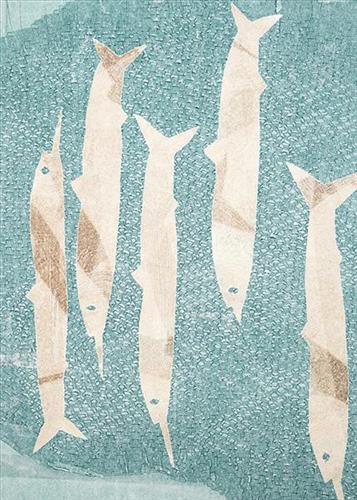
Zaber School is a print that is inspired by when I always go out with my uncles and brothers and cousins to our front beach to go net dragging when the tides are low and still then we pull it up to the shore and we usually get Zaber (Garfish) in between the nets with all the other fishes and other seafood such as snapper and squid.

35970944004887


Status: Stock


Fiona Mosby

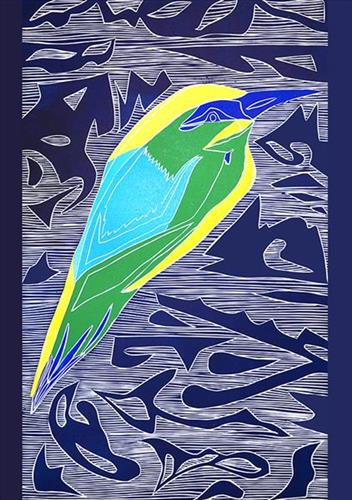
Piru Piru is the Kala Kawa Ya dialect name for this beautiful tiny bird which is like a honey eater. They make their nests out of grass and leaves and they hang from branches and under sheltered areas. There is a small opening at the top and they are lined with soft fibres from plants and animals. When they build their nests ti tells us ti is turtle mating season.

35970944004886


Status: Stock


David Bosun

In Mualgal culture, traditional adoption is a deeply ingrained and
meaningful practice that serves multiple purposes, such as strengthening kinship ties, ensuring the well-being and care of children, passing down cultural knowledge and traditions, and reinforcing land tenure customs.

35970944004885


Status: Stock


Babetha Nawia

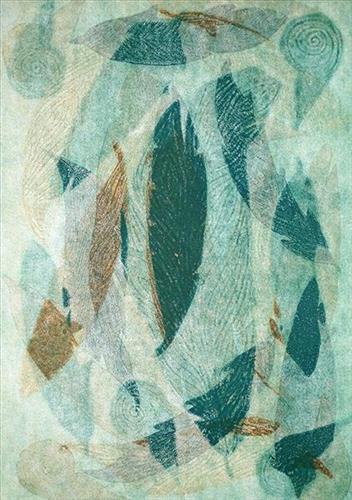
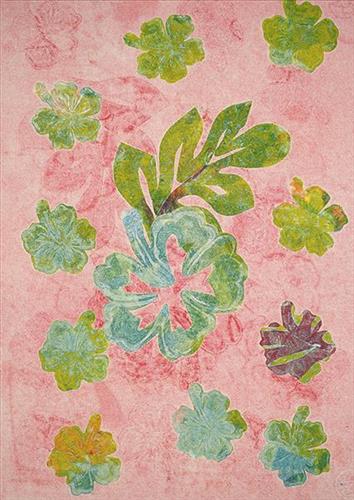
Feathers are used in head dresses in my culture. We imitate our young warriors and gods of the islands who wore feathers as armour. 

35970944004883


Status: Stock


Gertie Tomsana

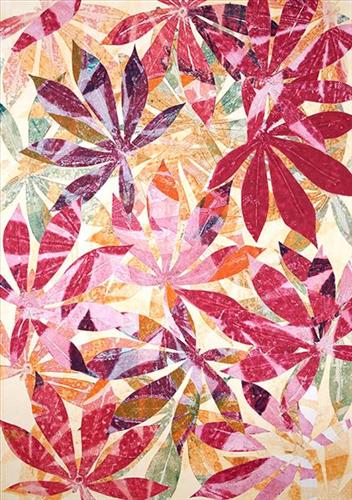
My story is about garden kaikai. I grew up with my parents planting cassava bones, this monyotha leaf gives me a glimpse of my childhood.

35970943973545


Status: Stock


David Bosun

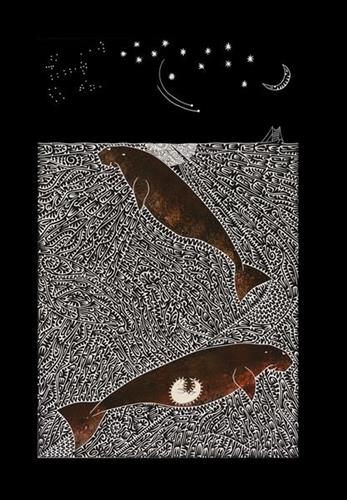
Dugongs are usually able to reproduce by the age of nine or ten years though/ sometime not until as late as 15 years. A female Dugong can only have one calf every 3-7 year and the pregnancy lasts 12-14  months. to keep the new born calf safe from sharks the female will move to shallow waters. When she is ready to give birth the estimated size of a new born is slightly more then a mitre in length and usually between 20-35 kilograms in weight. Mothers will nurse their young up to 18 months and the calf may stay with it’s mum for up to two year, where the calf still sucks milk for the mother’s teats and there is one teats under each flipper. Dugong do not mate for life and male Dugongs do not help to rear young.